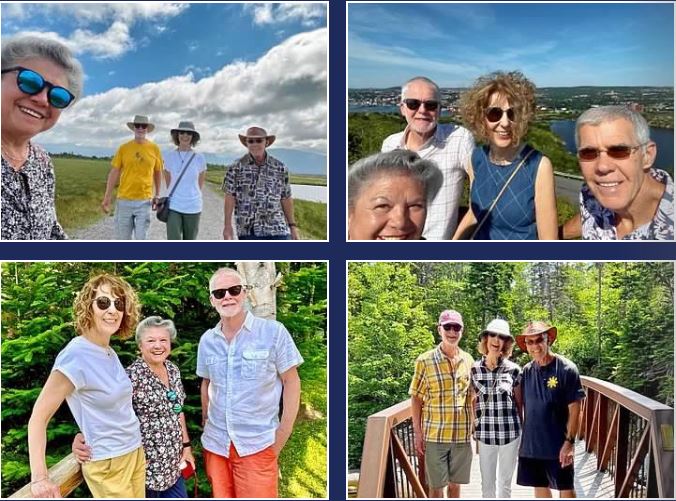
Our last stop was meant to be St. John’s, Newfoundland, and we were filled with excitement. We hoped to reconnect with our dear friends Elizabeth and Hughie, who had hosted us so generously last year during a 15-day tour of Newfoundland—a journey rich with warmth, laughter, and unforgettable kindness.
It was uncertain whether they’d be in town, as they were hosting out-of-town friends themselves. But as it happened, they had rearranged their schedule and purchased tickets to see a show in Gander—plans that would place them in St. John’s just as our ship was set to dock. A happy coincidence, or so we thought.
Then came the high winds.
With weather turning foul, our ship was diverted to Corner Brook—a port just fifteen minutes from their home in Pasadena. So close. But they were eight hours away, in St. John’s, with their guests, waiting for curtain calls and enjoying the city.
It was a disappointing twist, the kind that leaves you quiet and wistful. We were within reach of a reunion, a warm hug, a shared laugh—and yet, the winds had other plans. Still, knowing they were nearby, even if unknowingly, brought a strange sort of comfort. The connection remained, even if the moment slipped away.
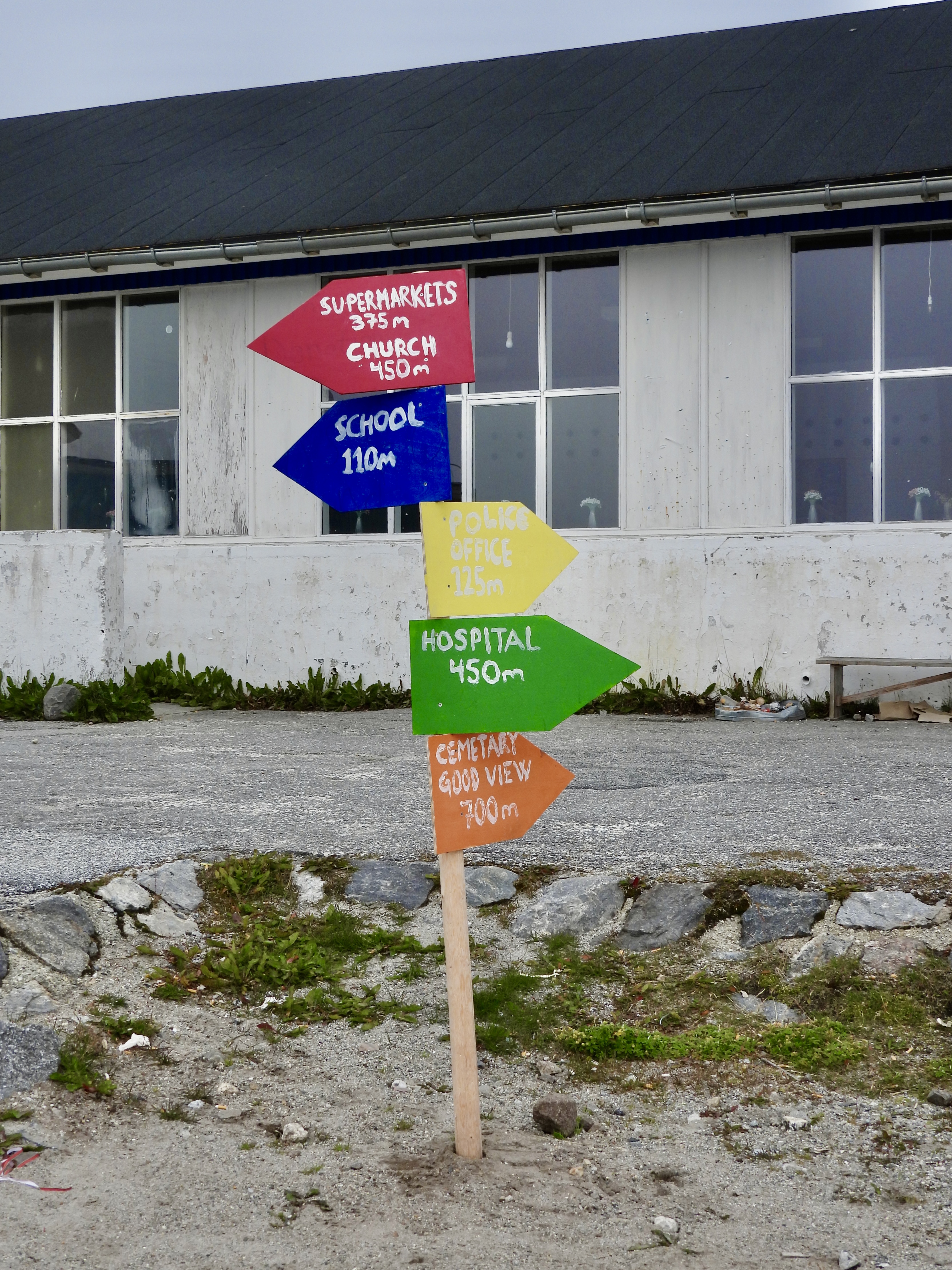
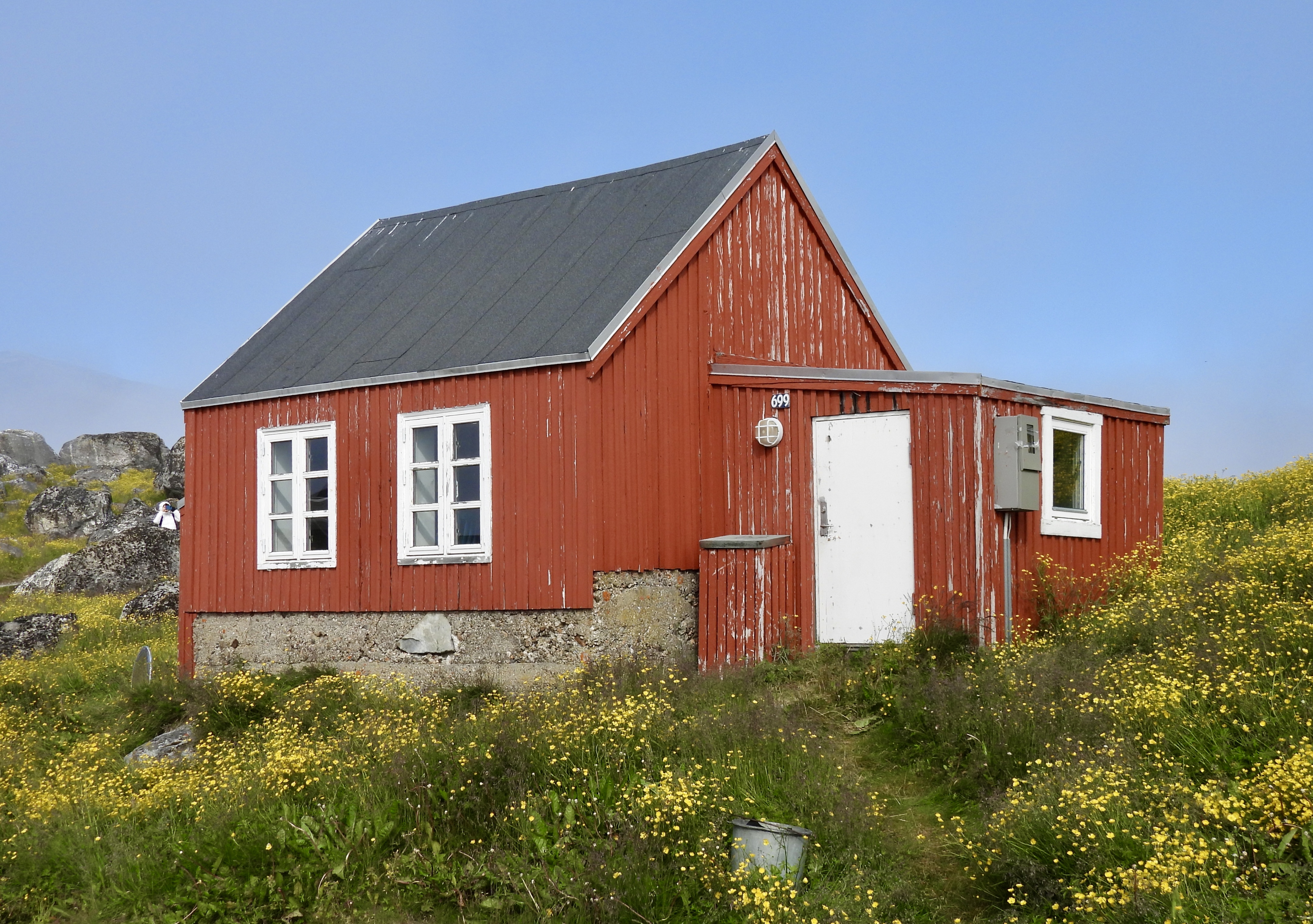
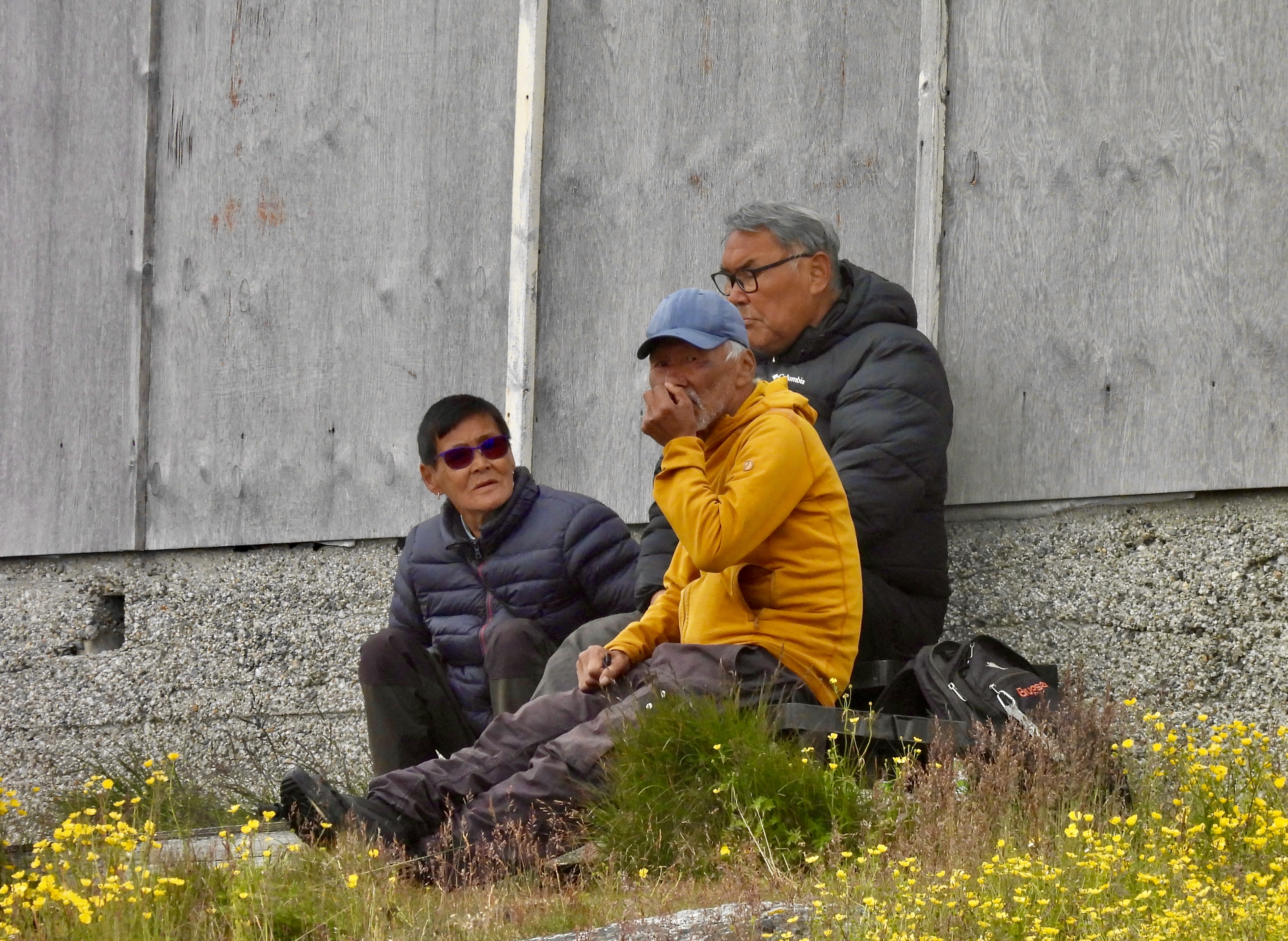
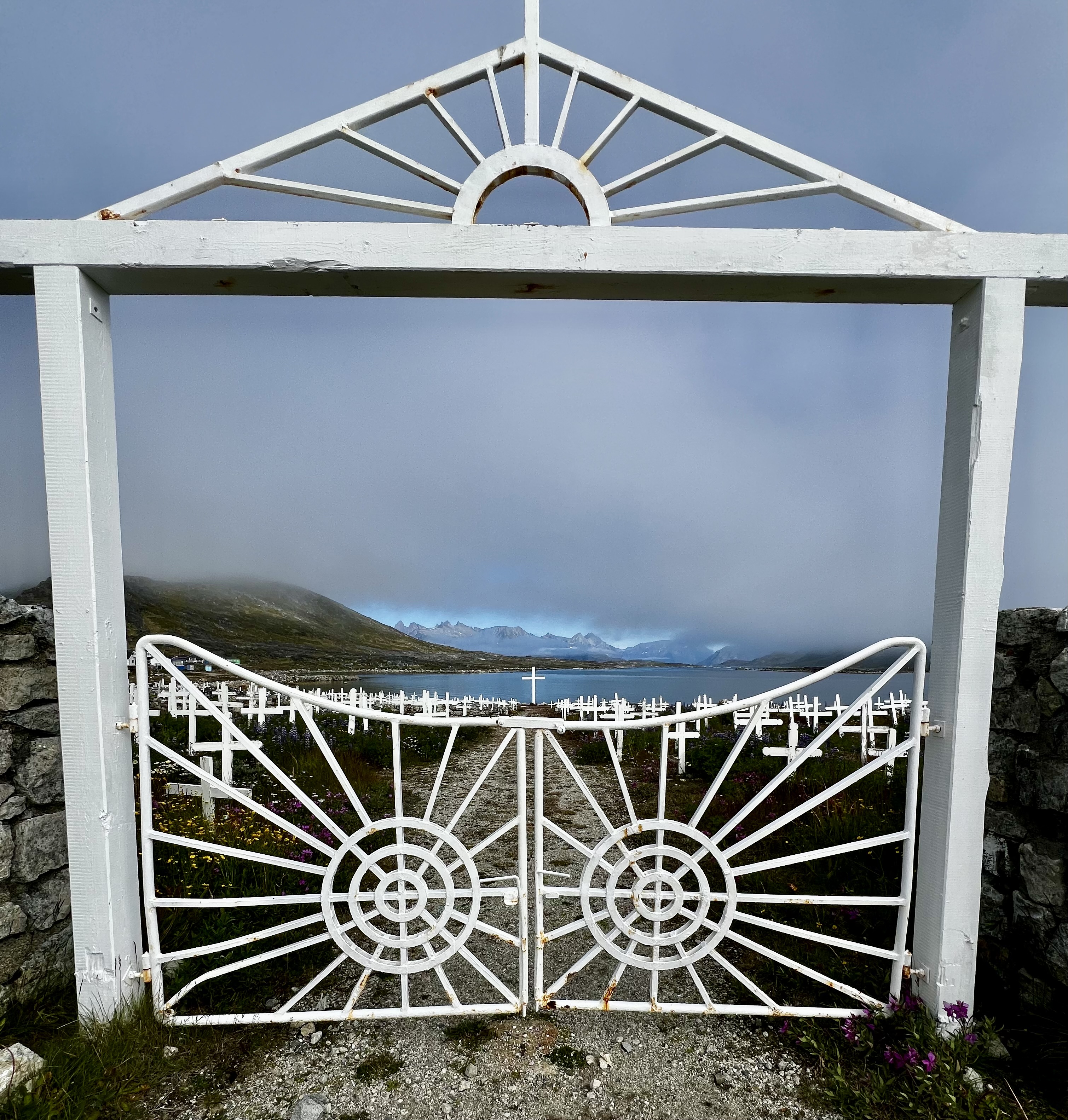
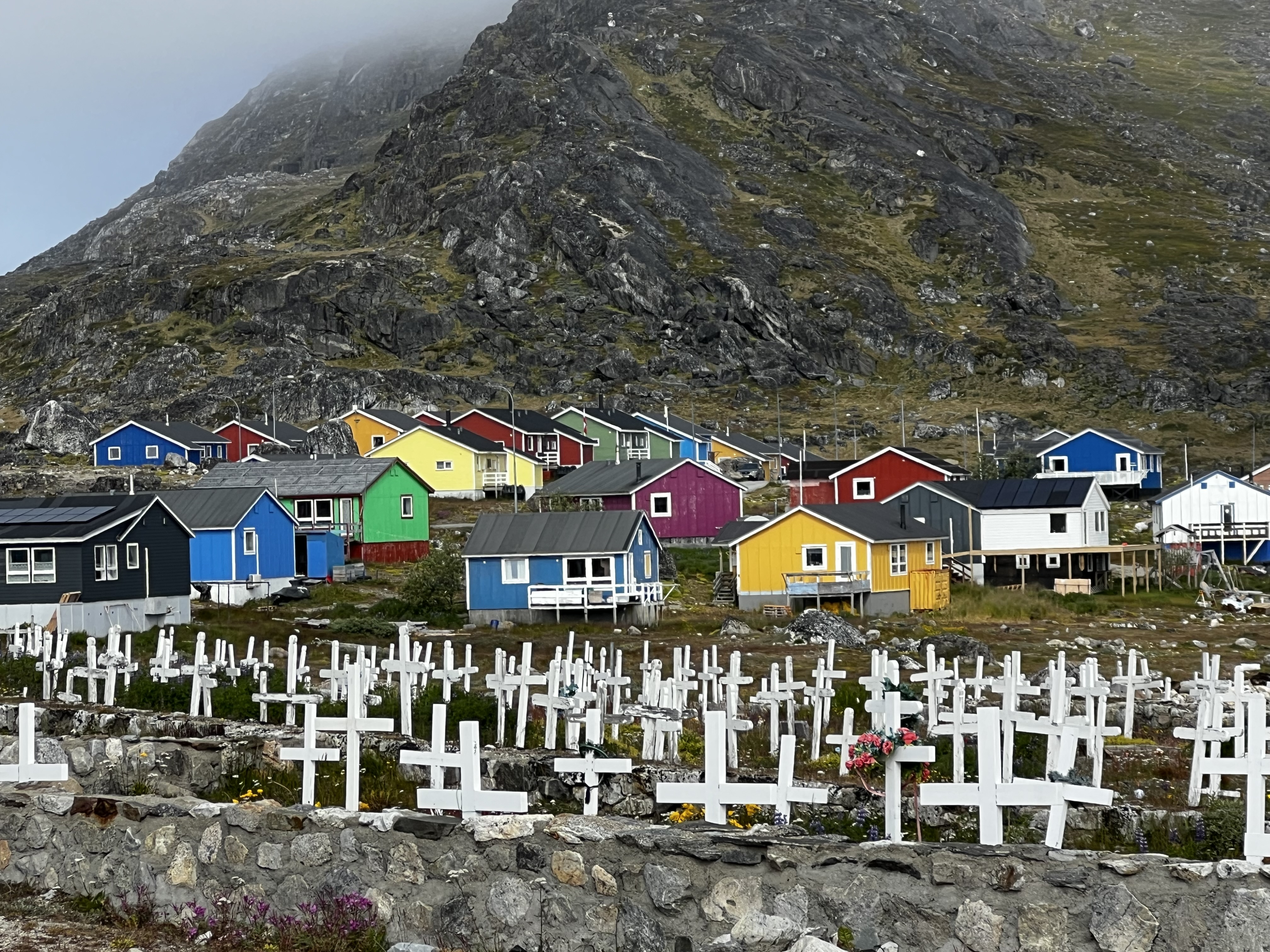
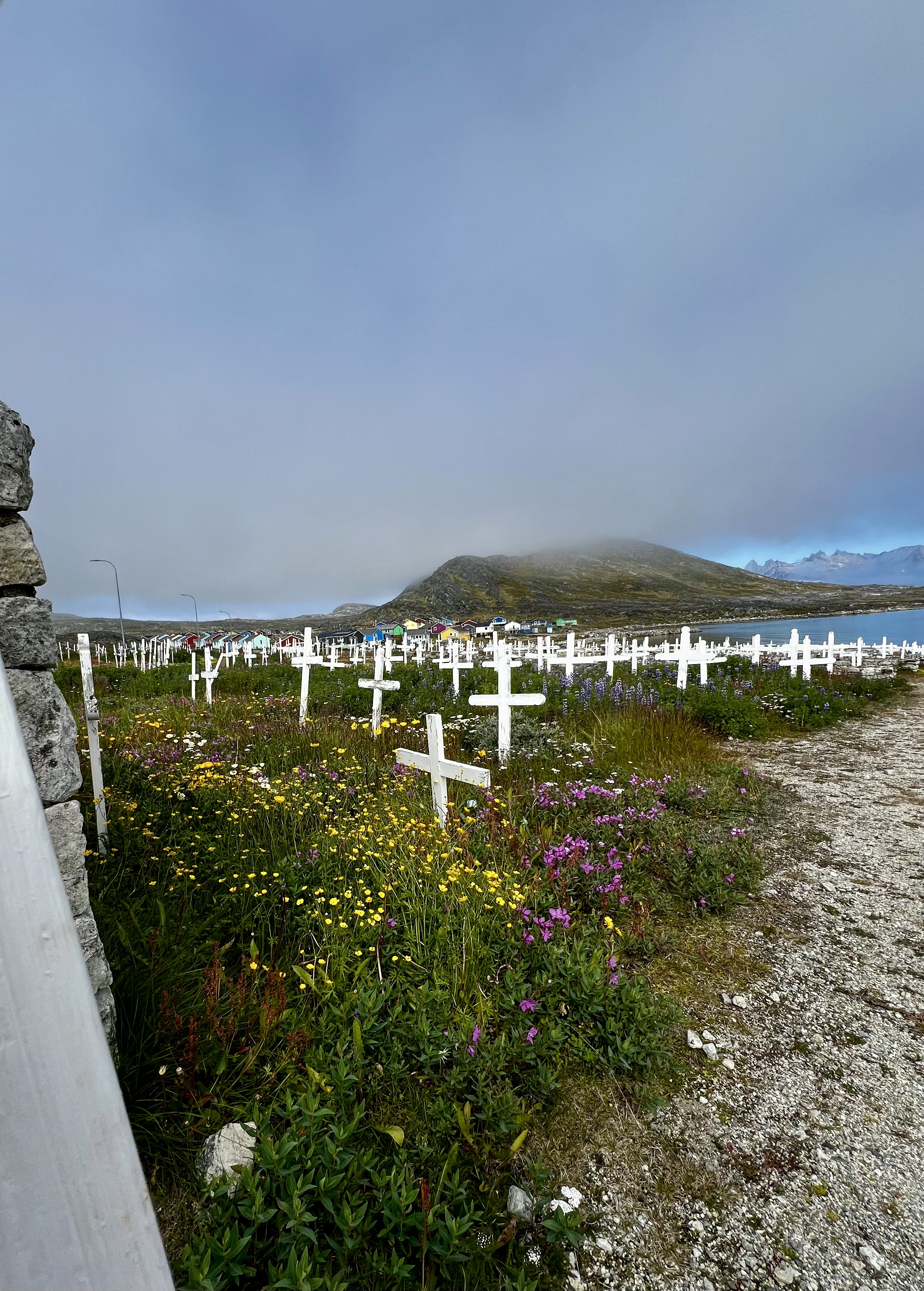
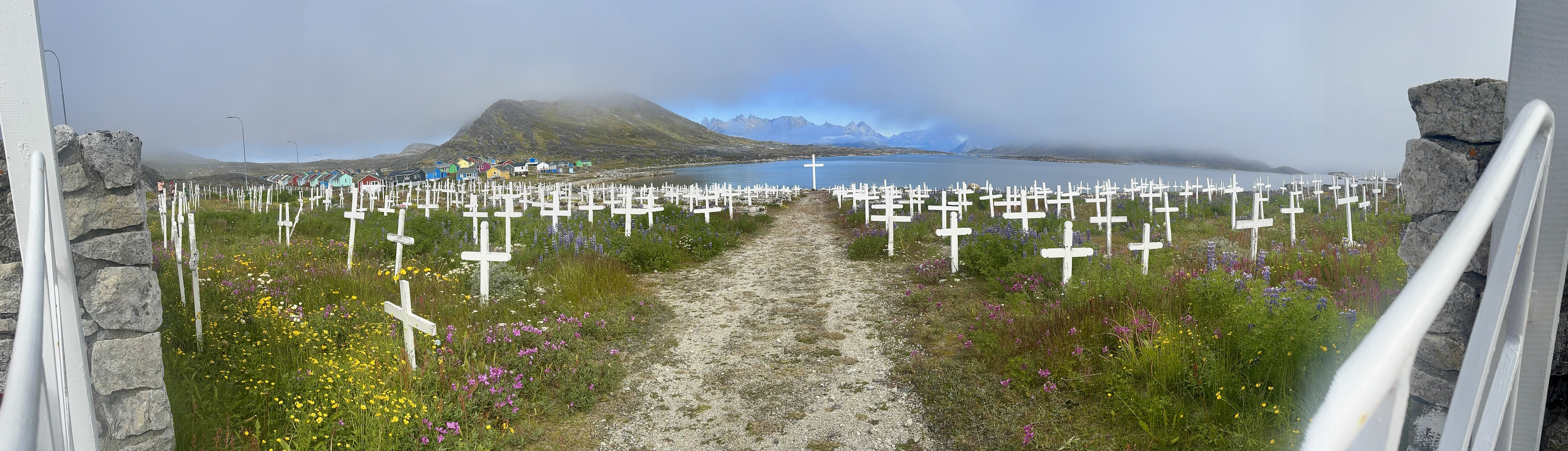
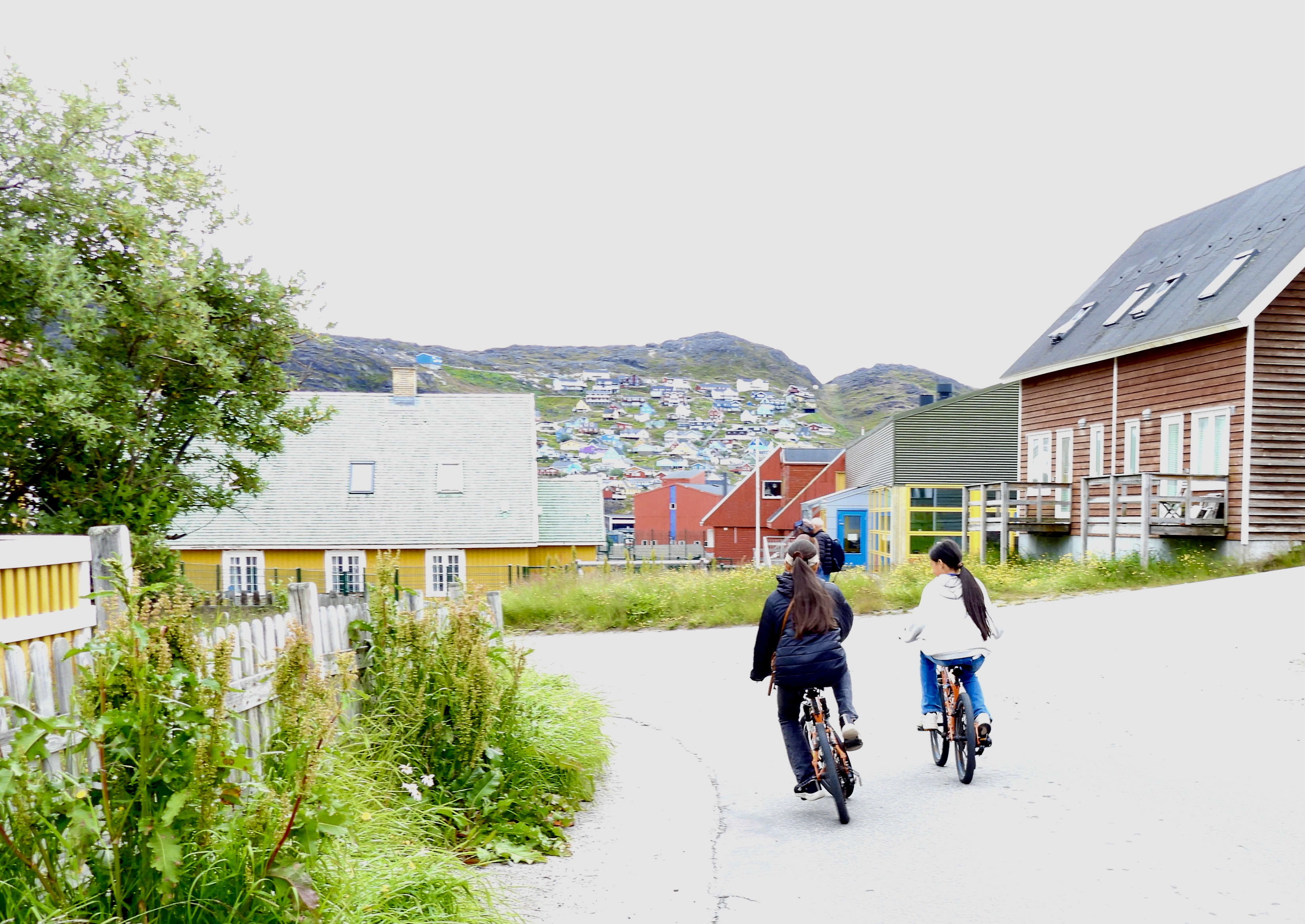
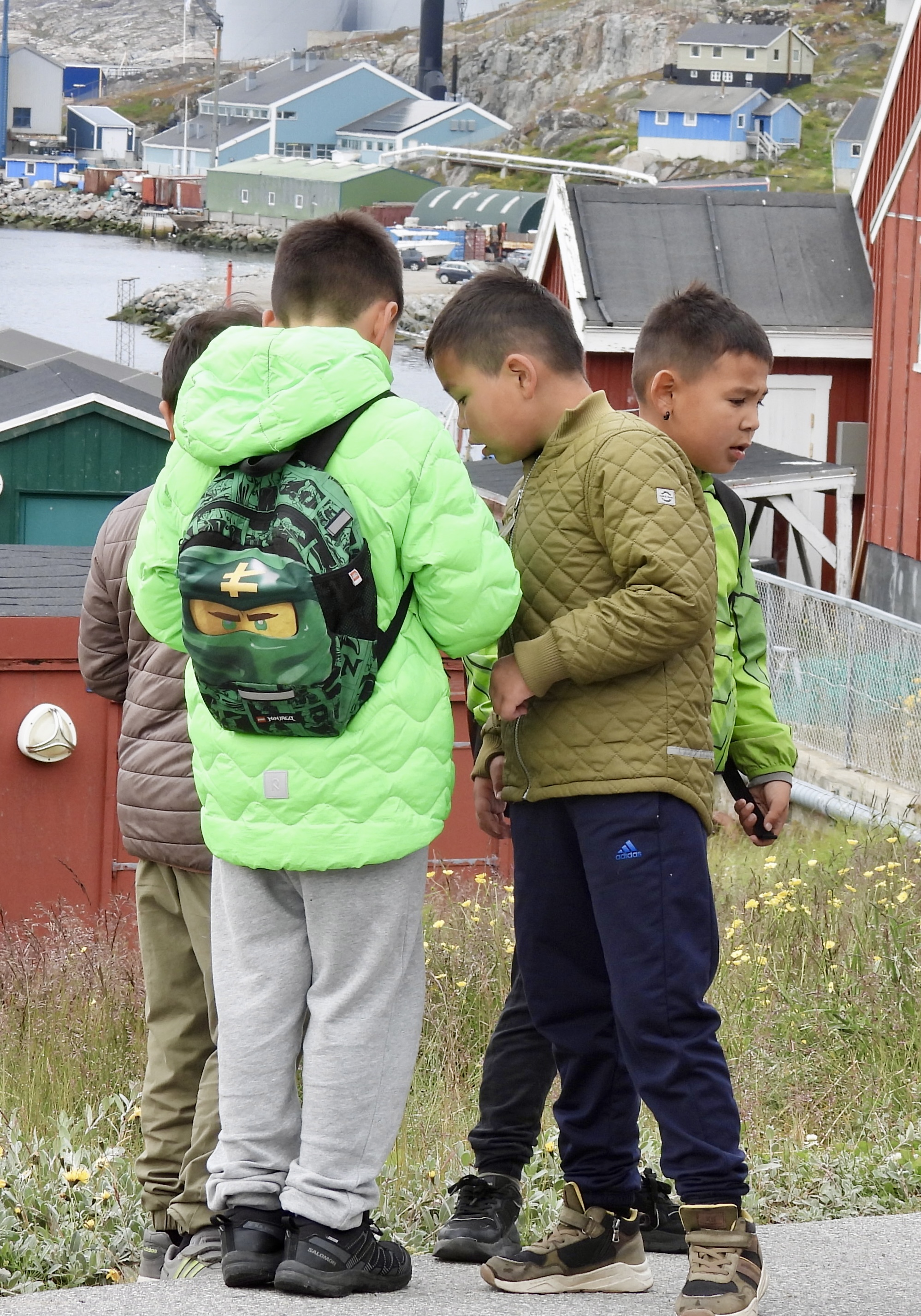
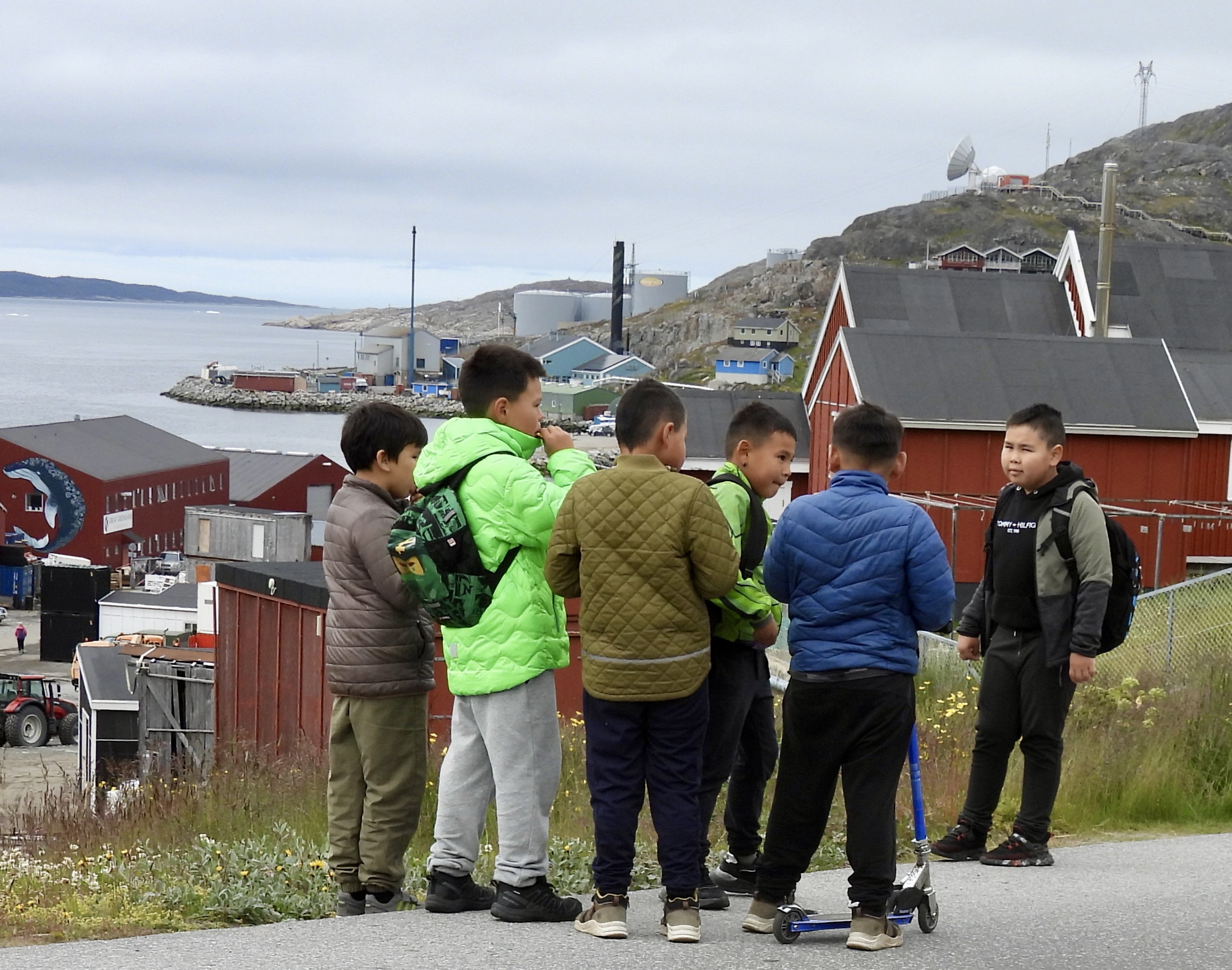
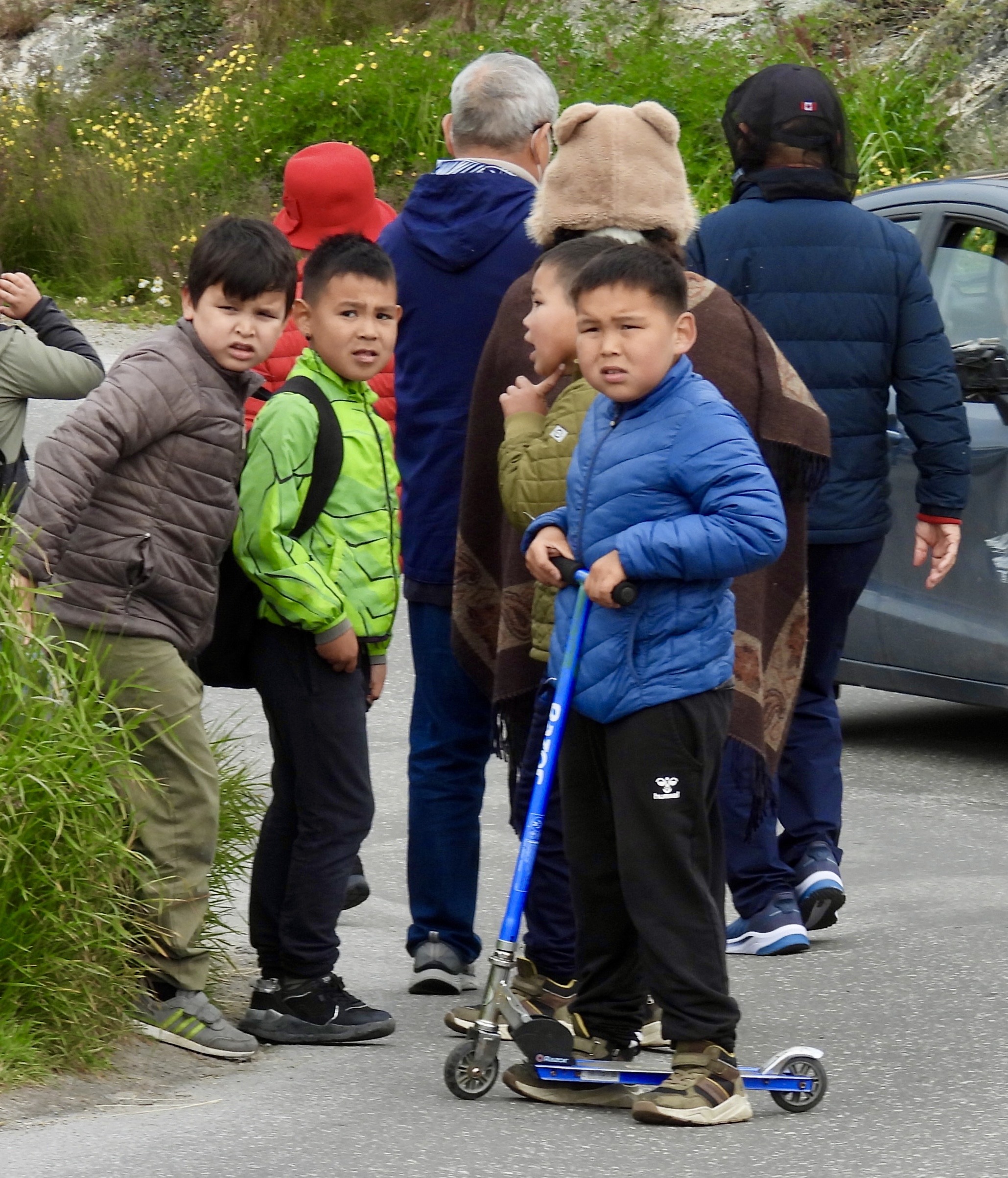
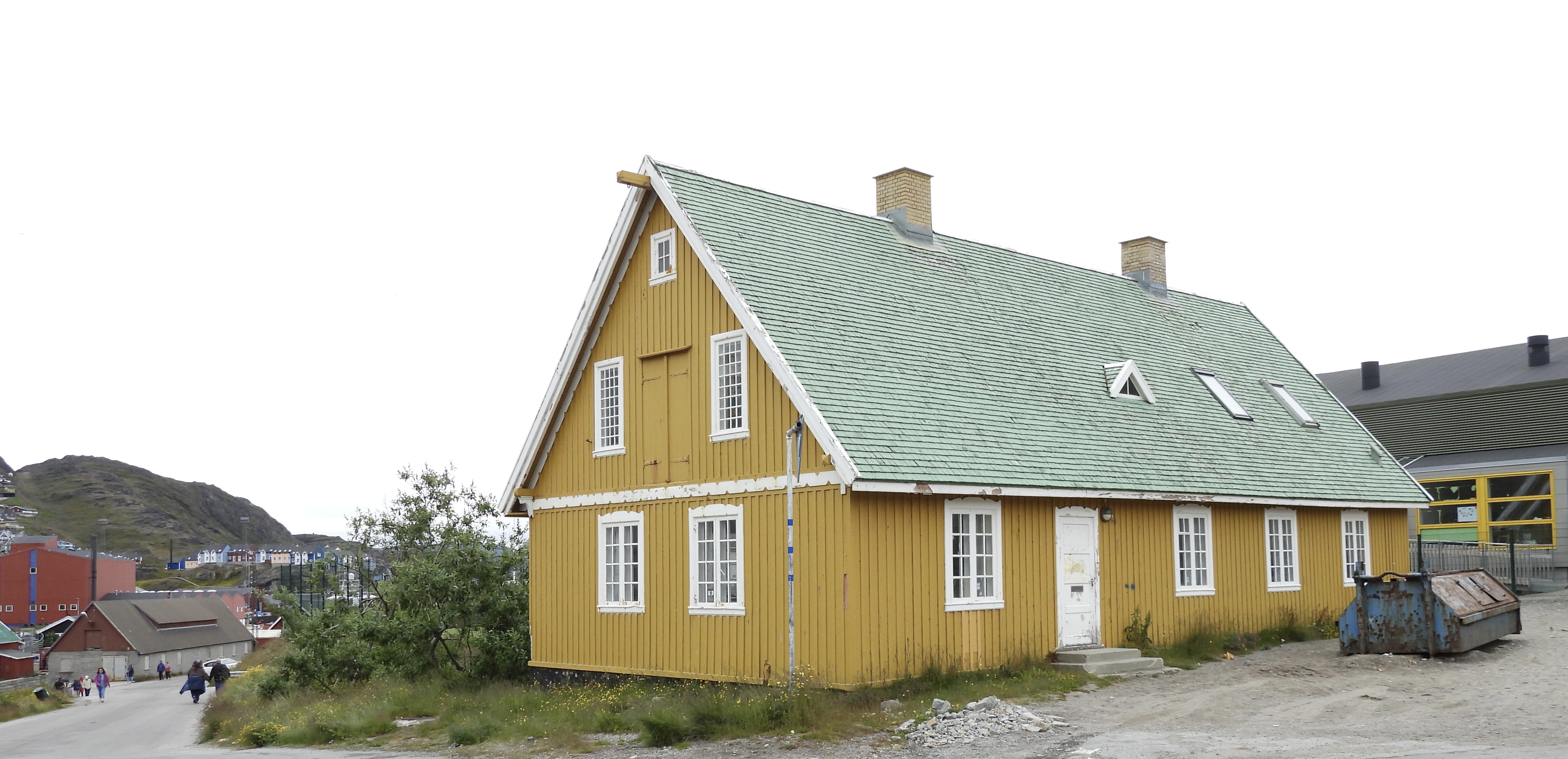
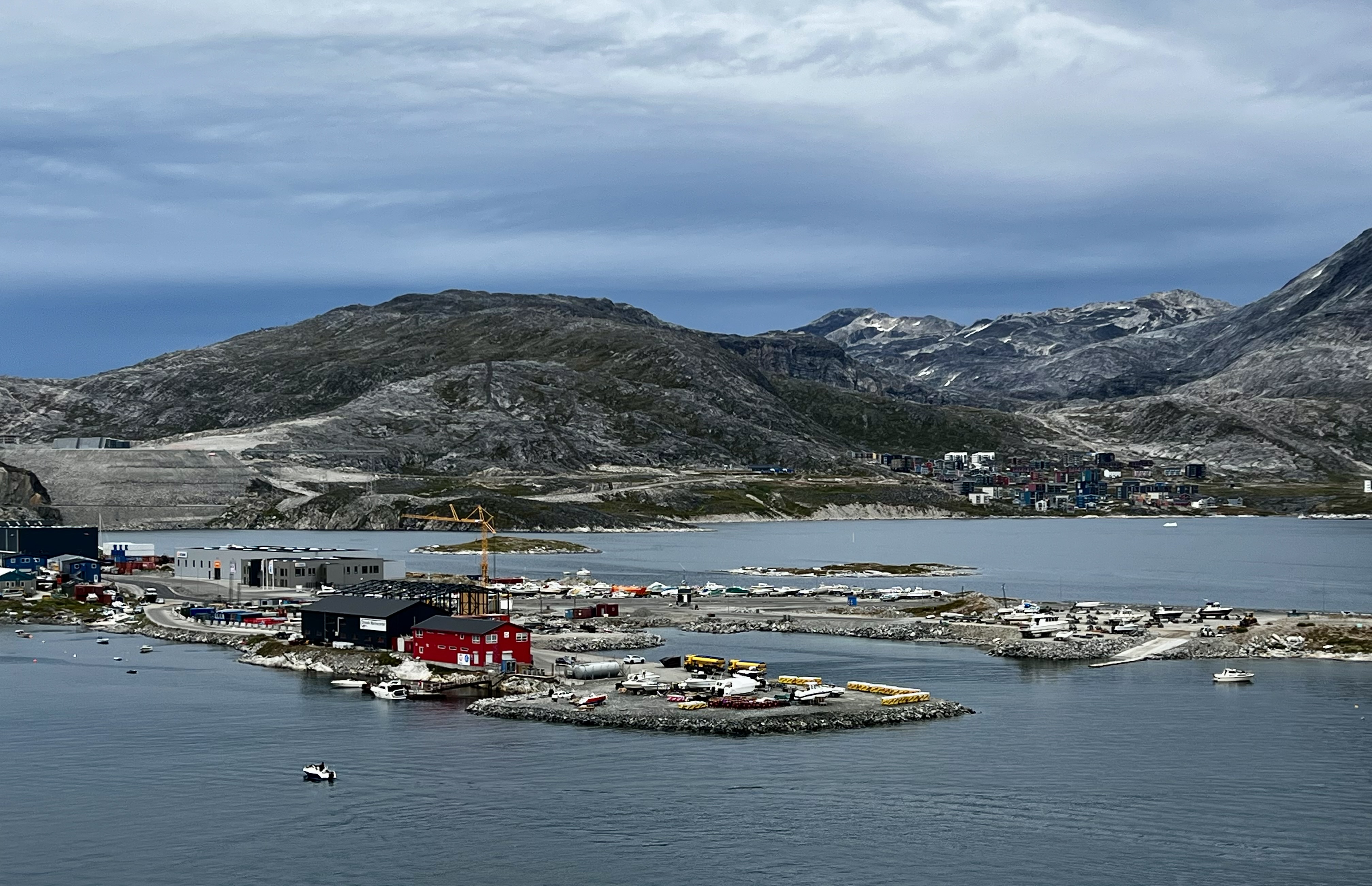
Nanortalik, our final stop in Greenland is a smalll town with the soul of a village. Life here felt active and grounded—people busy with their routines, children heading to school, and curious youngsters trying out English with passing tourists. The older residents smiled as we walked by, many of them tending small stalls filled with beautifully carved handmade goods. The kind that make you want to buy one of everything, just to carry a piece of this place home—but we resisted, if only barely.
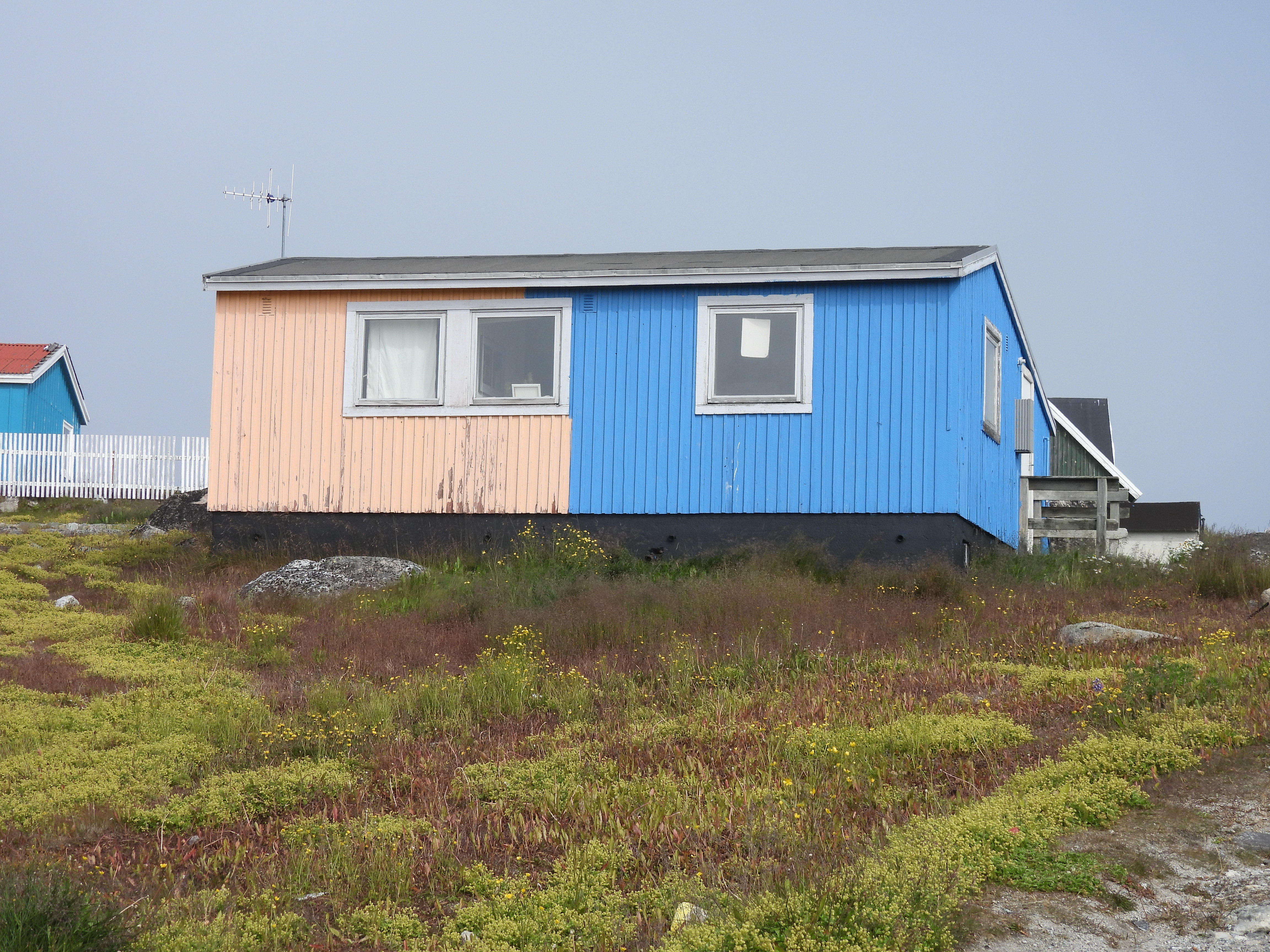
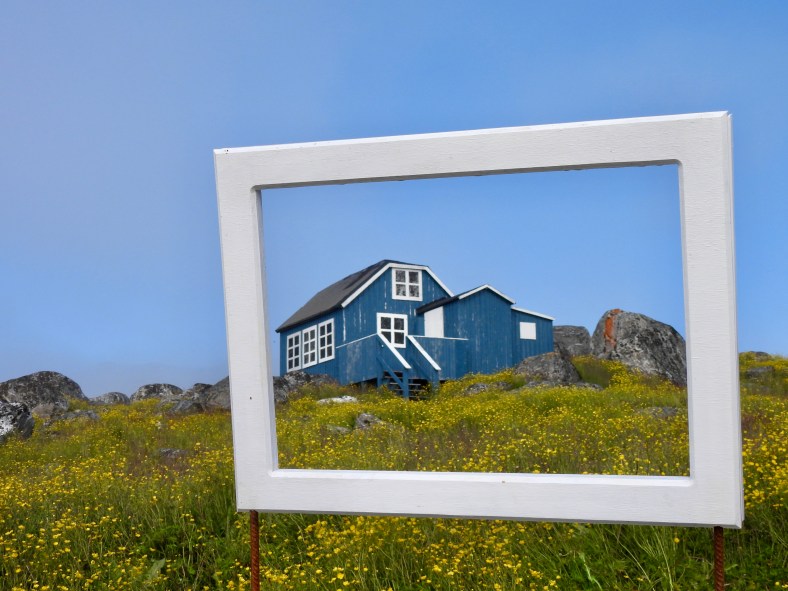
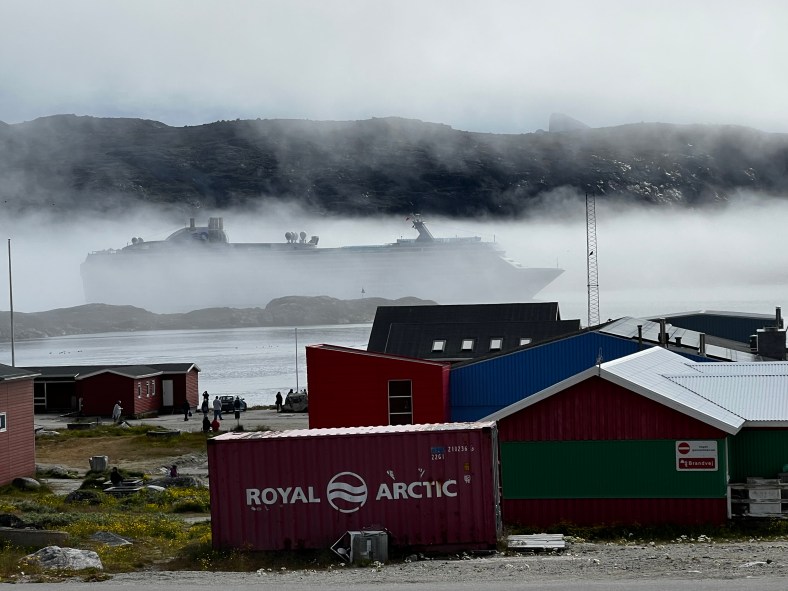
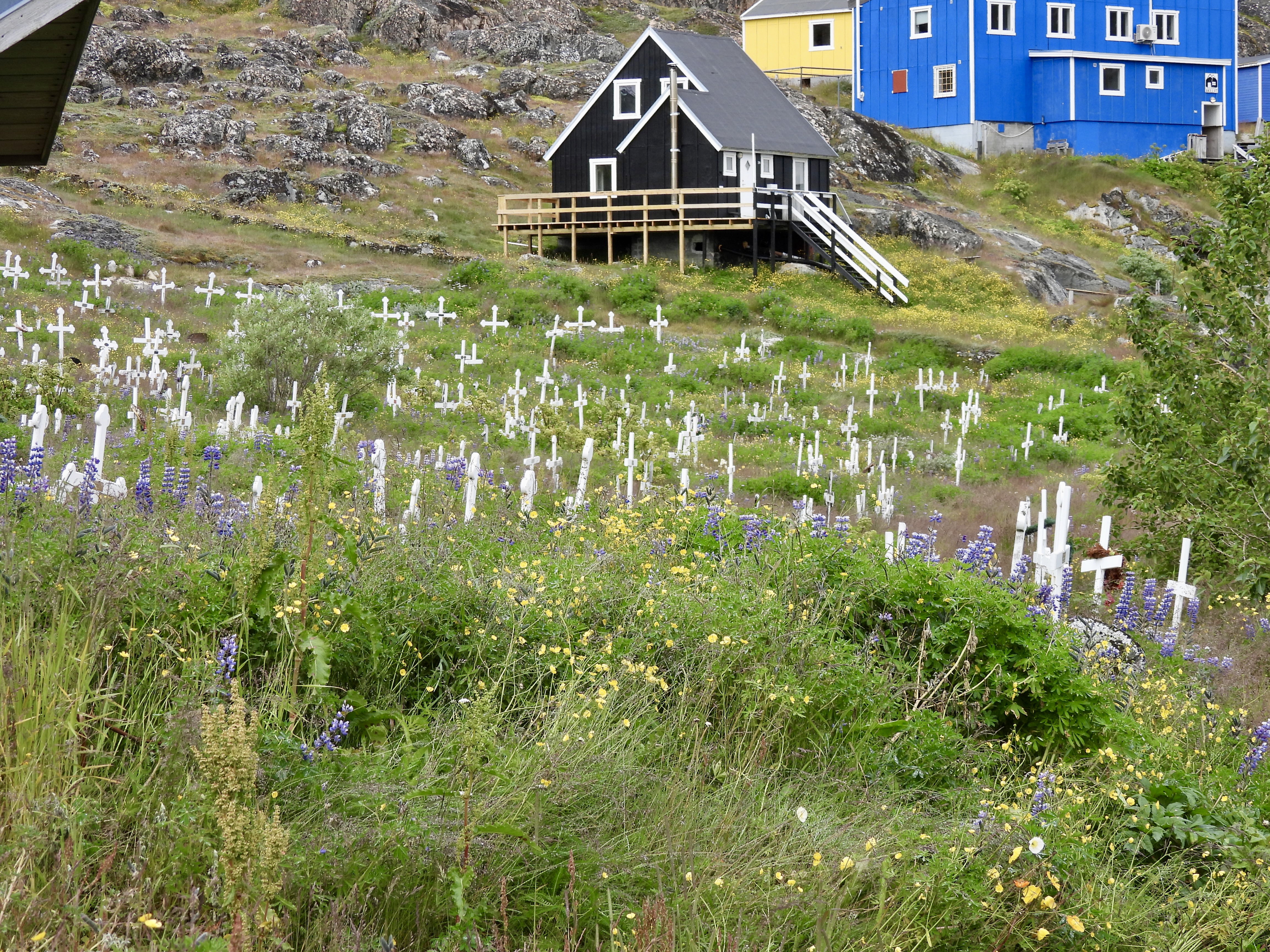
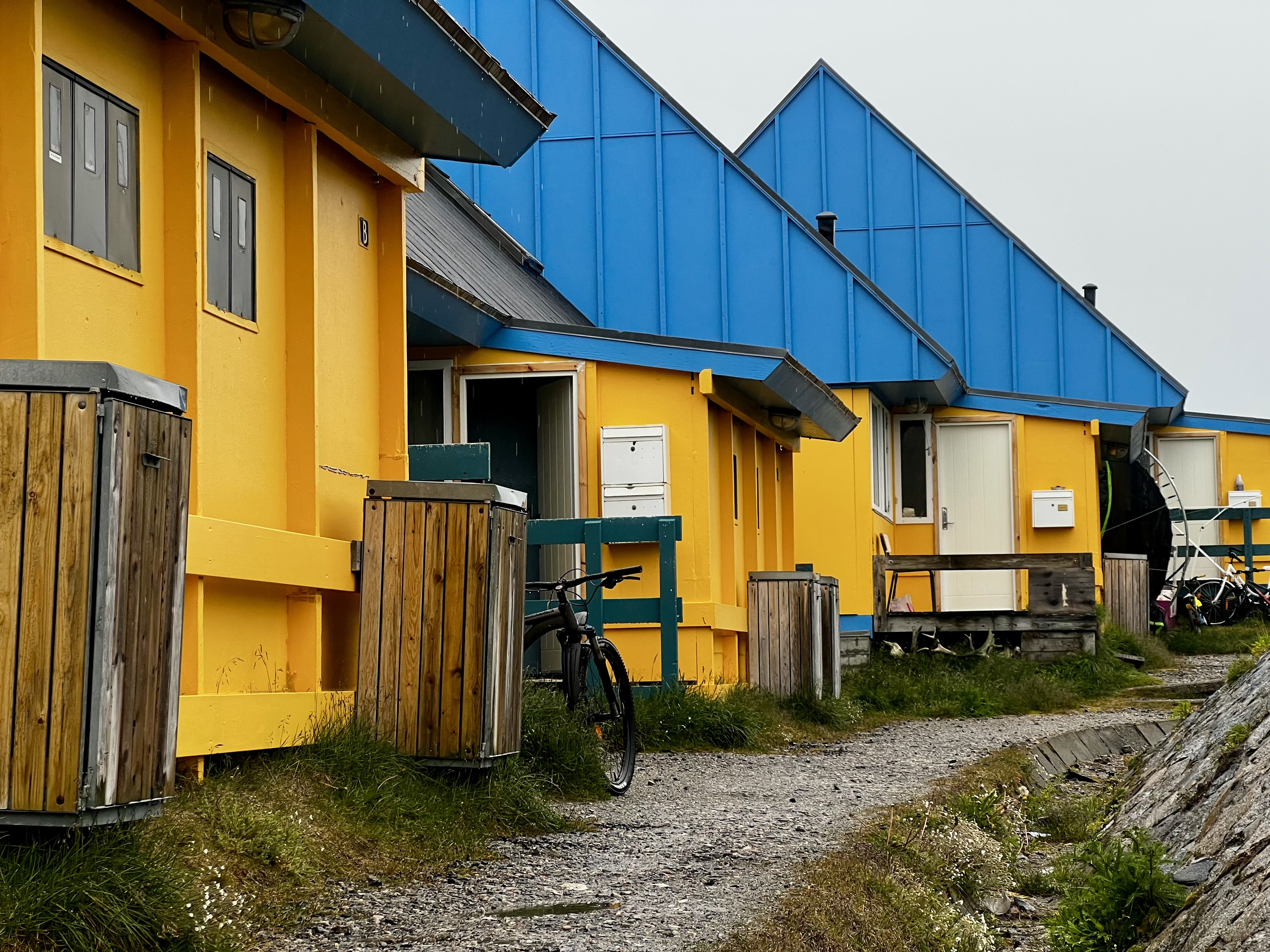
The fog that had lingered all morning began to lift as we explored the town, revealing steep mountains and colorful homes—some painted in two tones, as if the residents couldn’t quite settle on a single shade. It added a quirky charm to the streets, a kind of cheerful indecision that made the town feel even more personal.
We saw several dogs lounging or trotting along the paths, clearly at ease in their domain. And finally—a cat. It was perched near a doorway, tail flicking with impatience, eager to get inside. When someone opened the door, it leapt gracefully onto the banister, immediately claiming its scratching post with triumphant satisfaction. It was a small, joyful moment—the kind that makes a place feel lived-in and loved.
Looking back from shore, the ship remained engulfed in fog, a ghostly silhouette against the clearing sky. It was almost an art piece—sea, mist, and memory suspended in time.
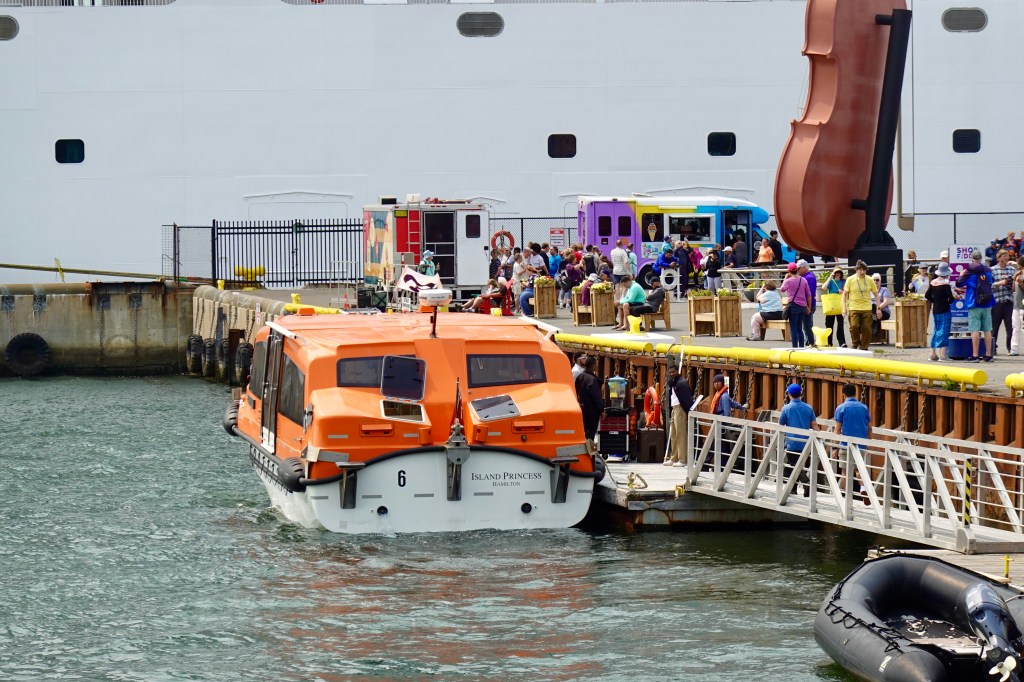
In the early morning, I stepped onto the balcony and watched the water shuttle bobbing below, preparing to transport passengers to shore. It’s never been my favorite way to disembark—something about the awkward shuffle and the splashy uncertainty—but today, something felt different.
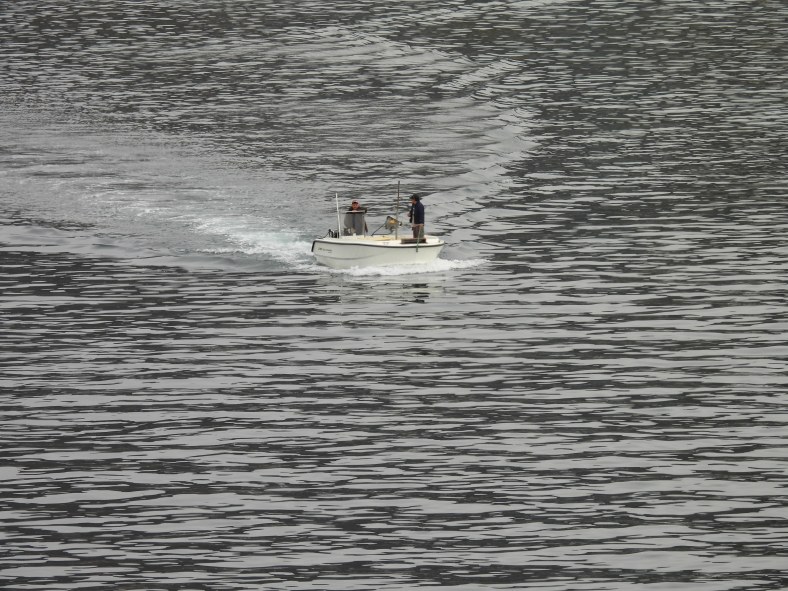
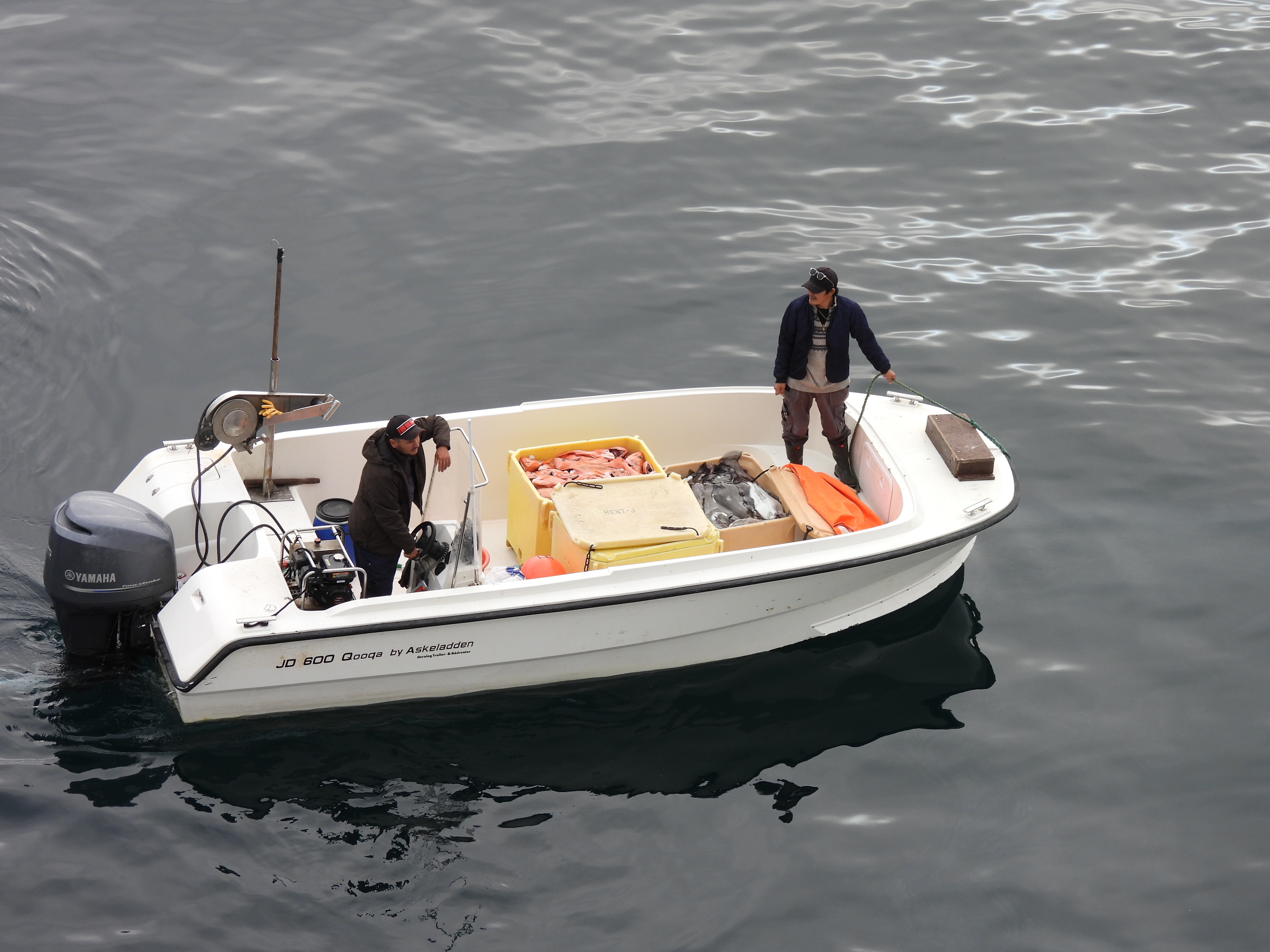
Two fishermen circled the cruise ship in a small boat, as if searching for its front door. Their catch lay glistening in the morning light: one fish unmistakably a red snapper, the other a flat, dark specimen—perhaps a flounder or some local cousin of it. I wondered if their delivery was destined for our dinner!
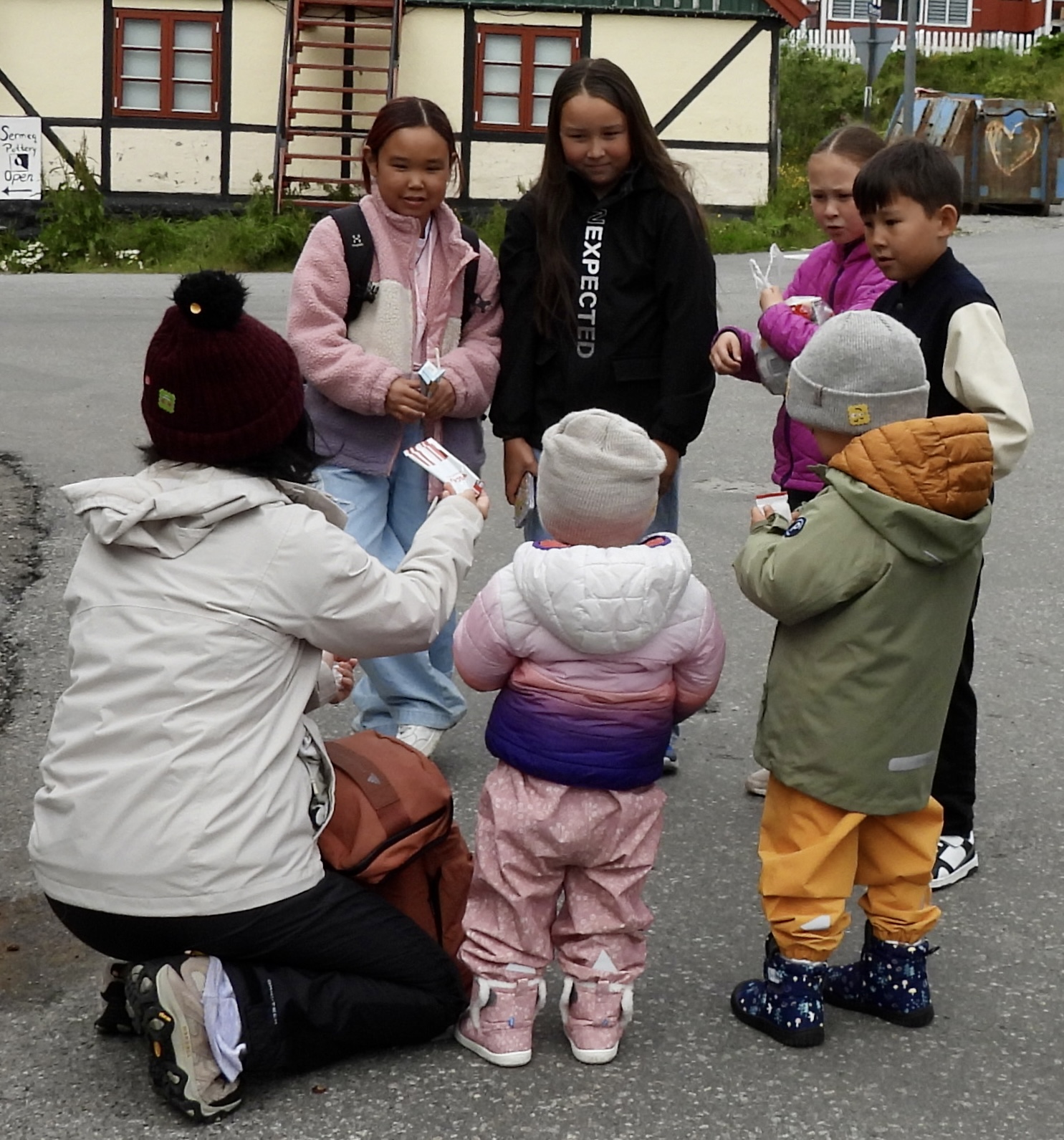
Once ashore, Qaqortoq greeted us with a quiet vibrancy. Unlike some of the more remote stops on our journey, this town felt lived-in. Children walked to school with backpacks bouncing, families strolled the streets, and cheerful youngsters tried out their English on passing tourists. There was a sense of rhythm here, of daily life unfolding with gentle pride.
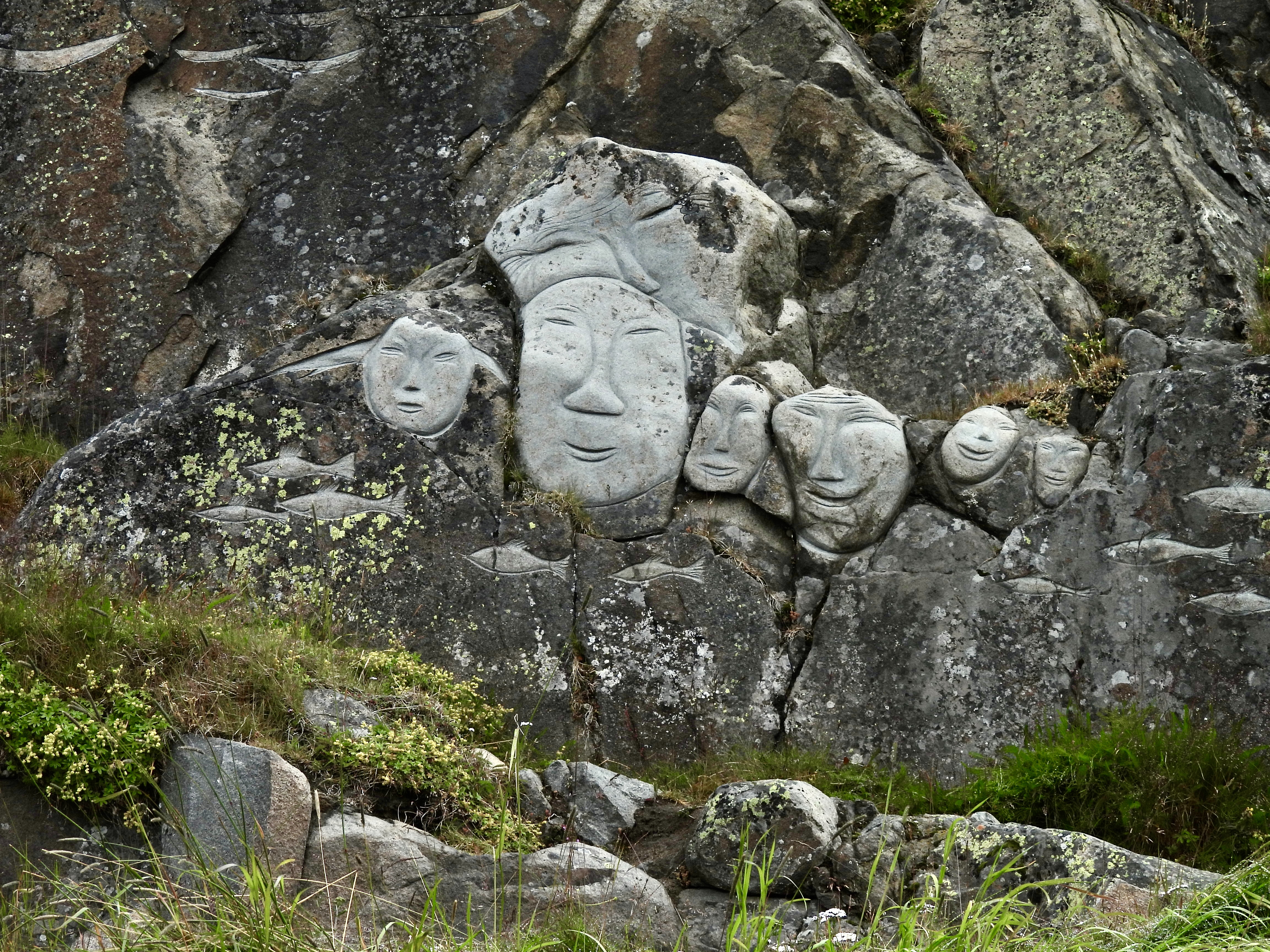
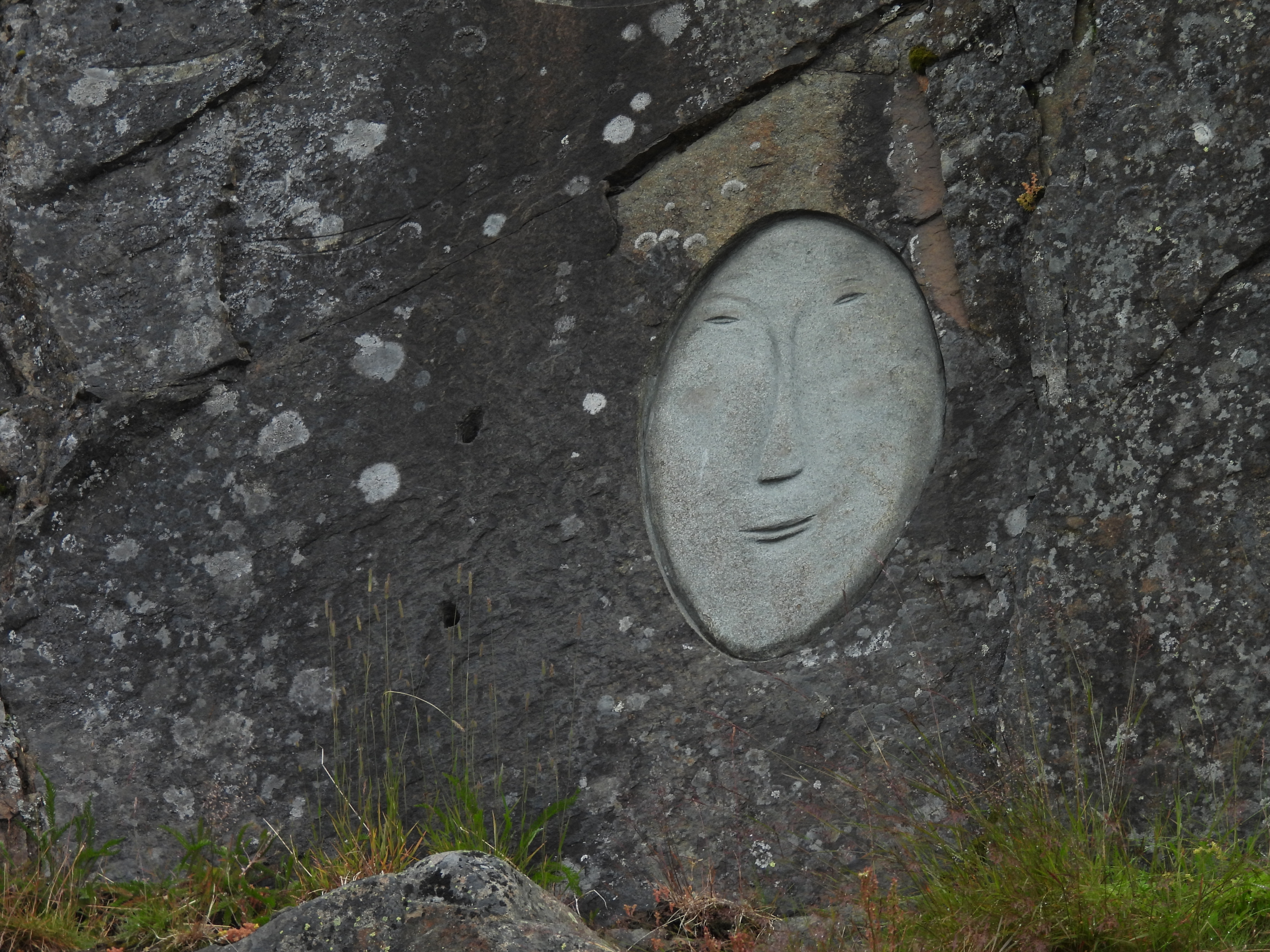
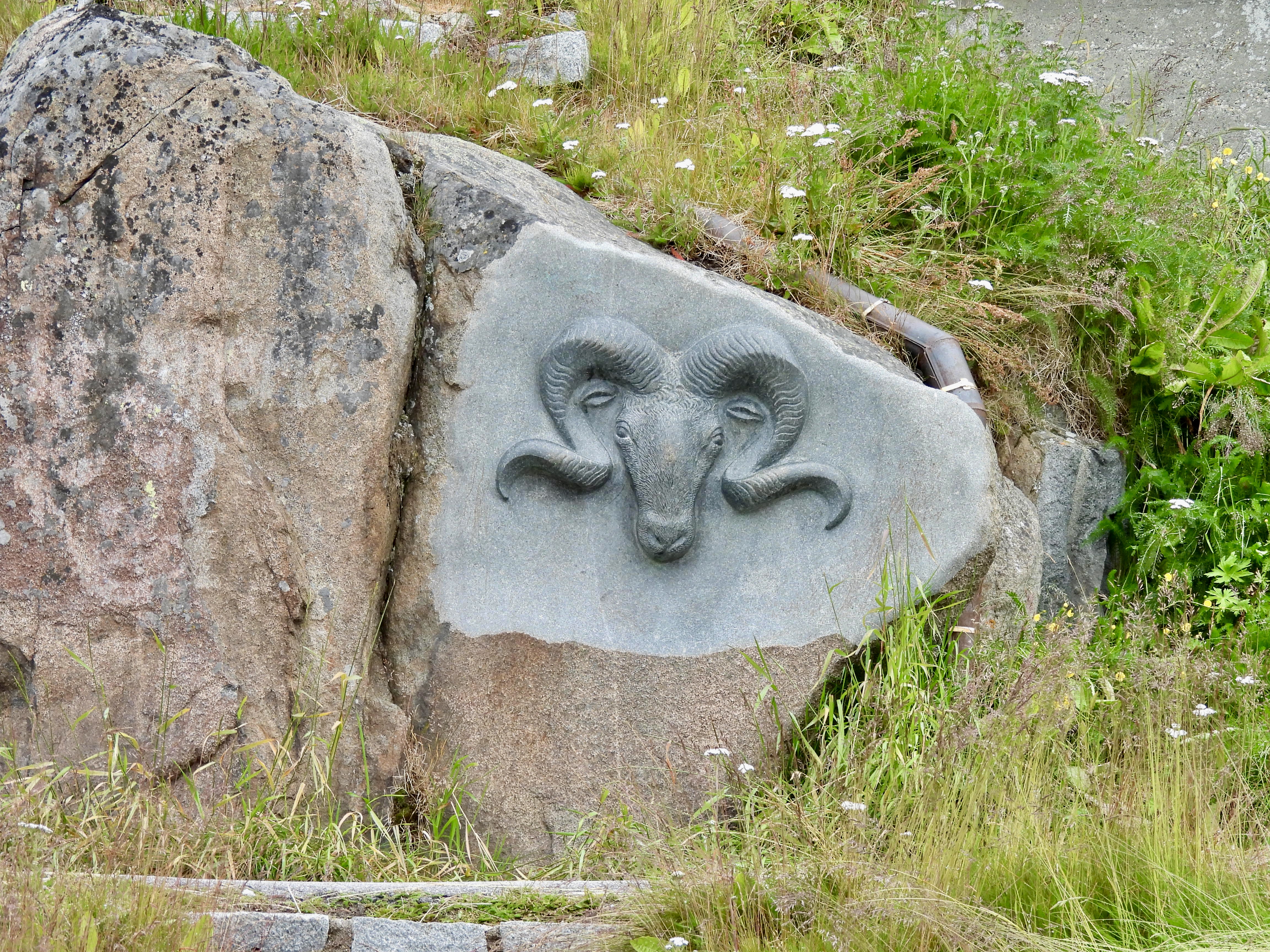
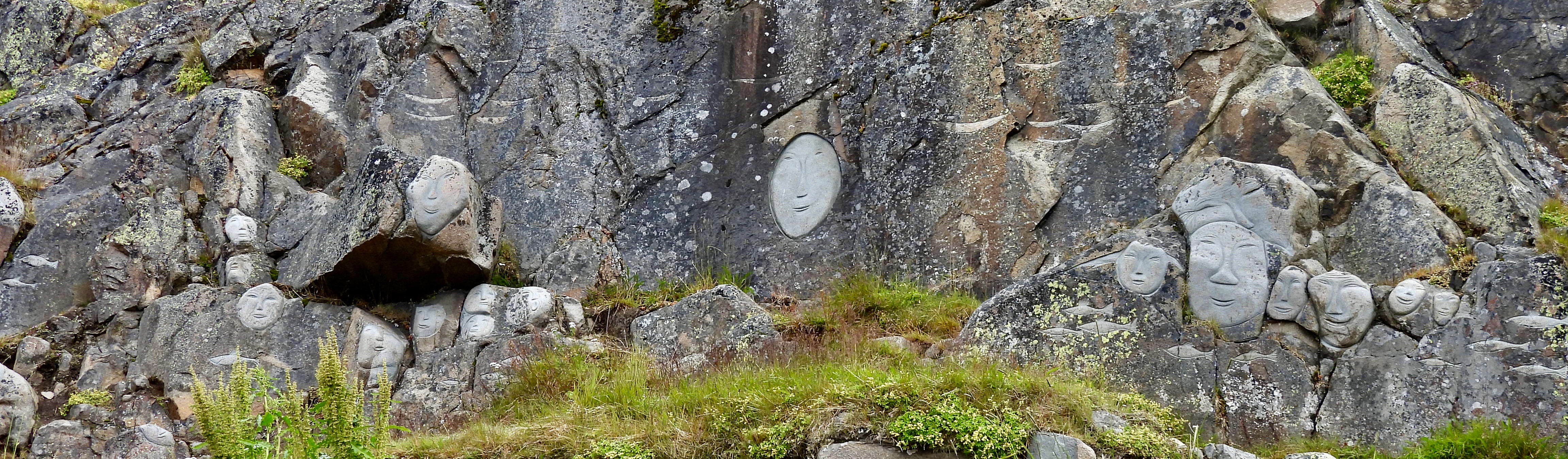
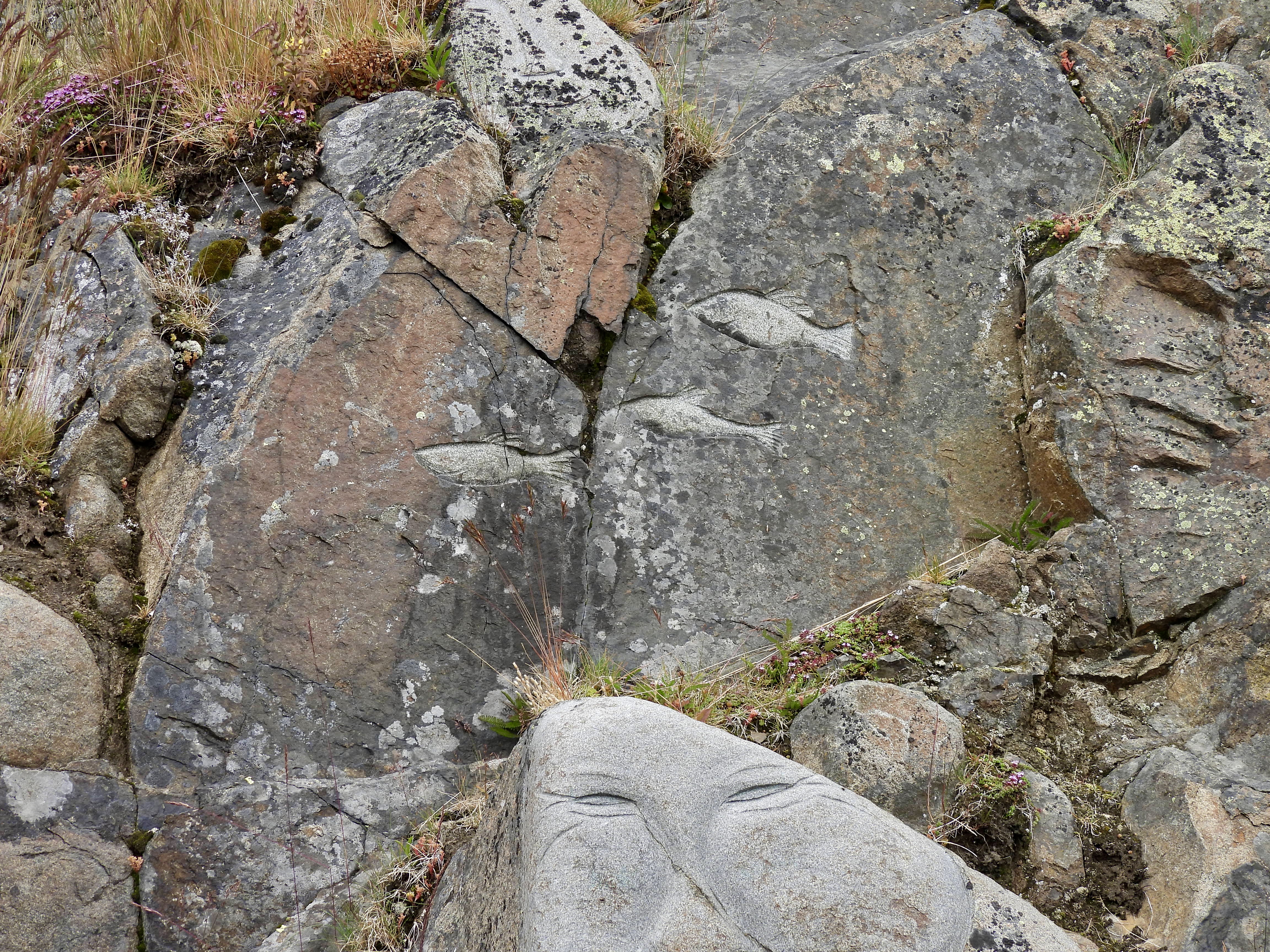
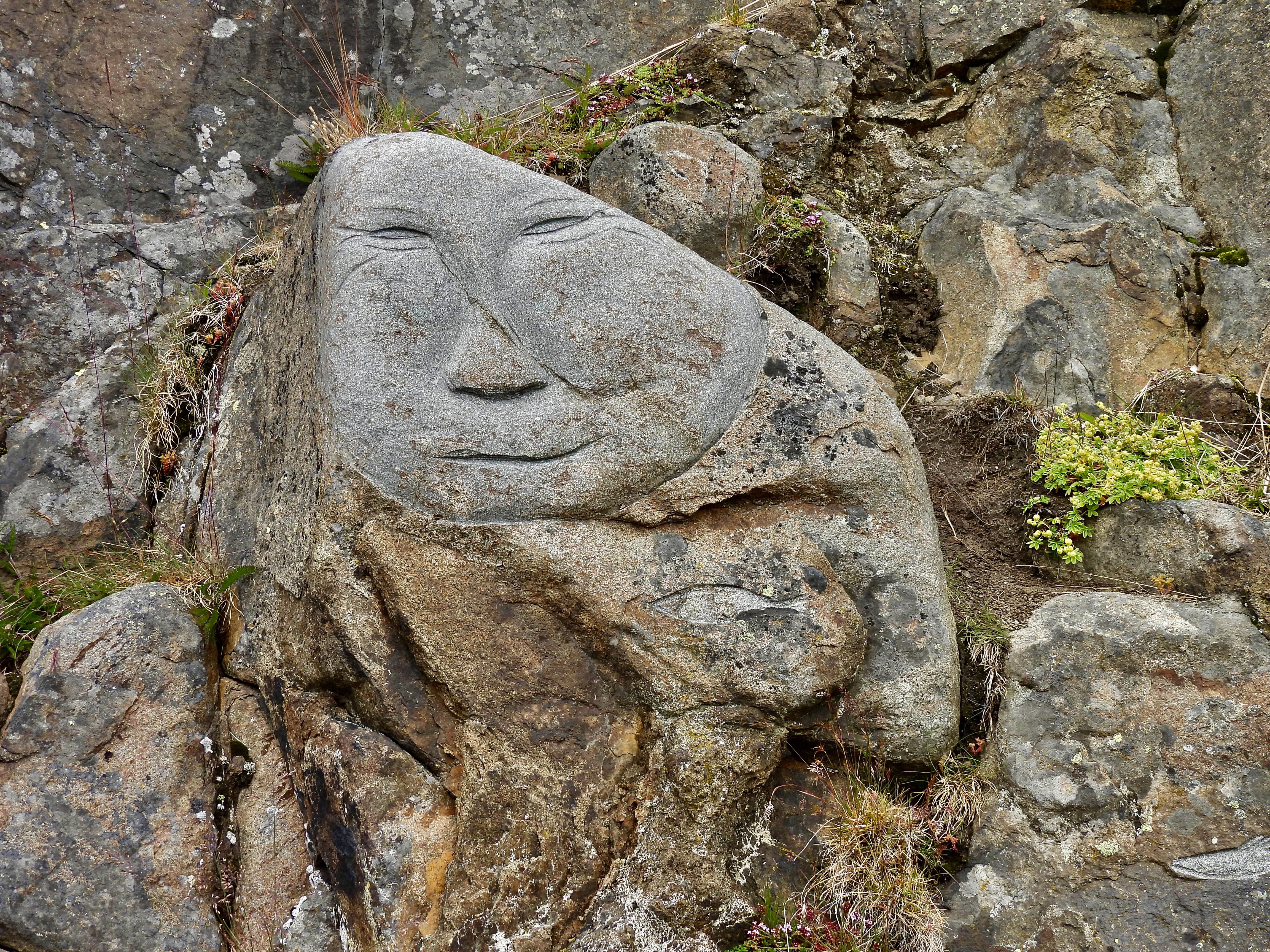
We wandered past homes painted in bold, cheerful colors—bright blues, barn reds, and sunny yellows—that stood out against the muted landscape like confetti on stone. Along the way, we paused to admire the town’s signature carvings—faces, whales, and symbols etched into boulders as part of the Stone & Man art project. Each carving felt like a whisper from the land, a story told in granite. The day passed easily, with friendly exchanges and quiet moments.
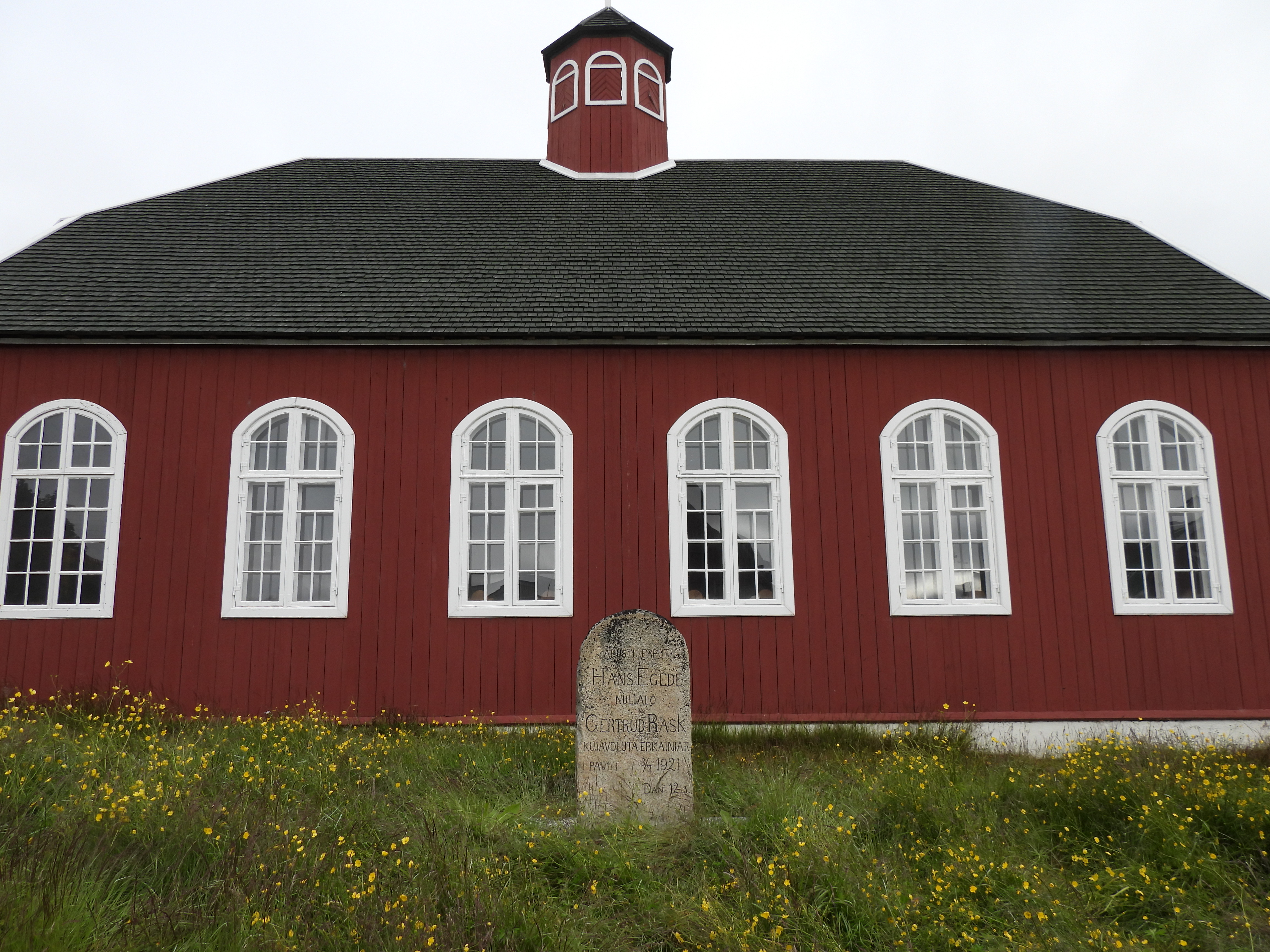
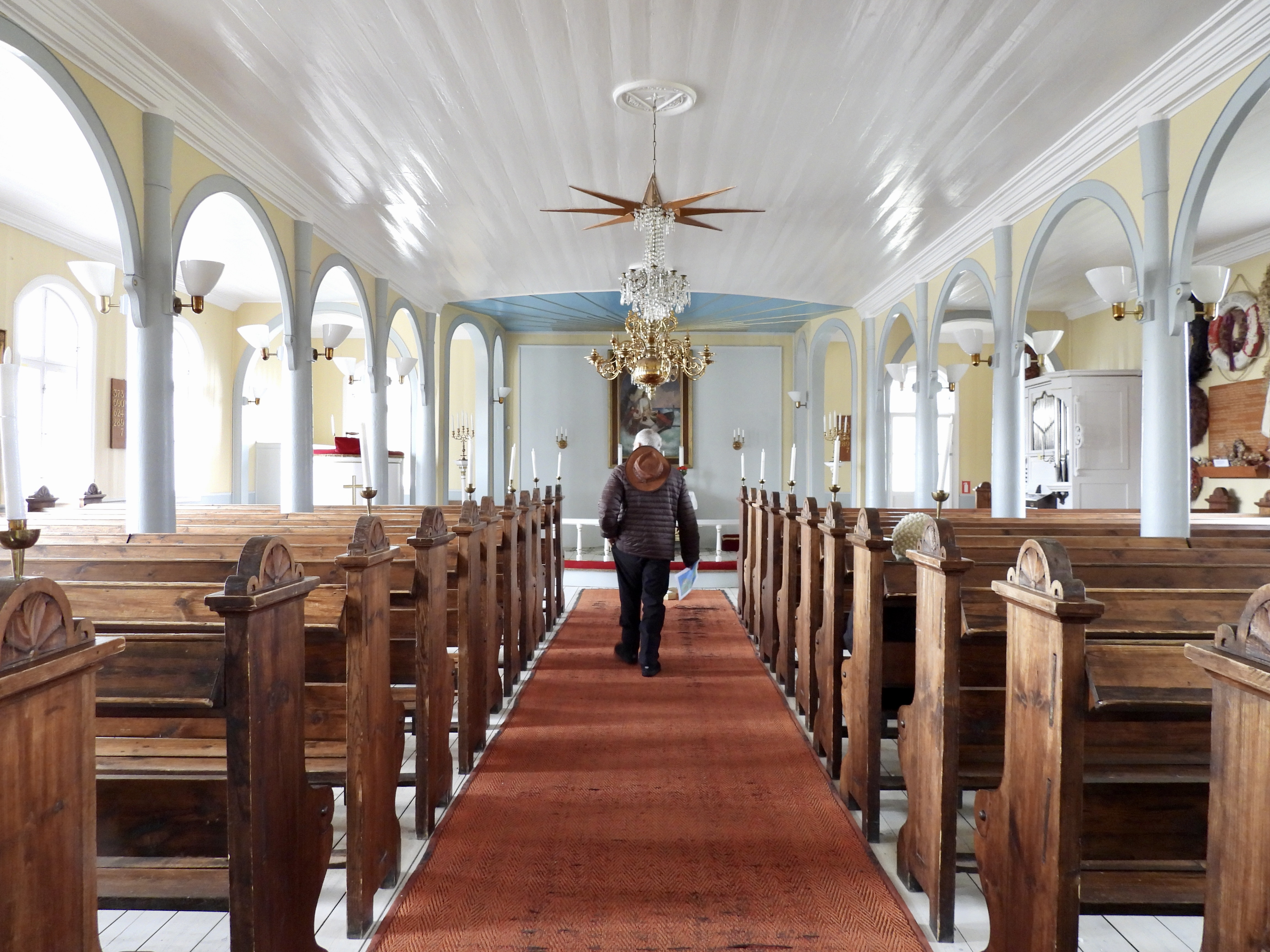
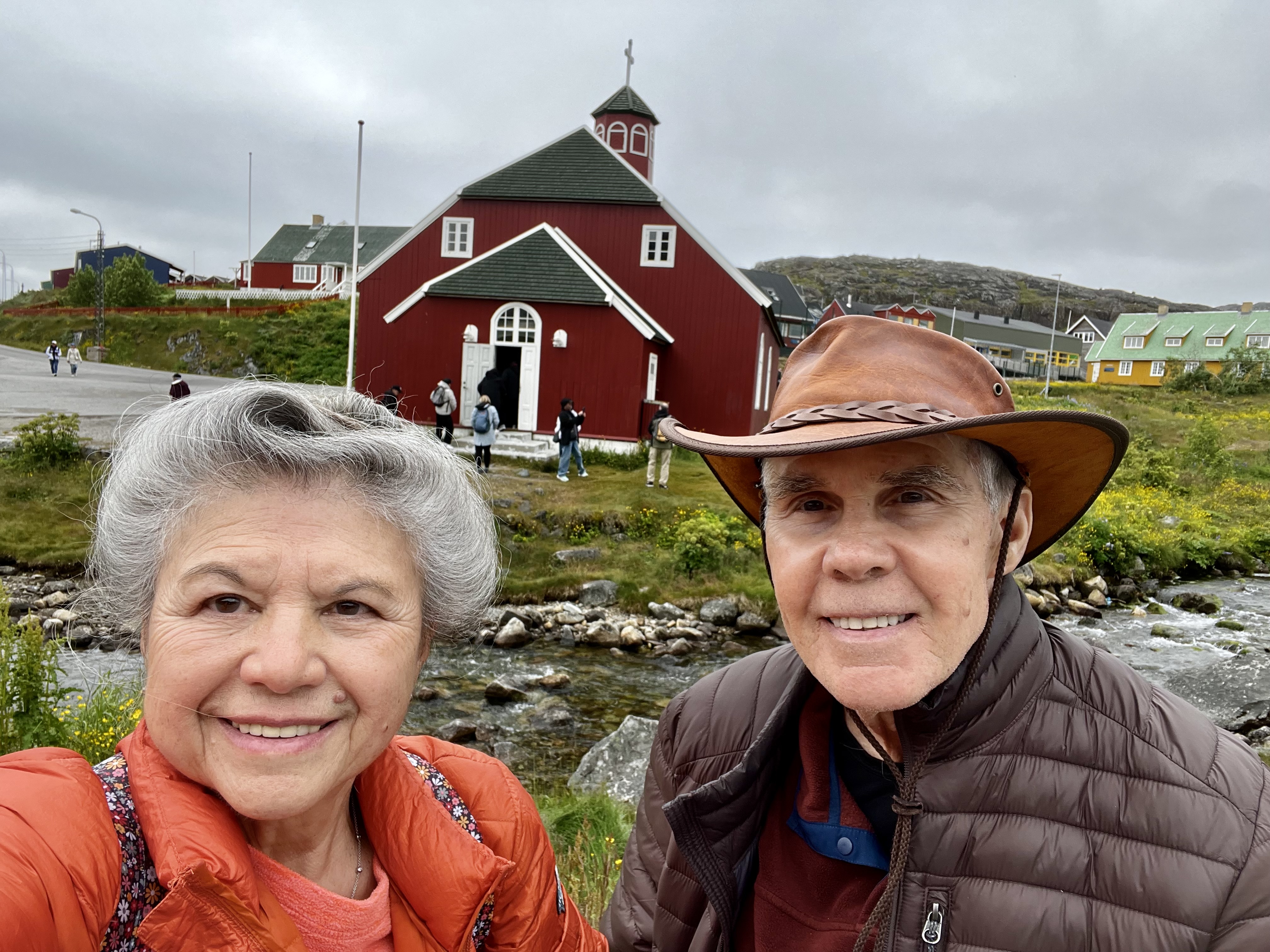
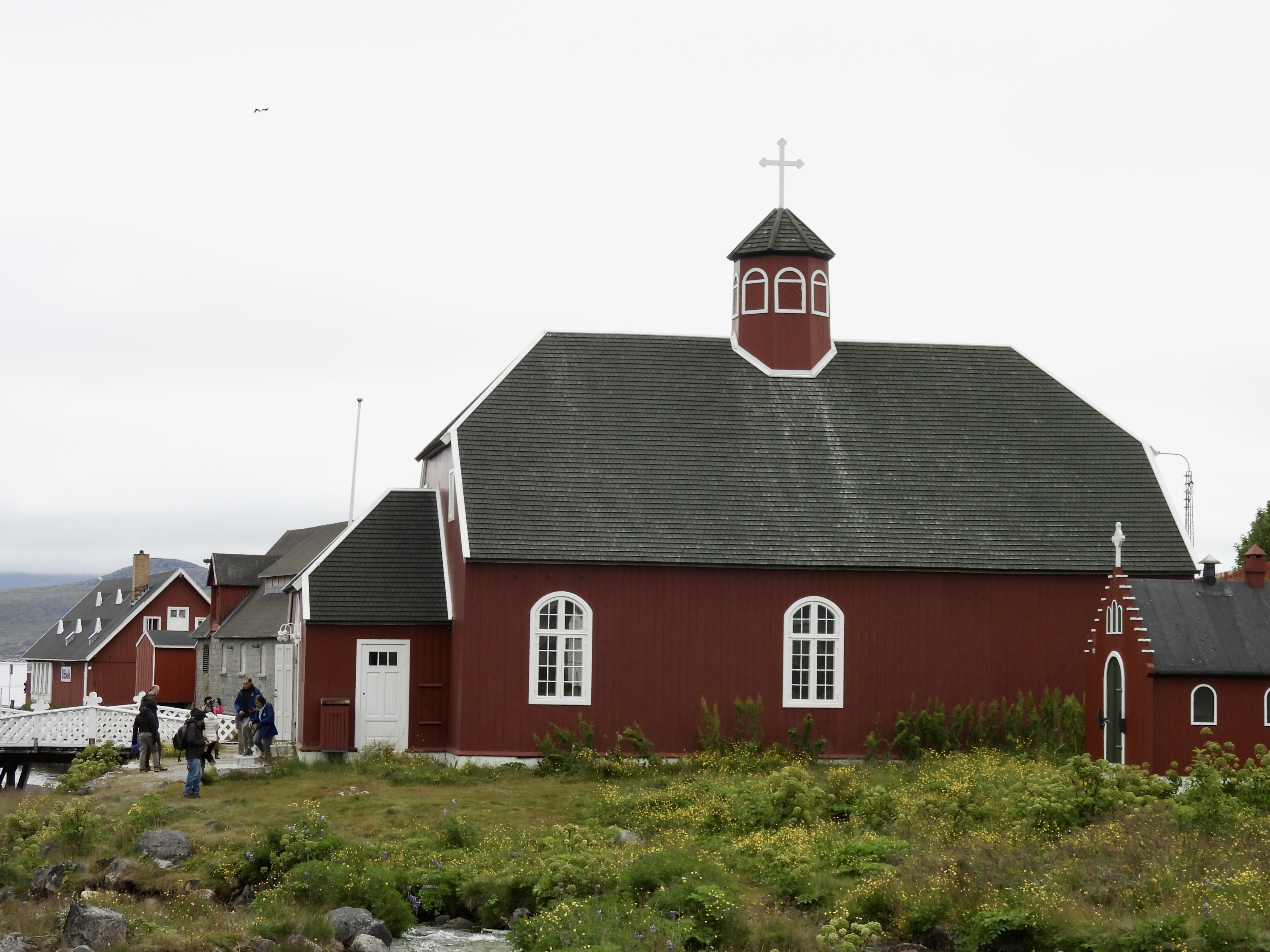
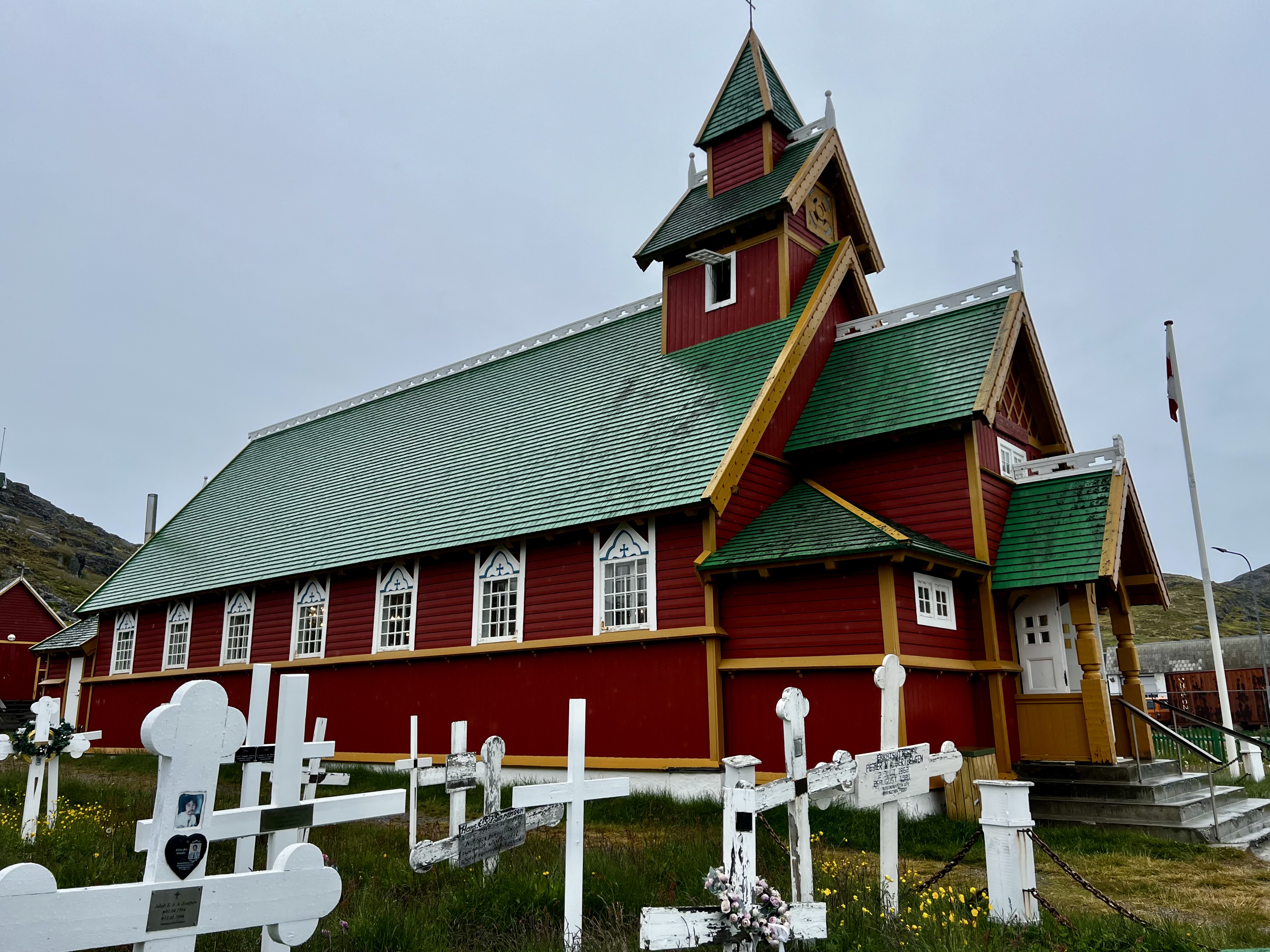
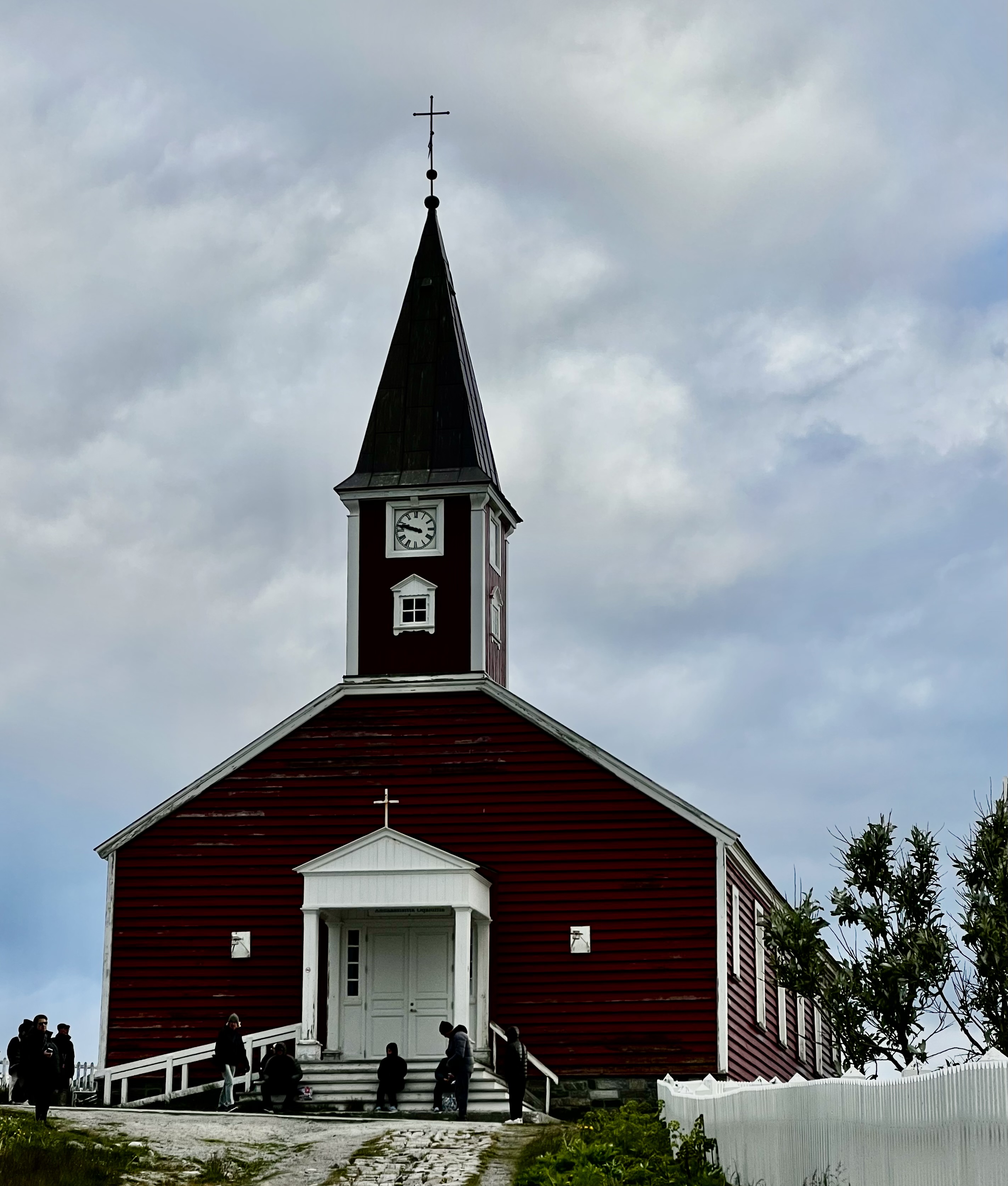
In the heart of Qaqortoq’s old colonial harbor district stands the Church of Our Saviour, a striking red wooden Lutheran church built in 1832. Commissioned by Danish missionaries and the city of Drammen in Norway, it has served as a spiritual anchor for the town for nearly two centuries. Inside, a model of the royal trade ship Hvalfisken hangs from the ceiling, and a commemorative lifebuoy honors the ill-fated M/S Hans Hedtoft, which sank in 1959 with only that buoy ever recovered.
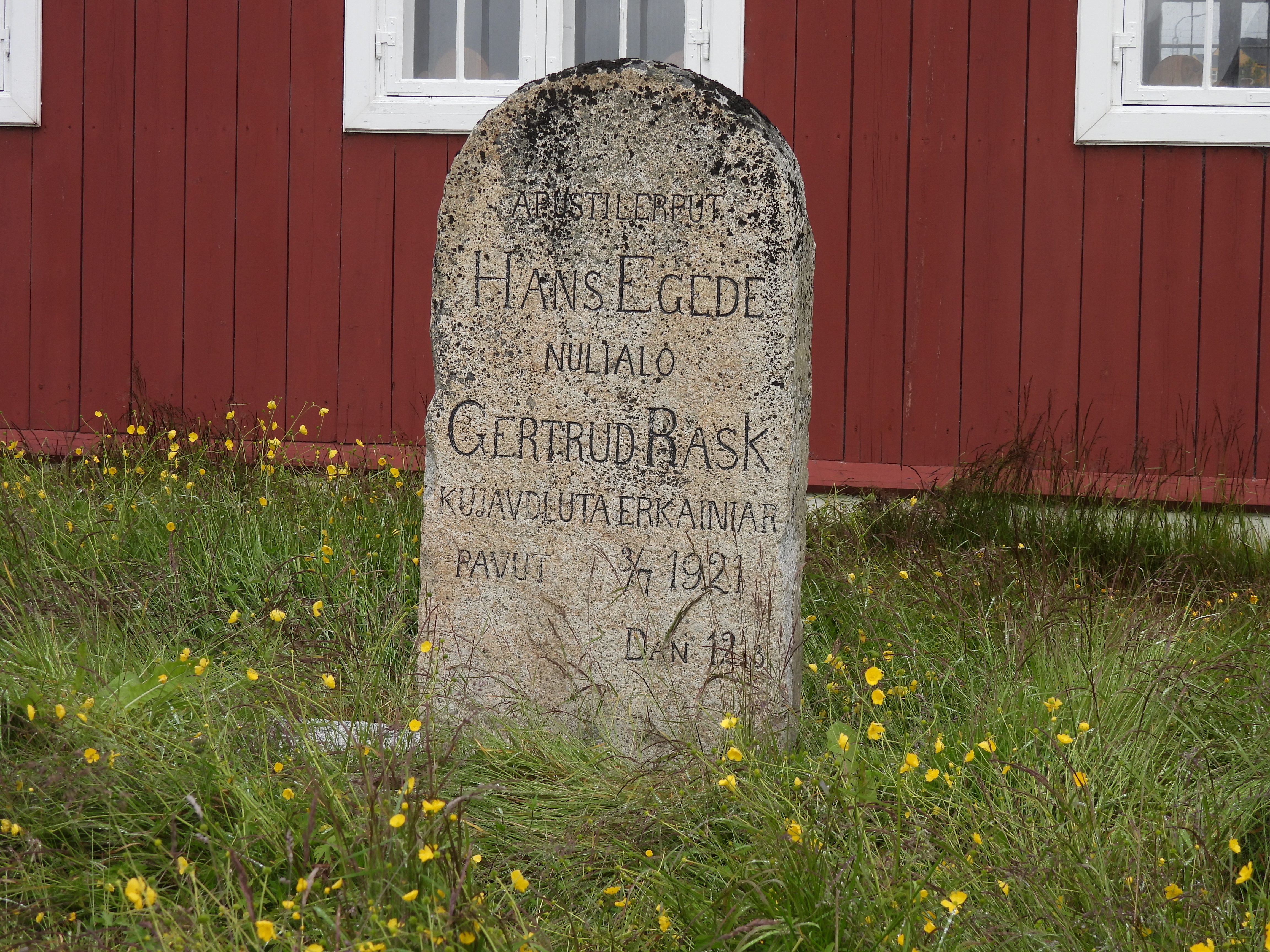
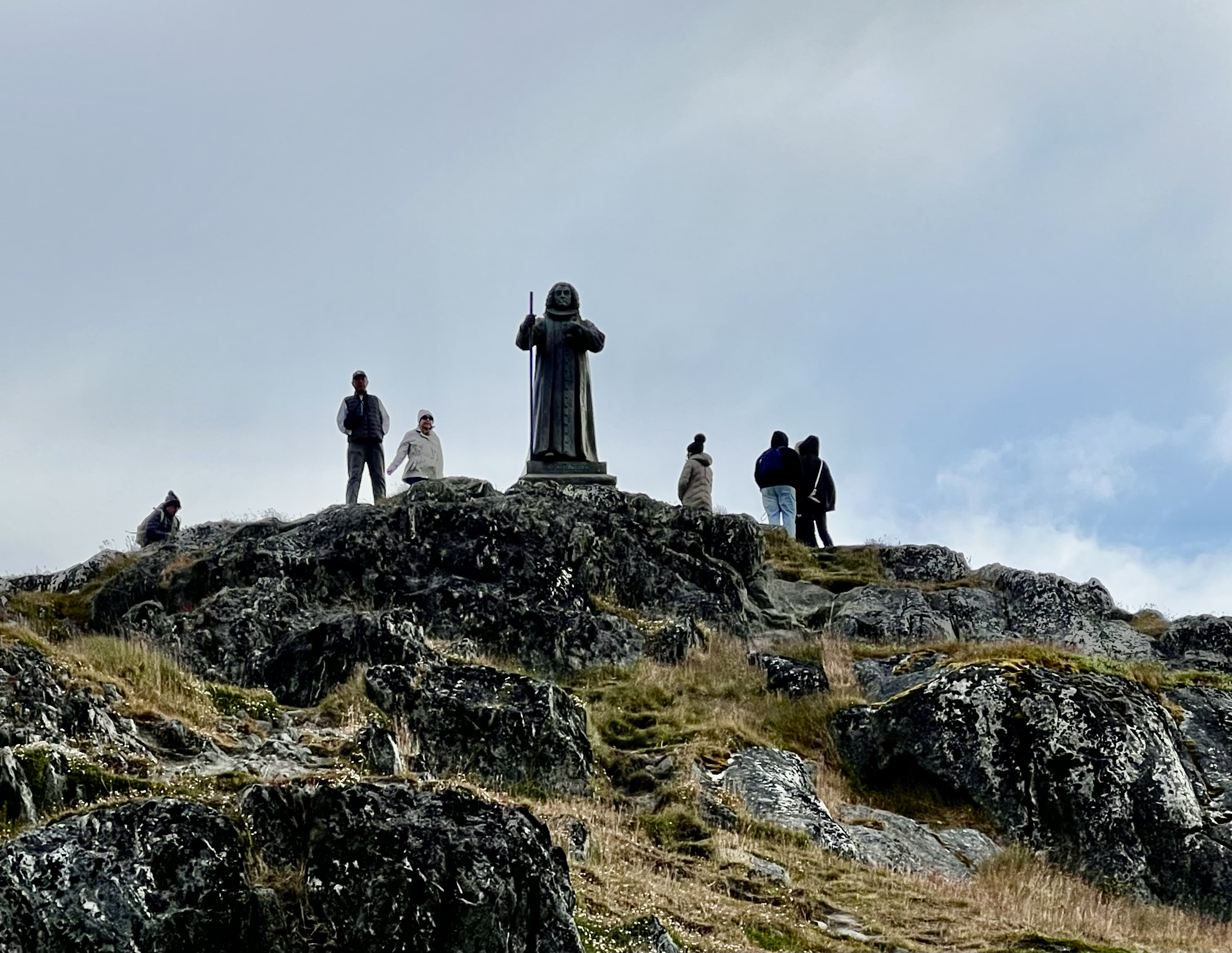
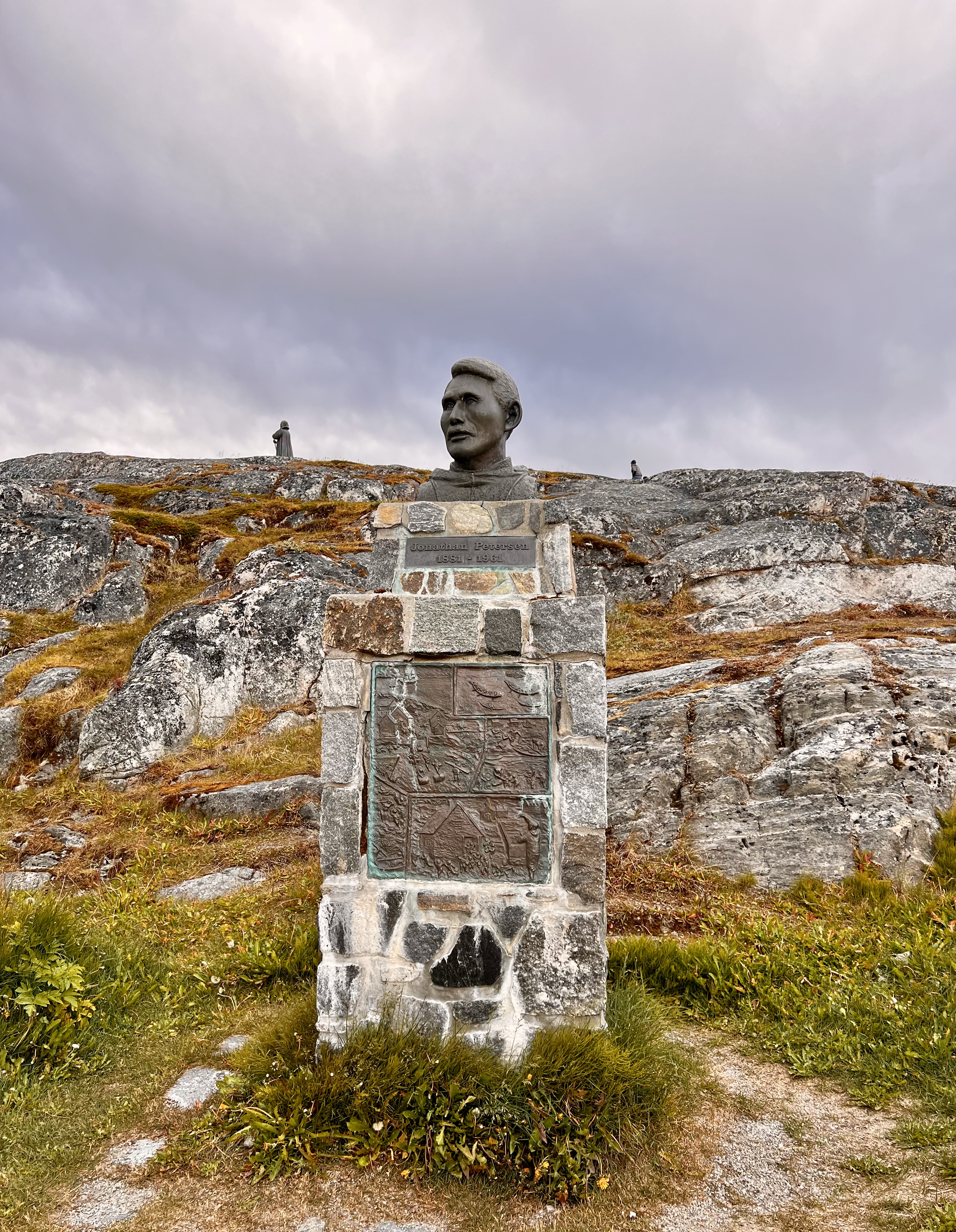
Outside the church, a memorial stele honors missionary Hans Egede and his wife Gertrud Rask, whose legacy shaped much of Greenland’s early Christian history. Though they are not buried here, their presence is felt in the quiet reverence of the grounds.
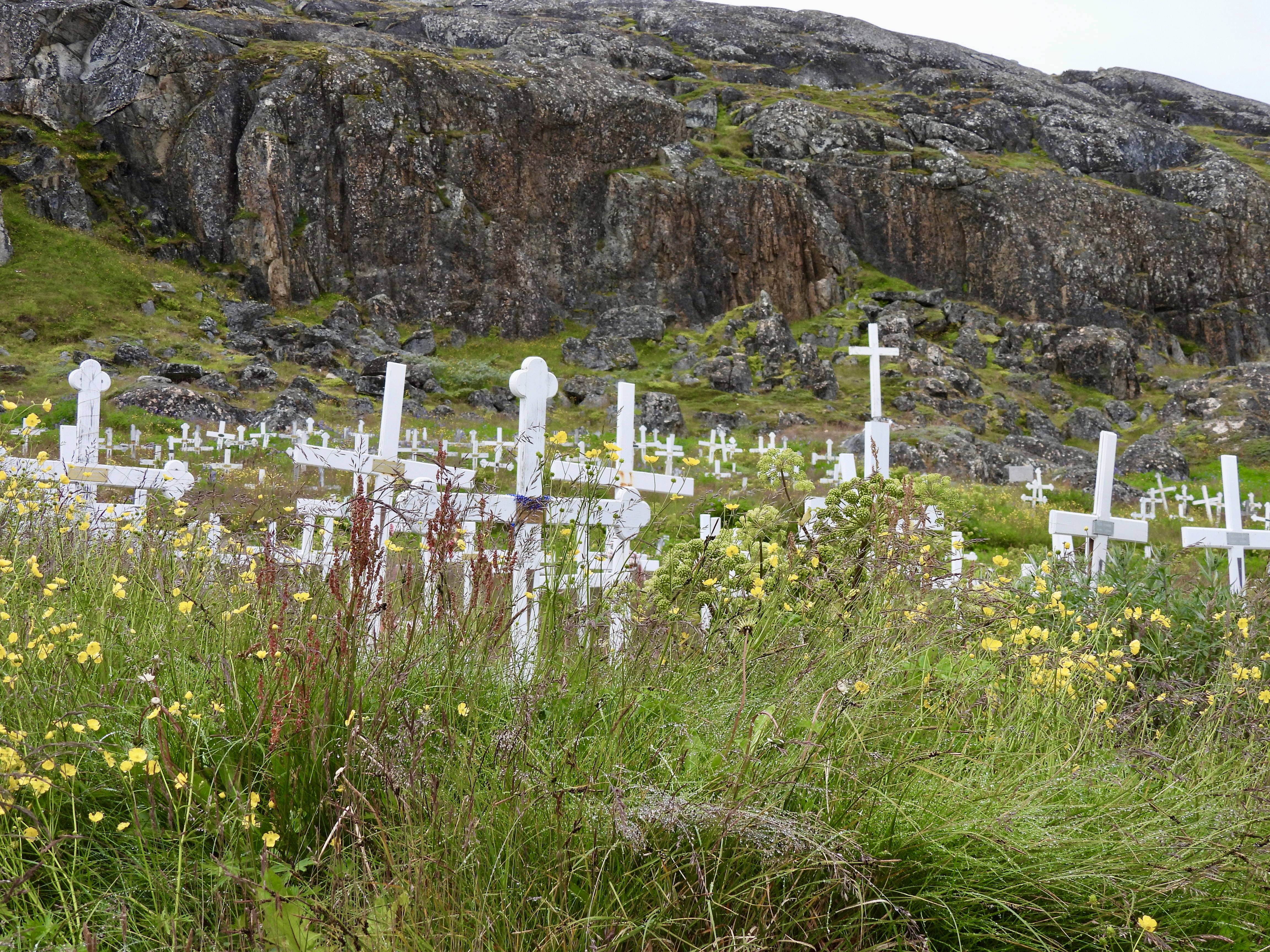
The nearby cemetery is simple and poignant—wooden crosses with brass nameplates, some adorned with plastic flowers or personal tokens. Many graves are outlined with stones, echoing ancient Viking burial traditions. It’s a place where history, memory, and daily life quietly converge.
And then, as if the morning had looped back to greet us, I spotted red snapper on the dinner menu aboard the ship. I couldn’t help but smile. Was it the same fish I’d seen delivered this morning? Maybe. Maybe not. But the connection felt real—sea to shore, stranger to friend, morning to night.
Qaqortoq didn’t just welcome us. It invited us in.
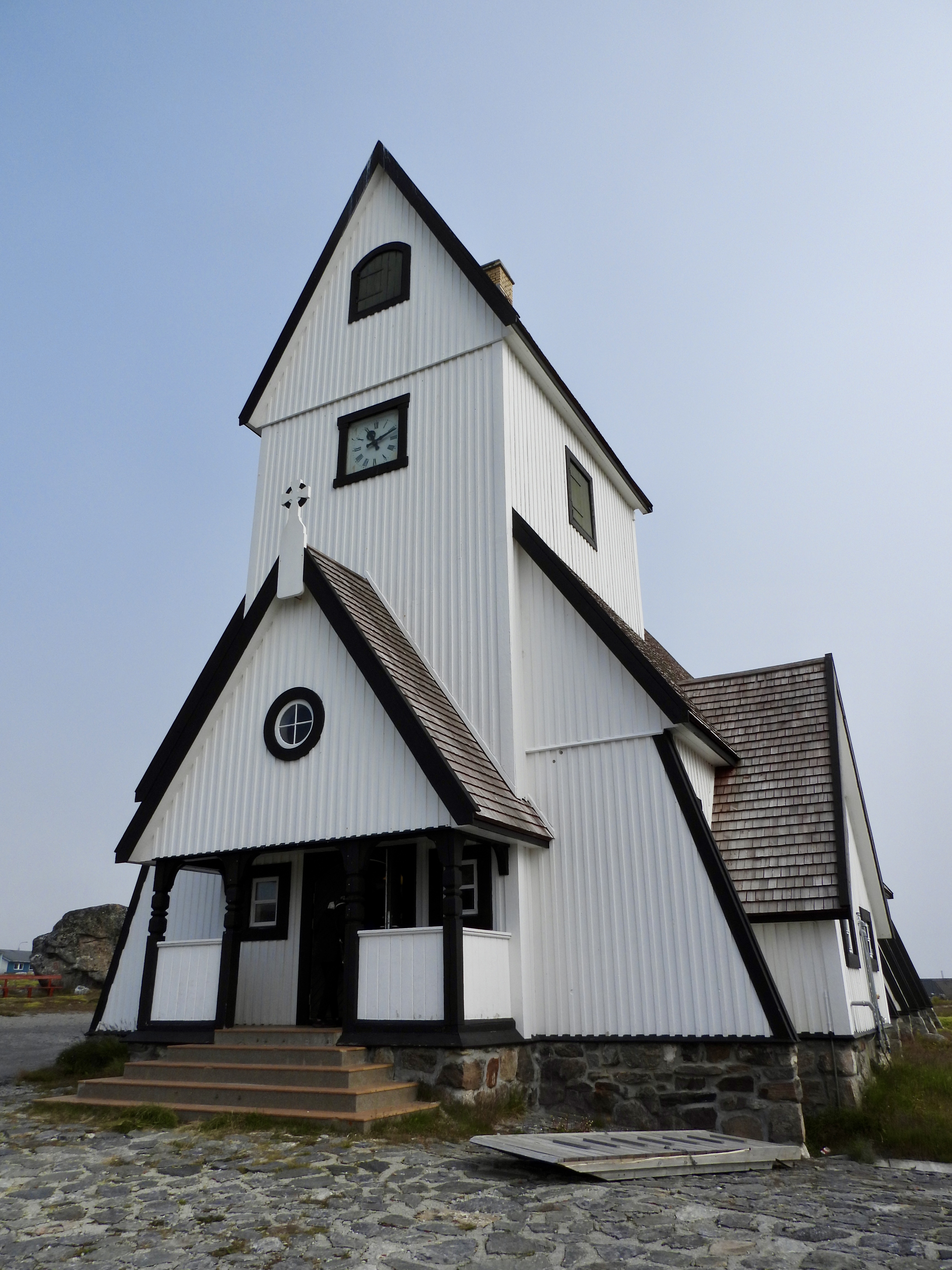
Paamiut, nestled on Greenland’s southwest coast, is a town steeped in history and quiet beauty. Founded in 1742 and once known as Frederikshåb, its name—“they who reside by the mouth”—reflects its location at the mouth of the Kvanefjord. With its colorful wooden houses, the striking Stave Church, and a deep-rooted maritime culture, Paamiut offers a glimpse into Greenlandic life shaped by fishing, hunting, and the rhythms of the sea.
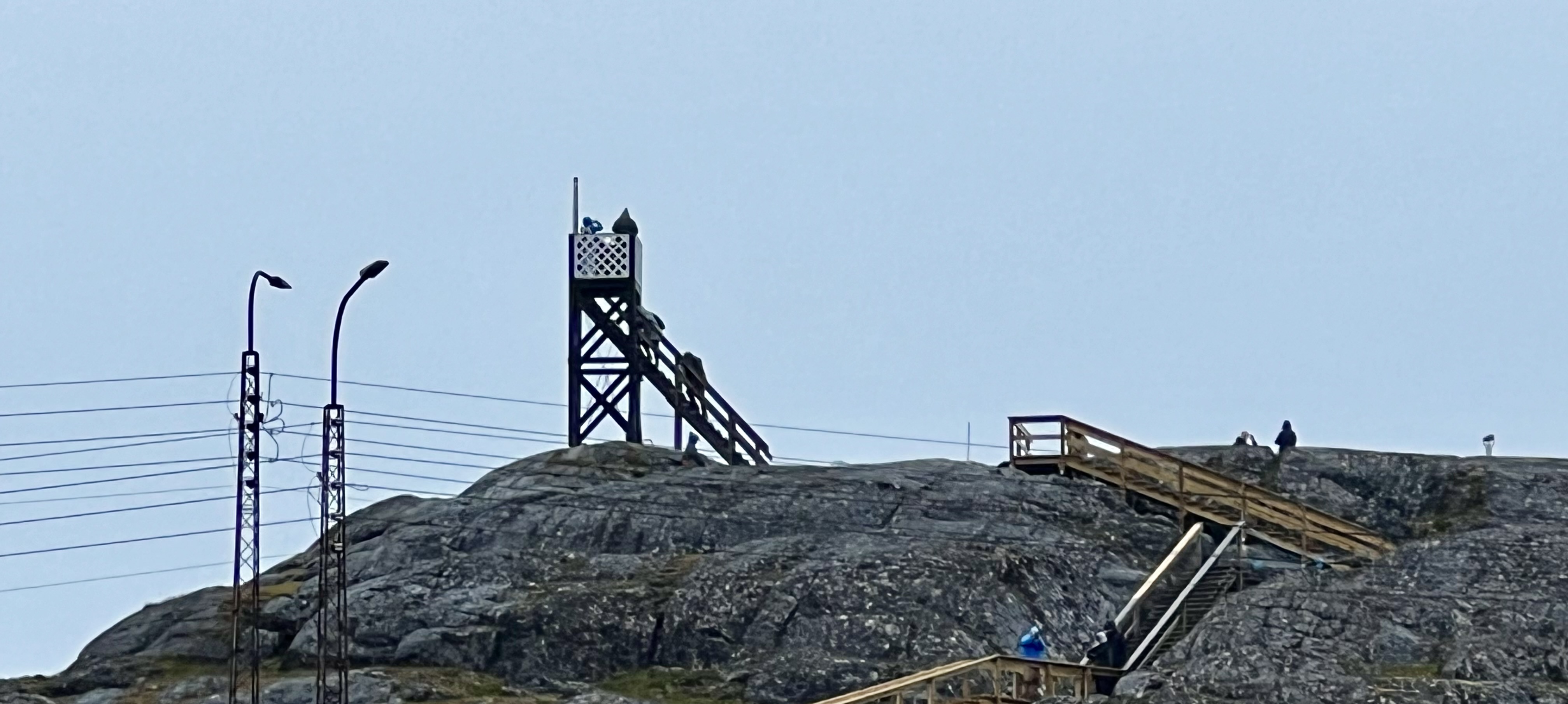
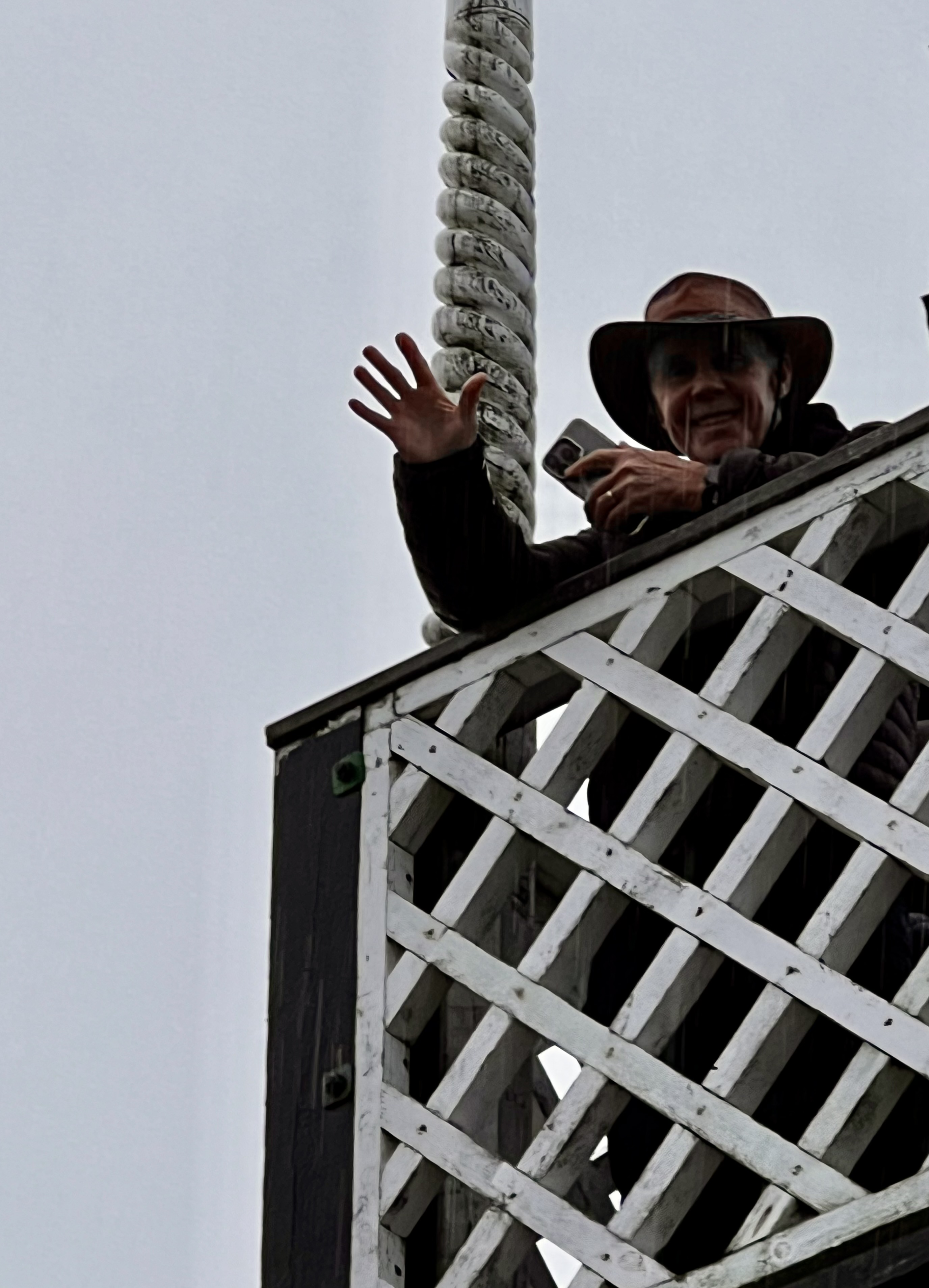
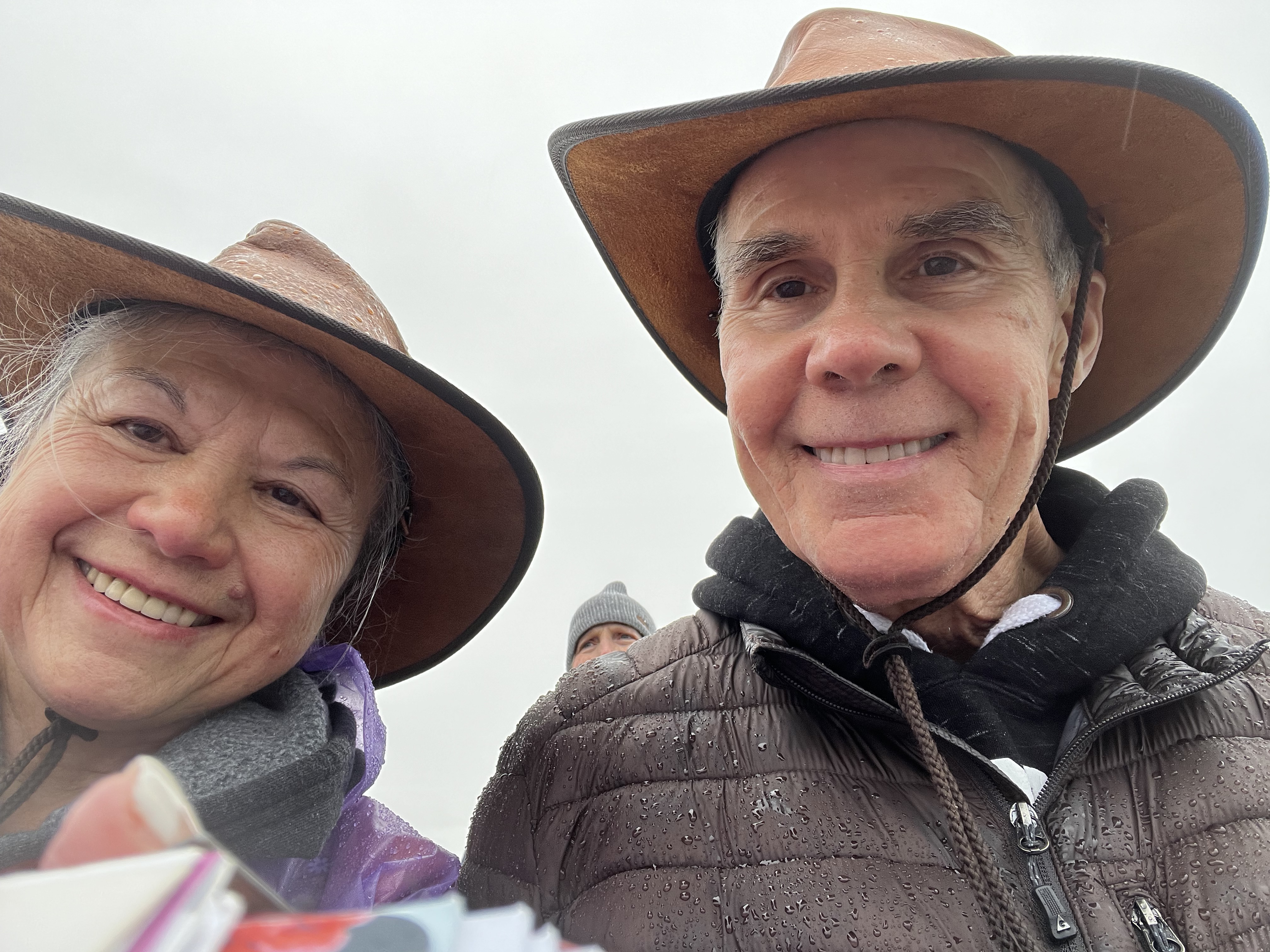
On a misty morning, we took the water shuttle ashore, greeted by the soft hush of rain and the gentle charm of the town. We wandered through quiet streets, past homes painted in cheerful hues, and felt the stillness that seems to linger in places shaped by wind and weather.
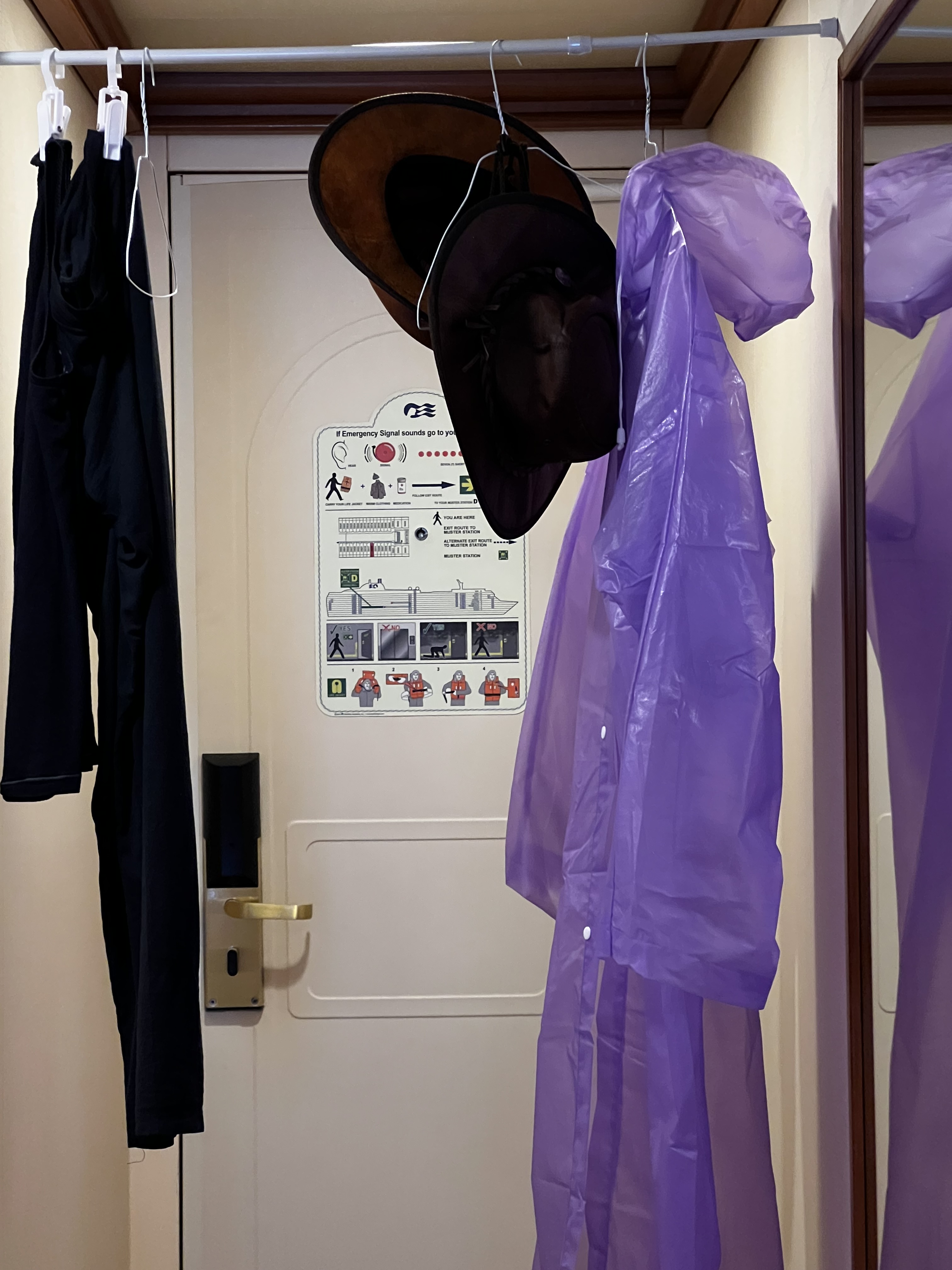
After a brief stroll, we returned to the ship, peeling off damp layers and hanging our wet clothes to dry. Soon, we were wrapped in warmth, savoring bowls of hot soup as the rain tapped gently on the windows, a simple pleasure after a serene, rain-kissed visit to this soulful corner of Greenland.
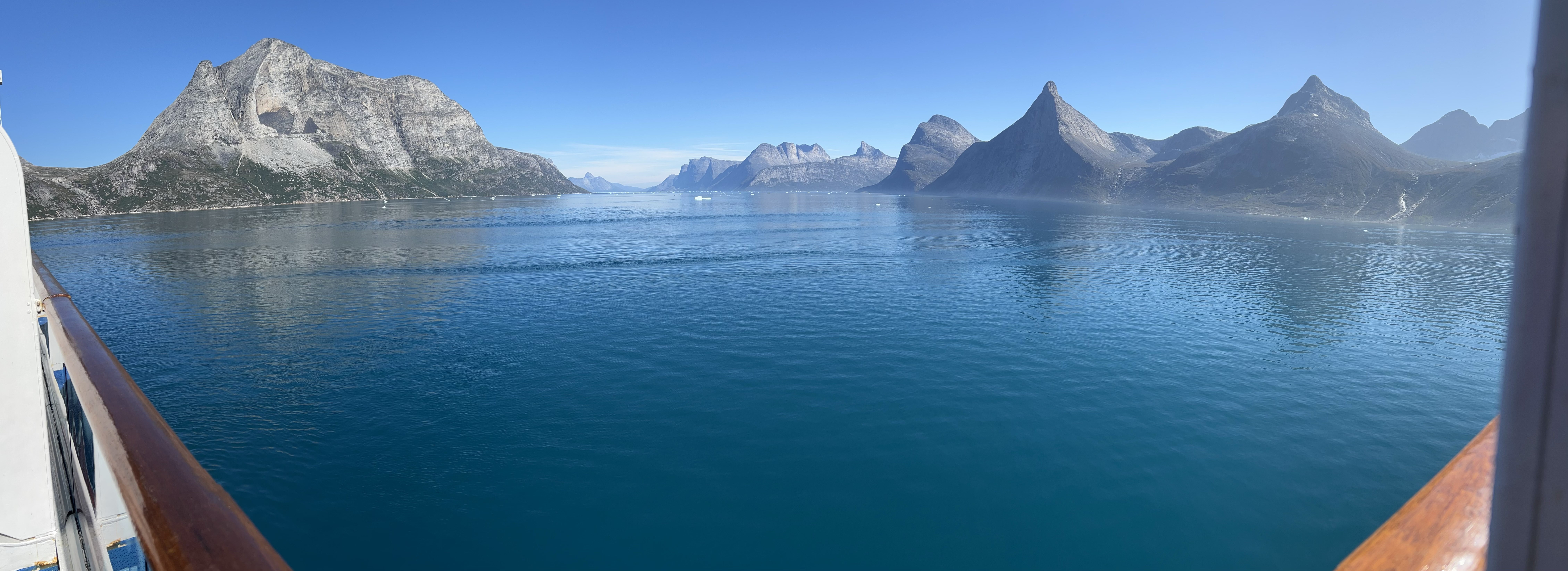
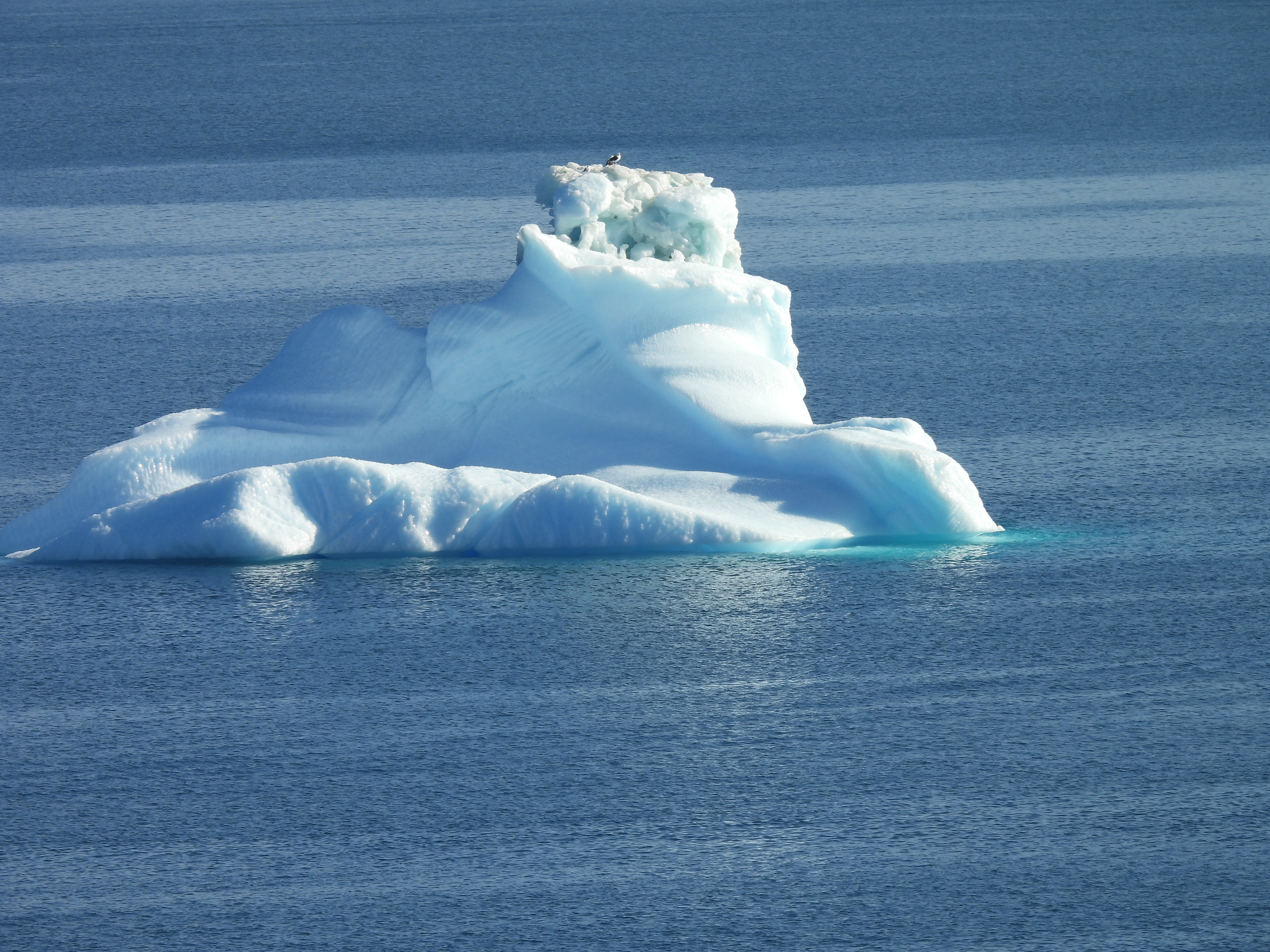
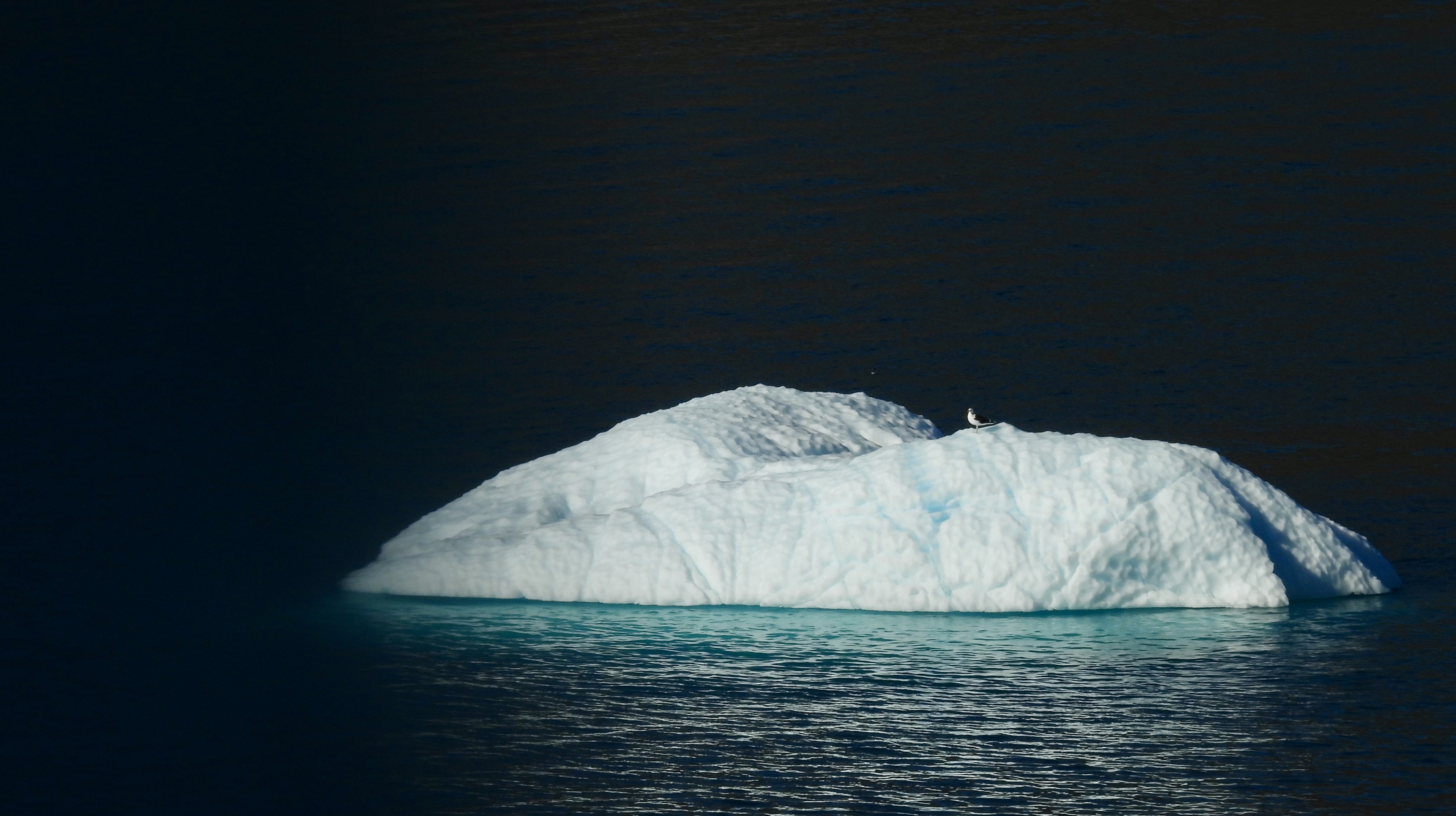
After a breezy day in Nuuk—too gusty for excursions, to everyone’s dismay—the captain announced a scenic detour through the fjords of southwestern Greenland. As we entered the winding waters of Nuup Kangerlua and Kangerluarsunnguaq, the morning fog lifted like a curtain, revealing sheer cliffs, streaked rock faces, and drifting icebergs. A naturalist narrated the unfolding drama: glacial geology, sea ice dynamics, and the occasional gull—kittiwakes and fulmars wheeling above the still water. No whales, no seals, just silence, mist, and the steady pulse of the ship. As we emerged from the fjords, the fog returned as if on cue, and the foghorns echoed into the night. This unexpected day brought quiet joy to all as we pressed on toward our next stop.
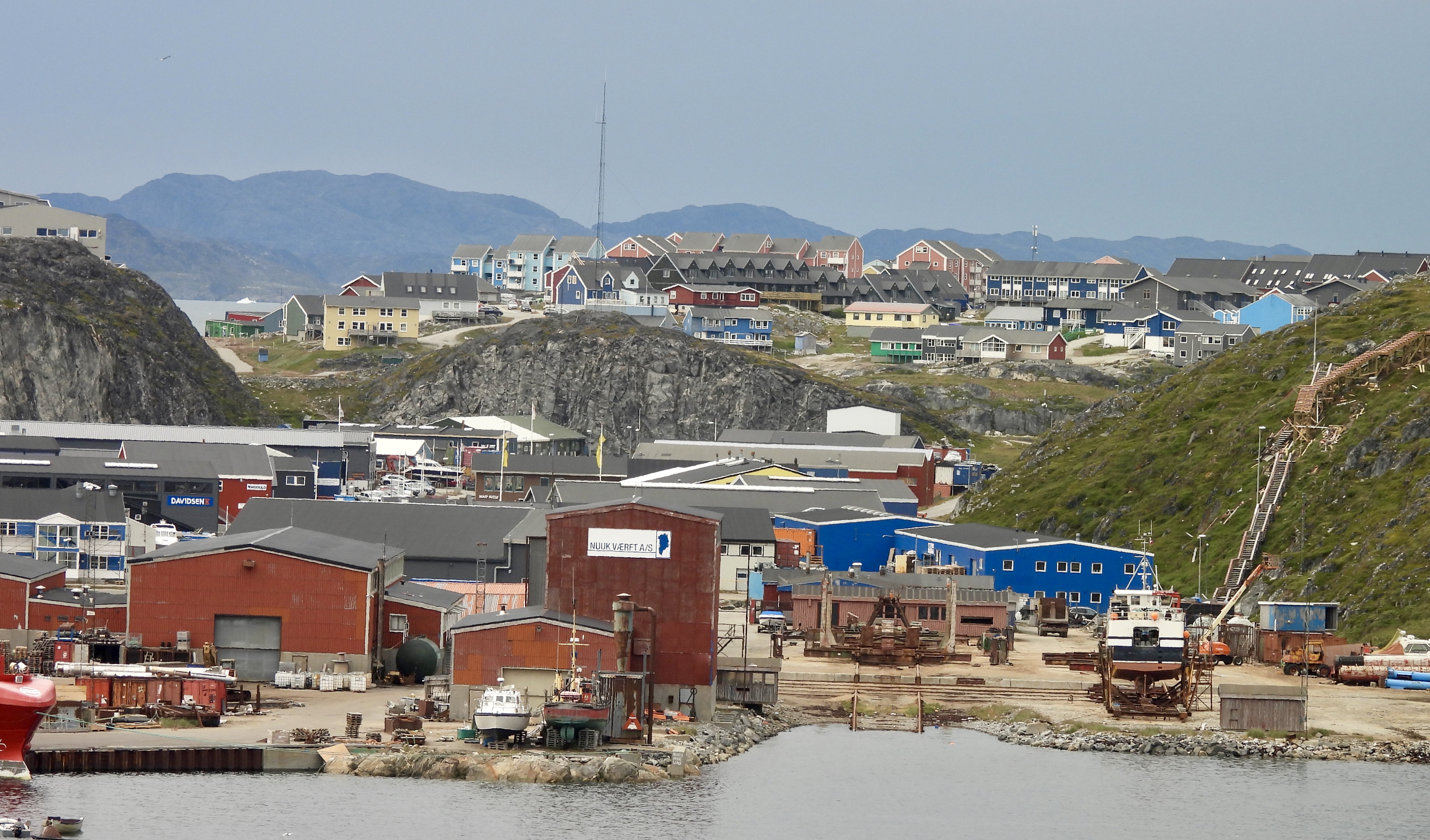
We were originally scheduled to dock in Nuuk at 7 AM, but with strong winds predicted, the captain made a wise call: he brought the ship in the night before,giving us an unexpected overnight stay in Greenland’s capital.
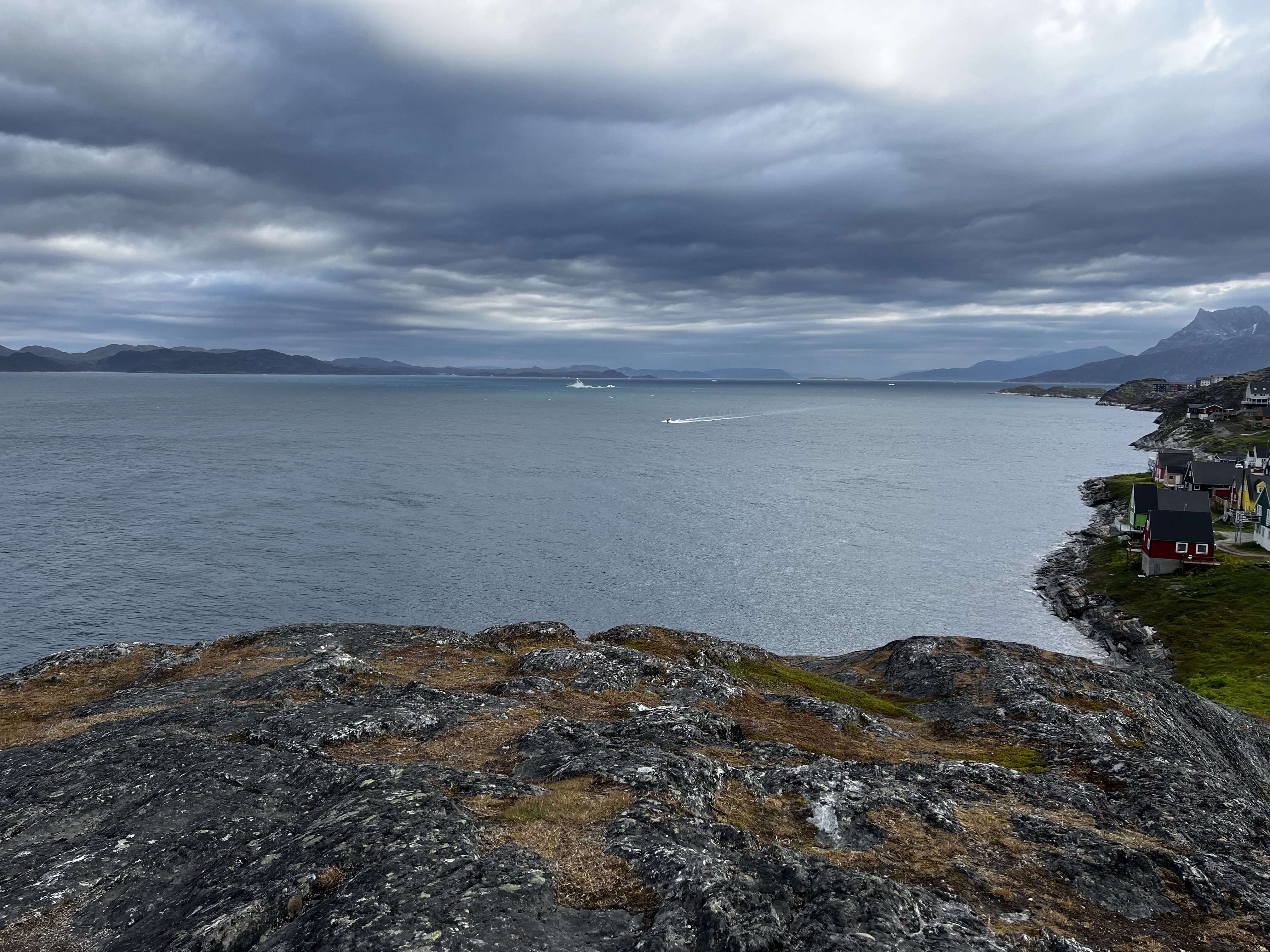
Our first steps ashore revealed a striking blend of tradition and modernity nestled between mountains and sea. The houses, painted in cheerful hues of red, yellow, blue, and green, added a storybook charm to the landscape. Years ago, each color had a purpose—red for churches, yellow for hospitals, blue for fish factories, and green for police stations—making the town not only beautiful but practical.
Today, the rules have relaxed. Anyone can paint their house any color they please. But the legacy lingers, and the palette still speaks—of history, of adaptation, of a community that once relied on color to find its way.
We wandered through the usual tourist stops, each one familiar in its purpose, yet somehow more intimate beneath the muted light. There was no rush, no crowds. Just the rhythm of our footsteps and the occasional gull overhead, slicing through the gray.
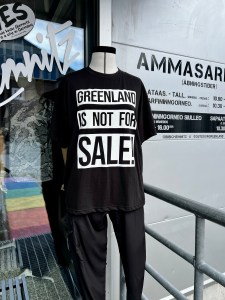
As we wandered through the local shops, one item immediately caught my eye: a bold T-shirt bearing the message “Greenland is not for sale.”
It wasn’t just a souvenir—it felt like a statement. A quiet but firm declaration of identity, sovereignty, and pride. In a world where remote places are often romanticized, commercialized, or politicized from afar, this simple shirt seemed to push back. It reminded me that Greenland is not just a destination—it’s a homeland, shaped by resilience, deep cultural roots, and a voice that refuses to be repackaged for someone else’s narrative.
We spent part of the day strolling along the Nuuk Boardwalk, a long wooden pathway that hugs the waterfront and offers views of the sea, sculptures, and city life. It was the perfect way to take in the rhythm of Nuuk—slow, steady, and full of quiet wonder.
And then, as the chill began to settle into our bones, we returned to the ship. A hot bowl of soup waited—simple, restorative, and exactly right. Outside, the clouds held their pose. Inside, we warmed up and watched the world drift by.
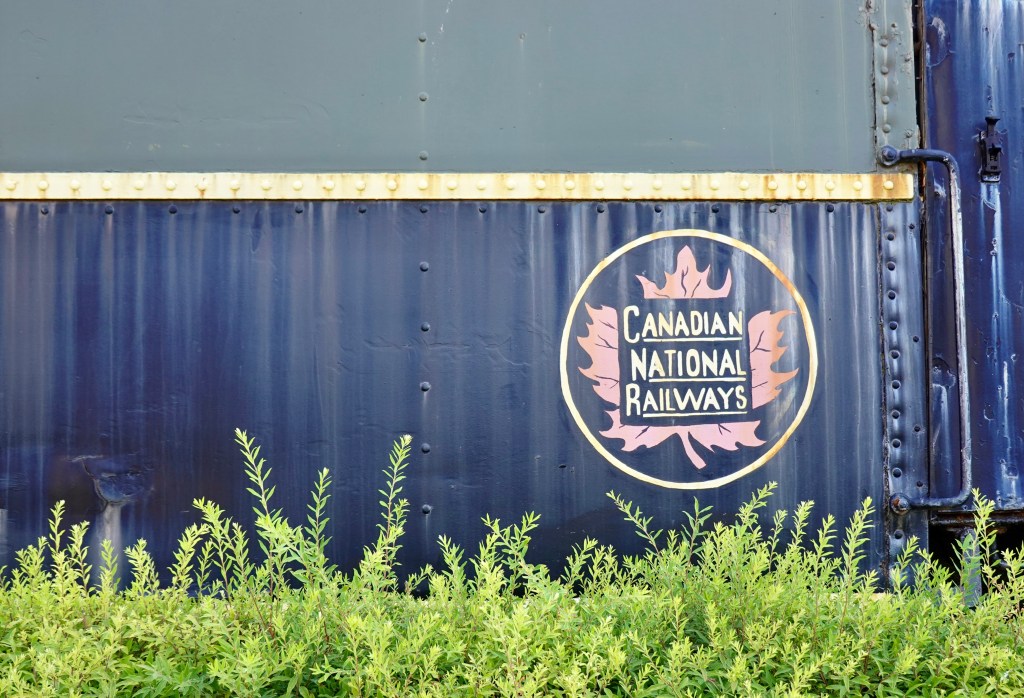
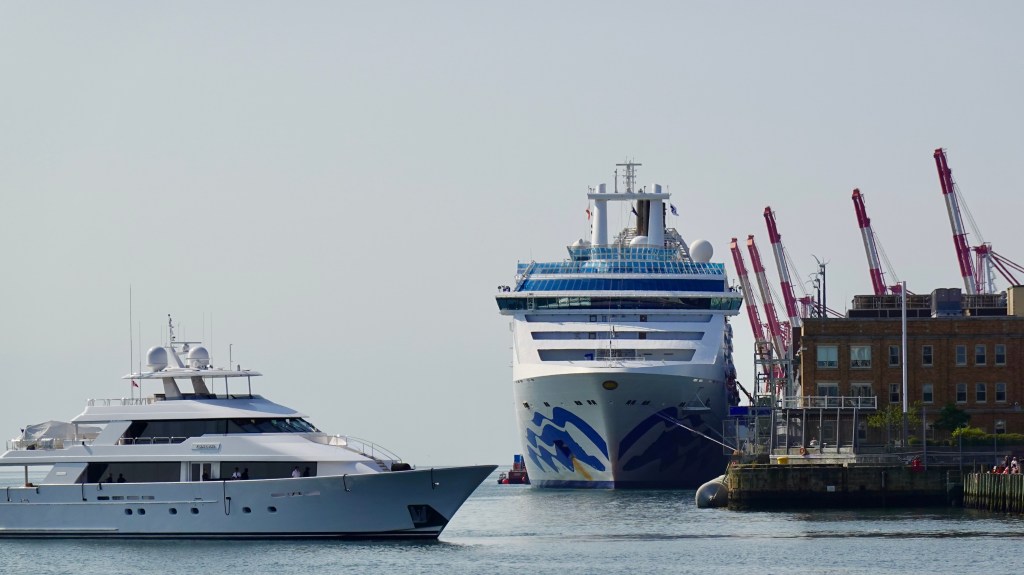
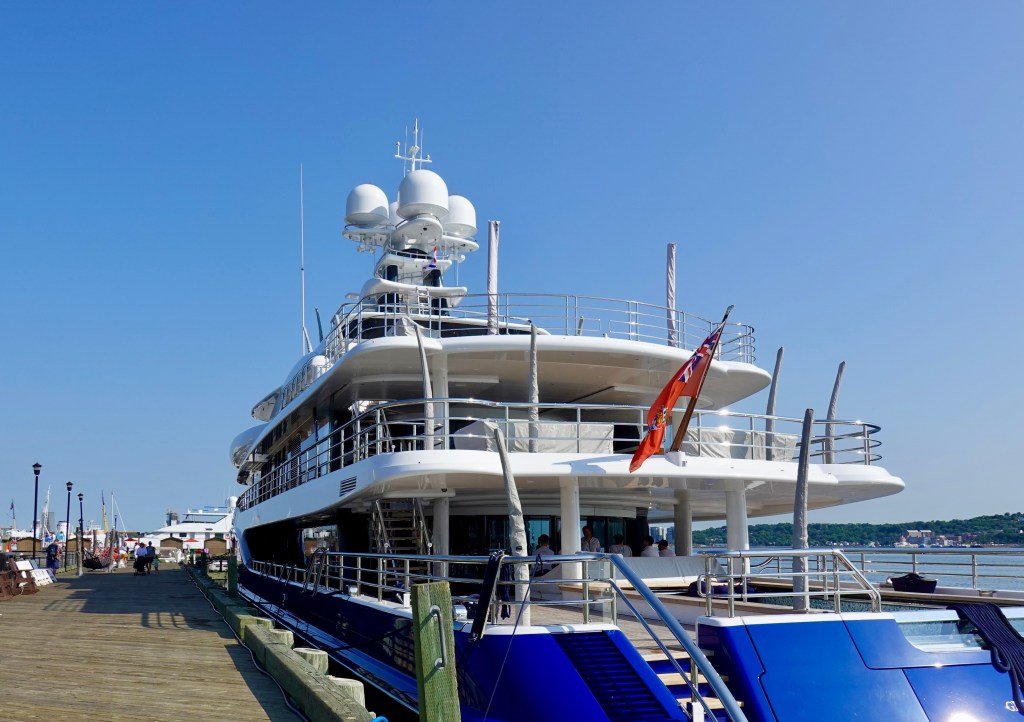
After a relaxing day at sea, our first stop brought us to Halifax, Nova Scotia. Since we’ve visited before we skipped the ship’s excursion and wandered through town on our own.
We checked out the local grocery store, a popular stop for many of the ship’s crew stocking up on favorite snacks; there, we found ketchup chips—an oddly fun snack introduced to us by our Canadian friend Janice!
And not that we needed an extra meal but we enjoyed lunch at Pho Maniac (Tina’s top recommendation) and soaking in the charm of the waterfront while taking photos along the way
With bellies full and hearts light, we returned to the ship feeling refreshed and ready for our next stop, Sydney, Nova Scotia—where new streets, fresh stories, and perhaps a few more unexpected delights await.
Just as we were gearing up for our trip to Greenland, I got a text from our cruise travel advisor, Cheri, that made me do a double take. She sent me a photo from a mailer by Trafalgar Travel! And here I thought our 15 minutes of fame were over.
Sure enough, there we were—on the inside page of a national travel brochure, smiling alongside our fabulous travel director Tod and Avery, another guest. I’m so glad our friends always let us know when they see our photos, since we never seem to get the mailers ourselves!
And then, just a few days later, another text popped up—this time from our pet sitter, Julie. Now, Julie and Randy aren’t just our pet sitters. They’re the people our cats have secretly decided are their real humans. We’re just the ones who pay for the cat food.
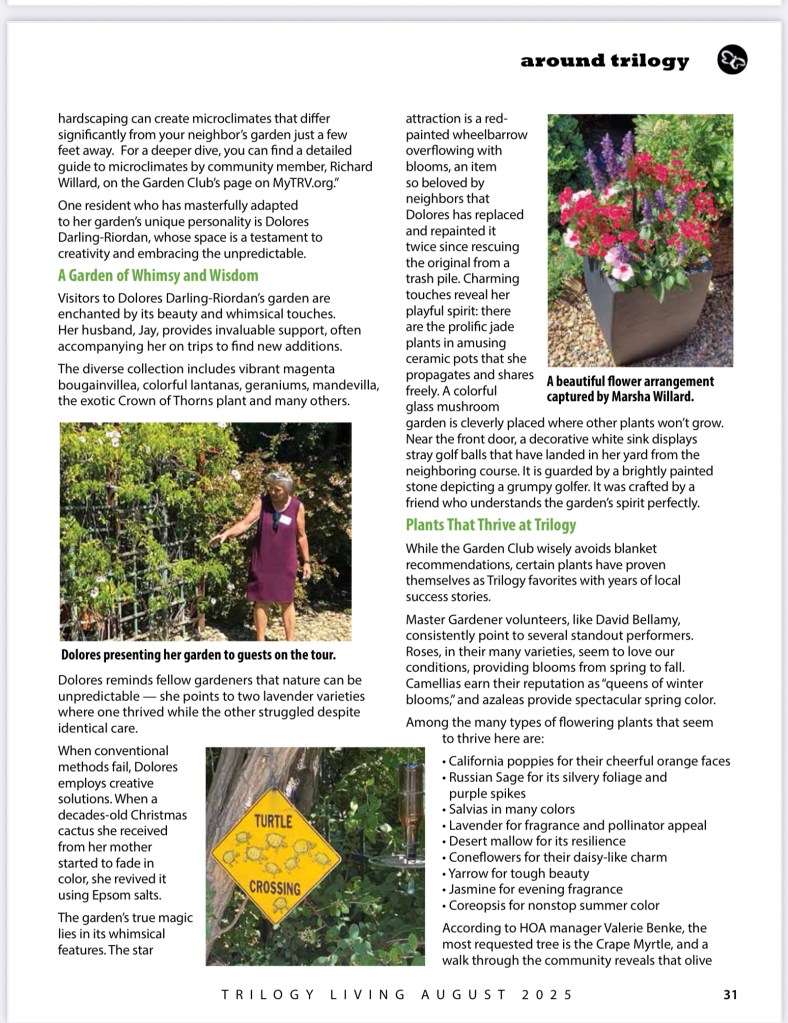
Julie wrote: You are famous! I thought I recognized your red wheelbarrow in the picture on the front—and then we saw you with your garden on the inside!
It was truly an honor to be asked to participate in the garden tour. Our yard had been selected as one of nine gardens in the entire Trilogy community in Rio Vista—out of over 3,000 homes—and would be visited by nearly 200 people.
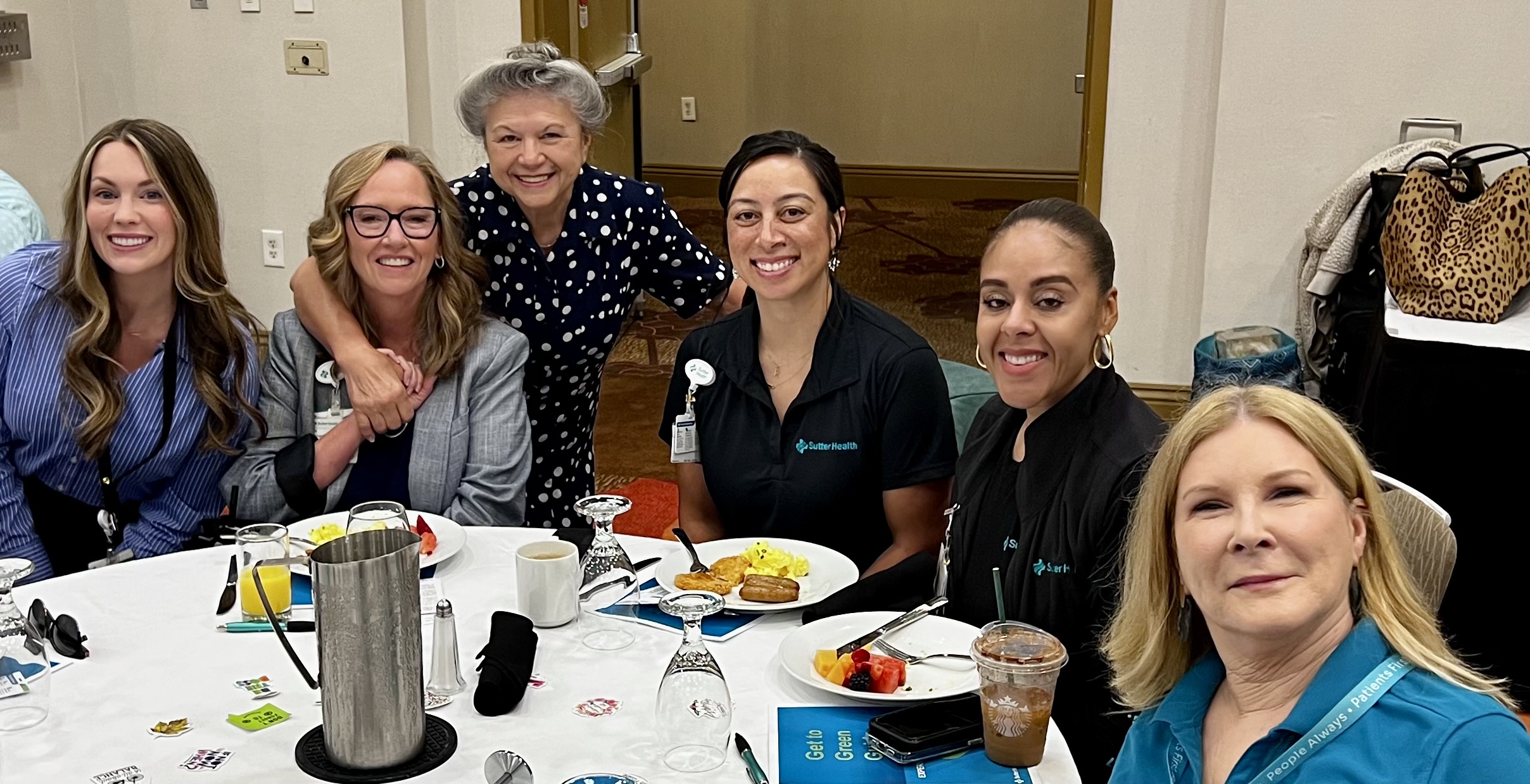
After we accepted the invitation to be part of the garden tour, a few weeks later I was invited to give the opening address for Sutter Health’s Experience of Care Summit, sharing from a patient’s perspective. Some of you know that journey—it was a meaningful opportunity, but it created a bit of a scheduling dilemma. Thankfully, our dear friend Andy stepped in and hosted the garden tour with Jay. It all worked out beautifully, and I couldn’t have been more grateful.
The funniest part? Our sister-in-law Lolly sent us a photo from the recording of Kelley and Mark and said, “You two are starting to be on more magazines than anyone who isn’t famous!”
So while our ship was making its way to Greenland, we were also popping up in travel mailers and neighborhood magazines. Who knew we’d be making headlines in two hemispheres?
Sydney wasn’t supposed to be dramatic. Just a gentle port call and a quiet wander. But the wind had other plans—The captain, with the kind of calm decisiveness that makes you trust strangers with your life, chose to anchor offshore rather than attempt a docking maneuver that could turn theatrical in all the wrong ways. Safety first, of course—but it meant the dreaded tender ride. Or, as they now call them, “water shuttles,” as if a rebrand could make the experience less like a carnival ride choreographed by a seasick octopus!
I’ve never been fond of them. The lurching, the waiting, the vague sense that you’re participating in a group trust exercise with the sea. But we got on. What else can you do when adventure insists?
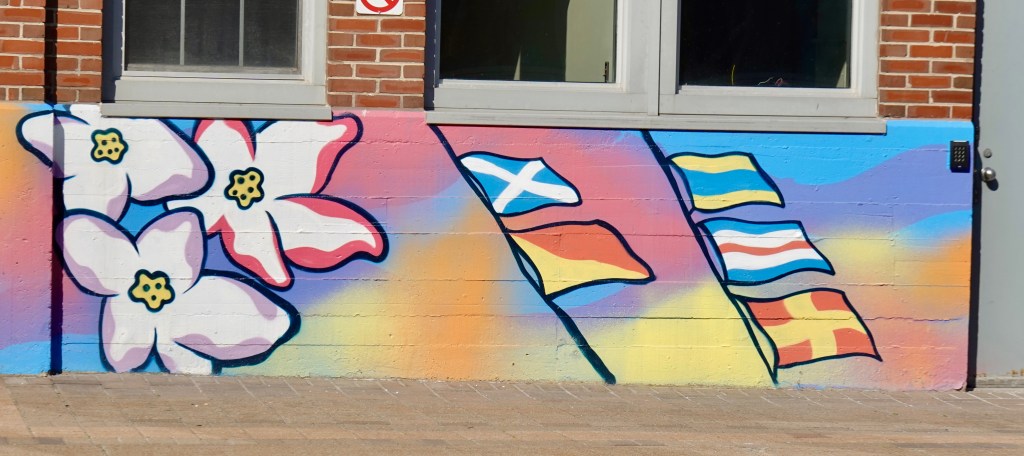
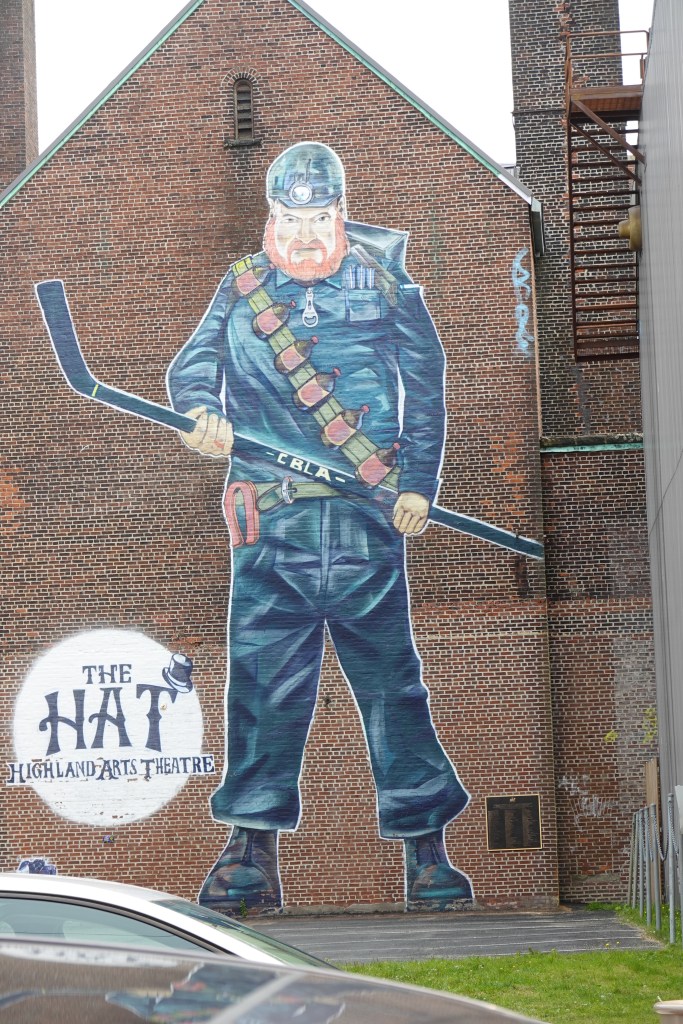
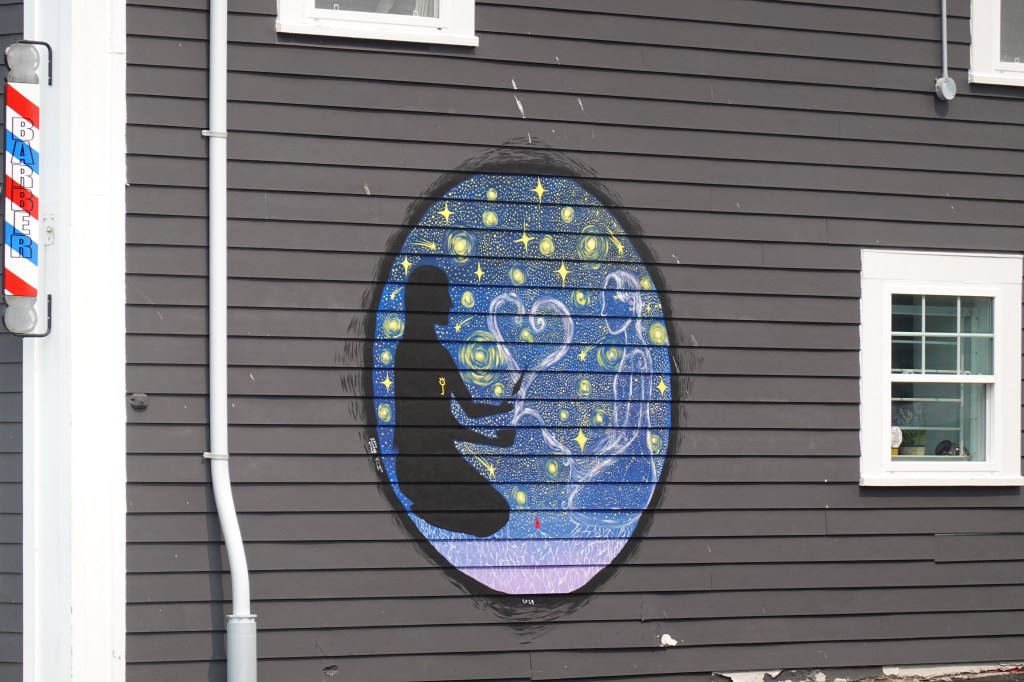
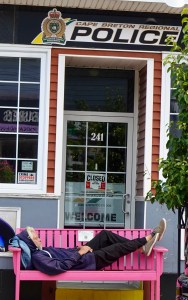
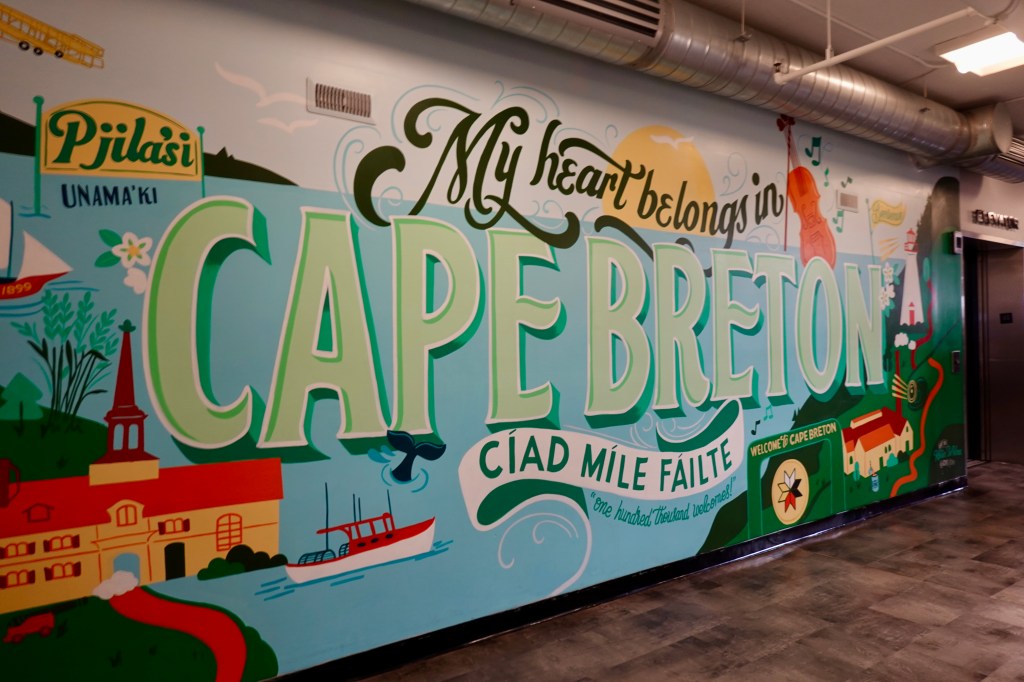
Once ashore, Sydney unfolded like a watercolor—soft, inviting, and just a little sleepy. The wind felt more like a companion than a threat. We wandered without agenda, letting the town reveal itself in quiet corners: a mural tucked behind a bakery, a man taking a break on a bench by the police station…We took photos—of each other, of nothing, of everything.
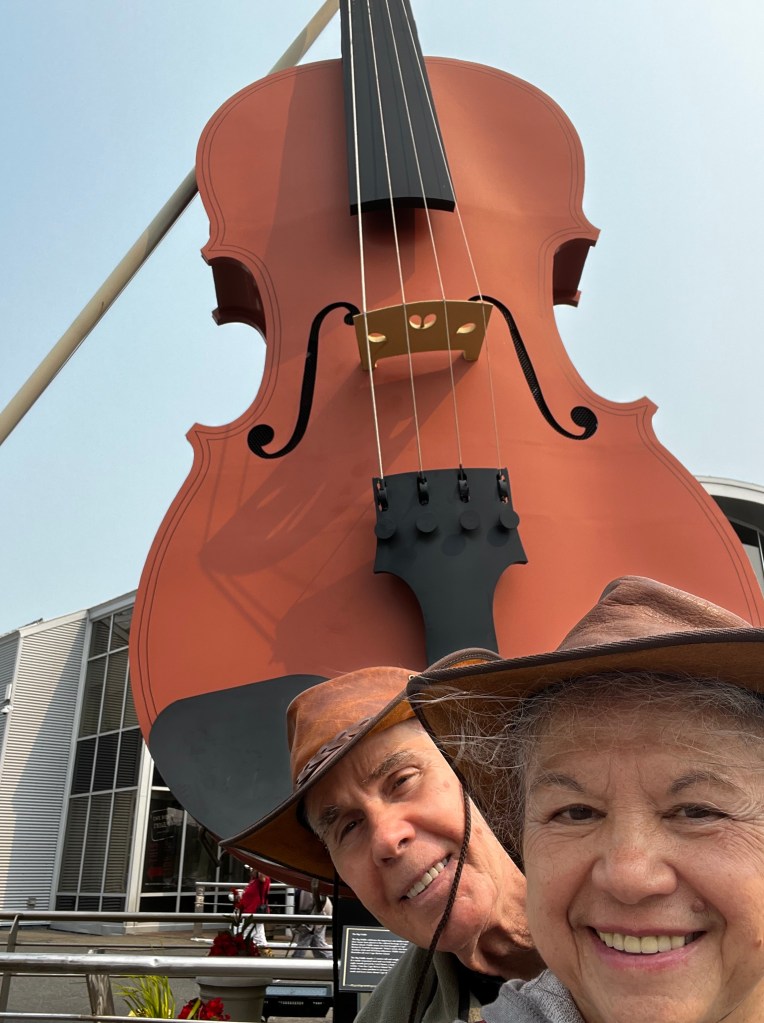
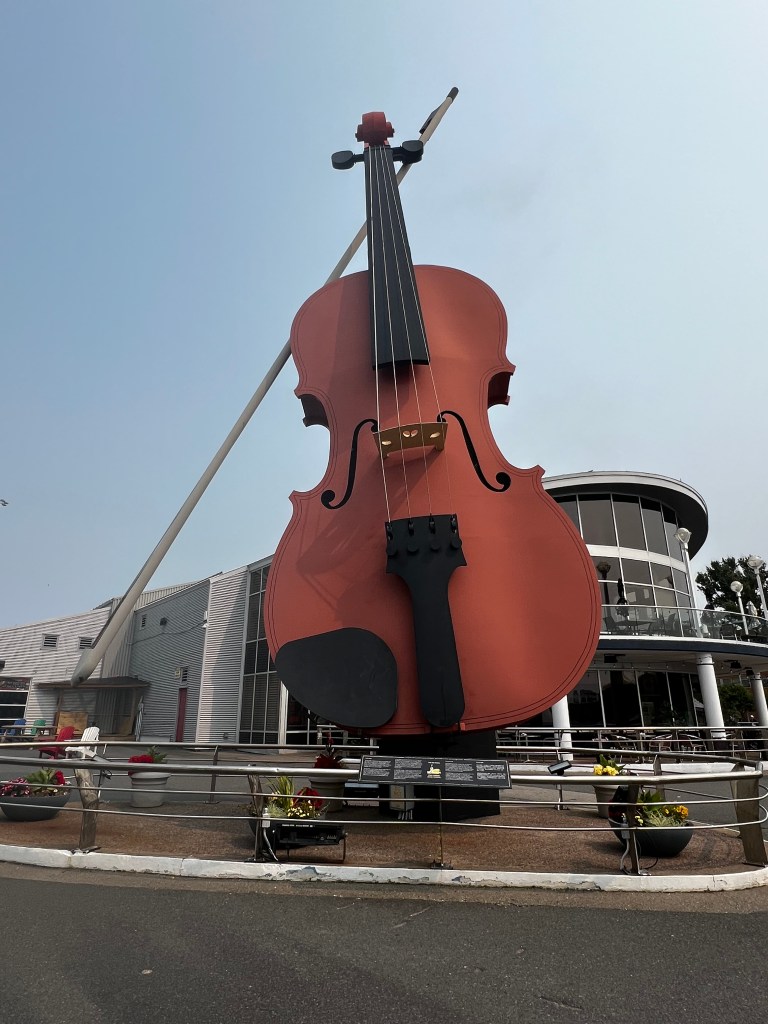
We passed the world’s largest fiddle—a 60-foot steel tribute to Cape Breton’s Celtic spirit—standing proudly on the waterfront like it was daring the wind to try something.
Back aboard the ship, we watched Sydney fade into the mist. It hadn’t been dramatic after all—just quietly beautiful, like a poem you didn’t expect to love.
🧳 From Sticky Seats to Standing Ovations: A Sweet Mess of a Trip
Sometimes the most memorable adventures begin with a splash of soda and a stroke of luck. After returning a rental car with a backseat lacquered in sticky sweetness, we scored an upgrade of the best kind: a generous staffer offered us a direct ride to the train station, sparing us two shuttle rides and turning a mess into a minor miracle.
🚆 All Aboard the Elbow-to-Elbow Express
At the station, things ticked along smoothly—until our train was just minutes from boarding. A surprise delay and a cancelled train turned the platform into a commuter mosh pit, doubling the passenger count and dialing up the drama. But we found seats, shook off the chaos, and let the rails carry us northward to the city that never sleeps.
🏨 The Tiny Room That Could
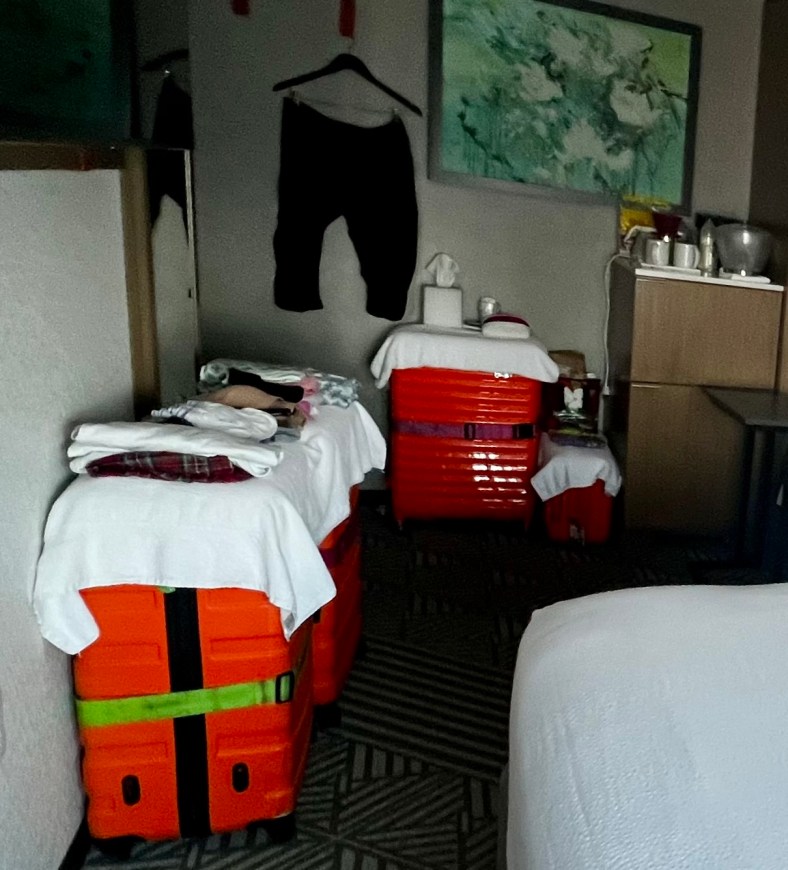
Our NYC hotel room turned out to be a masterclass in minimalism. With space at a premium, we got creative: luggage transformed into towel-draped counters, storage shelves, and general-purpose furniture. It was urban camping, minus the tent—and with much better plumbing.
📺 Not-So-Live With Kelly and Mark
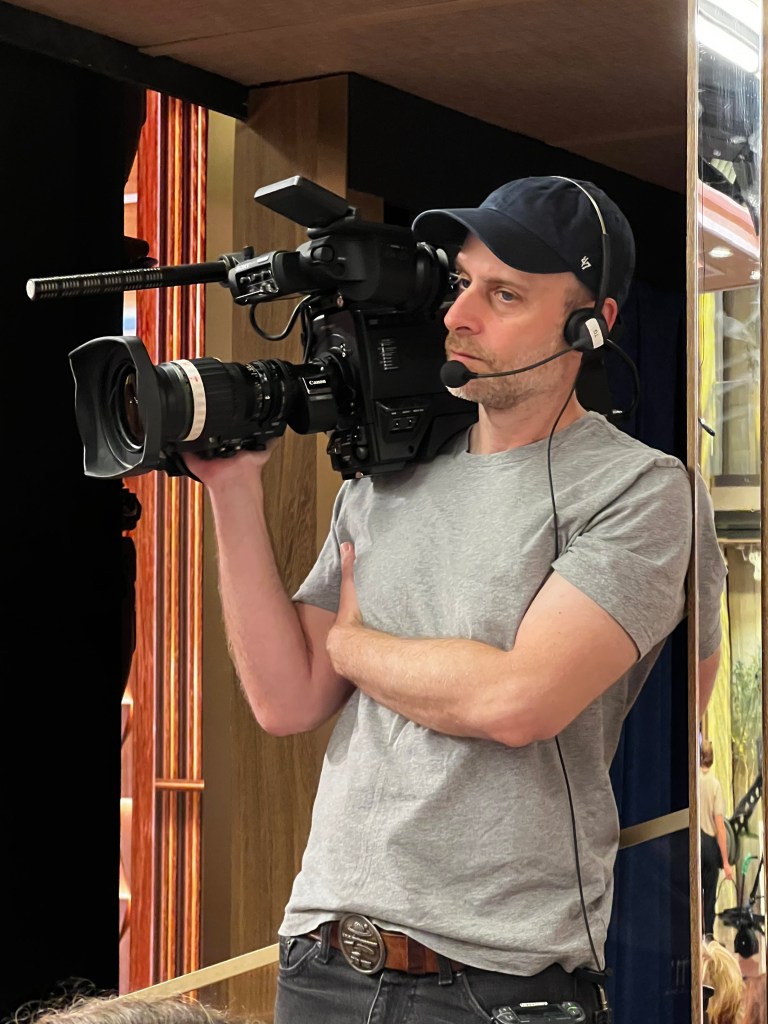
Thought it wasn’t our first pick, we snagged tickets to LIVE with Kelly and Mark. Turns out, “live” is a bit of a misnomer—but behind-the-scenes fun still made for a memorable outing. We left with stories, smiles, and a new appreciation for weekday morning television magic. Today’s co-host was turned out to be Carson Kressley, someone I was familiar with!
🎭 Broadway & Surprise
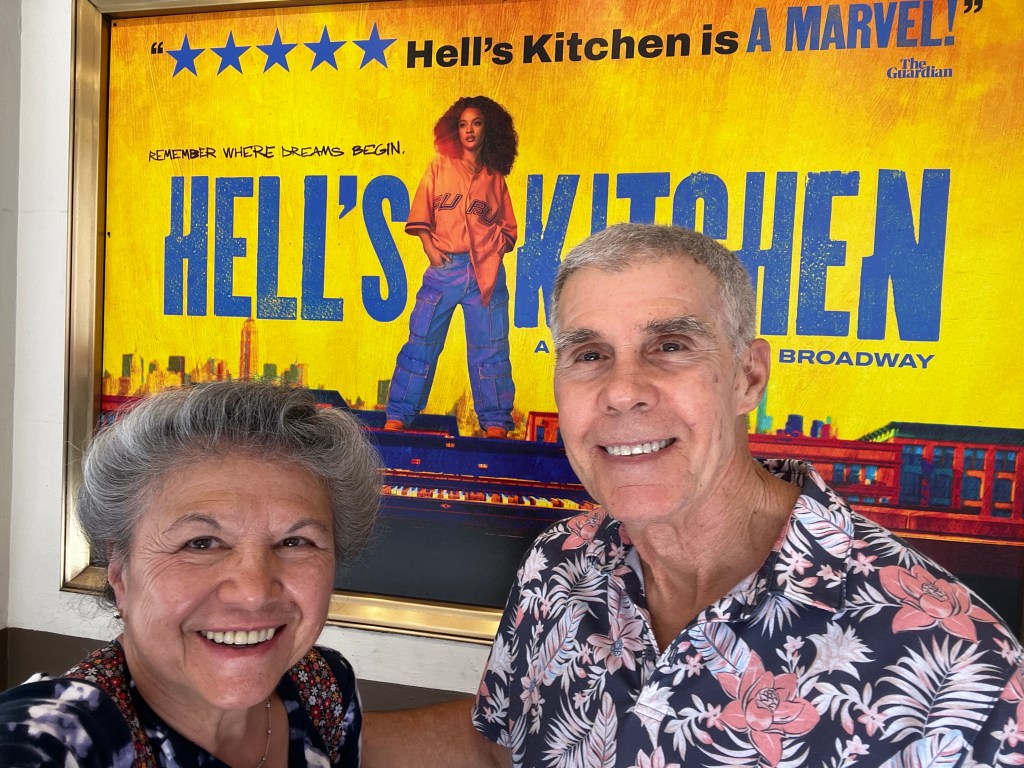
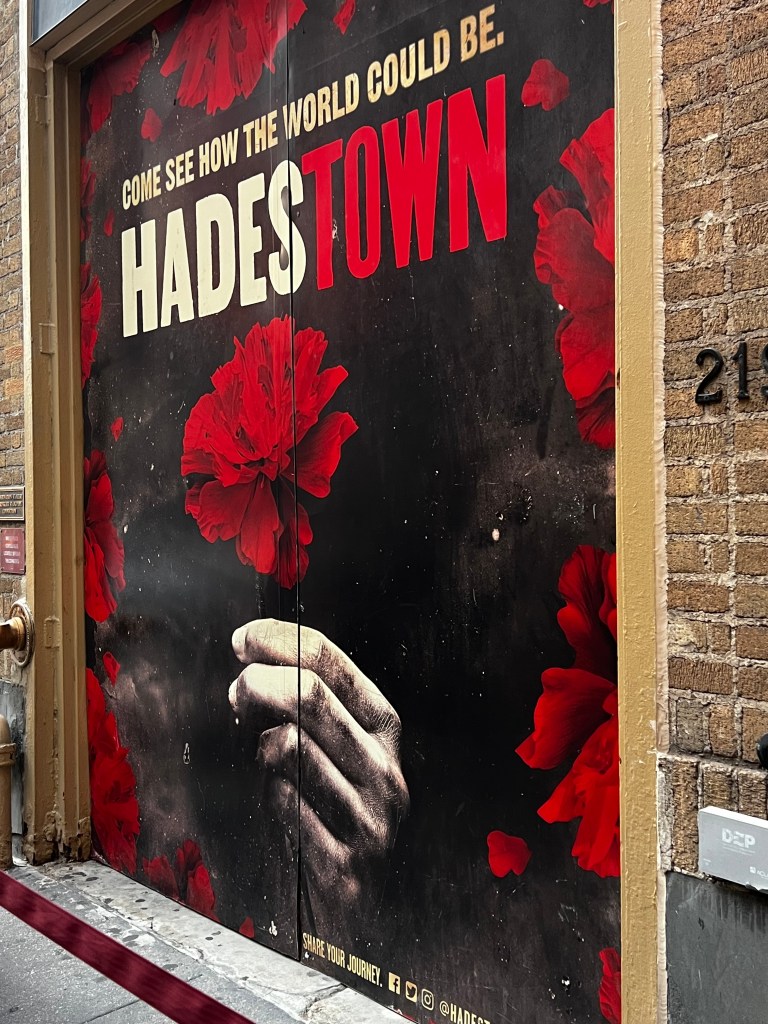
We kicked off our theater stretch with tickets to Hell’s Kitchen—no surprise there, it was planned and perfect. Then came the spontaneous brilliance: while chatting over lunch the next day, our server mentioned Hadestown. We leapt at the idea, hearts open to whatever melody the evening might hold. A quick dash for tickets turned into something far more than theater—it became a moving experiences of the trip. The show pulsed with raw emotion, aching beauty, and a resonance that lingered long after the final note. In Orpheus’s voice, we heard the echo of every dreamer who still believes the world can be kinder. And as the cast reminded us, “It’s a sad song, but we sing it anyway.”
I left the theater thinking not just about Orpheus, but about everyone—young or not—who carries the burden of believing things can be better. And maybe, like that chorus rising again, our job is to keep singing. Not because we’re sure the song will change everything—but because it’s the only way we stay kindred. The only way we remember love, even when the world forgets.
🍽️ Sights & Sounds
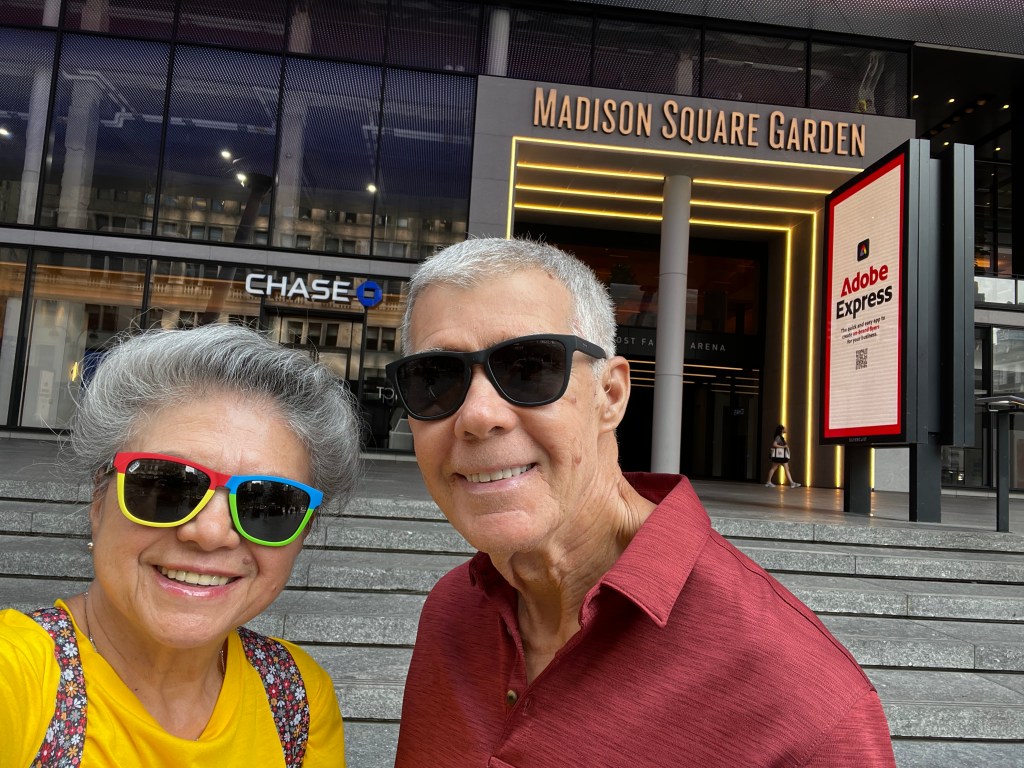
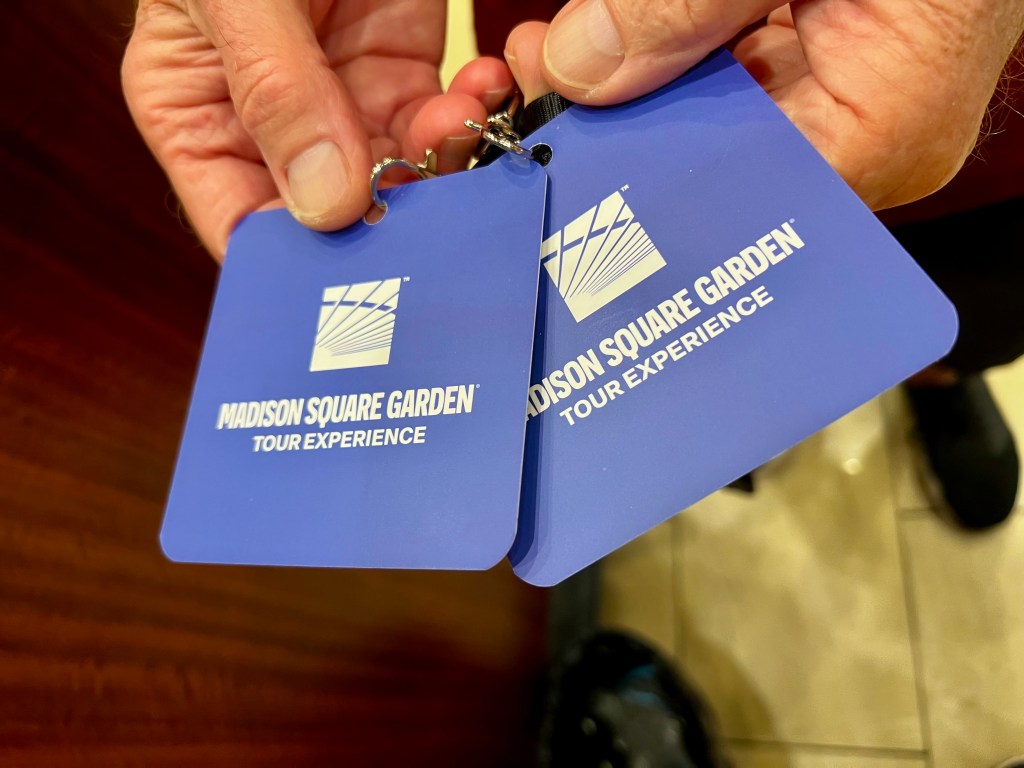
We squeezed in a tour of Madison Square Garden and chased down unforgettable meals across the city, making every bite and every block count. Rain tried to catch us on Thursday, but we dodged the downpours like seasoned pros.
And later, as we packed up the laughter, flavors, and memories into creatively reconfigured luggage compartments, I felt that soft glow of something deeper. NYC gave us theater and cheesecake, tiny hotel puzzles and big-city magic—but it also gave us the reminder that sometimes, saying “yes” to a fleeting idea can lead to resonance that hums long after you’ve left the stage.
🚢 And Then… We Sailed
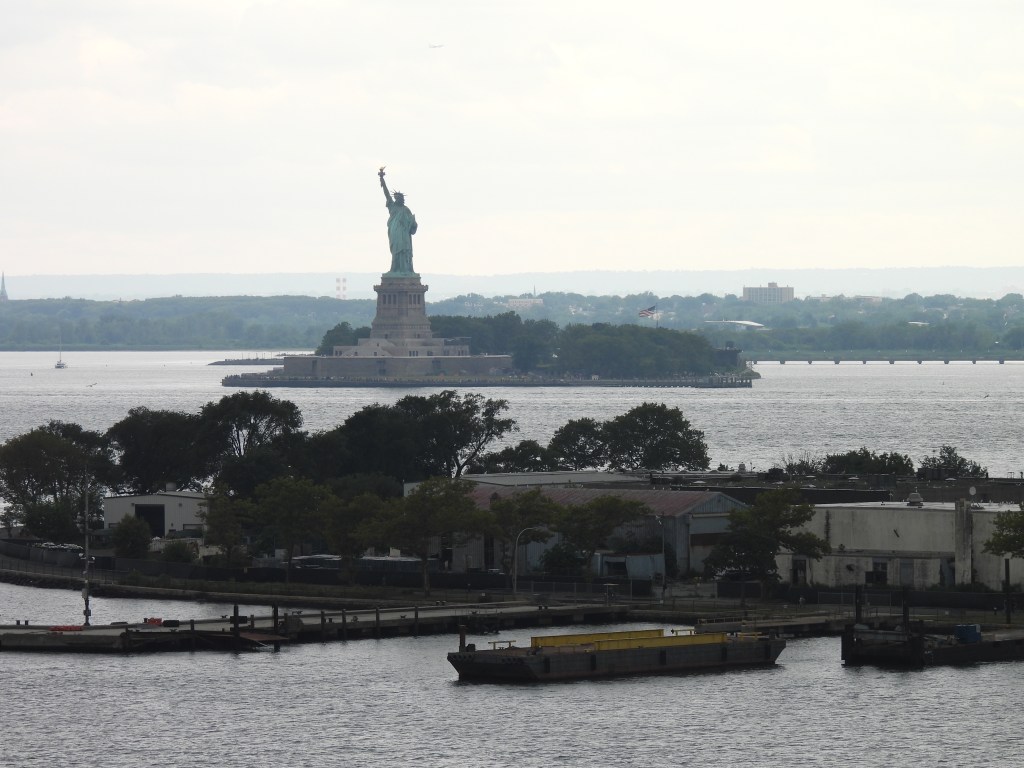
After packing up our cozy little room, we headed toward our next adventure—boarding the Island Princess to set sail for Canada and Greenland.
🌟 A Surprise Reunion at Sea
We first met Tina a few years ago, and she left a lasting impression with her warmth, professionalism, and genuine kindness. I’d learned she was still working aboard this ship, but I kept our upcoming voyage a secret. Just before we boarded in New York, I sent her a simple email: “I hope we cross paths again someday.” What she didn’t know was that we were already en route to surprise her. Her reaction when she saw me was unforgettable!
A few years back, I’d written a heartfelt letter about her exceptional service, and it led to something truly special: she was named Employee of the Month. As fate would have it, the ship was docked in Spain that day, and her parents were visiting. The announcement was made while they were with her. She beamed as she told us the story, her pride and happiness radiating in every word. It was one of those moments that felt like the universe had conspired to make everything just right.
Reuniting with her reminded me of the quiet power of kindness and the joy of unexpected connections. These are the moments that make travel feel like more than just movement—they make it feel like coming home.
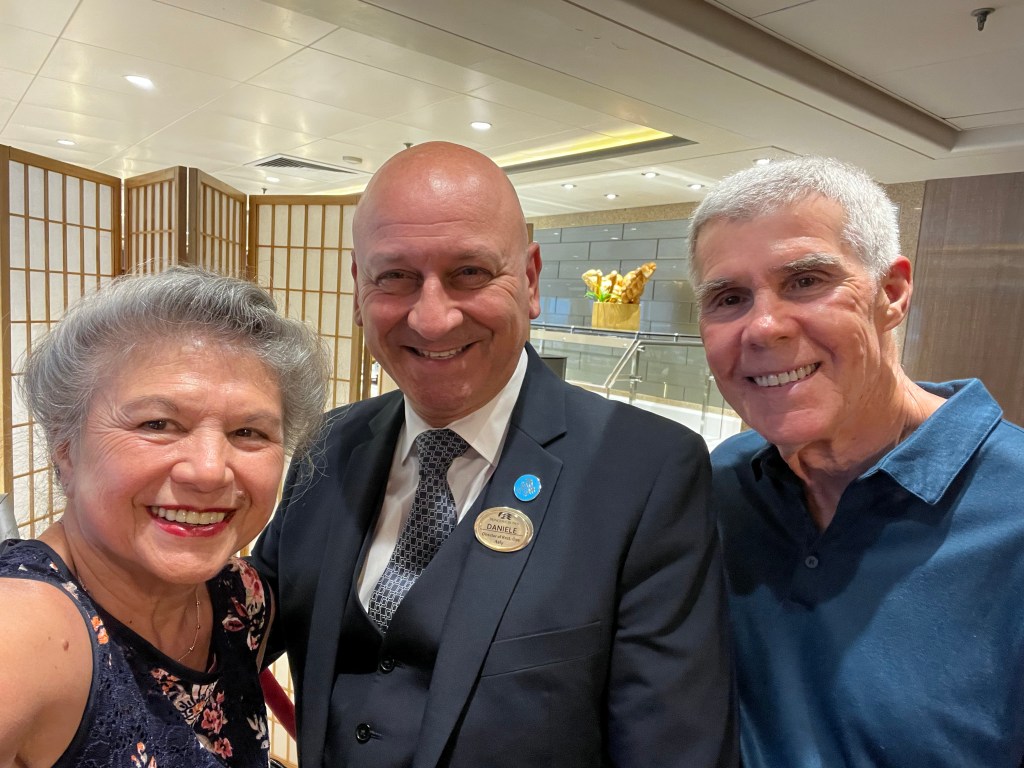
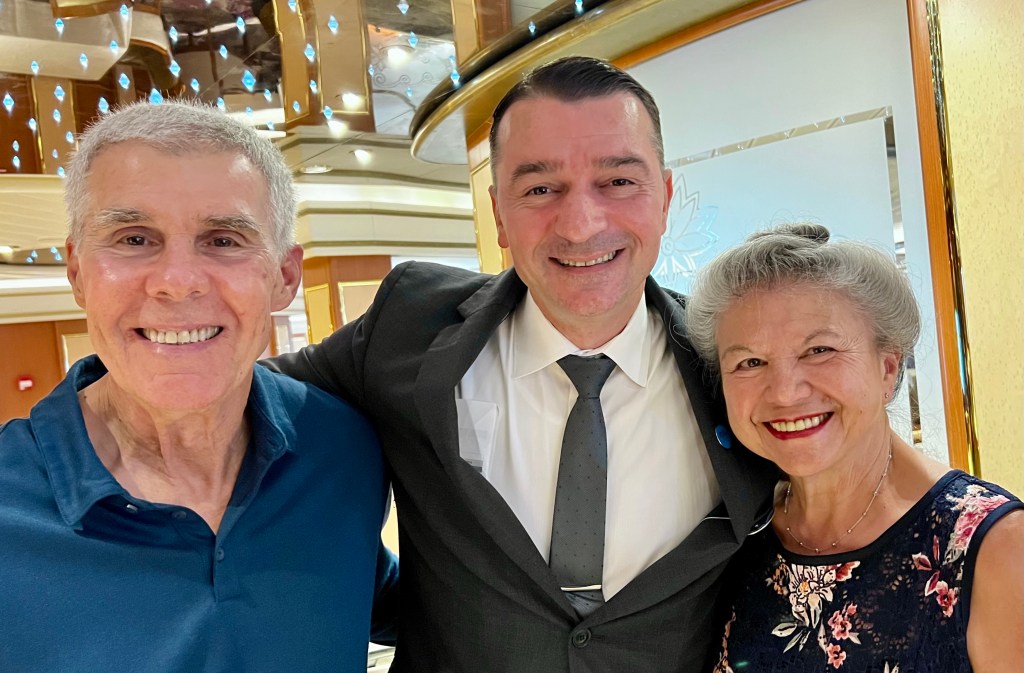
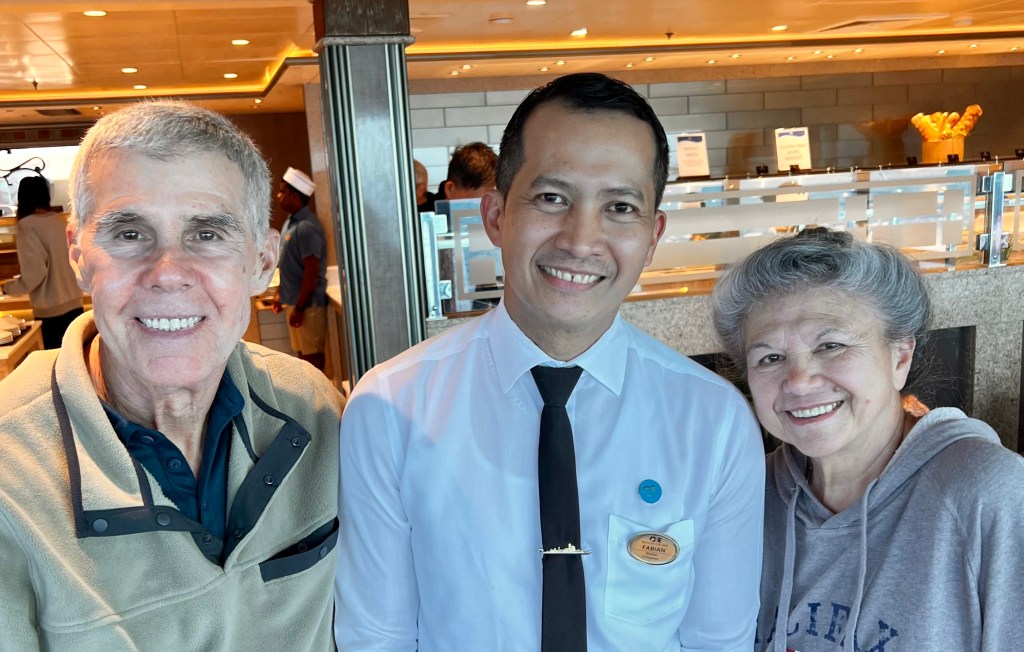
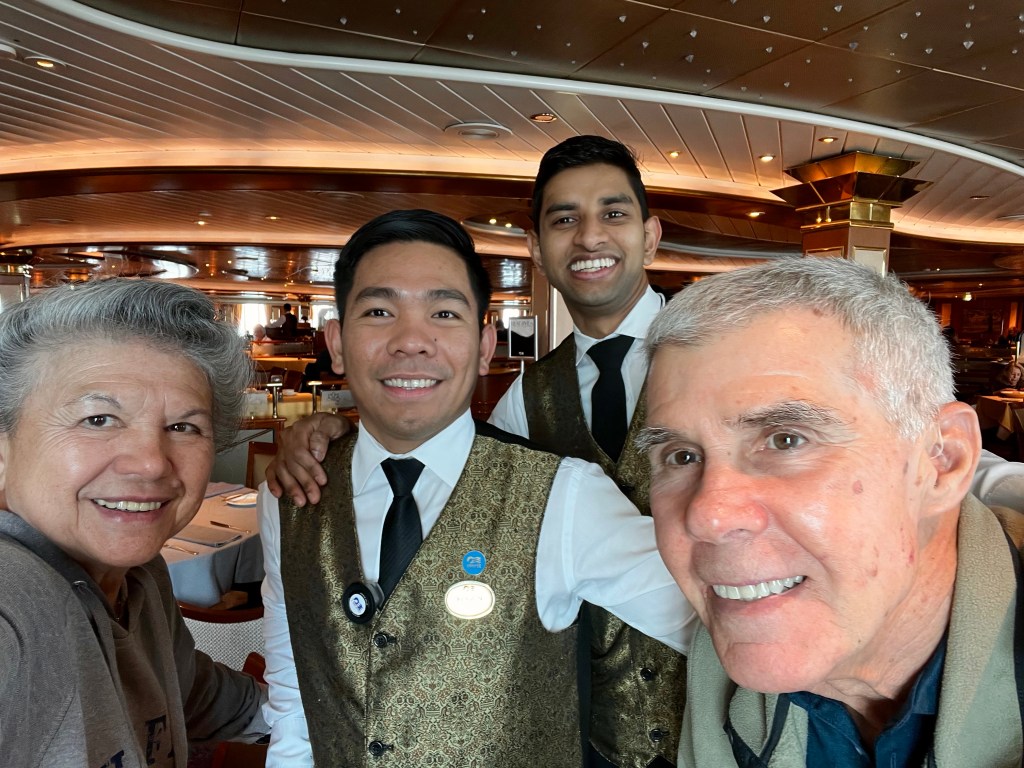
The cherry on top? Familiar faces among the crew, turning embarkation into a heartfelt reunion.































































 World Blog