
After a good night’s sleep and a breakfast made up of all the little odds and ends we’d collected along the way we headed out to spend the day at Las Casas Filipinas de Acuzar. The drive from Yas Villa took only about seven minutes — the shortest travel time of all the places we had been to on this entire journey. After so many long, winding drives through mountains and provinces, it felt almost unreal to arrive somewhere so quickly. But it also felt like a small blessing: an easy start to what we hoped would be a beautiful day.
Las Casas is the kind of place that makes you slow down the moment you enter. It’s a sprawling heritage village built along the water, where Spanish‑era Filipino houses — real ancestral homes from different parts of the country — have been carefully dismantled, transported, and rebuilt piece by piece. Walking through it feels like stepping into a preserved memory: cobblestone streets, arched bridges, wide plazas, and grand wooden casas with capiz windows that glow softly in the light.
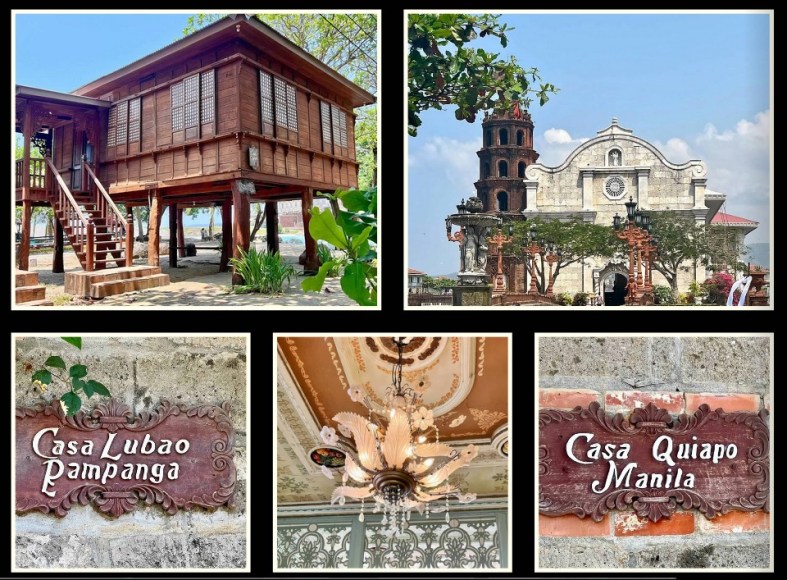
Some houses are simple and humble, the kind that once belonged to families who lived quiet, hardworking lives. Others are ornate, with carved details and wide verandas that hint at the wealth and stories of the people who once lived inside them. Everywhere you look, there’s a sense of history — not in a museum way, but in a lived‑in, breathing way, as if the past is still lingering in the corners.
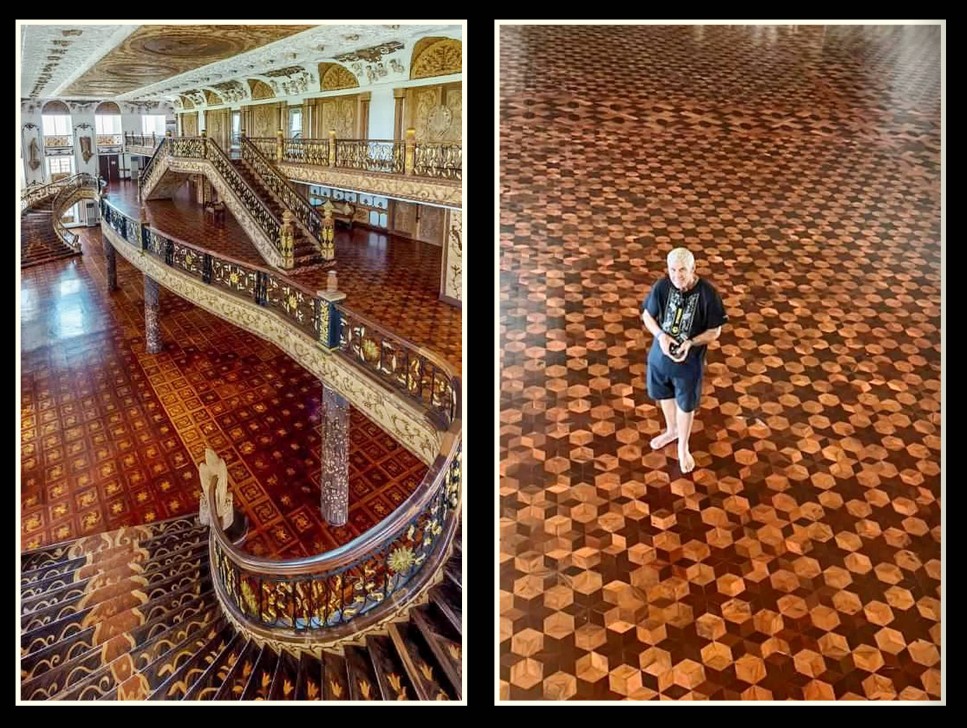
We joined a guided tour, which helped bring the place to life even more. Our guide shared stories about each house — where it came from, who lived there, how it was moved, and what parts were original. Some of the tales were heartbreaking, others inspiring, and a few were downright surprising. It felt like walking through a timeline of Filipino life, architecture, and resilience.
By lunchtime, we’re ready for a break — and honestly, ready for something not Filipino for once. The whole family has been spoiling me with all my favorite dishes since we arrived, so an Italian restaurant sounds like the perfect treat for all. We’re already dreaming of pasta, pizza, maybe even a salad.
Then the food comes out… and it’s Filipino.
It’s not bad at all — just not what any of us expected, and that’s travel for you: even lunch likes to keep us on our toes, those little mismatches that end up becoming part of the story.
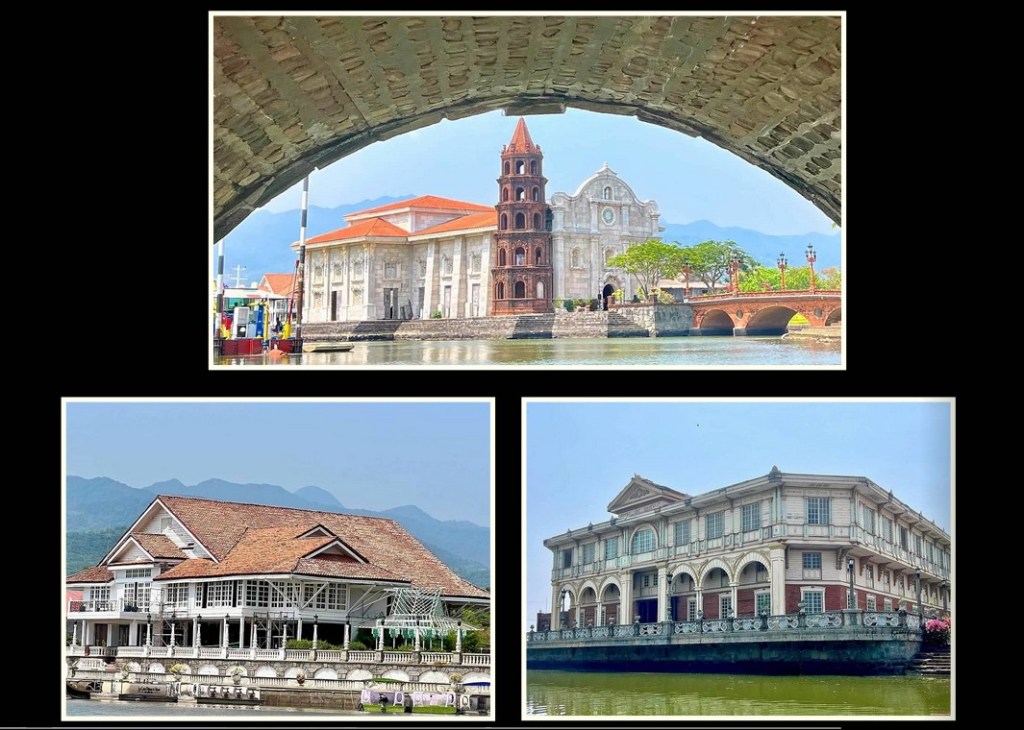
After lunch, we took the boat ride, which turned out to be one of the highlights of the day. The boat glided along the canal, the casas looked even more majestic from that angle — their reflections shimmering on the surface like scenes from an old Filipino film. The ride gave us a different perspective of the village, almost as if we were drifting through time.
We got off at one of the most beautiful houses along the route, and the moment we stepped inside, we were all amazed. The intricacy of the architecture was breathtaking — carved wooden panels, sweeping staircases, capiz windows that filtered the light in a soft, pearly glow. Every corner had a detail that made you pause: floral motifs etched into balustrades, hand‑painted ceilings, antique furniture that looked like it had been waiting for visitors for decades.
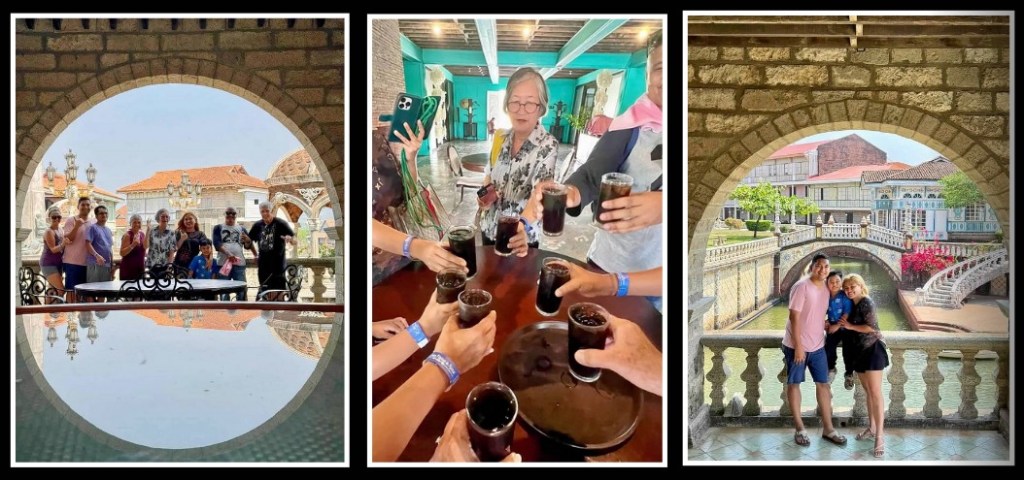
As the day goes on, it hits me: this is the last day we are all together as a complete group. After nearly a month of shared roads, shared meals, and shared discoveries, this is our final adventure with everyone still by my side.
Our journey quietly traces a long, looping arc across Luzon — from Manila to Tagaytay, through Malabon and Bulacan, west to Olongapo, then up to Clark for the flight that carries us to Boracay, before heading back to Olongapo for some rest. From there, we go on to Baguio and Banaue, circling back through Las Casas and finally returning once more to Olongapo. Altogether, we cover roughly 1,480 to 1,720 kilometers (about 920 to 1,070 miles) — a stretch of road piloted with good humor and steady hands by Obet, our ever‑patient captain at the wheel. The van carries all of us faithfully, packed with laughter, snacks, and Buddy on the parts of the journey he is able to join. Looking back — even as we’re still in it — it isn’t just the distance that matters, but how every kilometer stitches together the people, places, and moments that make this homecoming feel complete.
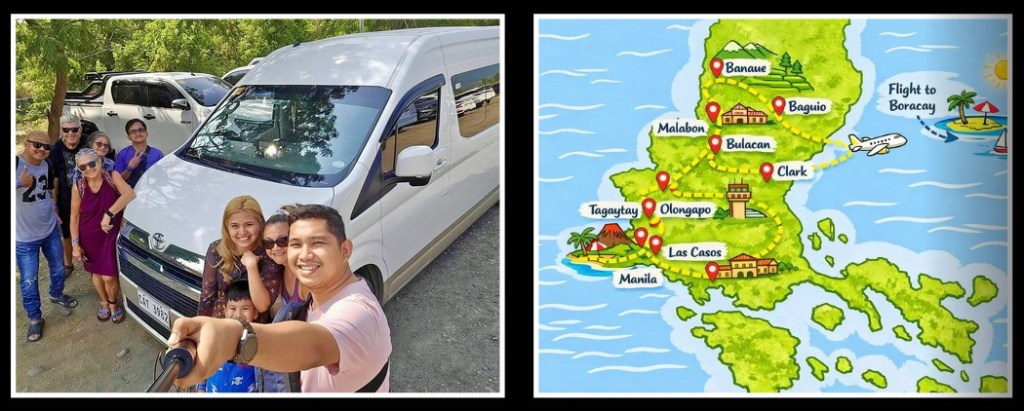
Later today, we head back to Olongapo, and the house will fill again with the familiar rhythm of family. But the mood is already shifting — a gentle turn toward goodbyes.
Rica starts packing tonight, getting ready for her flight back to the USA on April 1. I can already feel the weight of that approaching moment, the way a mother senses a goodbye long before it happens. She has been with us through every stop, every detour, every reunion. The thought of her leaving makes the day feel even more precious.
And tomorrow, March 31, is a full celebration at the house — a lively, joyful gathering for Ella and Ronald’s anniversary. Their actual anniversary is on April 17, but with everyone together now, it feels right to celebrate early. Family from all sides are coming, turning the house into a true reunion — noisy, warm, overflowing with stories and food and laughter.
But the most exciting part of tomorrow is Ate Tessie.
Her son John, whom we met in Bulacan a few weeks ago, is bringing her to the house in Olongapo. They’re expected around 10 a.m., and I can hardly believe it. The idea of seeing her again after fifty years — of hugging her, of hearing her voice — feels almost unreal. So as we walk through the last few casas, taking in the carved woodwork and the soft glow of the capiz windows, I hold onto the moment: the beauty of the place, the warmth of the day, the presence of everyone still together, just for now.
Because tomorrow brings celebration. And the next day brings goodbyes. And today — today is our last day as one complete circle.

