In the early morning, I stepped onto the balcony and watched the water shuttle bobbing below, preparing to transport passengers to shore. It’s never been my favorite way to disembark—something about the awkward shuffle and the splashy uncertainty—but today, something felt different.
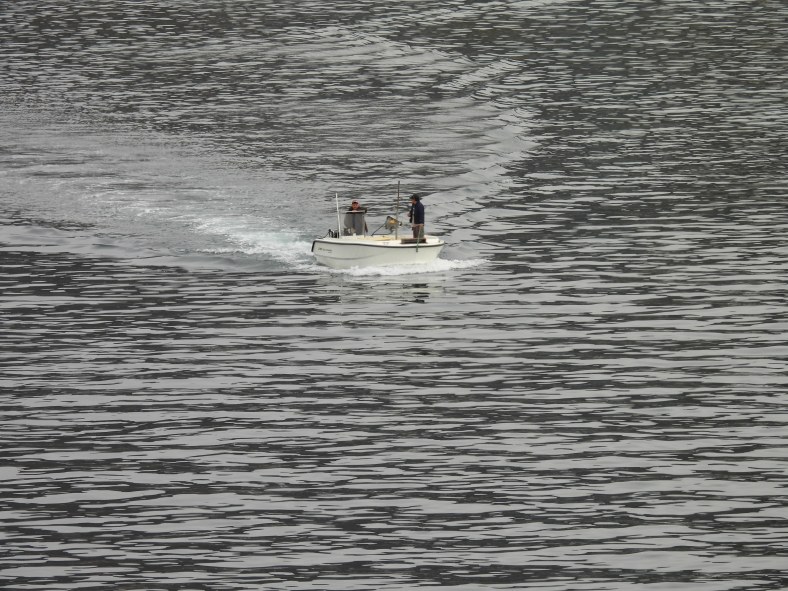
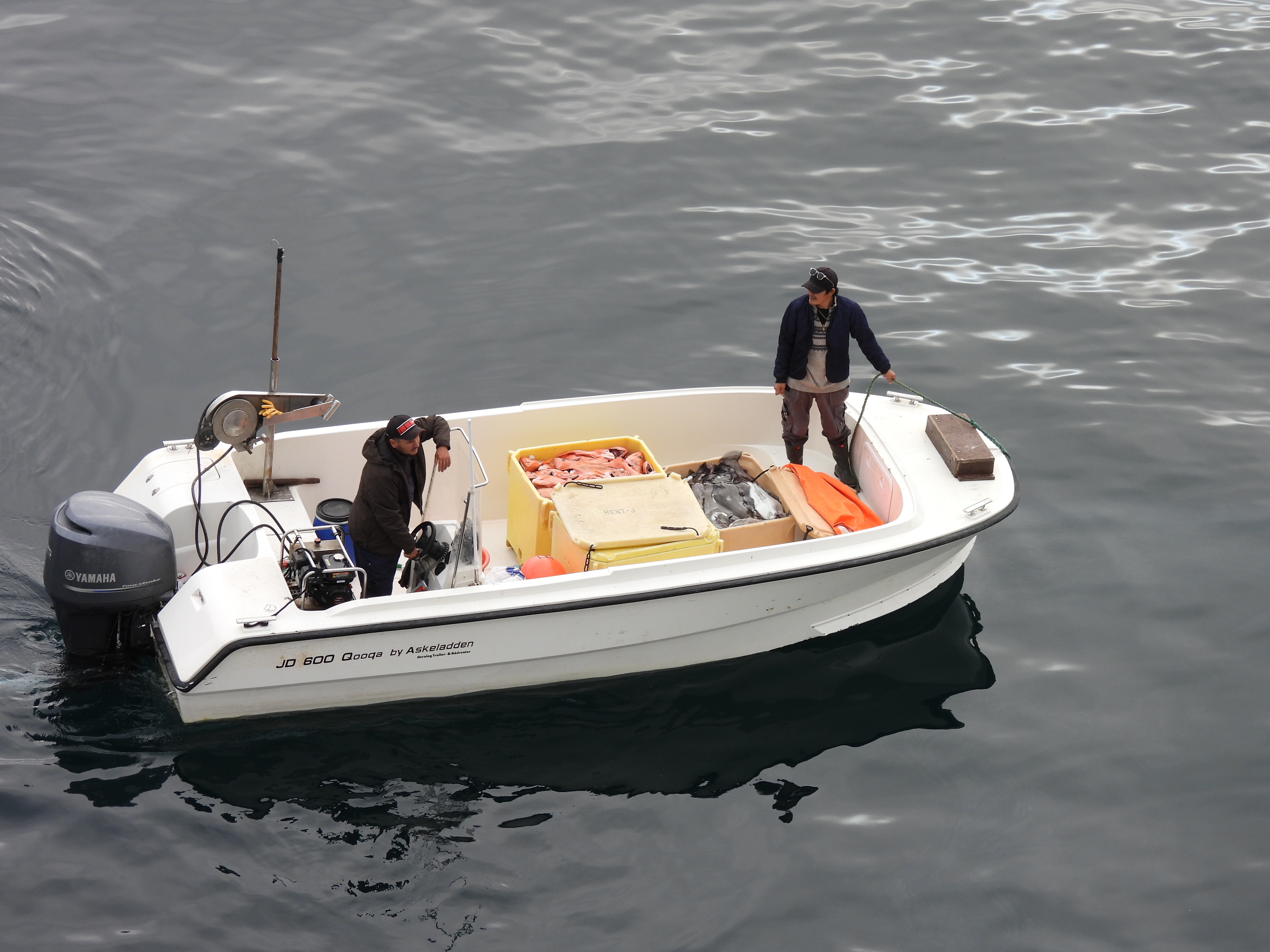
Two fishermen circled the cruise ship in a small boat, as if searching for its front door. Their catch lay glistening in the morning light: one fish unmistakably a red snapper, the other a flat, dark specimen—perhaps a flounder or some local cousin of it. I wondered if their delivery was destined for our dinner!


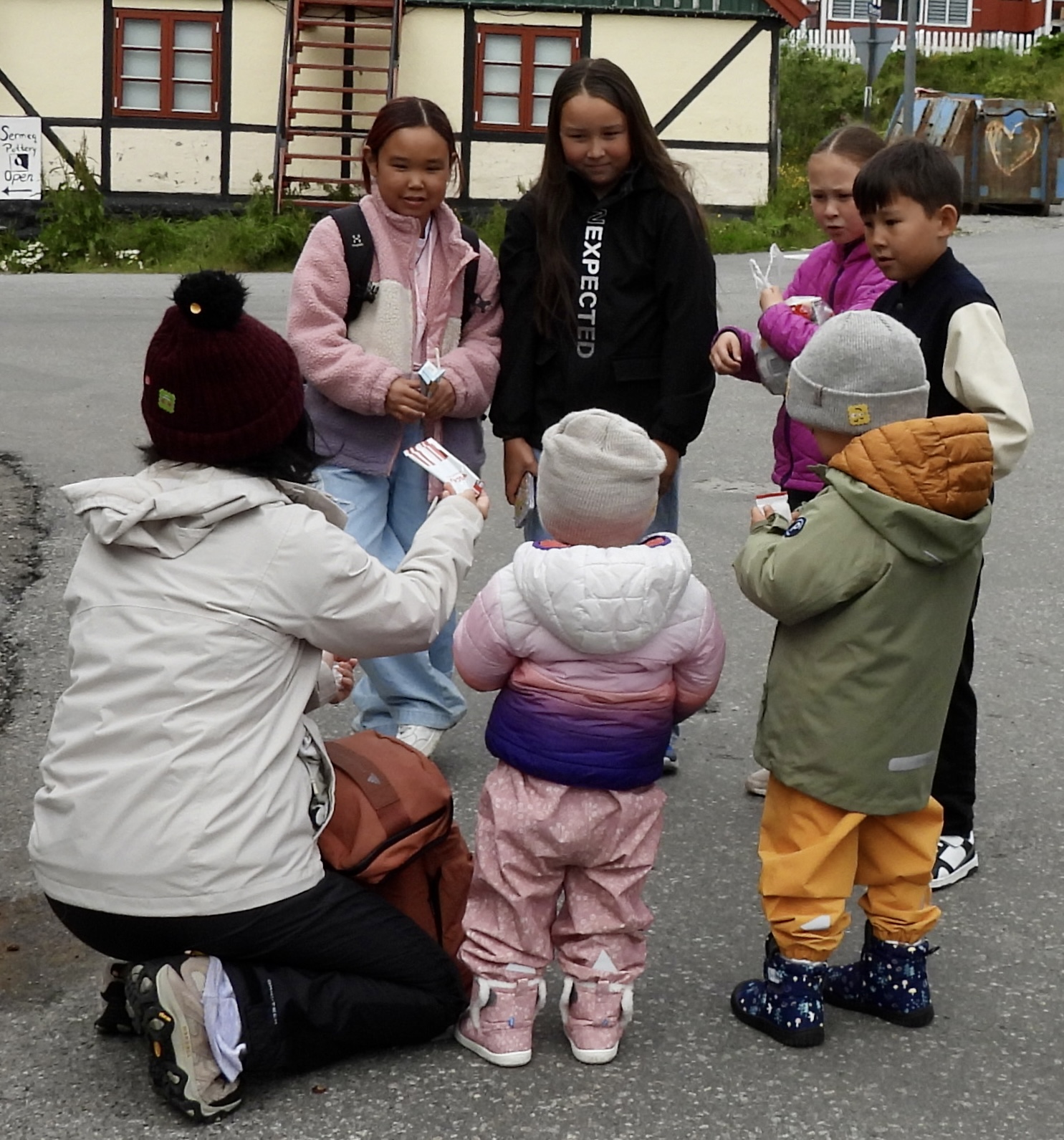
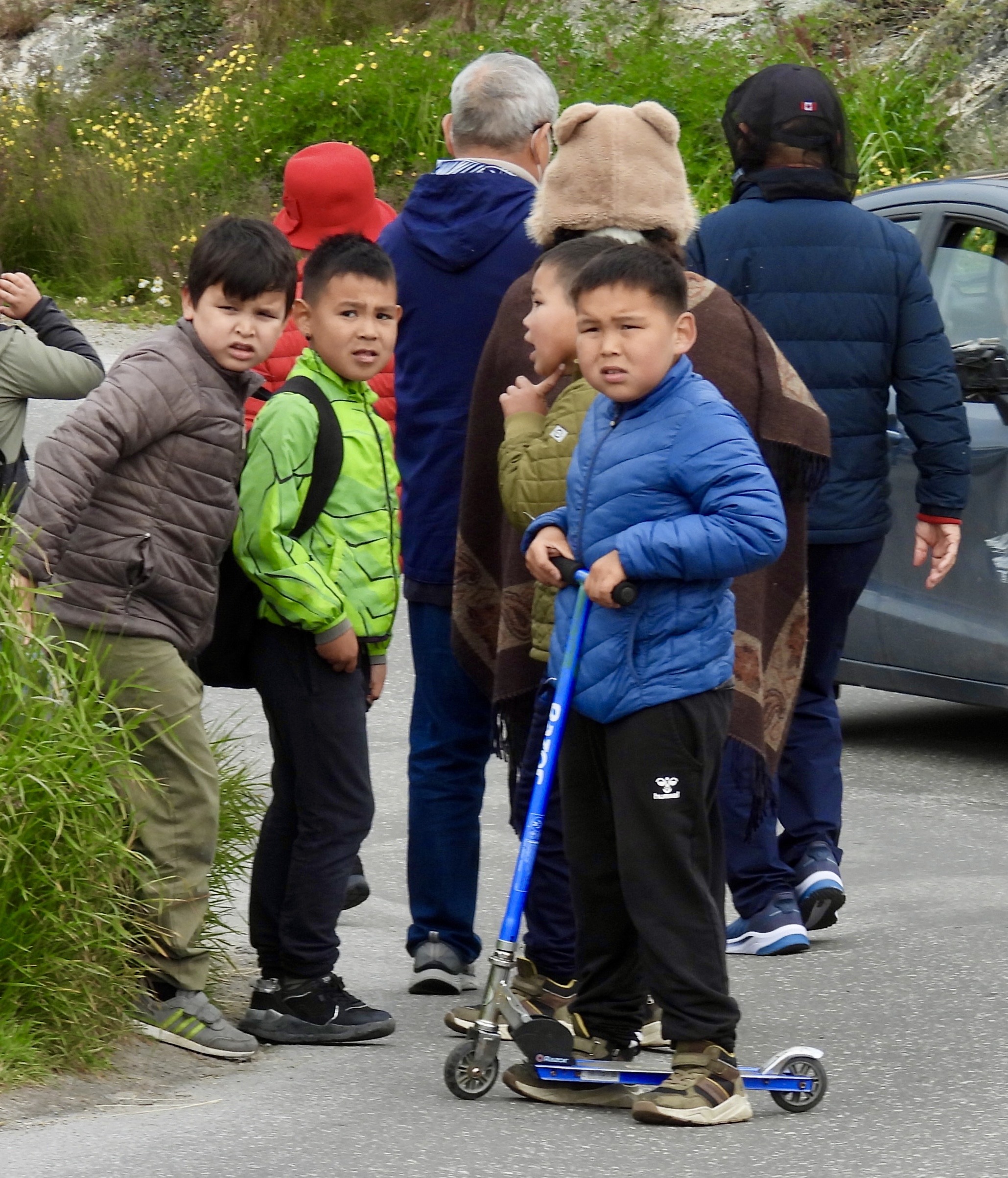
Once ashore, Qaqortoq greeted us with a quiet vibrancy. Unlike some of the more remote stops on our journey, this town felt lived-in. Children walked to school with backpacks bouncing, families strolled the streets, and cheerful youngsters tried out their English on passing tourists. There was a sense of rhythm here, of daily life unfolding with gentle pride.
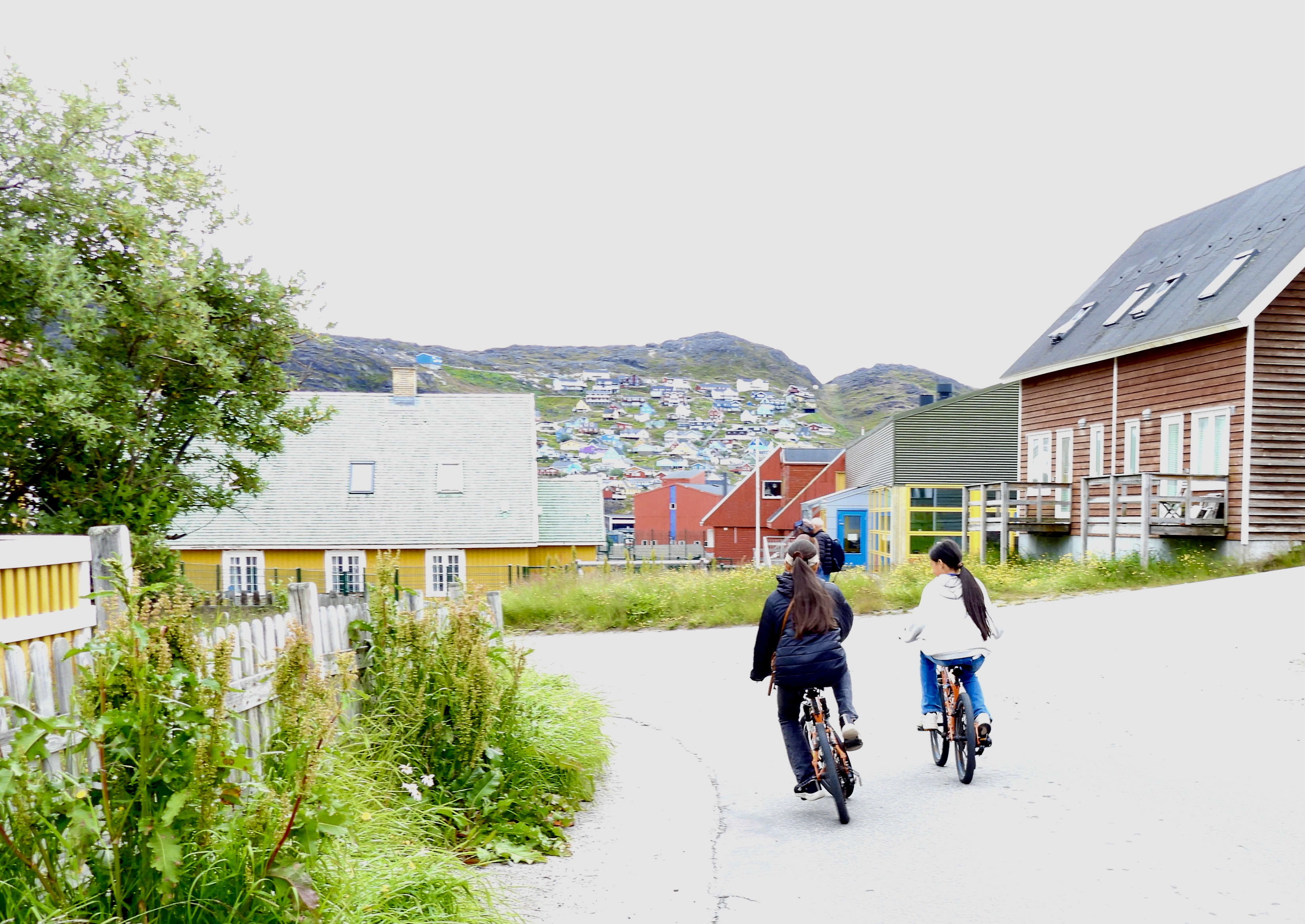

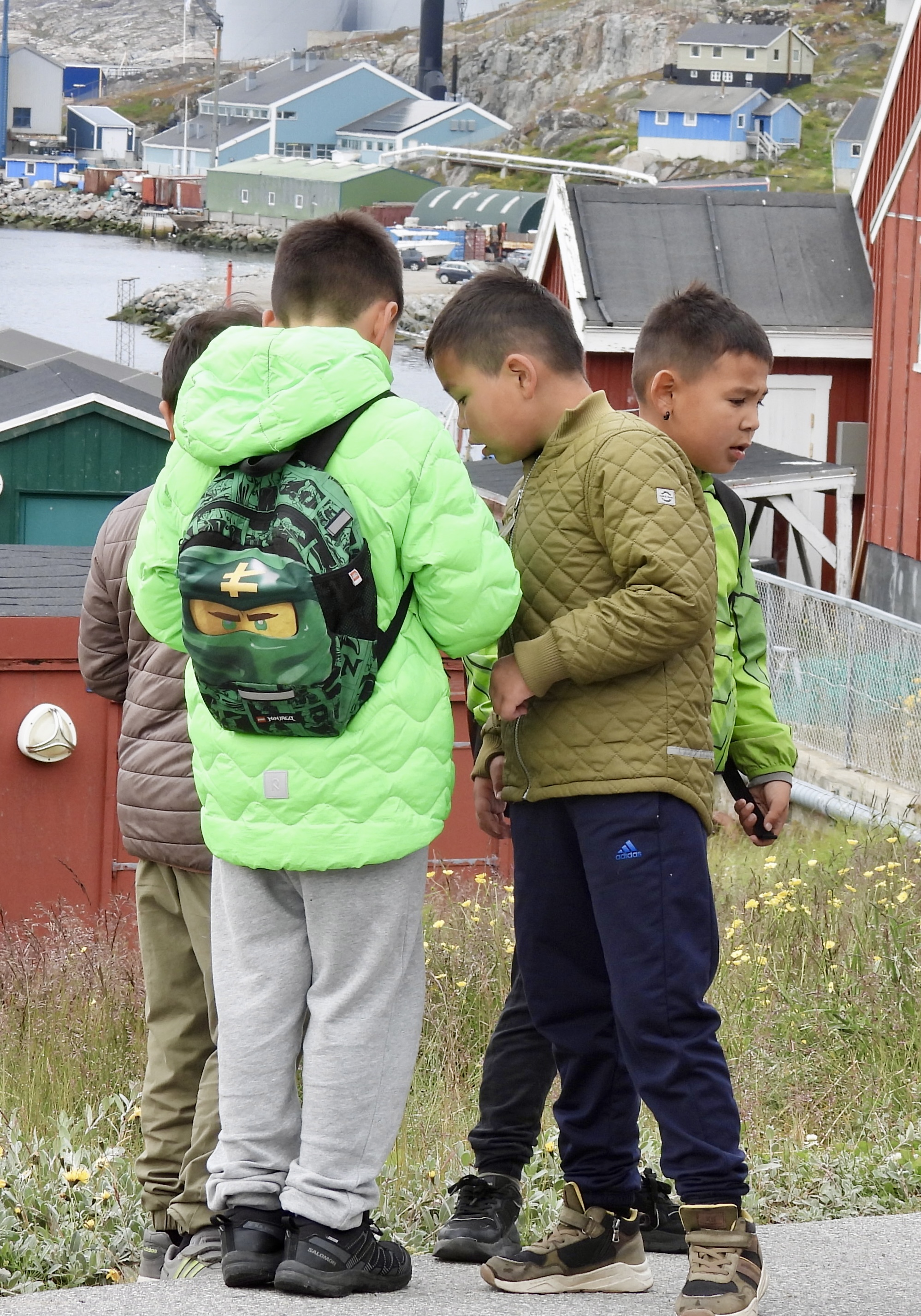
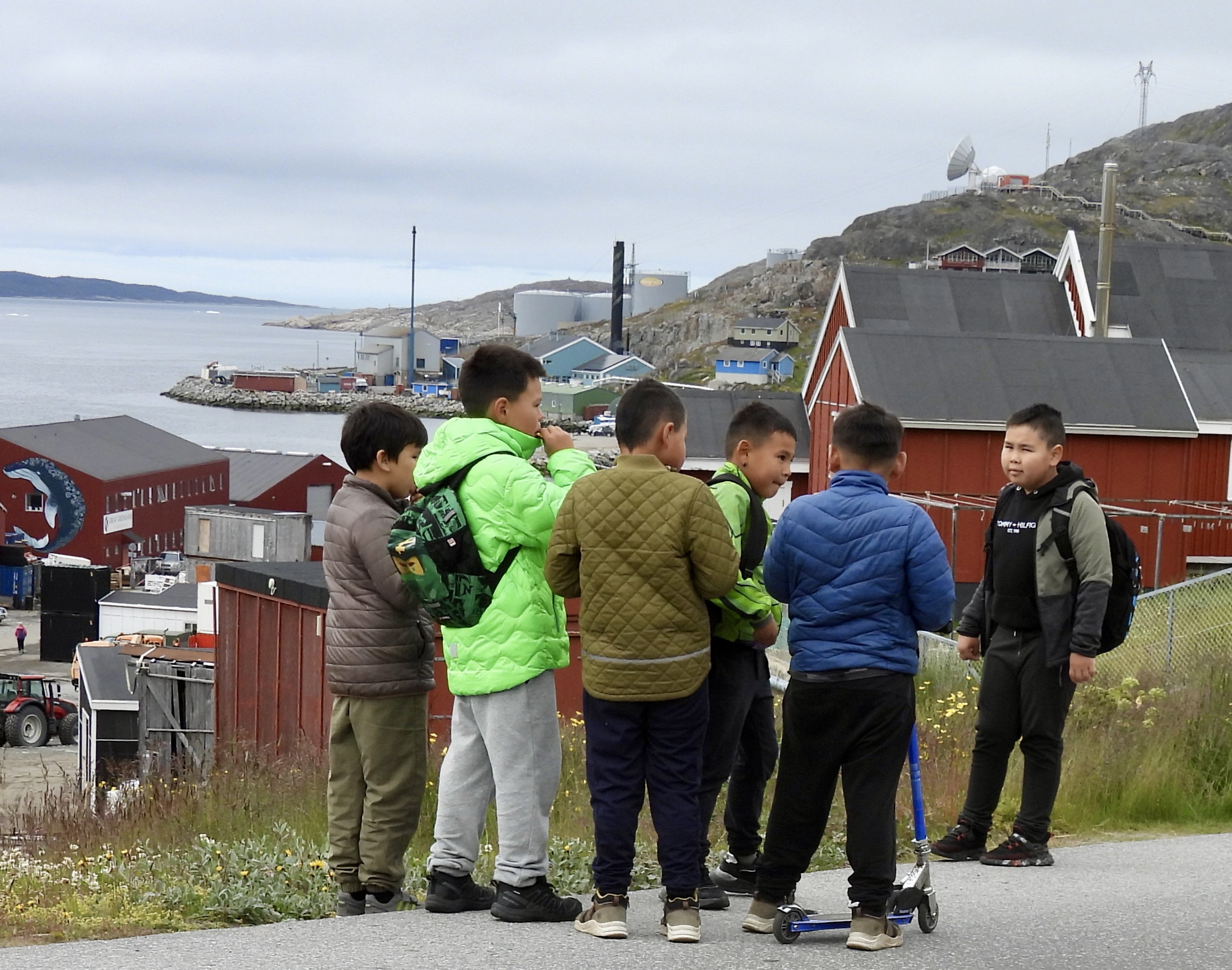
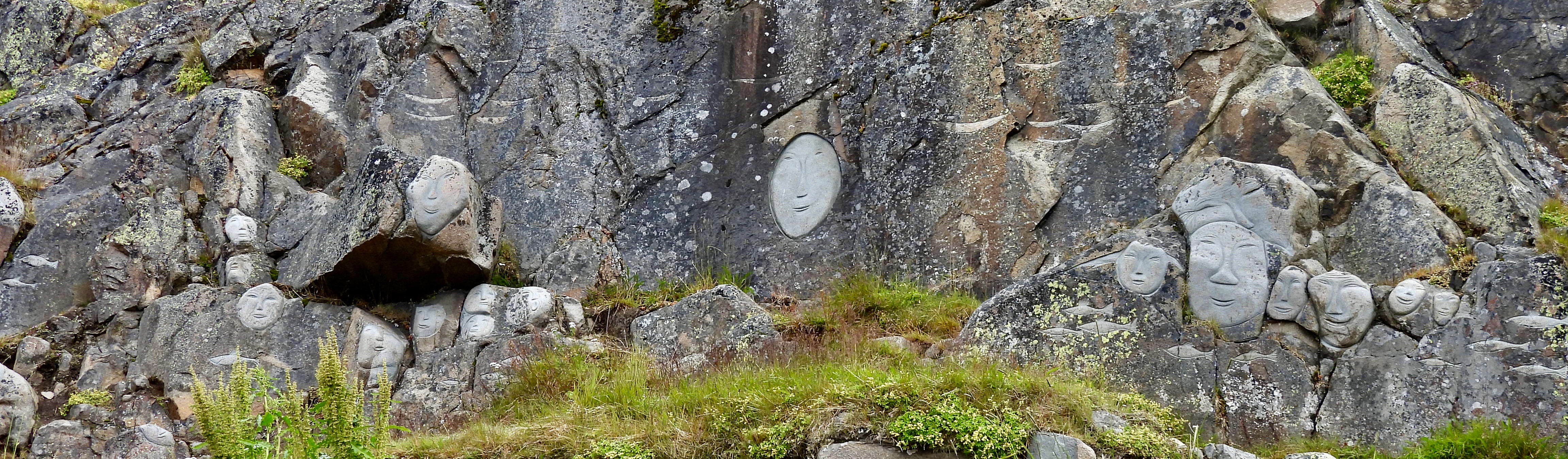
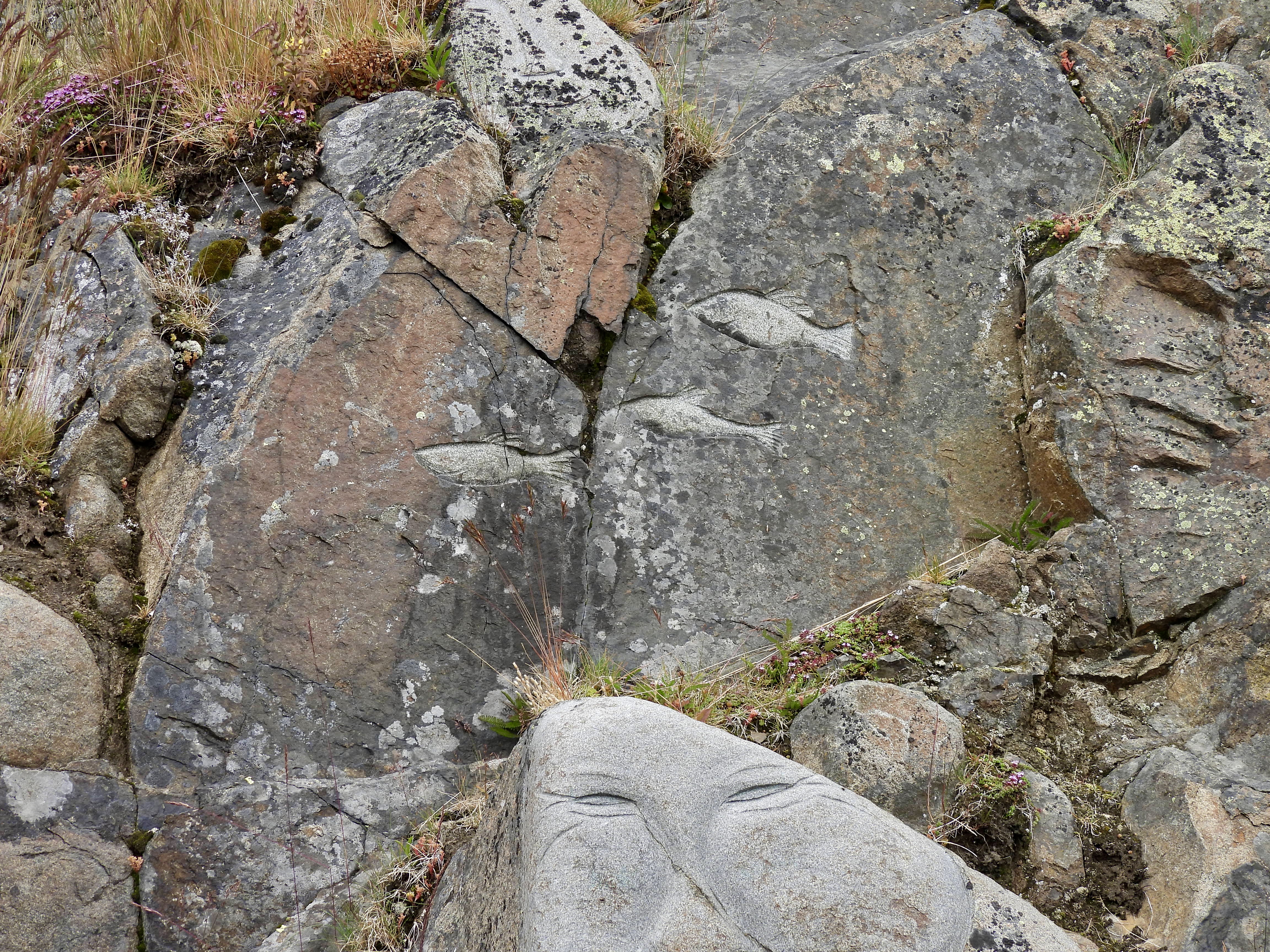
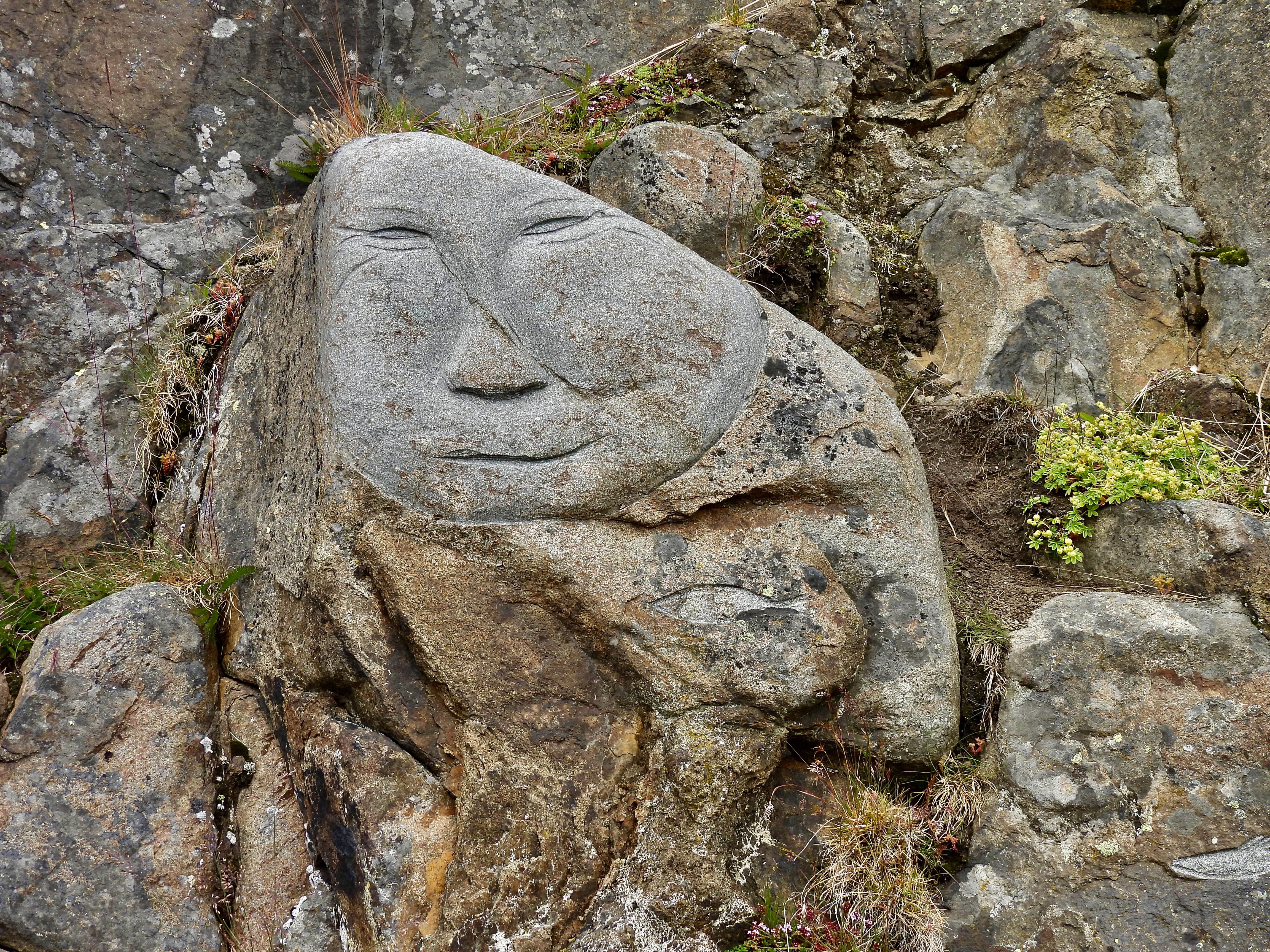
We wandered past homes painted in bold, cheerful colors—bright blues, barn reds, and sunny yellows—that stood out against the muted landscape like confetti on stone. Along the way, we paused to admire the town’s signature carvings—faces, whales, and symbols etched into boulders as part of the Stone & Man art project. Each carving felt like a whisper from the land, a story told in granite. The day passed easily, with friendly exchanges and quiet moments.

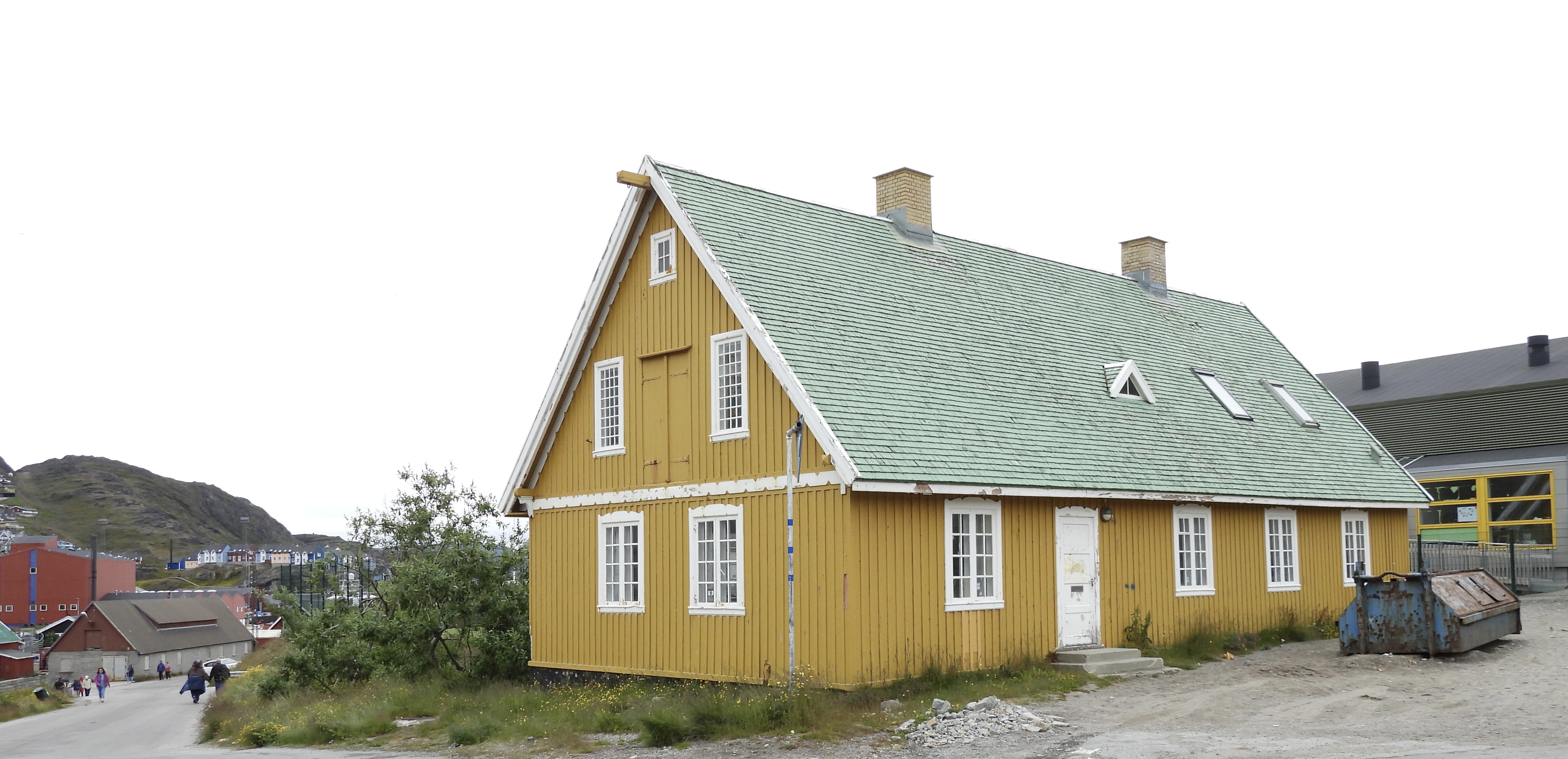


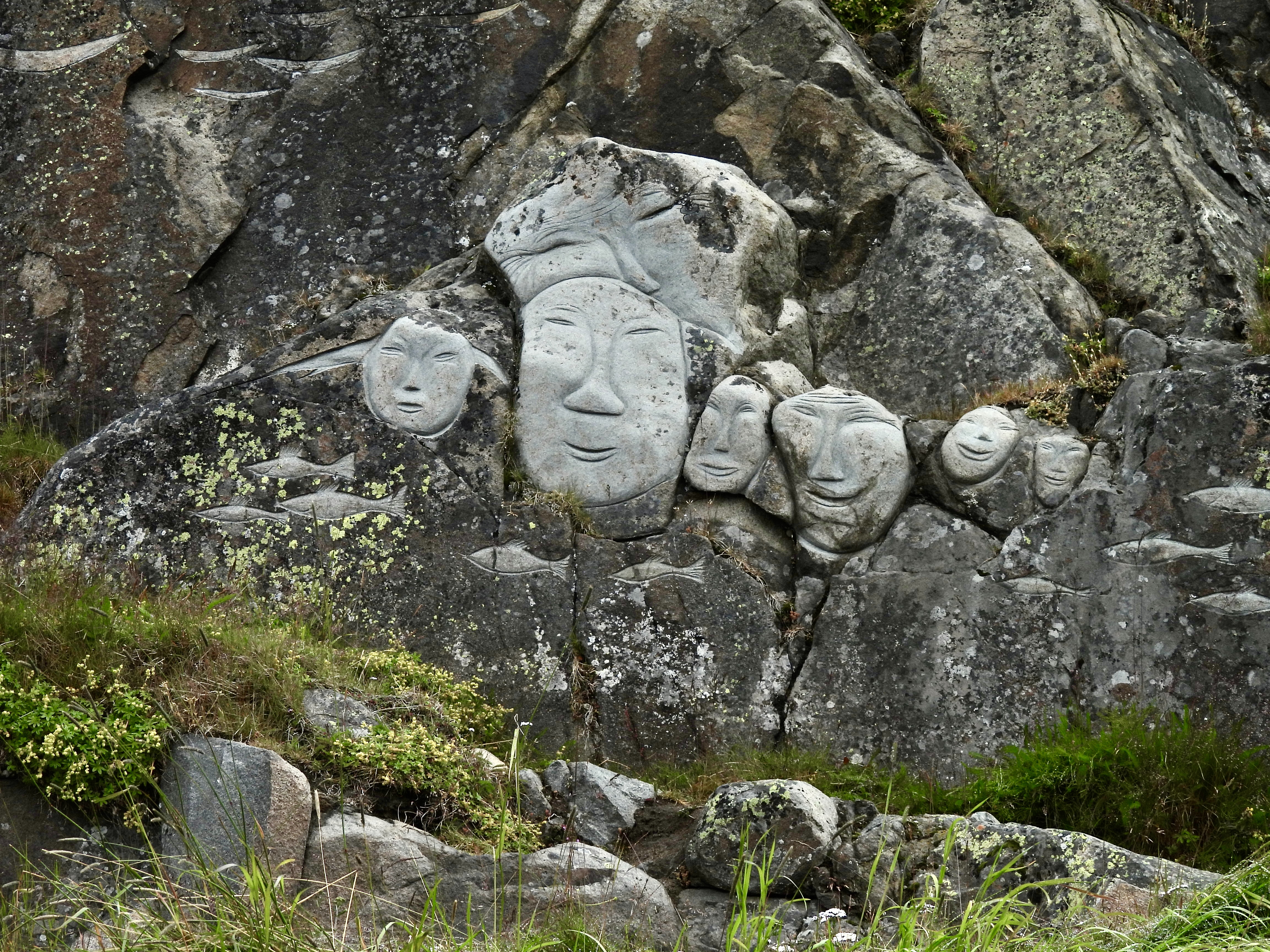
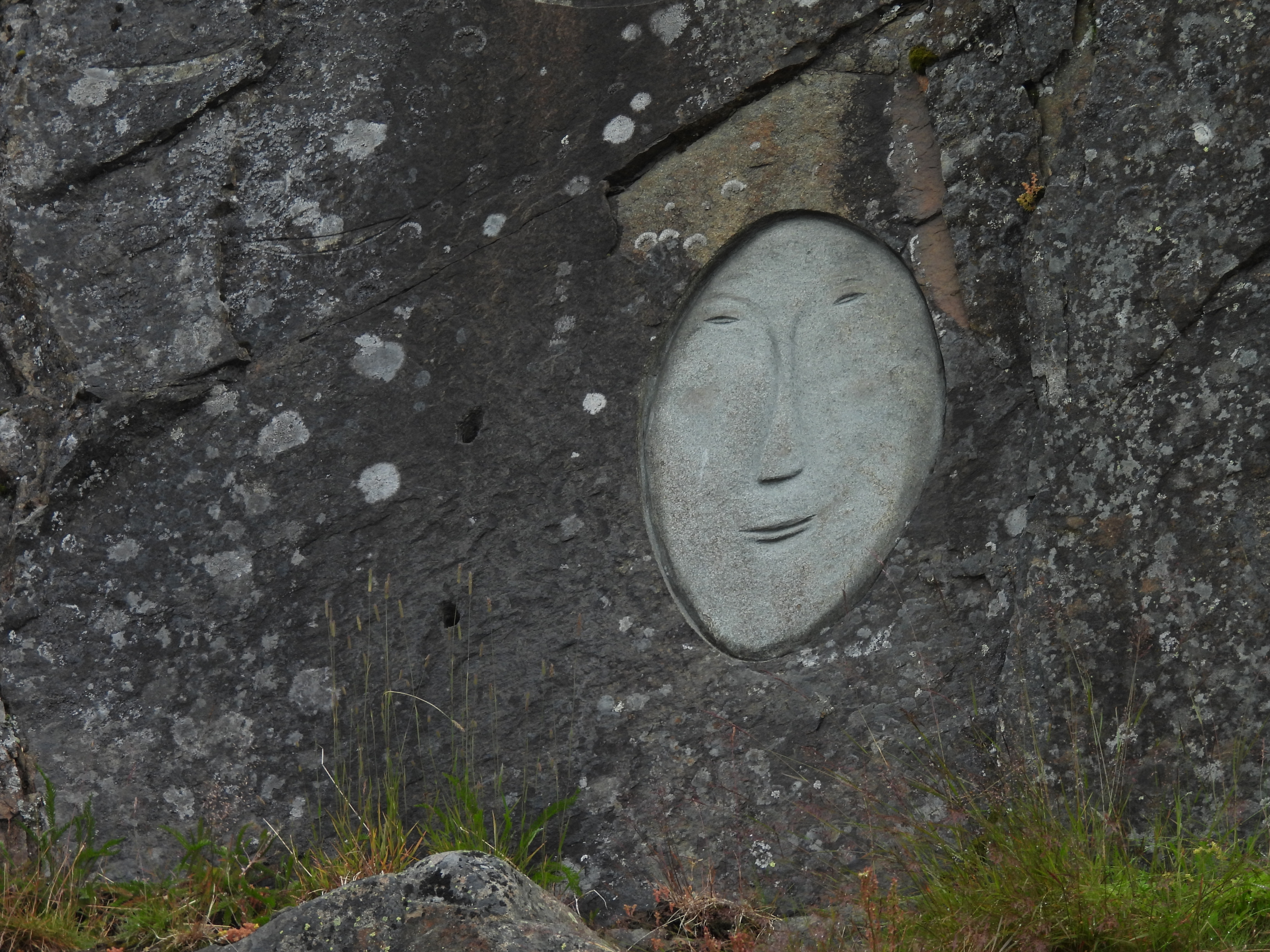
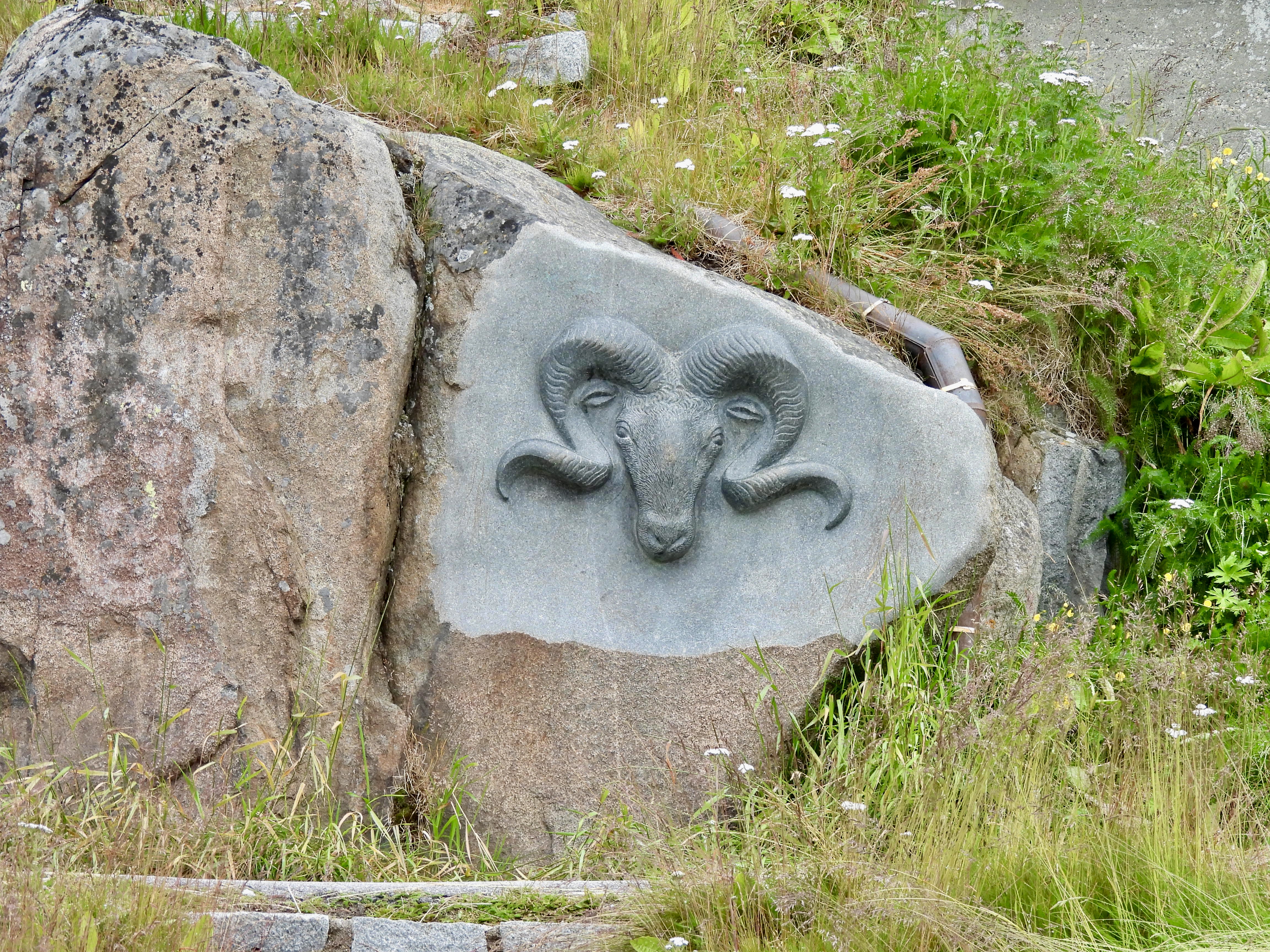



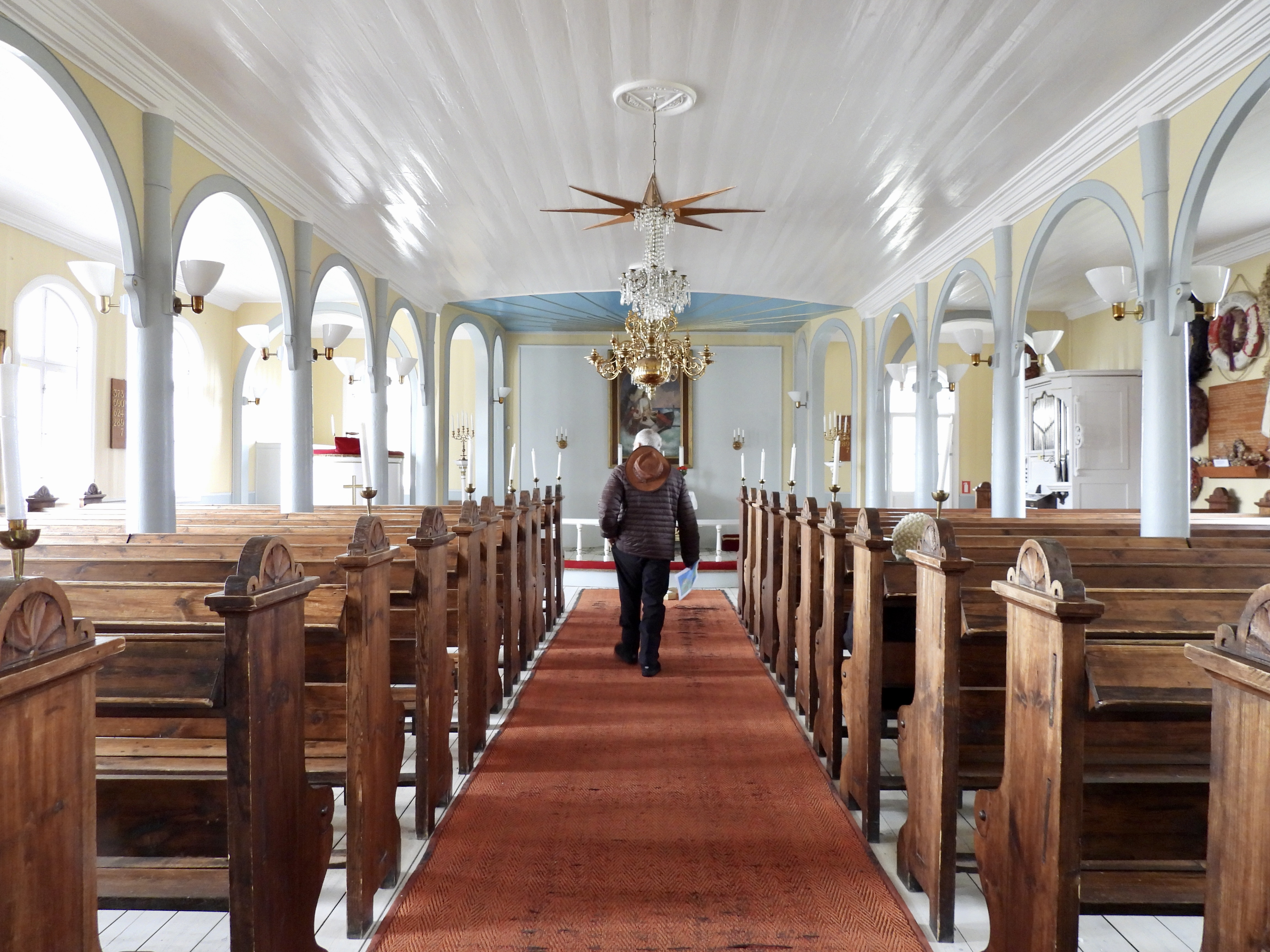
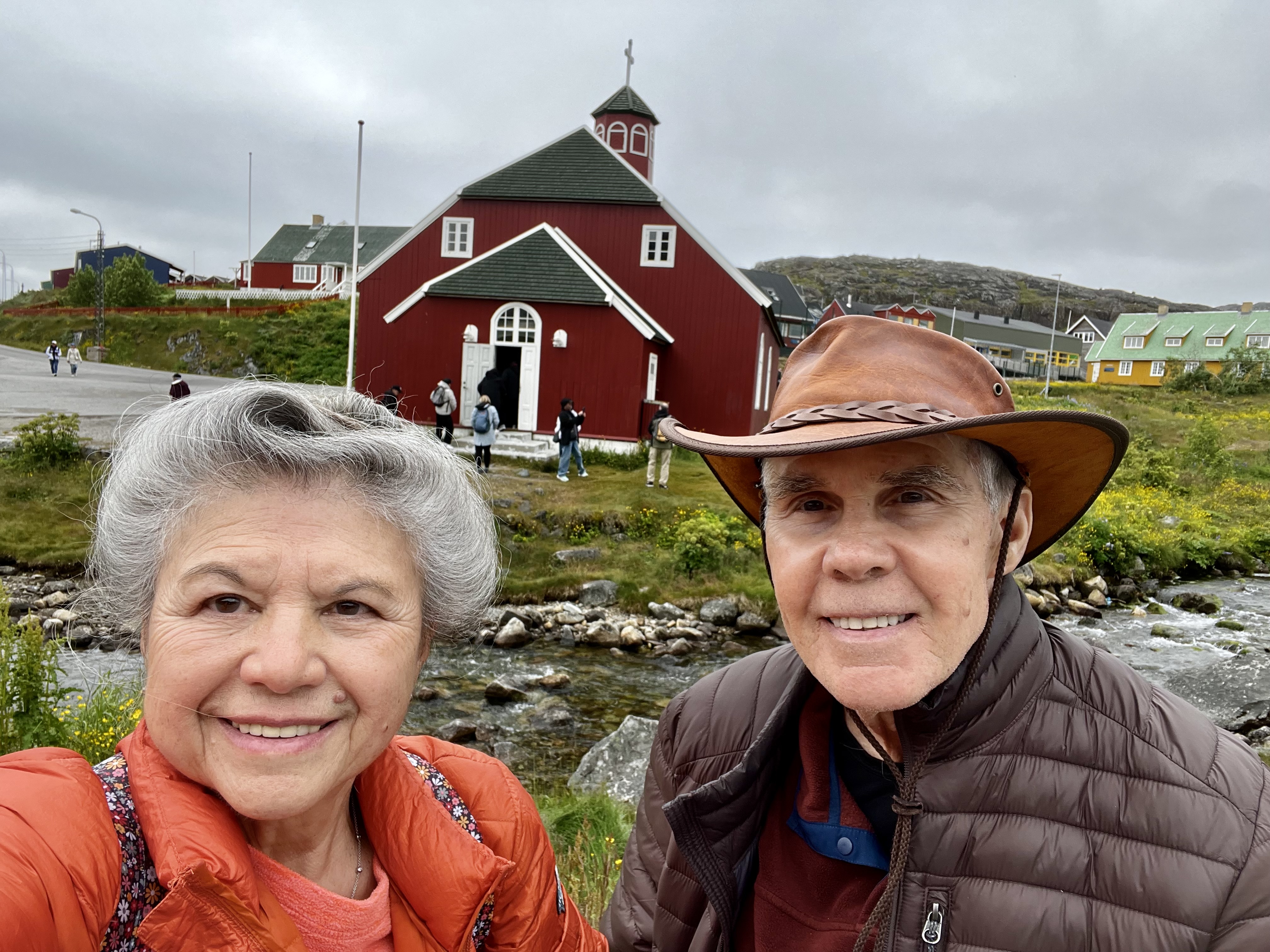
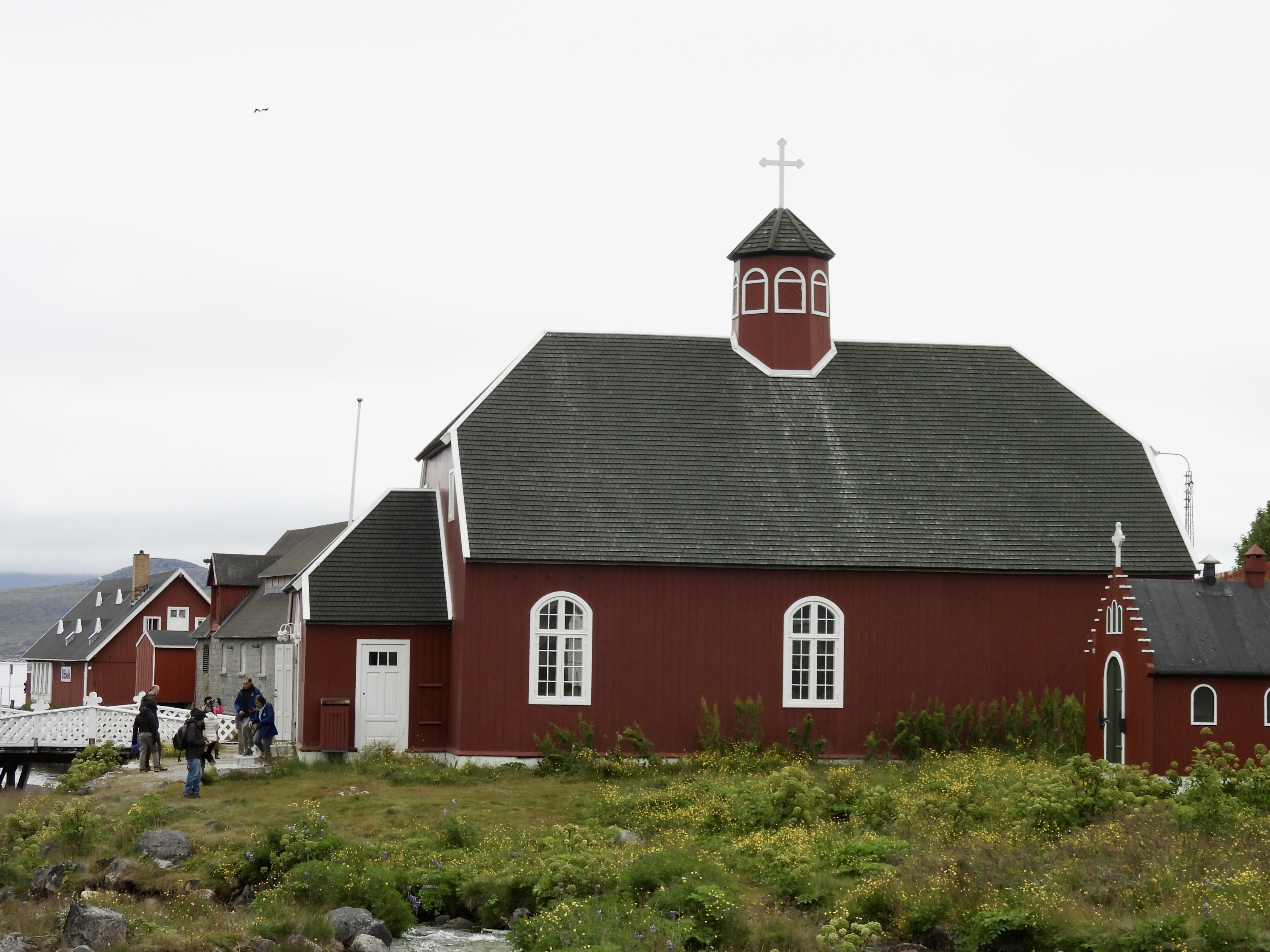
In the heart of Qaqortoq’s old colonial harbor district stands the Church of Our Saviour, a striking red wooden Lutheran church built in 1832. Commissioned by Danish missionaries and the city of Drammen in Norway, it has served as a spiritual anchor for the town for nearly two centuries. Inside, a model of the royal trade ship Hvalfisken hangs from the ceiling, and a commemorative lifebuoy honors the ill-fated M/S Hans Hedtoft, which sank in 1959 with only that buoy ever recovered.
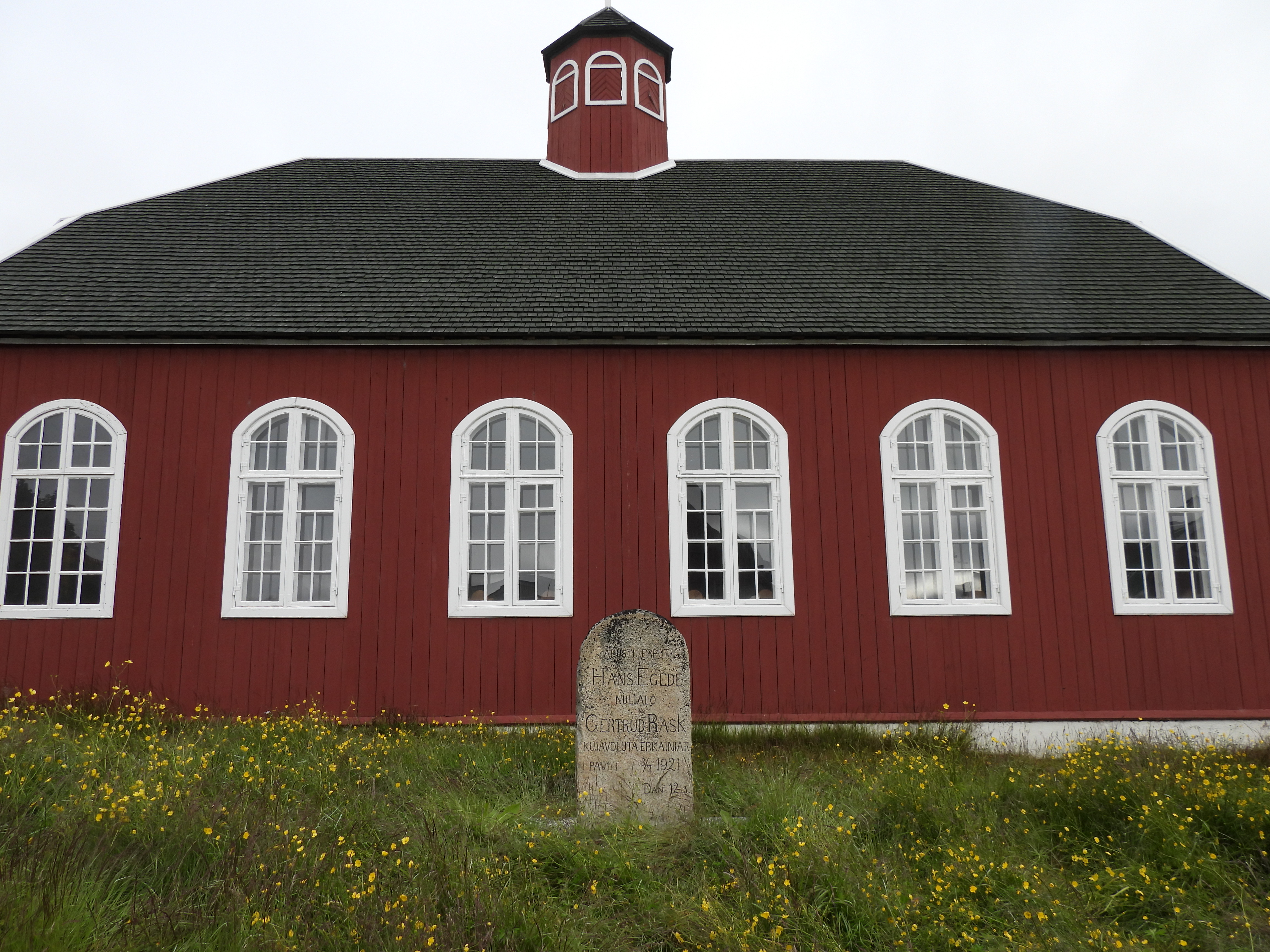

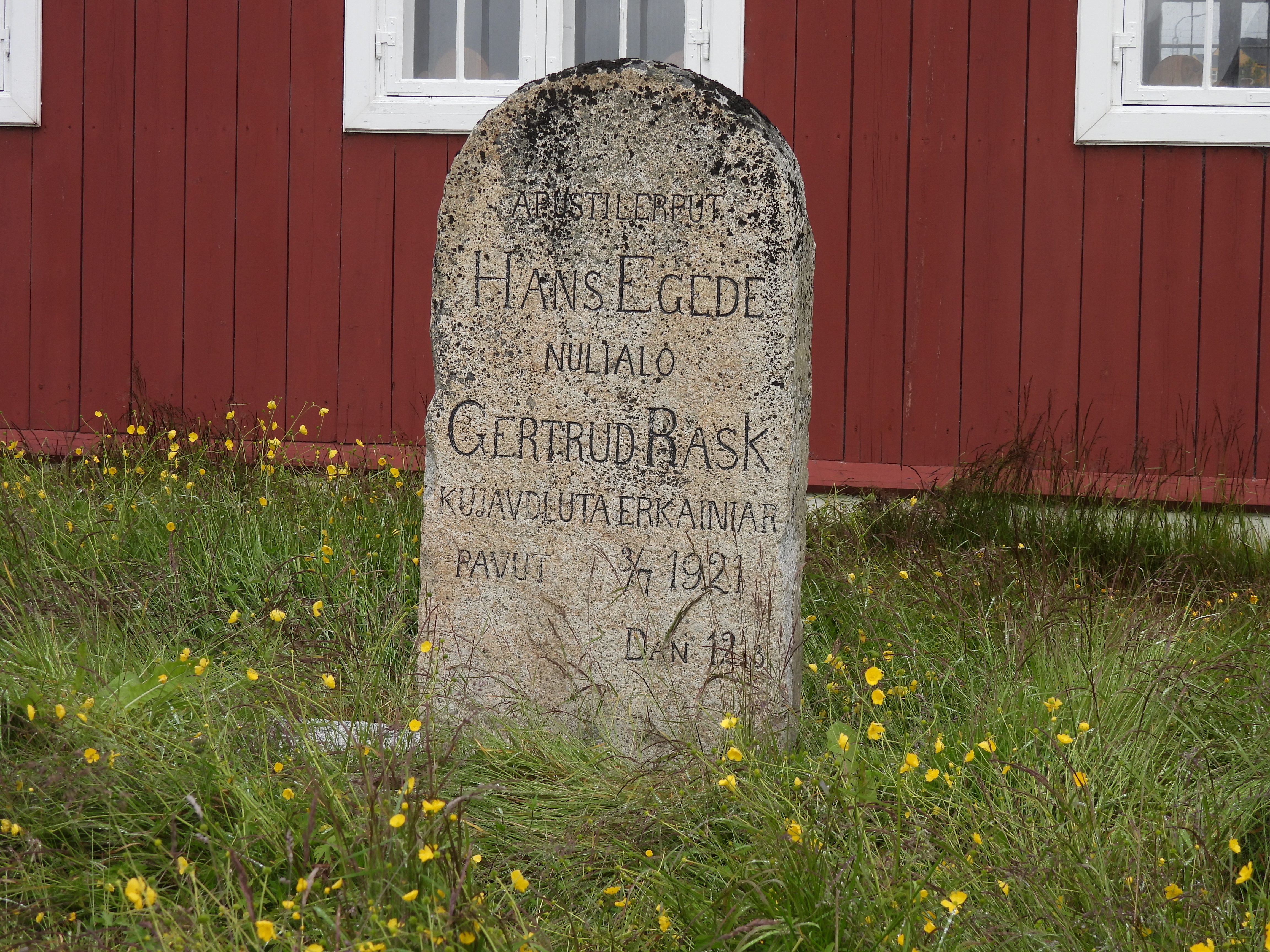
Outside the church, a memorial stele honors missionary Hans Egede and his wife Gertrud Rask, whose legacy shaped much of Greenland’s early Christian history. Though they are not buried here, their presence is felt in the quiet reverence of the grounds.

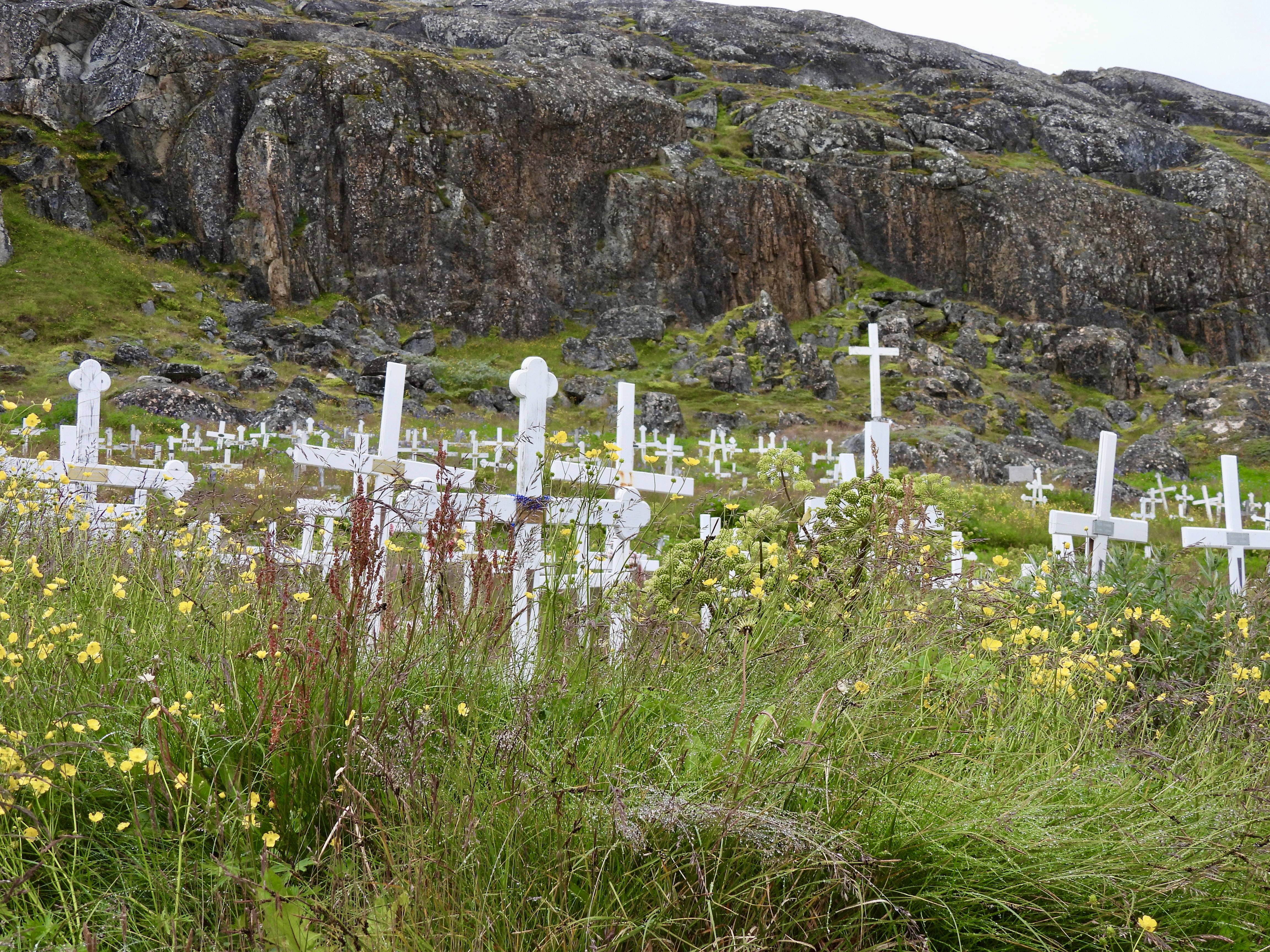
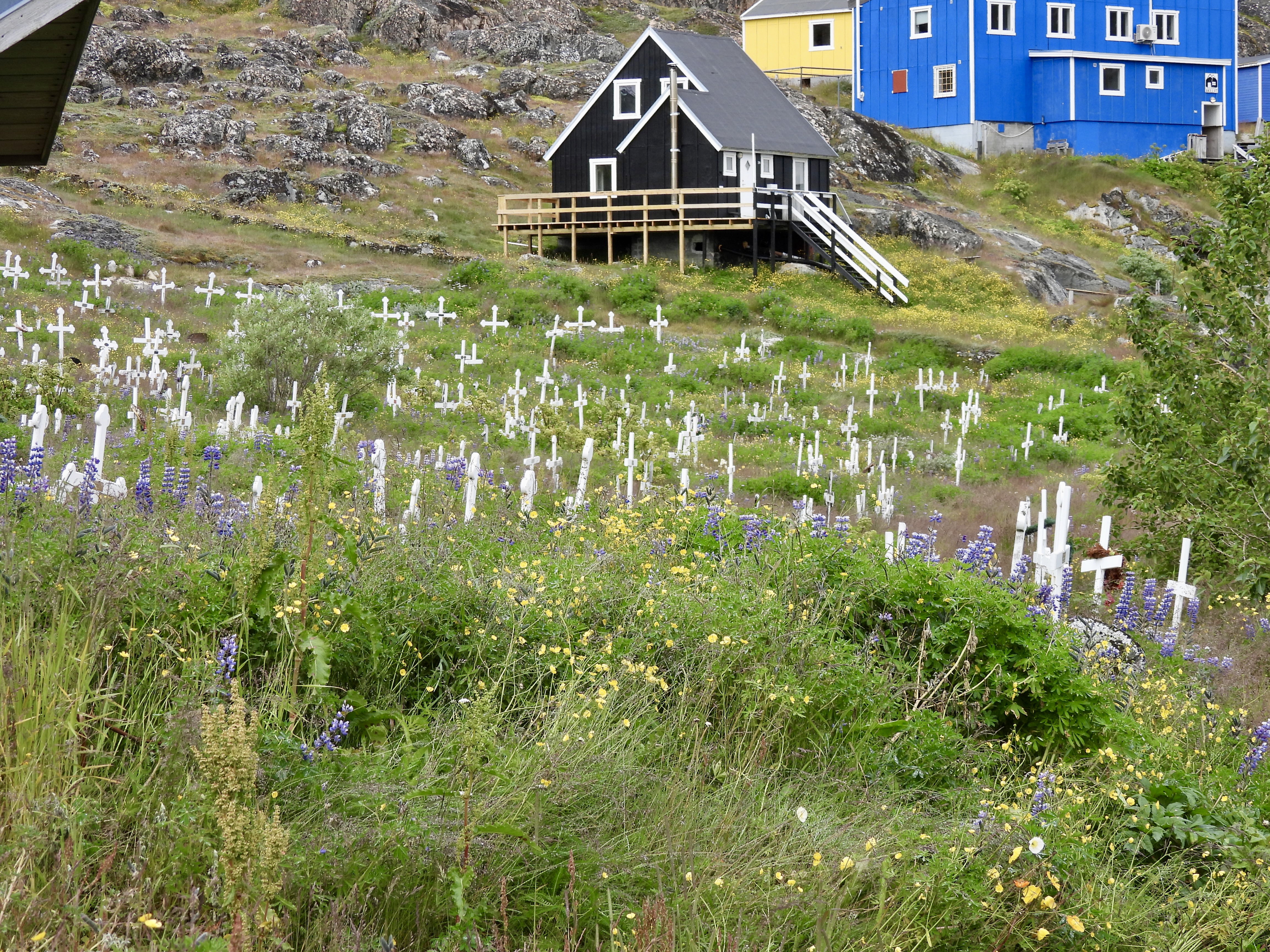
The nearby cemetery is simple and poignant—wooden crosses with brass nameplates, some adorned with plastic flowers or personal tokens. Many graves are outlined with stones, echoing ancient Viking burial traditions. It’s a place where history, memory, and daily life quietly converge.
And then, as if the morning had looped back to greet us, I spotted red snapper on the dinner menu aboard the ship. I couldn’t help but smile. Was it the same fish I’d seen delivered this morning? Maybe. Maybe not. But the connection felt real—sea to shore, stranger to friend, morning to night.
Qaqortoq didn’t just welcome us. It invited us in.

 World Blog
A stunning place and wonderful update. The fish looks delicious. I would definitely had the pan seared snapper as a main especially served with one my favourite foods – eggplant. x