A Day of Family Reunions
This day was about family—reunions after fifty years, faces I hadn’t seen in decades, and names that carried stories across generations.
A Note on Kinship Terms
Filipino families use kinship titles more broadly than in the United States:
- Lola means grandmother, but it is also used for all of a grandmother’s sisters, not just one’s direct grandmother. My maternal grandmother was Lola Olympia, and her sisters—including Lola Mameng and Lola Milyana were also my lolas.
- Ate is a respectful title for any female older than you—an older sister, cousin, or even a family friend.
- Kuya is the male counterpart, used for any older brother, male cousin, or older male figure.
That’s why in this chapter you’ll hear me mention many grandparents, Ate Tessie, and sometimes Kuya, these terms reflect the Filipino way of honoring elders and older siblings, extending respect beyond immediate family lines.
Malabon – Meeting Lola Mameng’s Family
Our first stop was Malabon, where my grandmother’s sister, Lola Mameng, once lived. Here I met her adult children, my aunts, uncles and cousins, many of whom are my age or just a little older. If I had passed them on the street, I might not have recognized them, but once their names were spoken, memories rushed back. Faces matched the tales I had carried for decades.
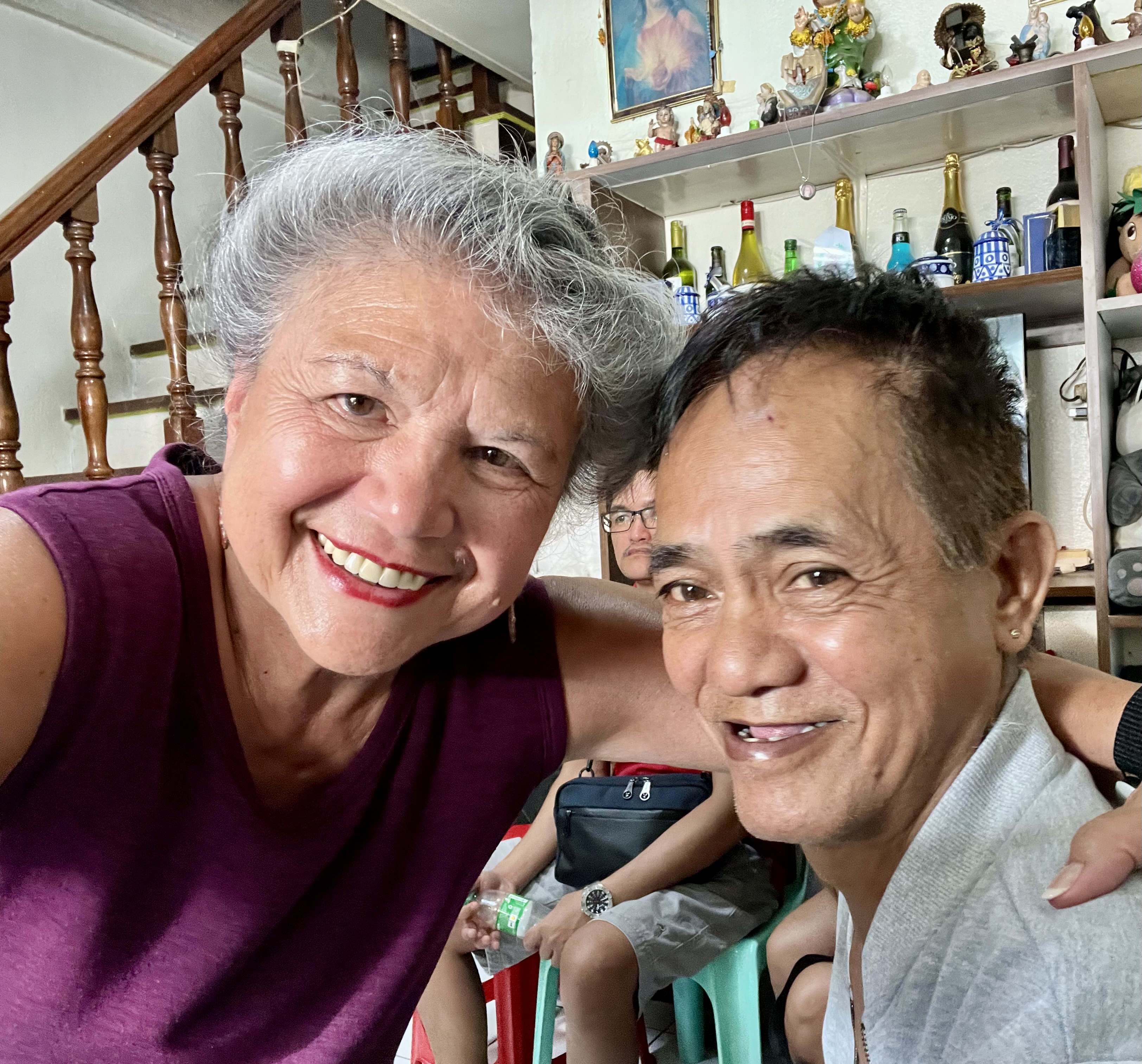
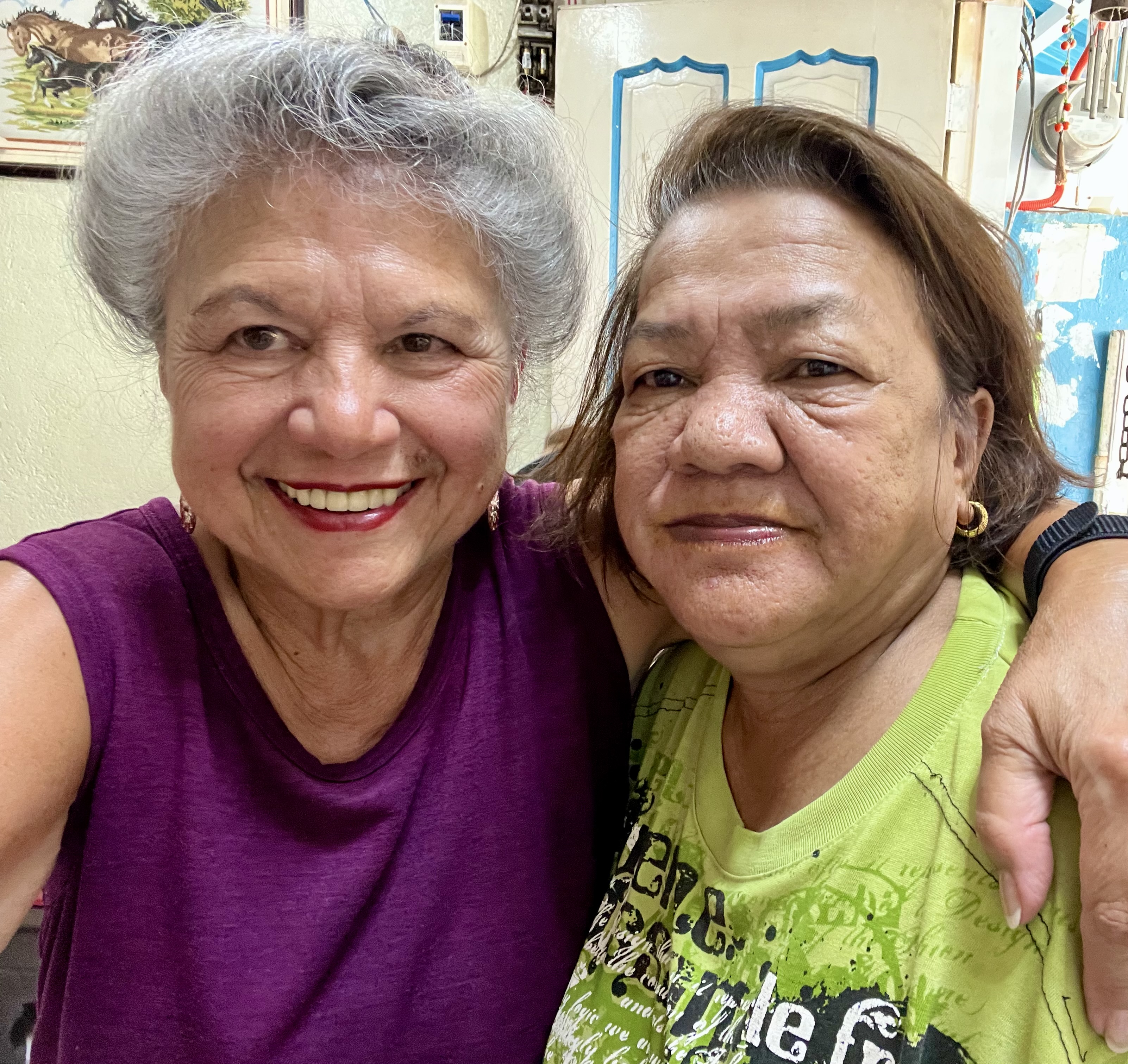

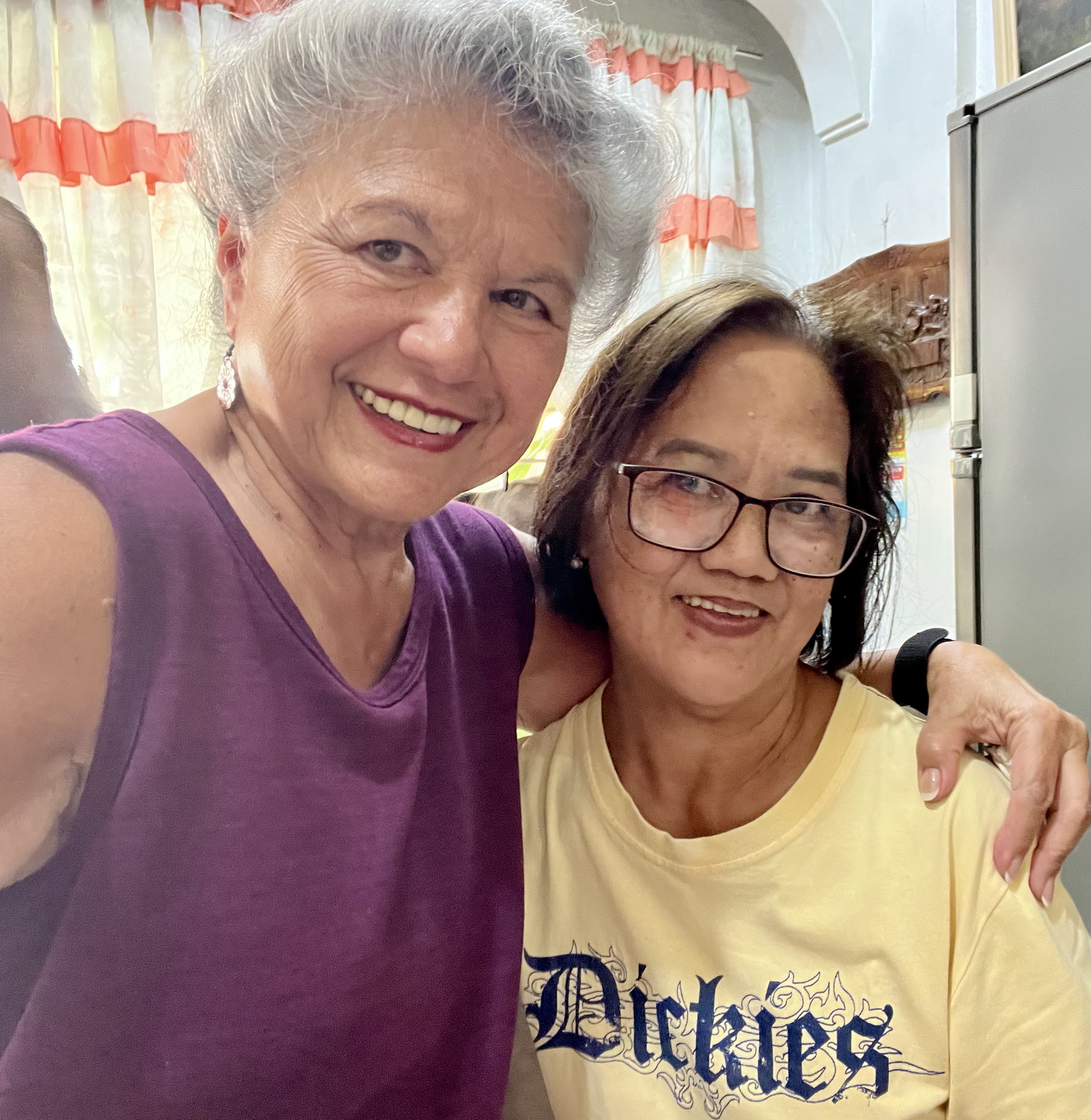
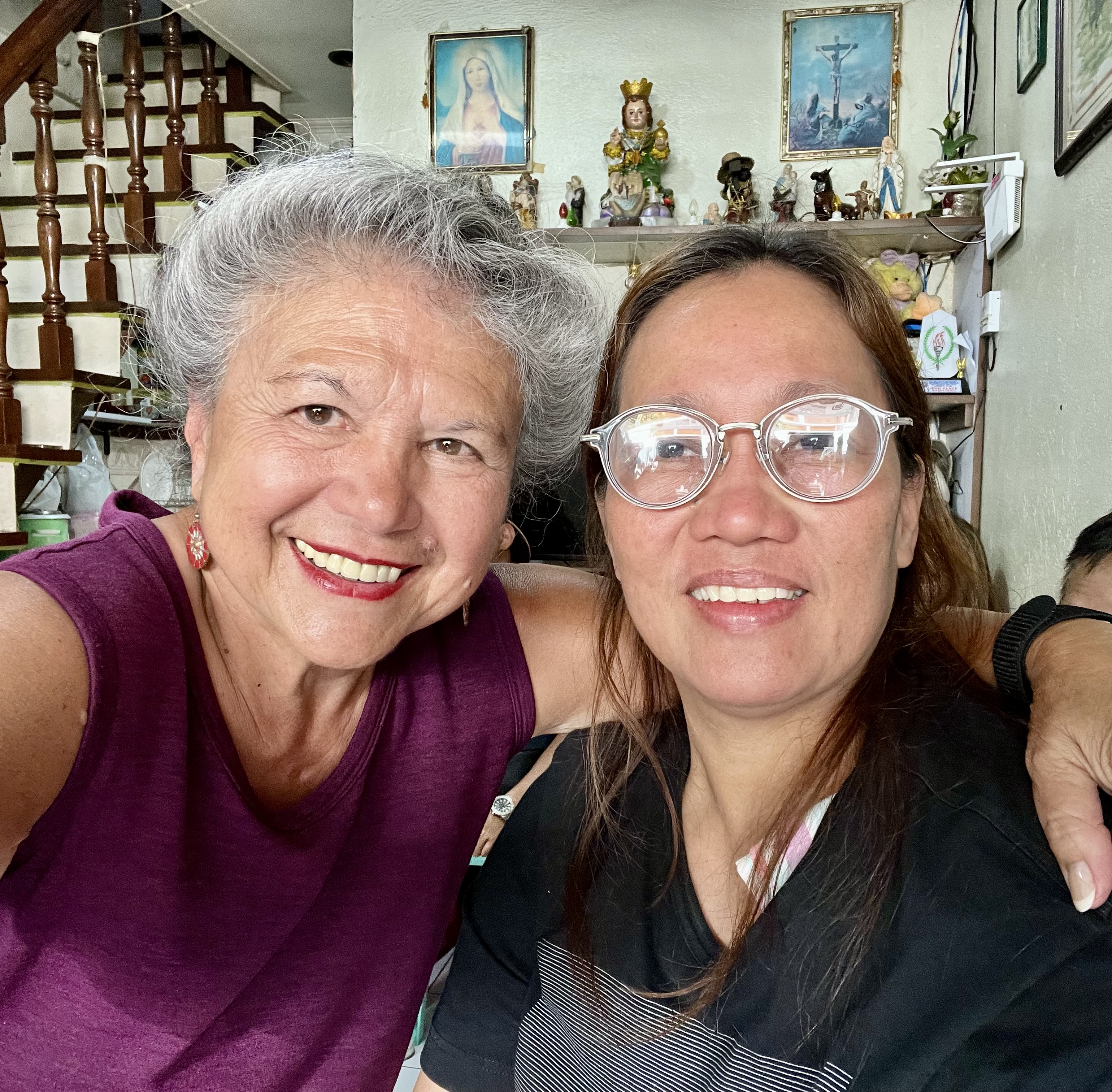
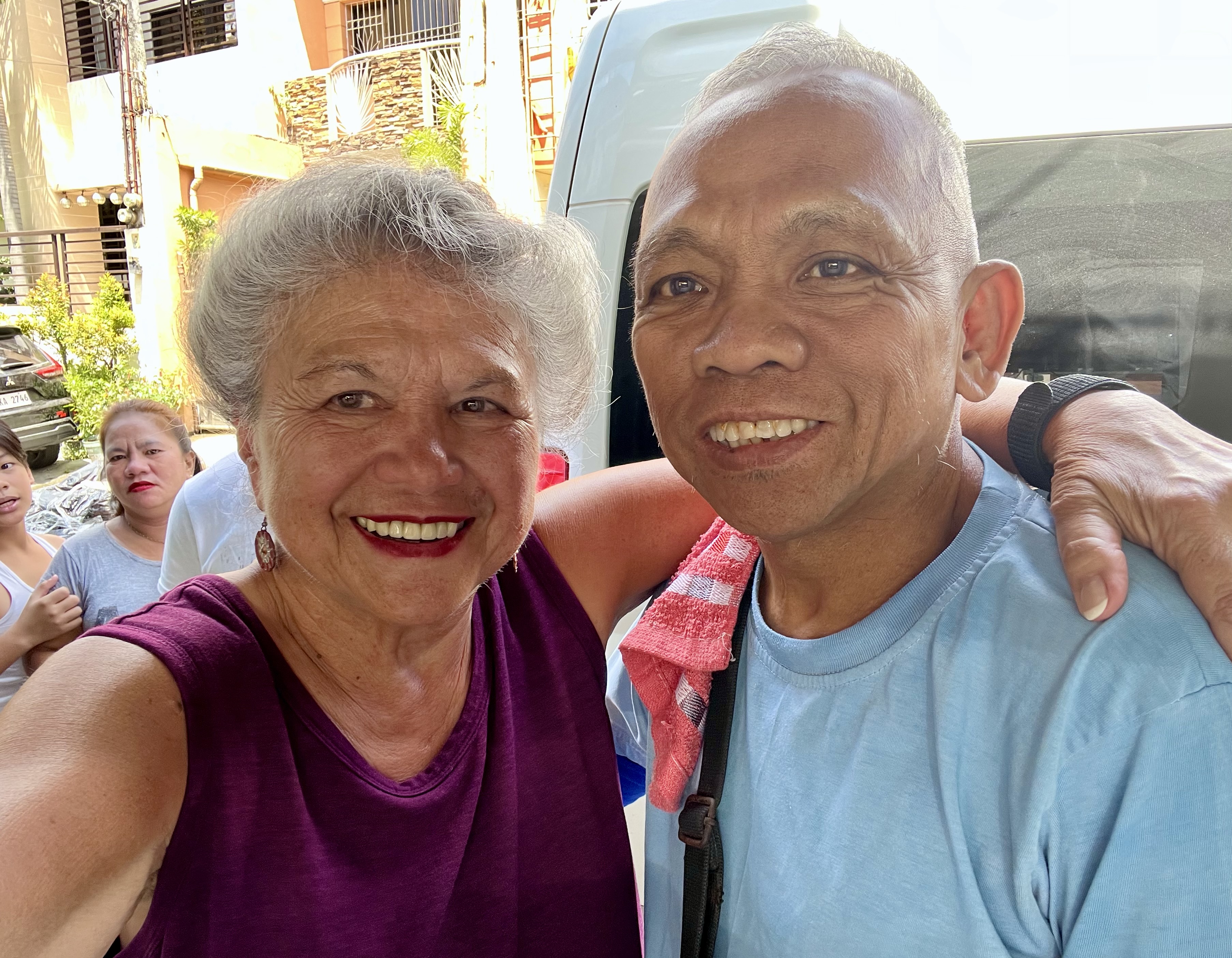
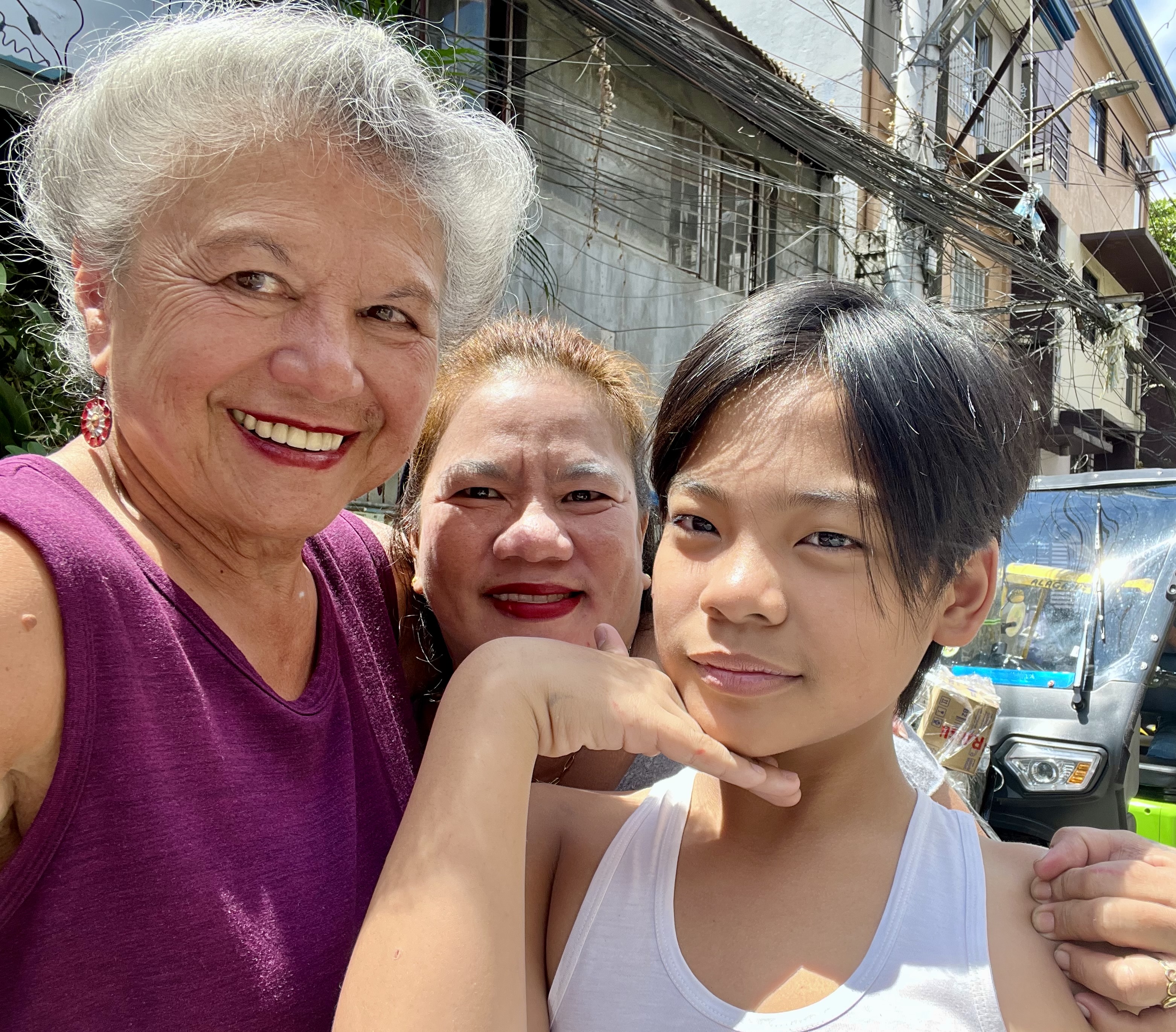
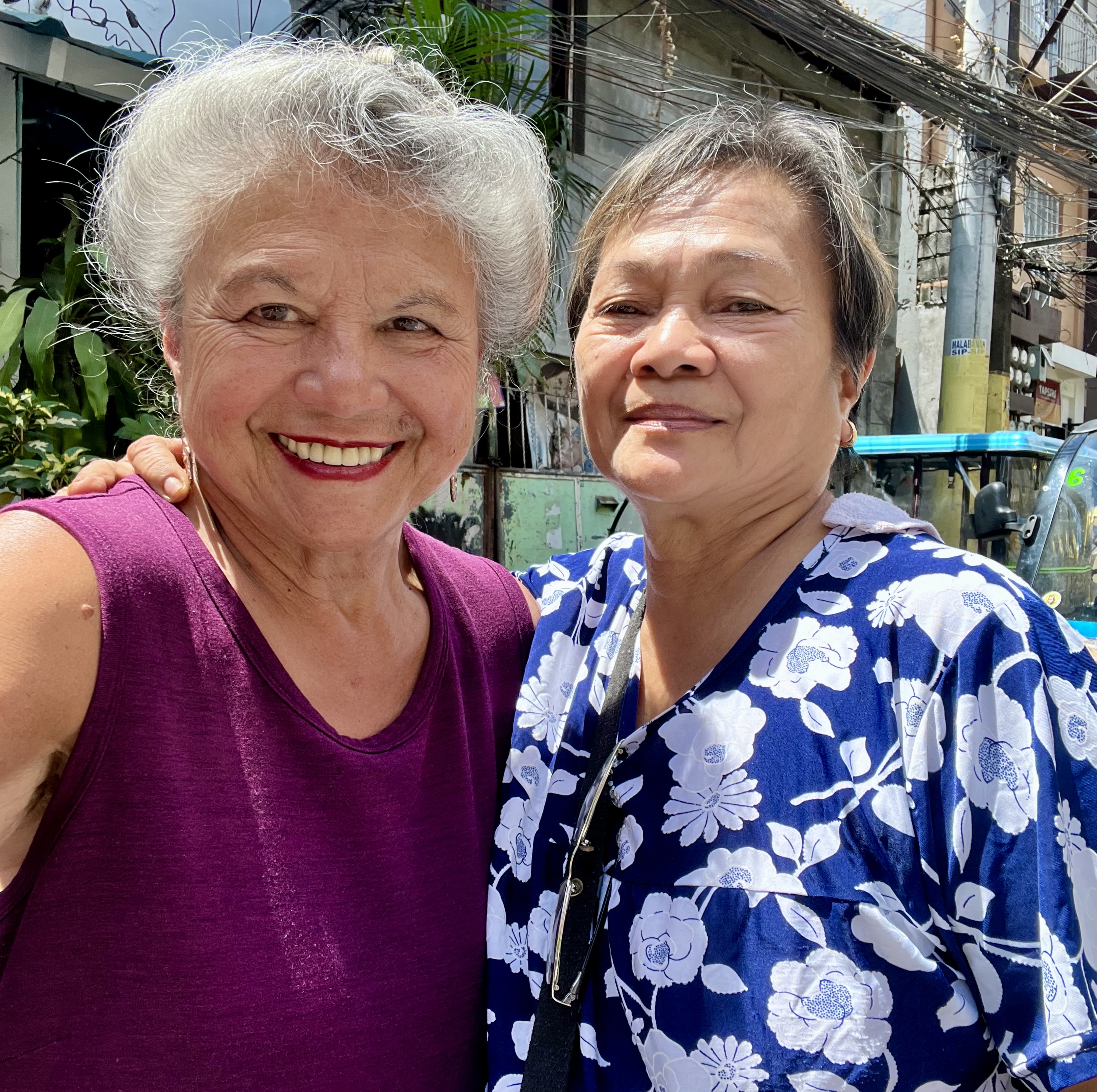
Of course, you cannot step into a Filipino home without food being served. I warned Rica and Jay not to eat too much, because within an hour we would be meeting the next batch of aunts, uncles, and cousins and I could almost guarantee another feast would be waiting. After catching up on each other’s lives, we took many photos and promised to stay in touch this time. Ironically, everyone is on Facebook except for me.
Fun Fact on the Ride Between Stops
As we got back in the van, everyone was commenting on how full they were. I reminded them once more that I had told them not to eat too much. They laughed and said they knew, but it was impossible to stop eating because everything was just so good.
Bulacan – Closer Ties and Laughter
From Malabon, we headed to Bulacan, where the adult children of Lola Milyana were waiting with a lovely lunch. I was closer to these cousins, aunts and uncles so the stories flowed more easily, and the laughter came quickly. We reminisced about the time I fell off a water buffalo—unfortunately, the buffalo was not in the water when I fell, which made the story even funnier in hindsight.
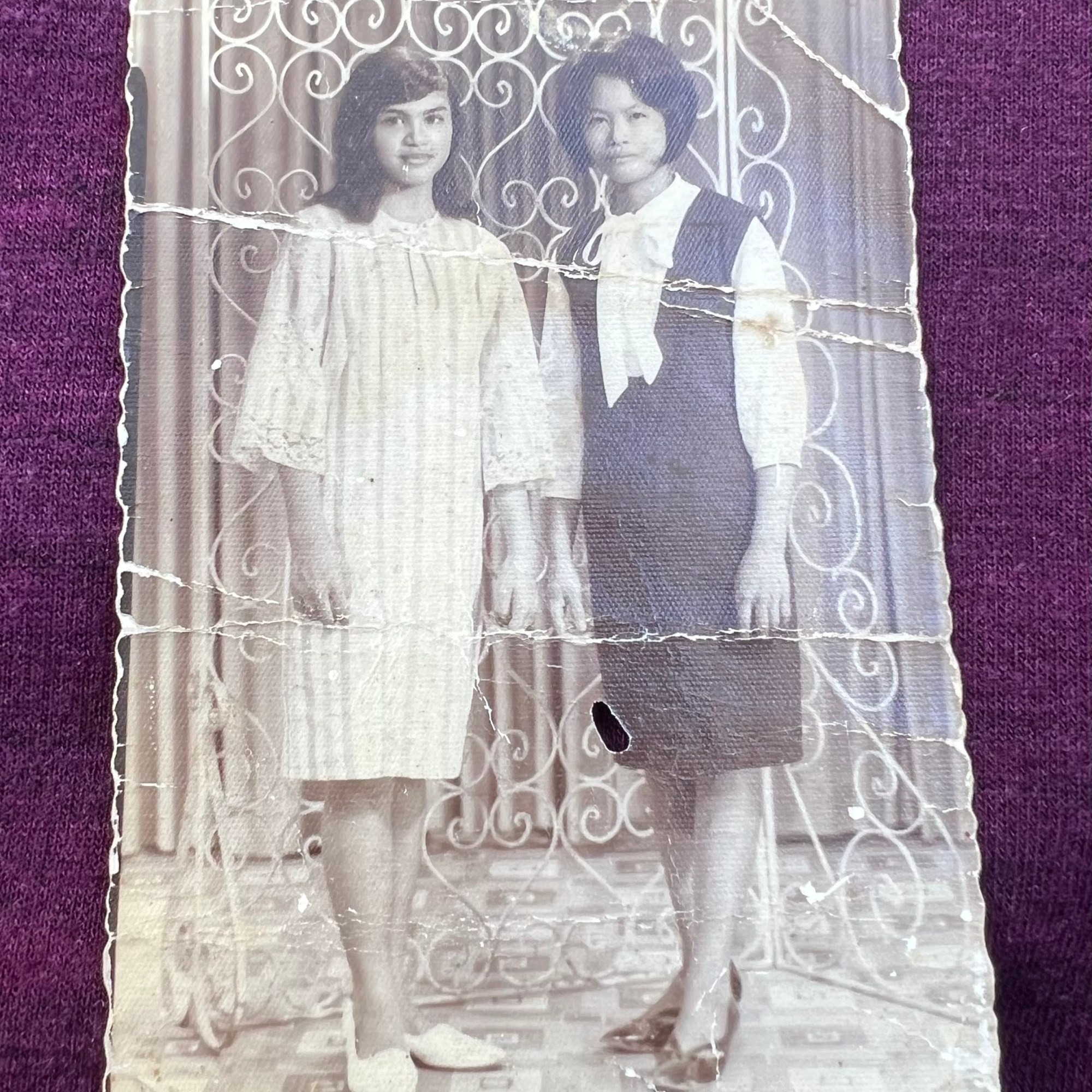
One cousin pulled out old photographs of us as teenagers. We dreamt of meeting The Beatles one day. I was always sure Paul would find me, but instead he found Linda—which, I suppose, worked out perfectly fine for him, though I still like to joke that he missed his chance. We passed around those faded photos, took new ones with the old ones, and enjoyed another meal together.
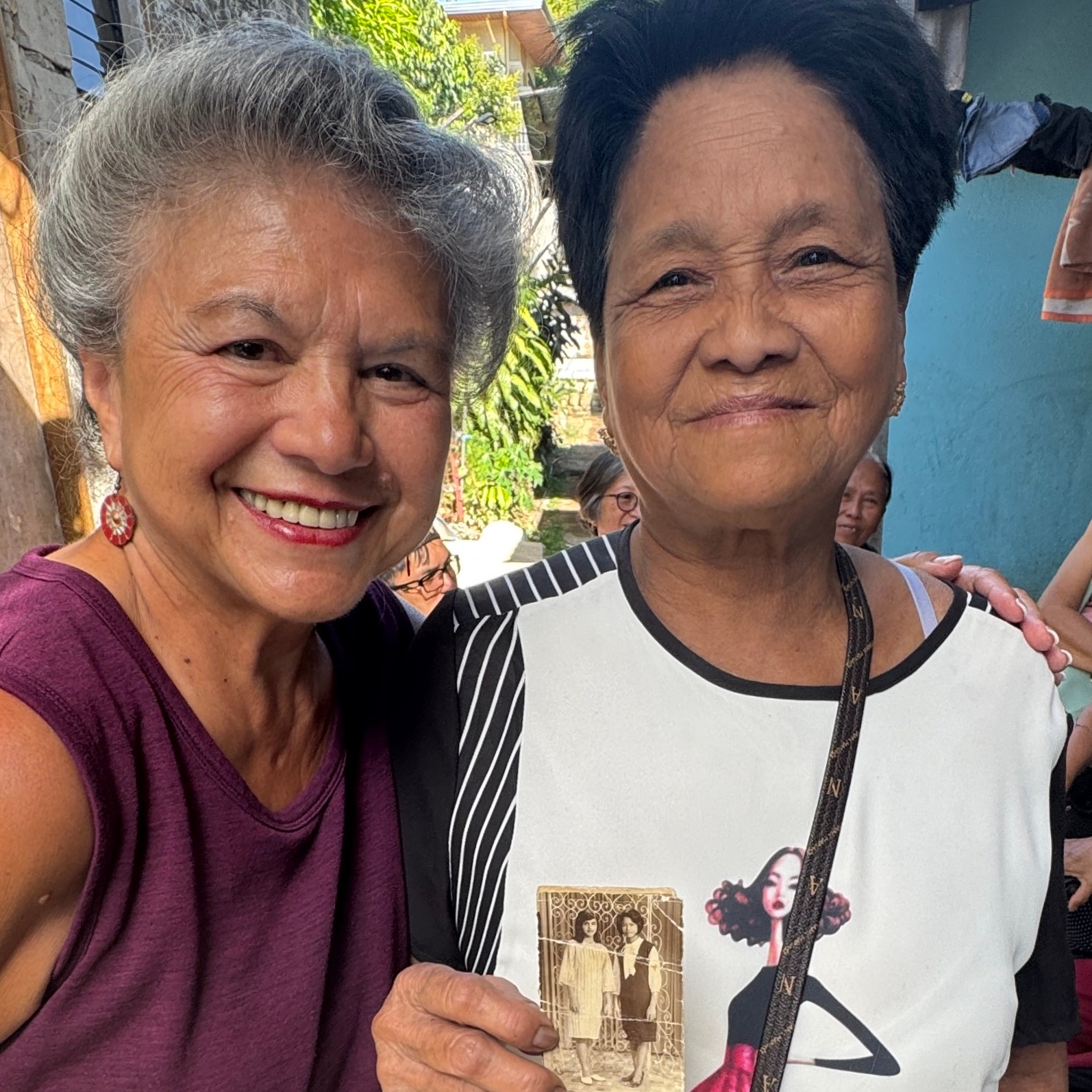
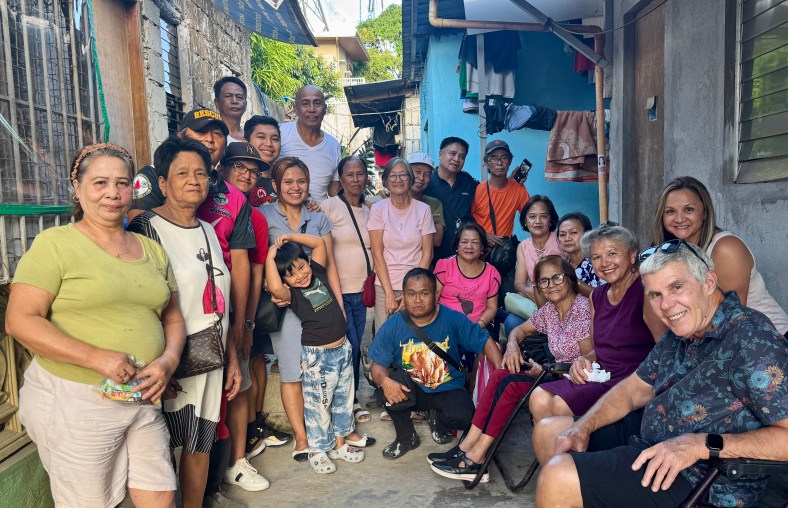
During this visit, I was introduced to Ate Tessie’s son, John. Ate Tessie and I had been very close, and every time I spoke with my uncle when he was still alive, I would ask about her. I did the same that day, asking John where she was. I would have given anything for him to go home and bring her to the gathering, but she wasn’t available. I made John promise that he would bring her to the house in Olongapo.
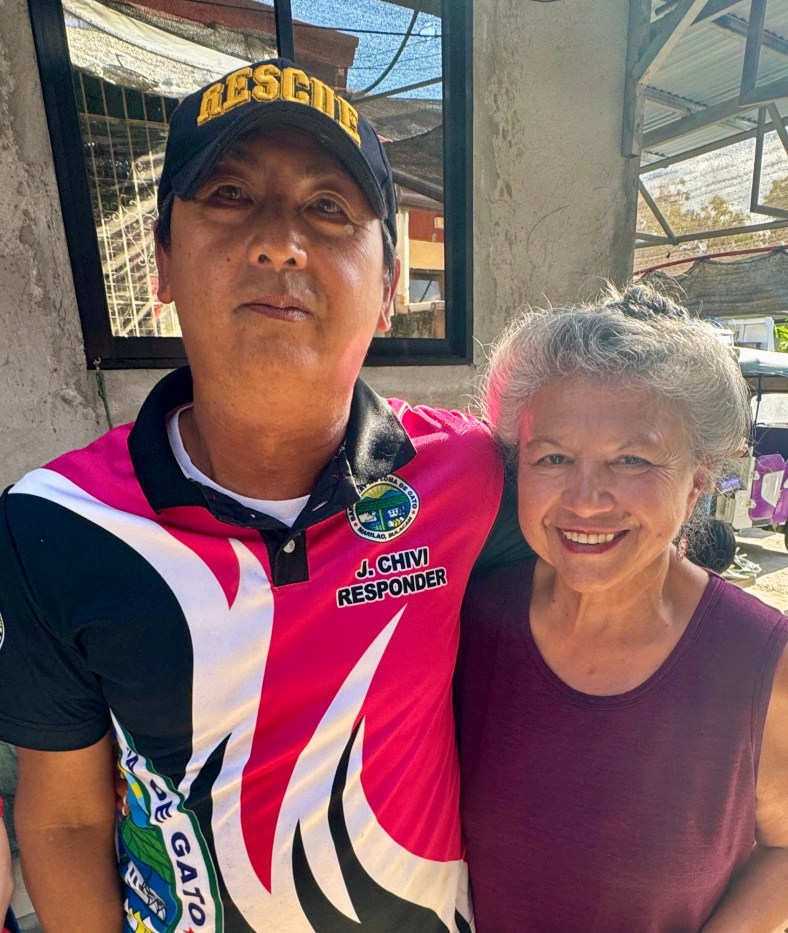
That’s when Onieh, my uncle’s wife, chimed in with a smile and a warning. She told John that if his mother found out I was home and he hadn’t informed her, there would be consequences for him. We all laughed at the thought—because in Filipino families, those kinds of playful threats carry both humor and truth.
Looking Ahead
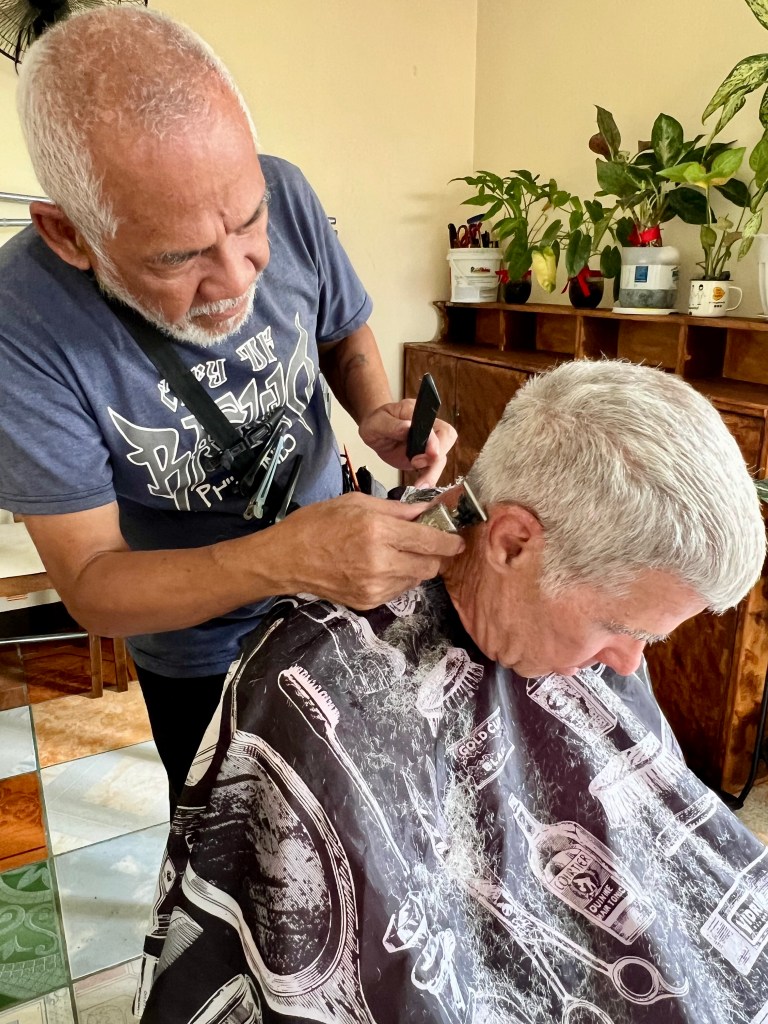
By late afternoon, it was time to move on. We said our goodbyes, packed ourselves back into the van, and pointed toward Olongapo—our home base for the trip. We arrived, got settled, and slipped into the everyday rhythm of being home. Laundry was done, and Jay even had a haircut right at the house, thanks to a home visit from a man who used to do my mother’s hair and nails. It felt like a small but meaningful connection to the past, woven into the present.
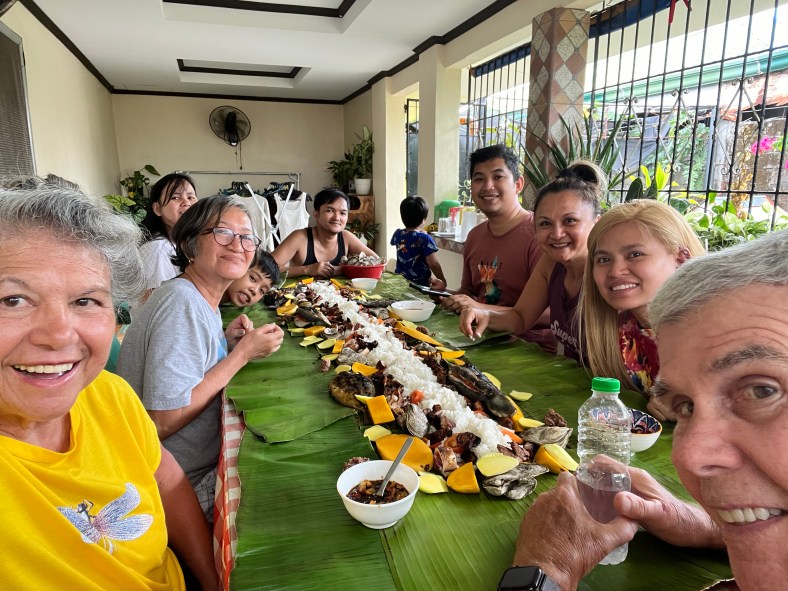
Of course, meals at home were just as memorable as the reunions. We gathered around generous spreads, and one evening we shared a traditional kamayan—a meal eaten with our hands, laid out on banana leaves. Locals also call it a boodle fight, a feast where everyone digs in together. It was joyful, messy, and delicious.
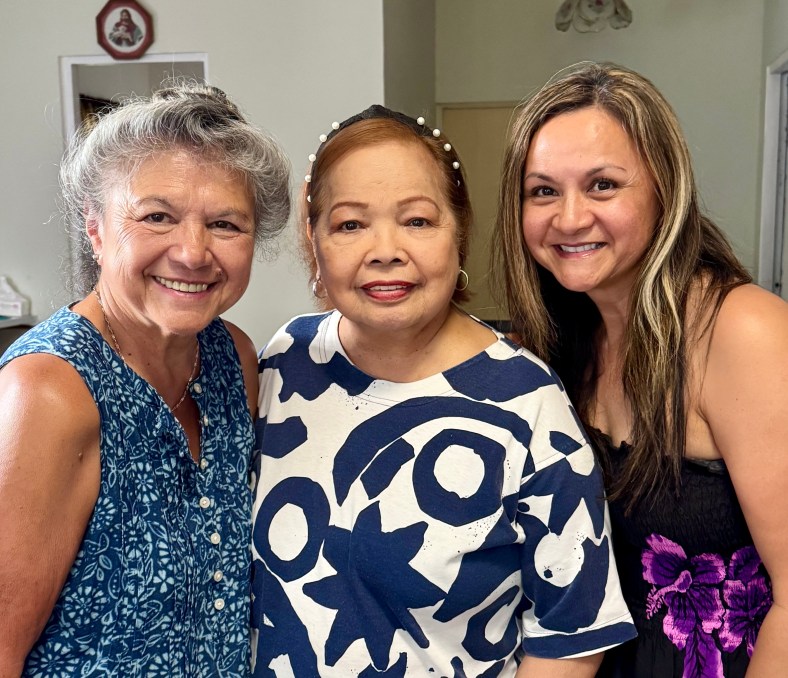
We also visited Rica’s godmother, who had recently relocated back to the Philippines from Las Vegas. It felt ironic to see her here—because I first met her 52 years ago, and now, half a century later, our paths crossed again in the Philippines. The timing was striking: I left the Philippines 50 years ago, and here she was, arriving just recently.
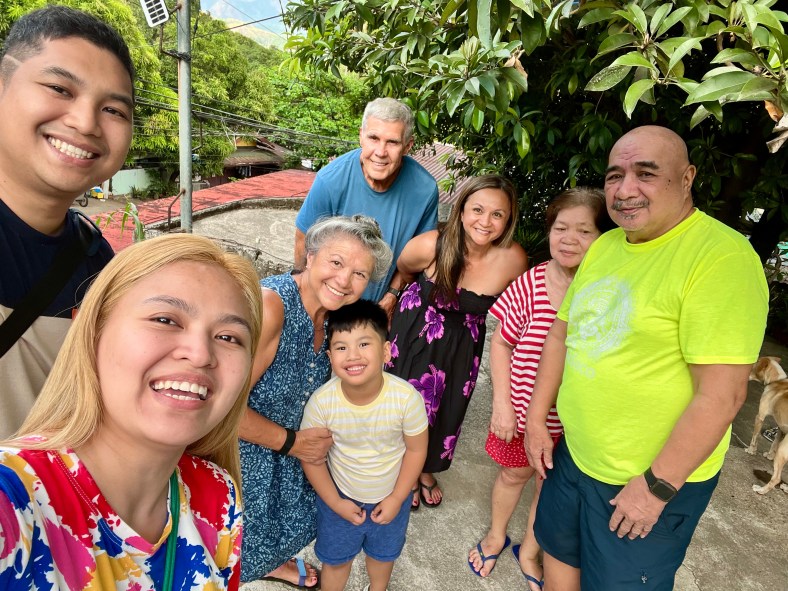
On the way back from visiting her, we stopped by Jo’s family—Mae’s partner in Sydney—completely unannounced, which is common in the Philippines. Since their home was along the way, it felt natural to drop in. Meeting Jo’s family abroad added yet another layer of connection, bridging friendships overseas with family ties at home.
Another important stop was at my uncle’s grave site, a quiet and reflective visit that reminded me how much of this journey is about honoring the past as much as celebrating the present.
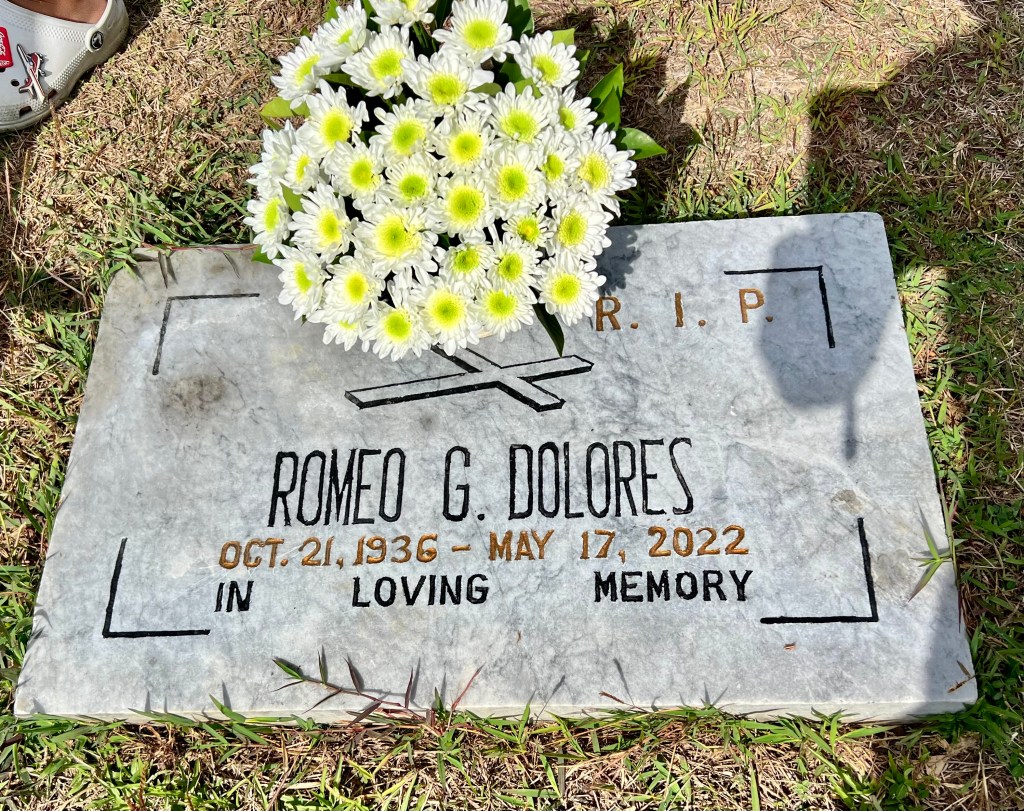
It was a quiet pause before the next adventure. In just a few days, we would be heading to Boracay, ready to trade family reunions for white sand beaches and turquoise waters.
 World Blog