
Tagaytay: Taal Volcano and Brunch
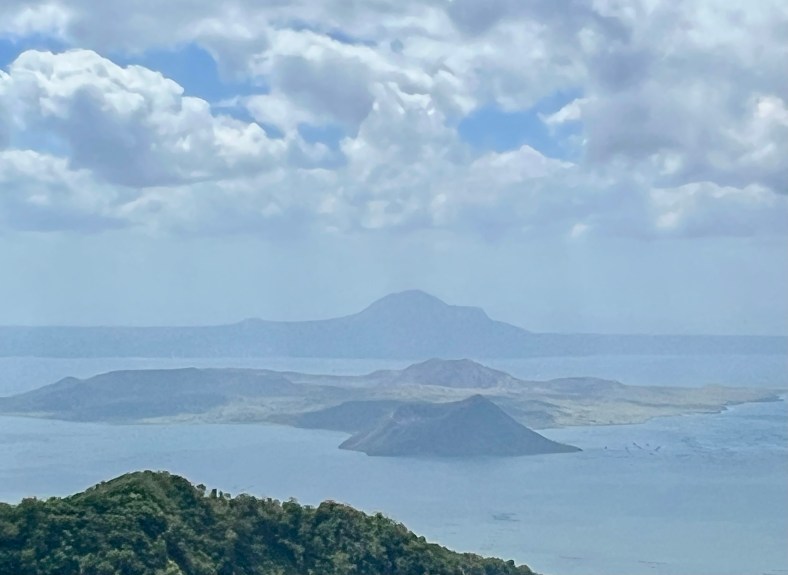
After only a short sleep, we were up and out for another full day. The van wound its way up to Tagaytay, where the air was cooler and the views stretched wide. From the ridge, we gazed down at Taal Volcano, one of the Philippines’ most iconic landscapes. It is a volcano within a lake, and within its crater lies yet another small lake—a geological nesting doll of water and fire. Though deceptively serene from a distance, Taal has erupted many times in history, reshaping the surrounding communities. Standing at Taal Vista, the panorama was breathtaking: the volcano’s silhouette rising from the shimmering waters of Lake Taal, framed by the morning haze.
On the Road South
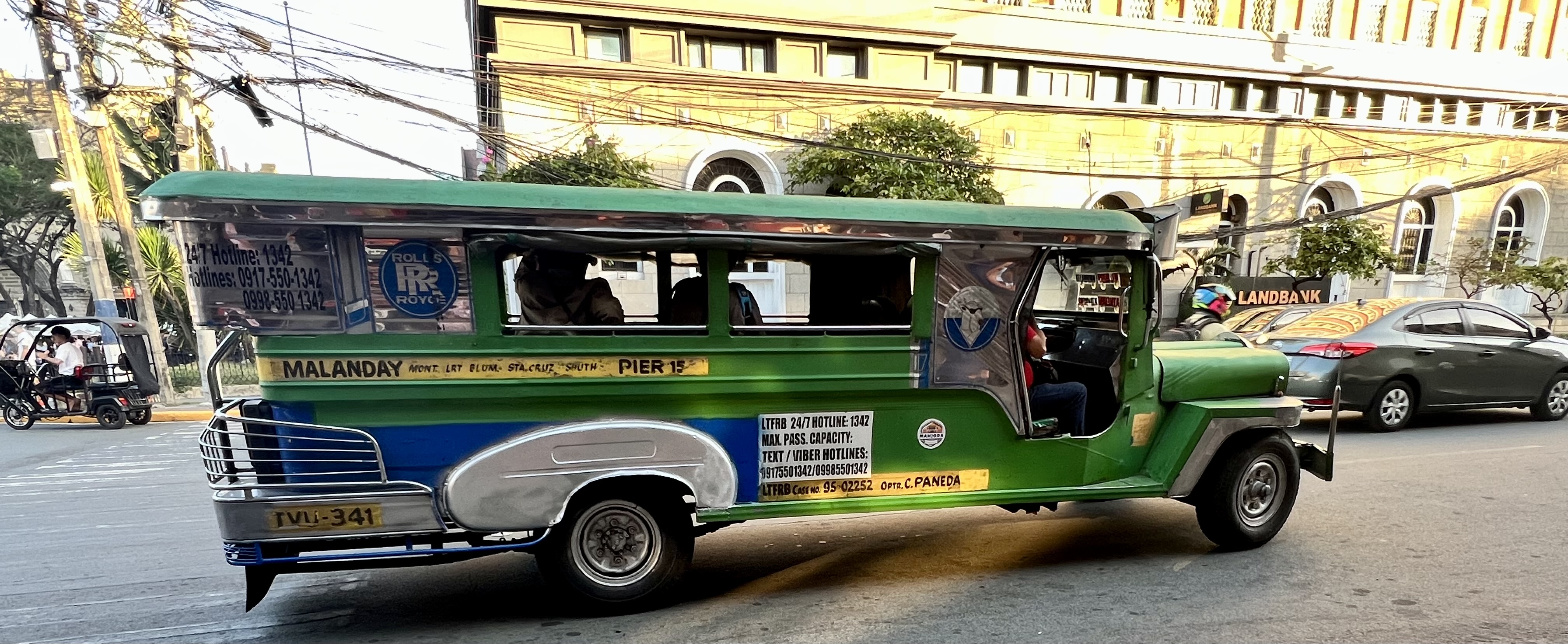
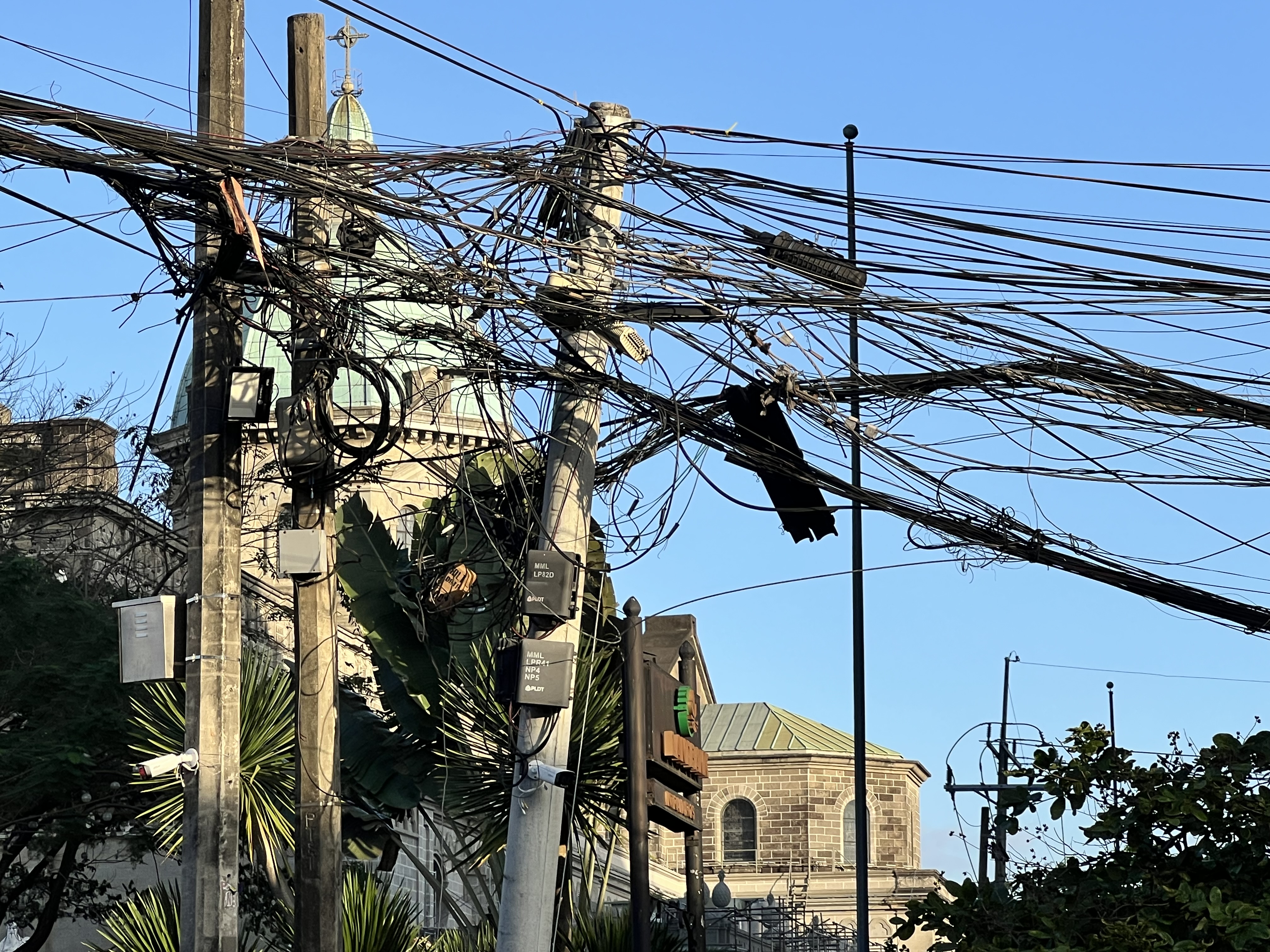
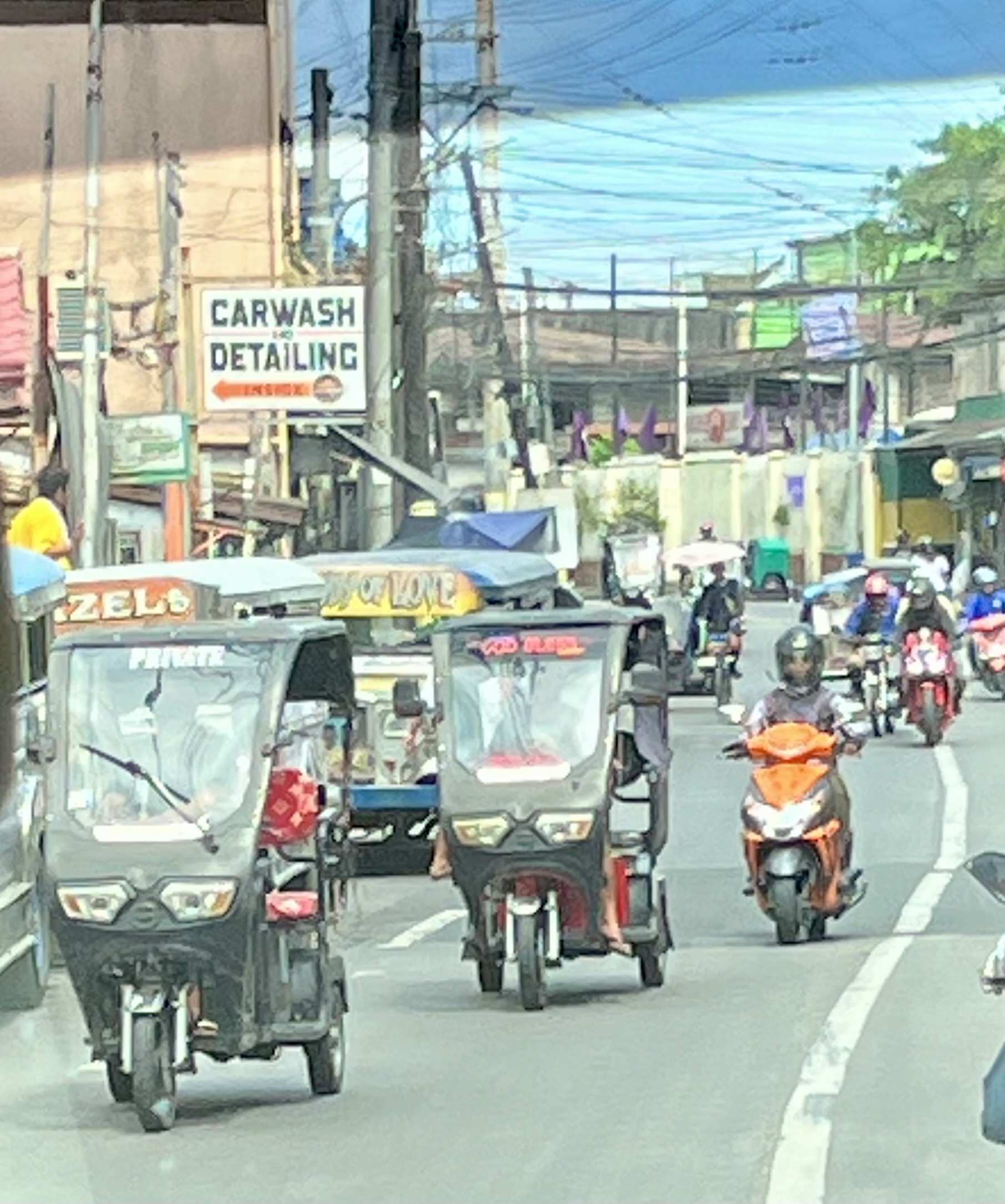
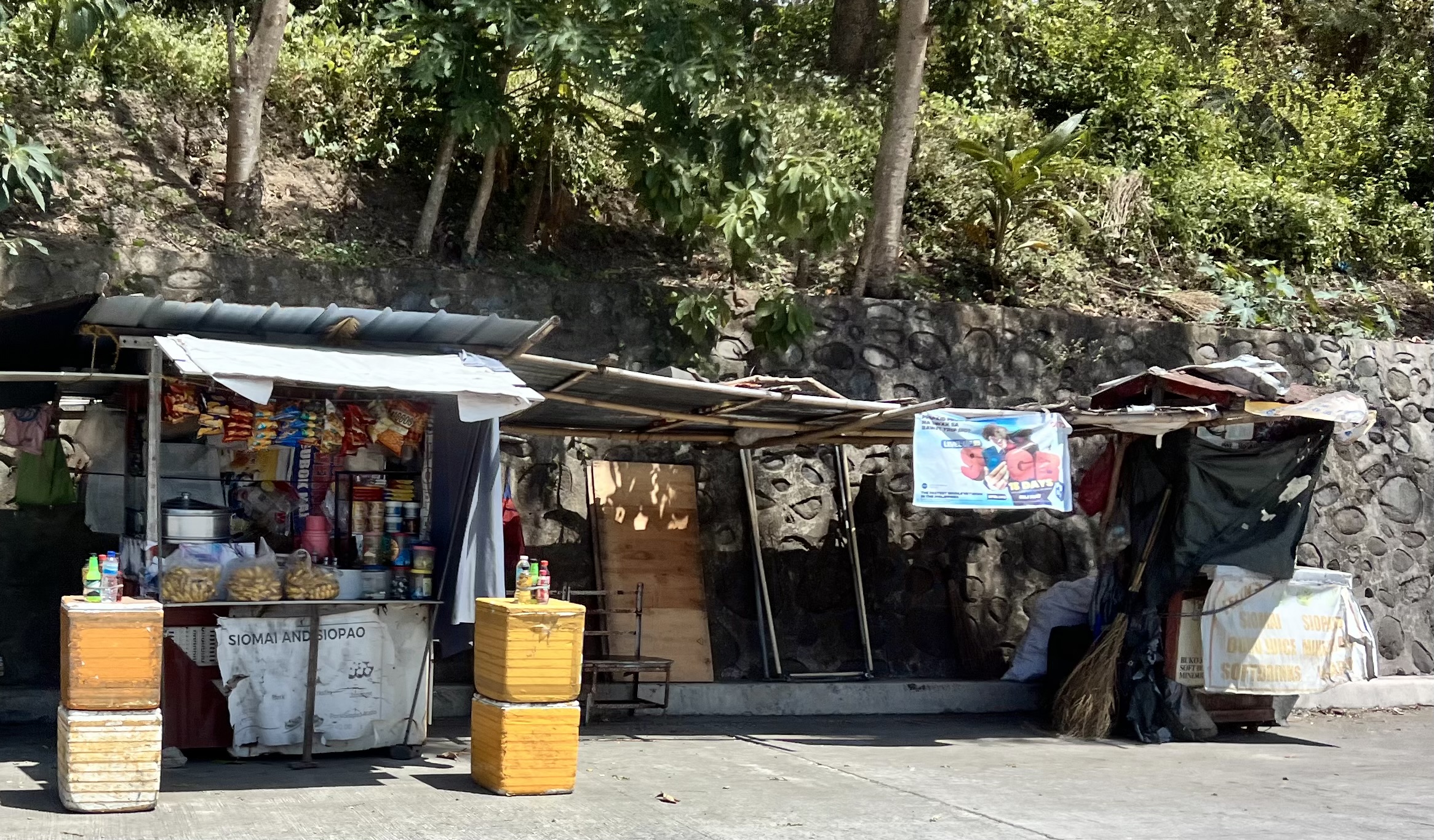
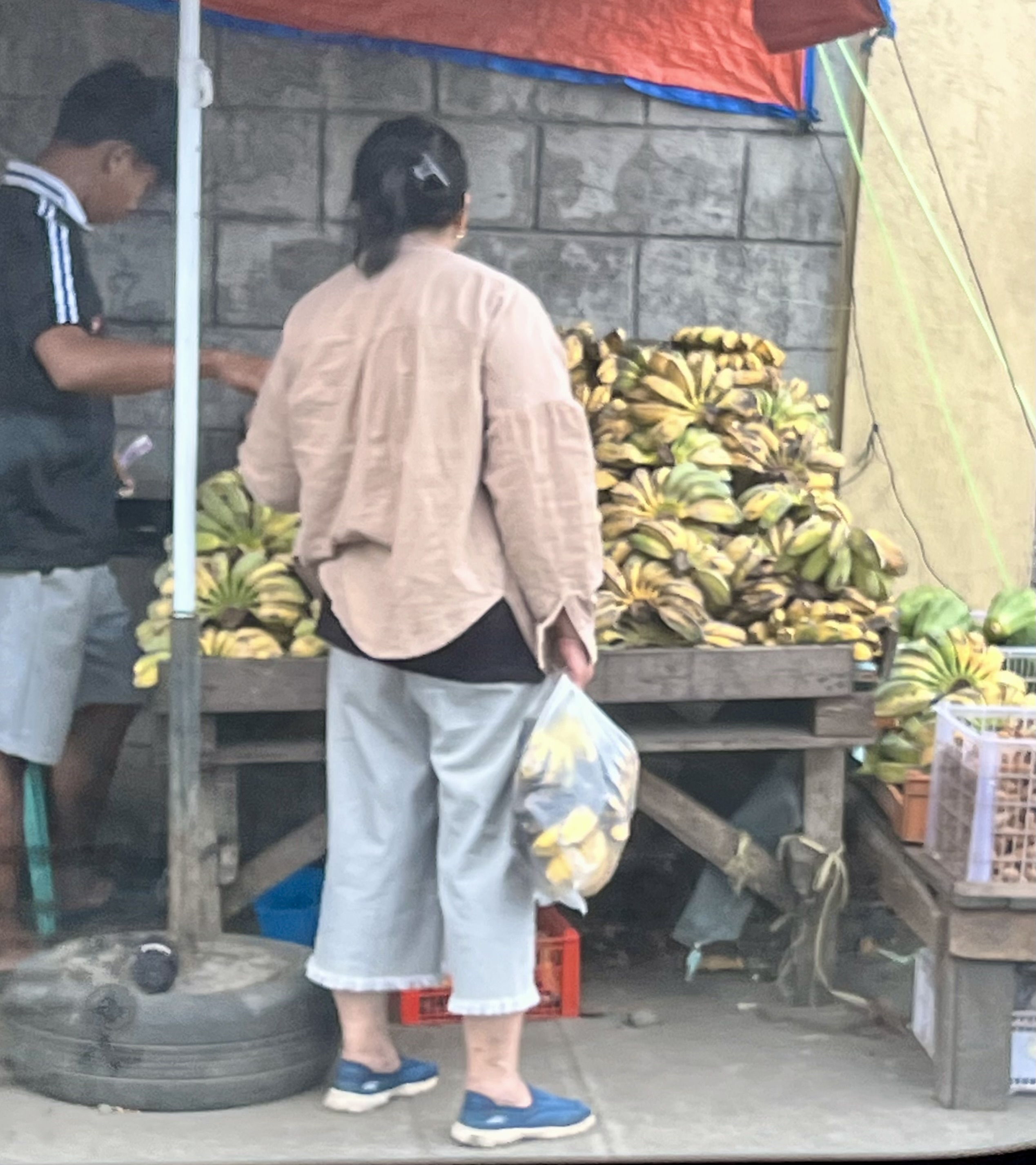
The drive itself was full of things to see. Rica was wide‑eyed at the traffic, marveling at the motorcycles weaving in from left and right, a choreography of speed and daring. Along the roadside, makeshift stalls appeared one after another, selling heaps of fruits and vegetables, each town proudly displaying whatever it was famous for. We passed through many different towns and barangays, and I found myself trying to compare what those divisions might be equivalent to in the United States—small municipalities, neighborhoods, perhaps even counties. Each had its own rhythm, its own face, and together they stitched a patchwork of everyday life that unfolded outside our windows.
Villa Escudero Plantation – Lunch by the Falls
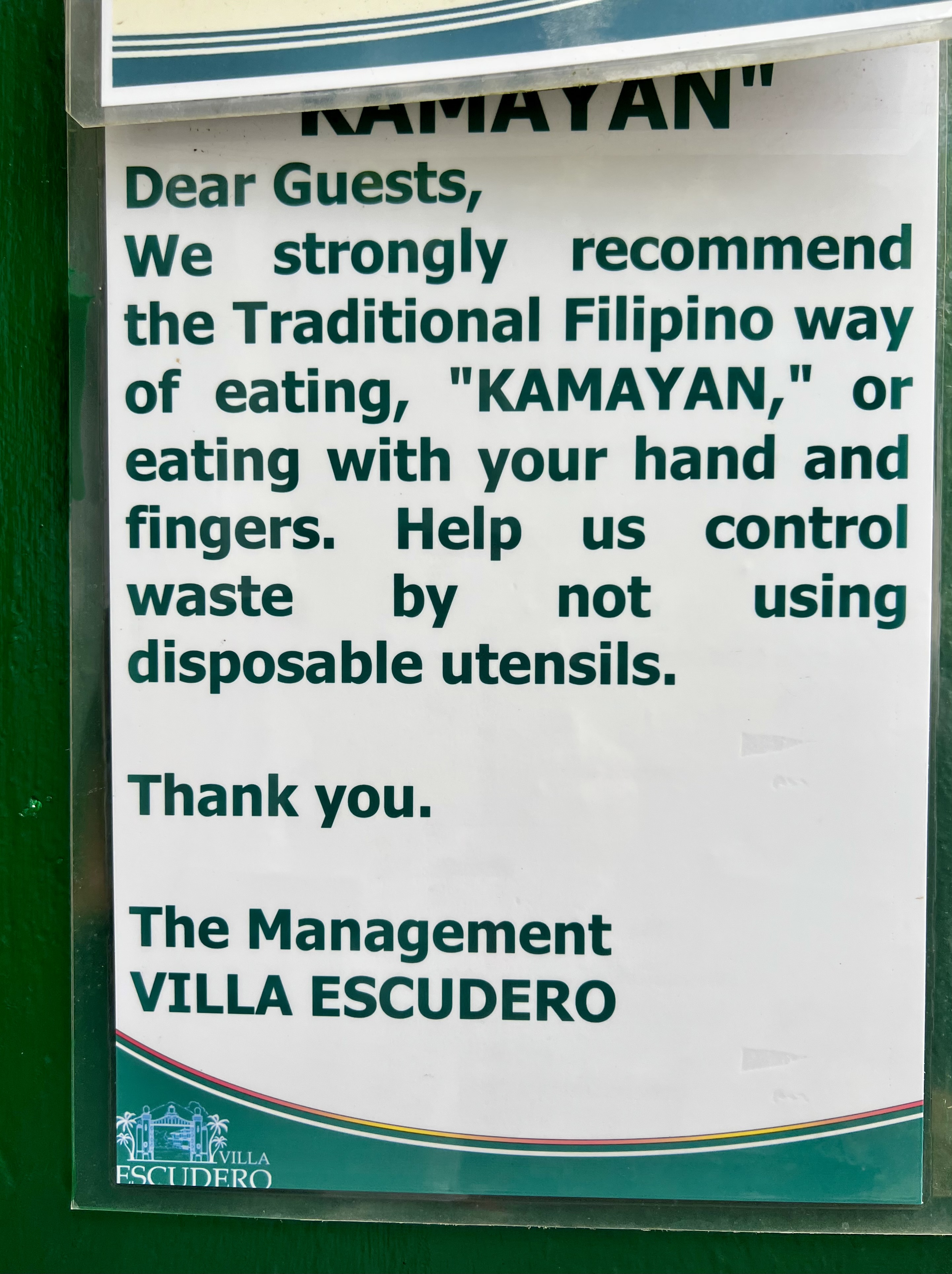
From Tagaytay, we climbed back into the van and drove south to Villa Escudero Plantation, a heritage estate that blends history, culture, and leisure. The plantation began as a coconut estate in the late 1800s, and today it welcomes visitors with museums, carabao cart rides, and its famous riverside dining. We arrived just at the tail end of lunch. Though I wasn’t hungry at all, the setting was irresistible.
Tables were laid out at the foot of a man‑made spillway, where water from the Labasin Dam flows gently over the rocks. We sat with our feet in the cool, running water, the sound of the cascade mingling with laughter and chatter. Platters of food were still being served: grilled meats, fresh vegetables, and steaming rice wrapped in banana leaves. There were tropical fruits—mangoes, pineapples, bananas—bright and sweet, their scent mixing with the damp freshness of the water. Someone passed around kakanin, sticky rice cakes in coconut milk, and even though I had sworn I wasn’t hungry, I found myself reaching for a piece.
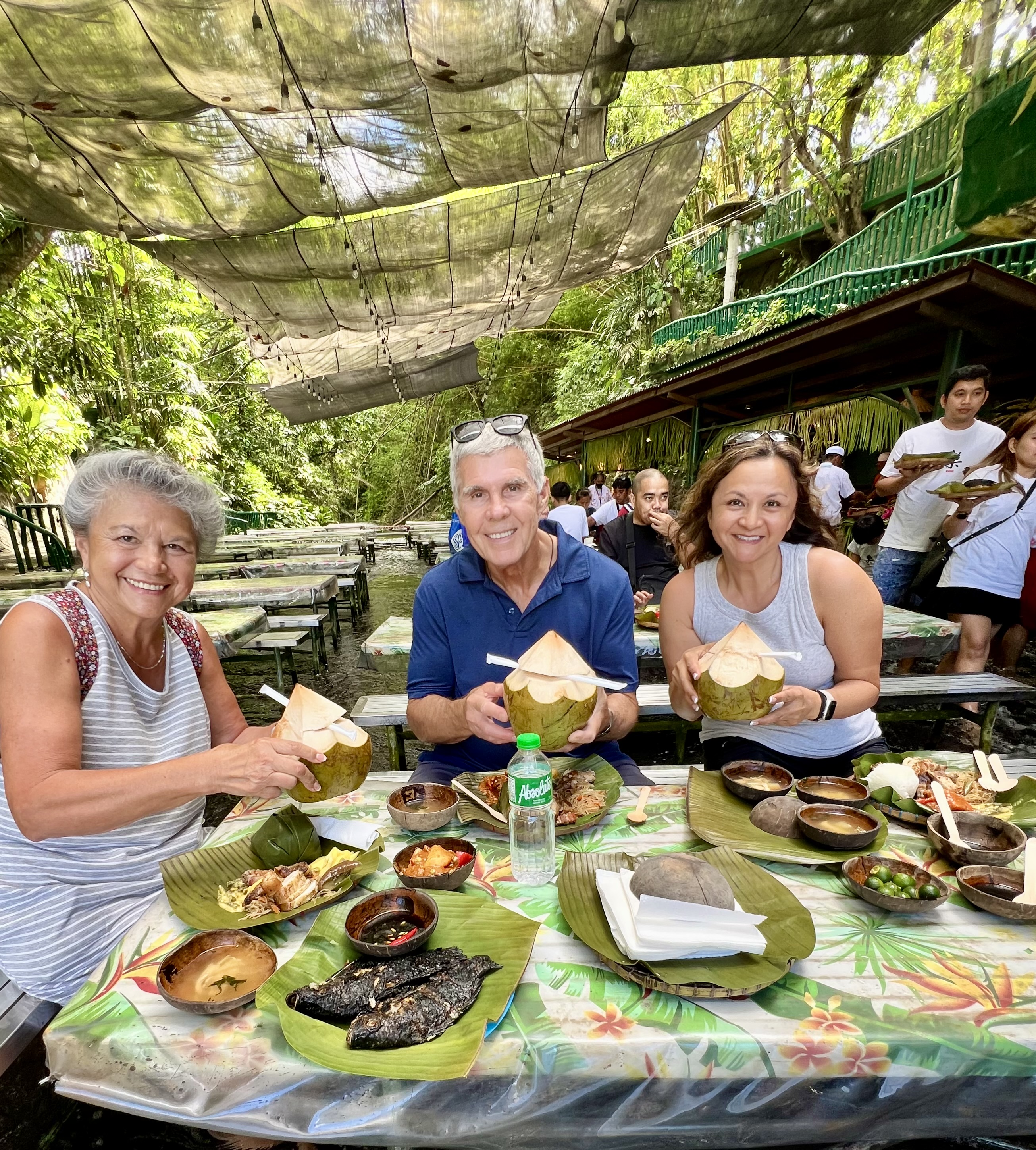
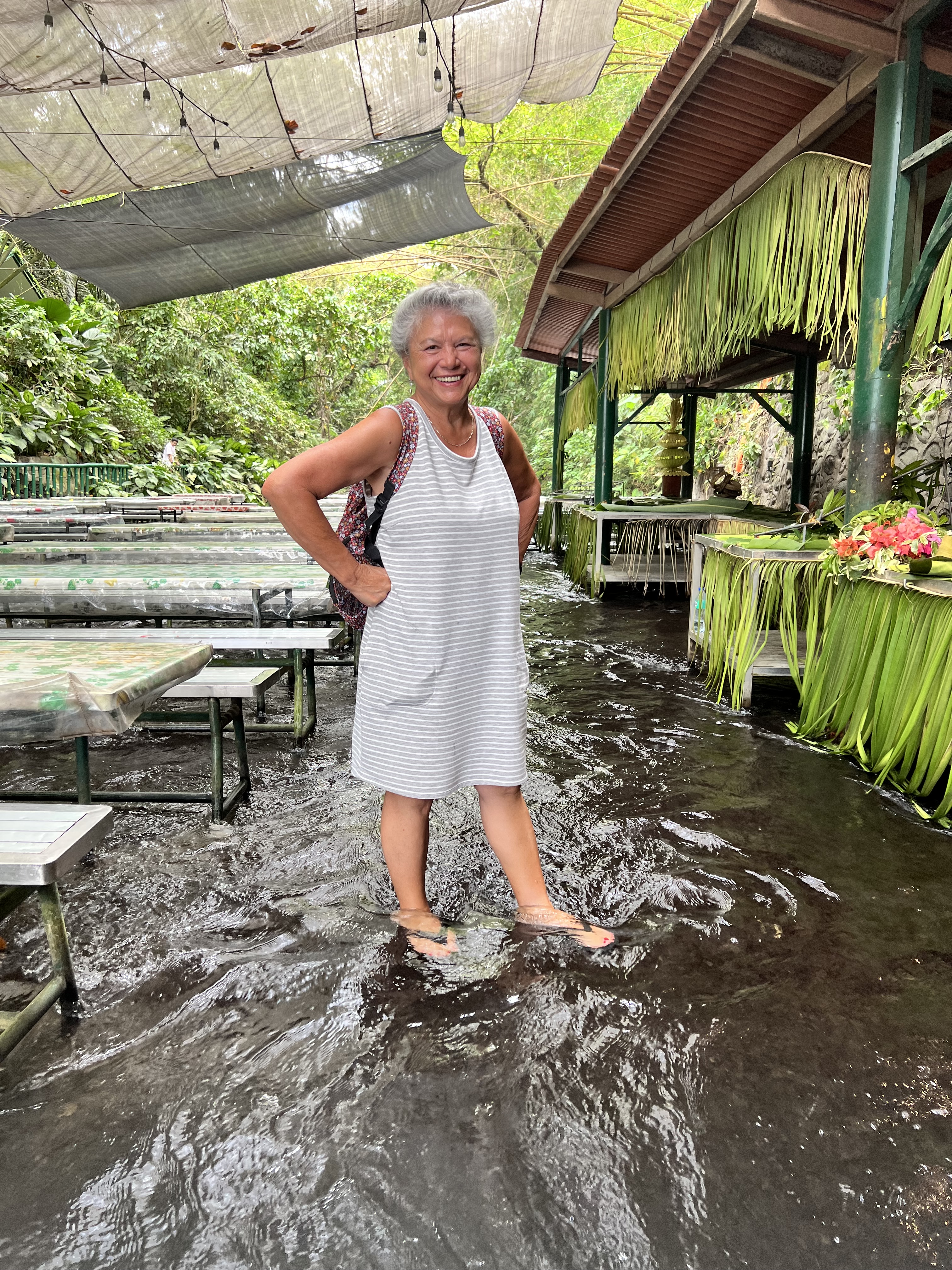
It was less about the meal itself and more about the sensory delight—the mingling of food, nature, and playfulness in one unforgettable scene. The cool water against our legs, the chatter of companions, the taste of something sweet after the savory—all of it folded into memory, a reminder that sometimes the setting makes the simplest meal feel extraordinary.
Cultural Performances and Kayak Adventure
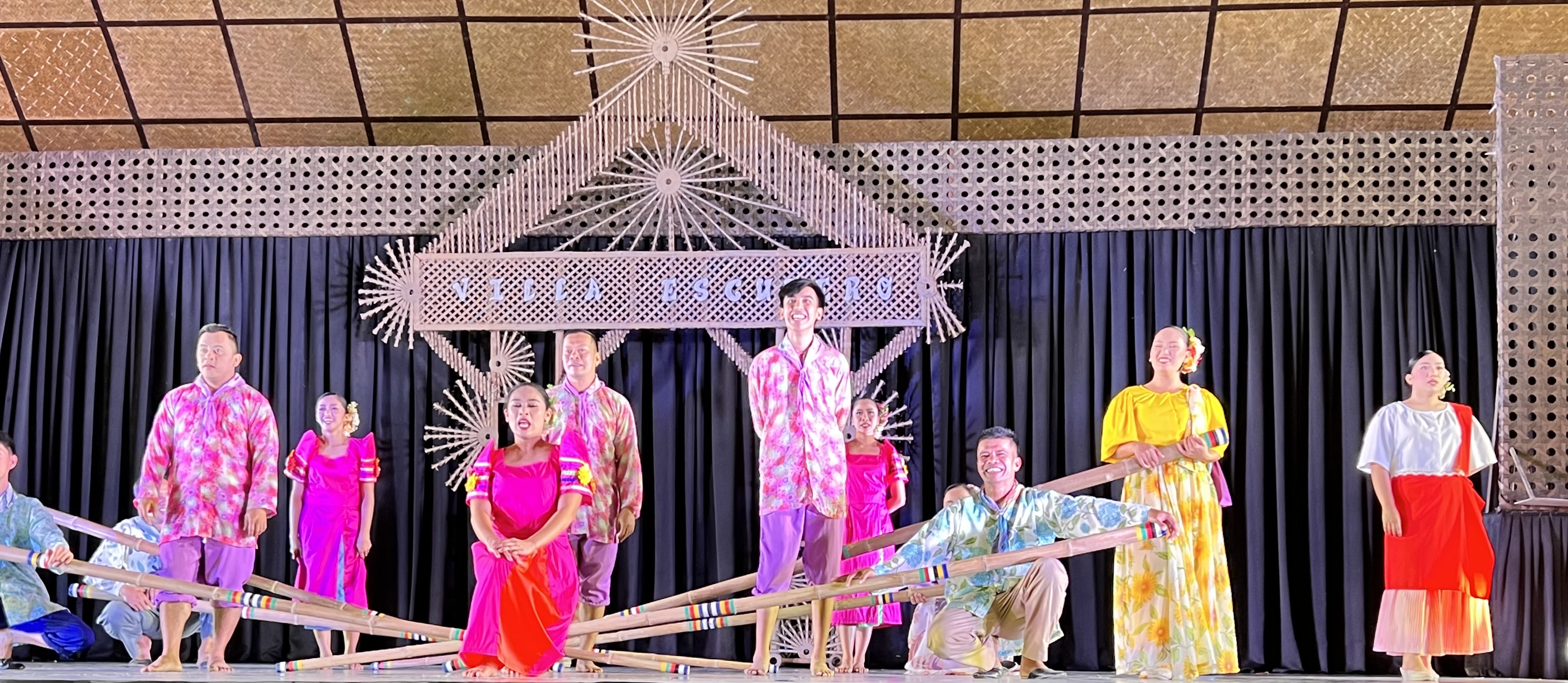
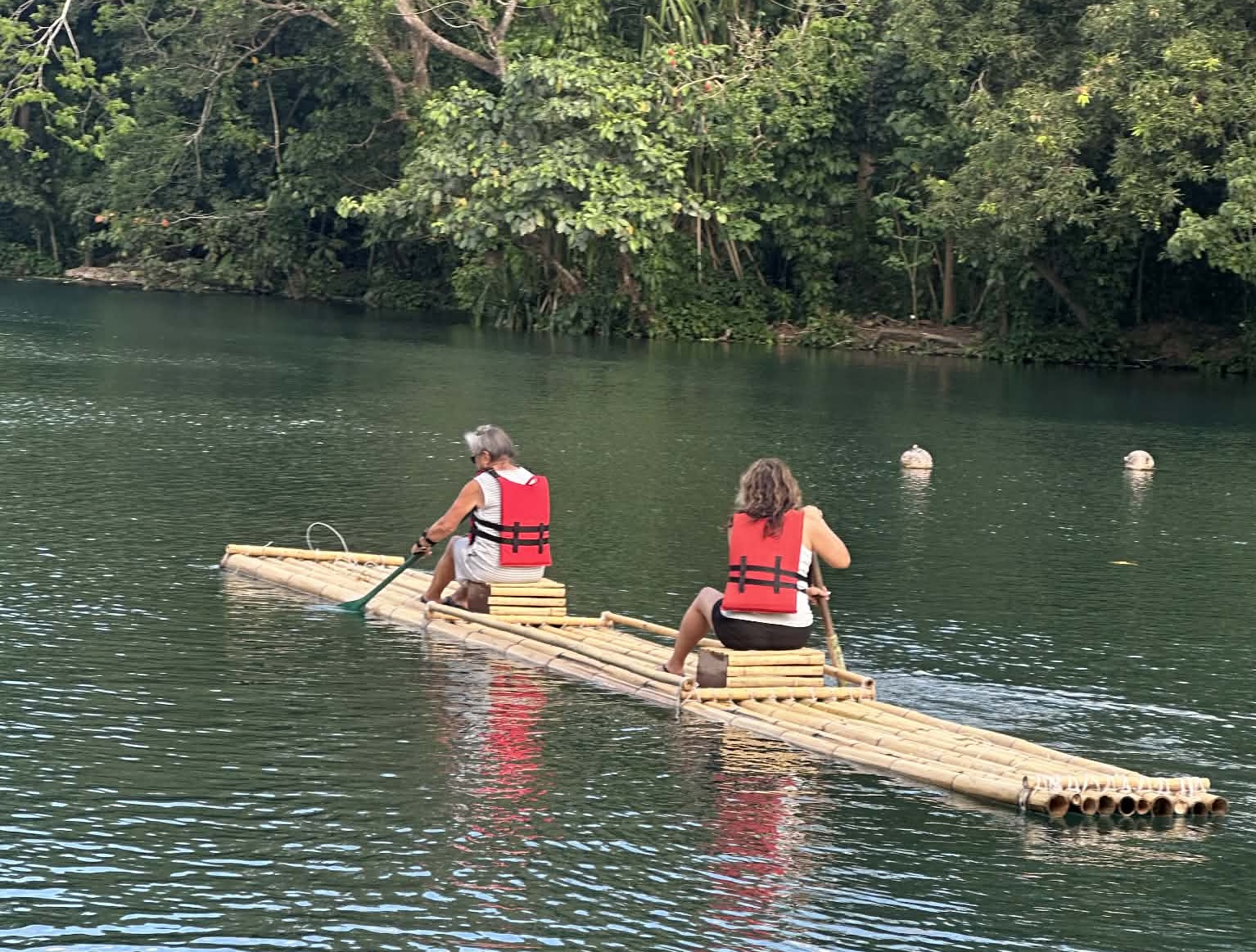
After lunch, we enjoyed watching native dances performed with vibrant costumes and rhythmic music, a celebration of heritage that felt both festive and grounding. The performers moved with such energy that even the audience seemed to sway along. Later, we took a ride on a kayak, gliding across the calm waters. Sadly, Rica and I had not been given instructions on how to turn left or right, so our attempts at steering became a sight in themselves—zigzags, circles, and bursts of laughter echoing across the water. It was one of those moments where the missteps became the memory, a playful counterpoint to the serenity of the plantation.
Parish and National Shrine of Padre Pio
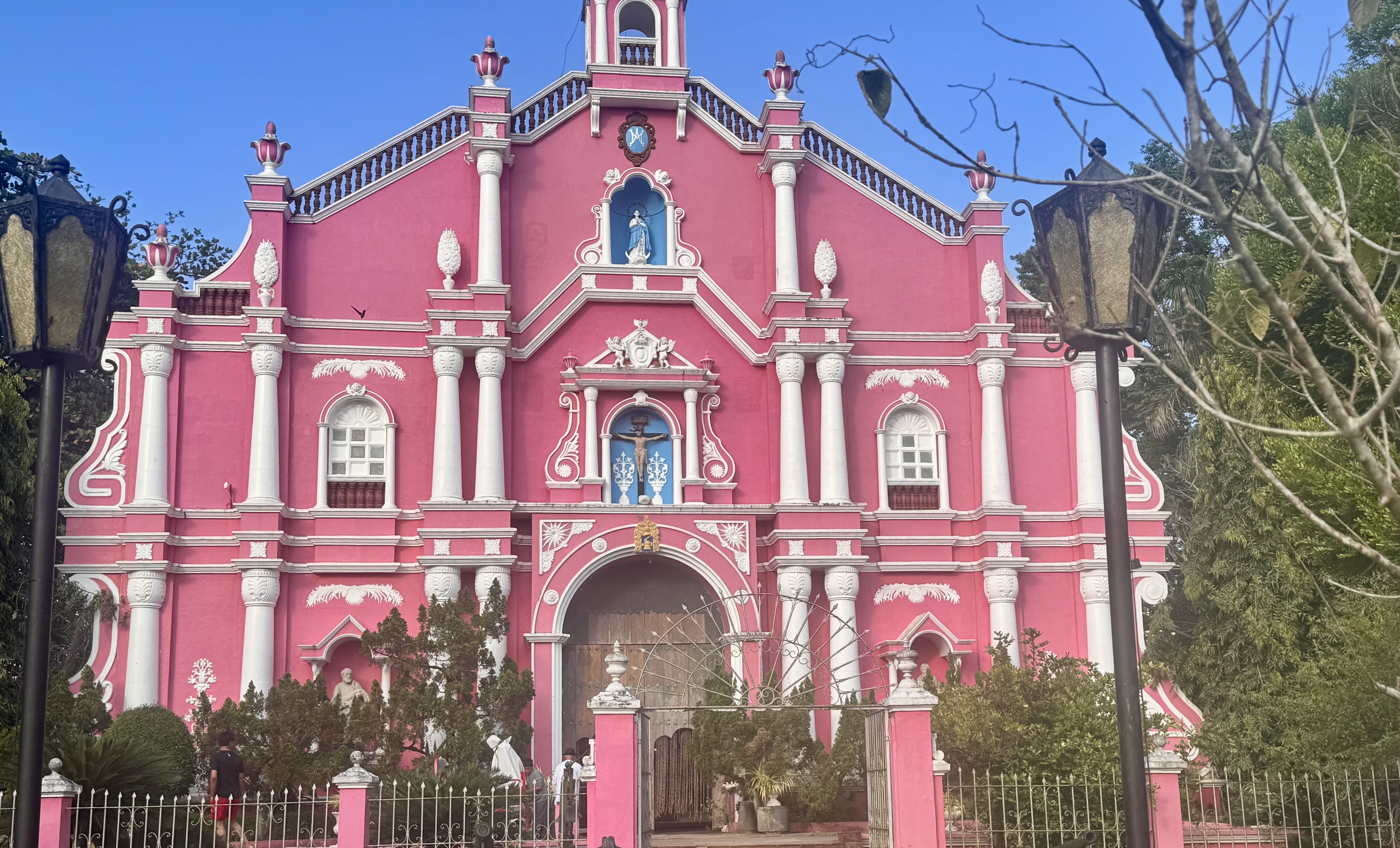
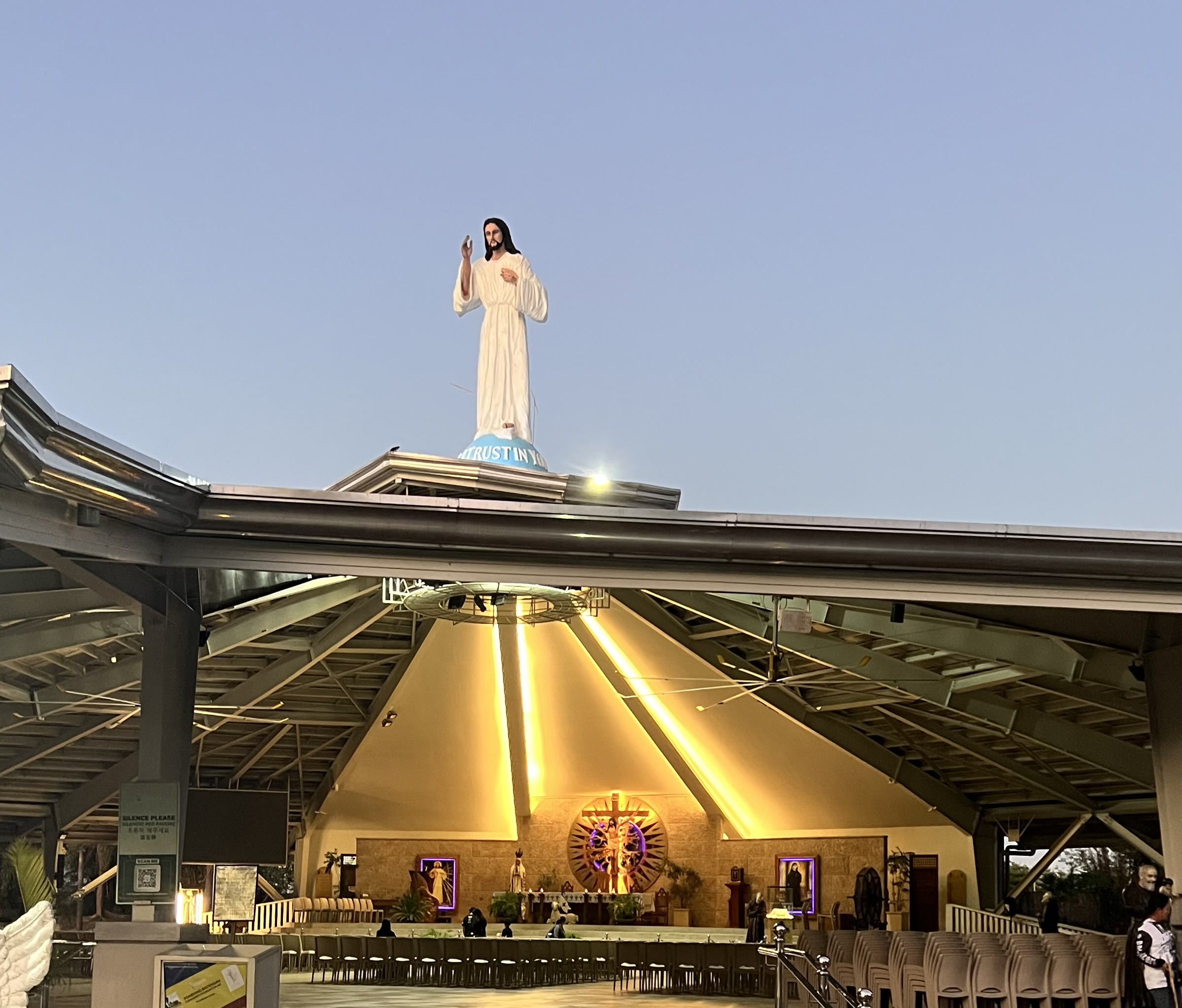
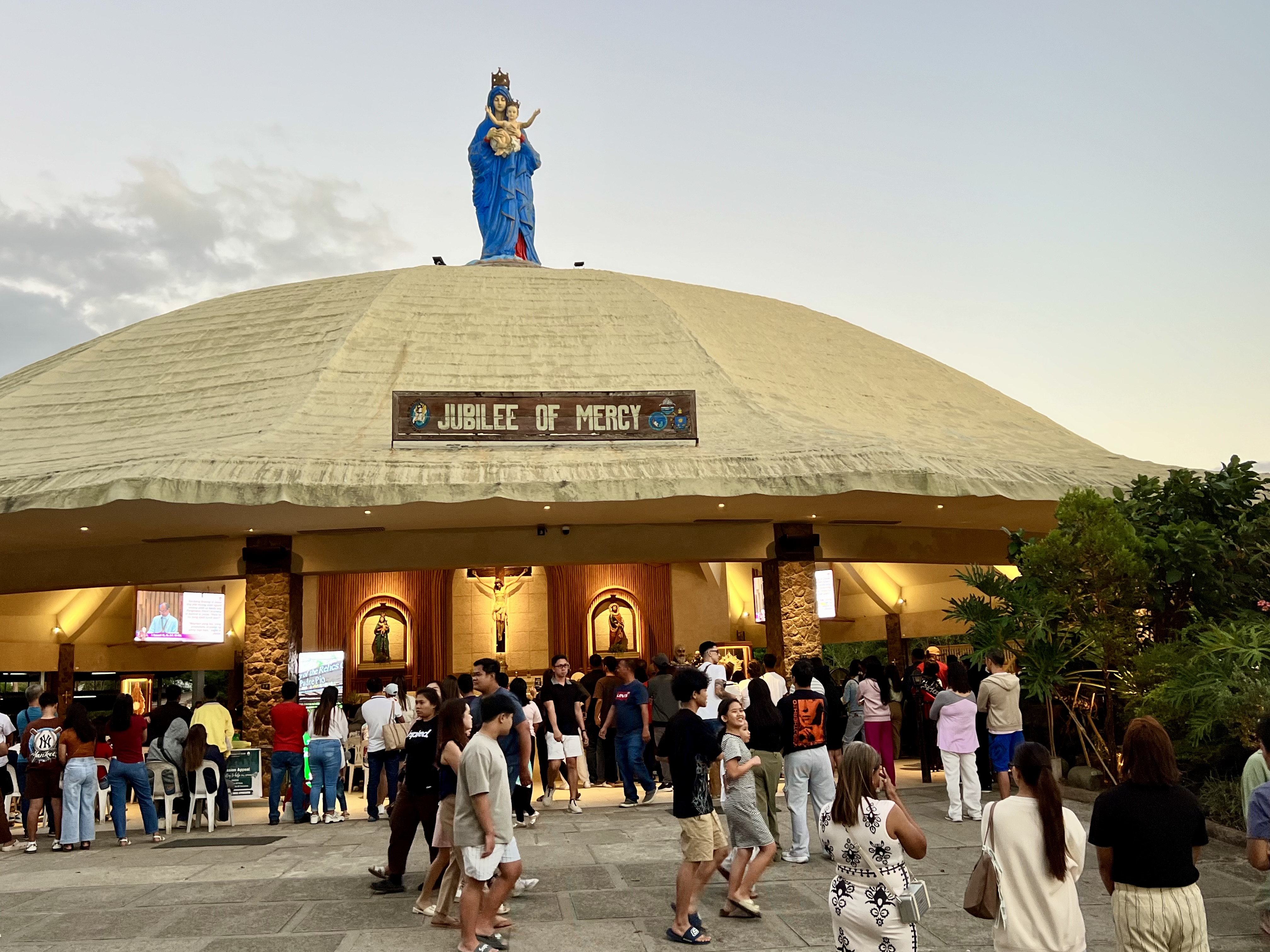
Before heading back to Casa Manila, our temporary home in the city, we made one last stop at the Parish and National Shrine of Padre Pio. The order of its name confused me at first—parish, shrine, national designation—but the reverence was unmistakable. The shrine honors Saint Padre Pio, beloved for his humility and miracles, and the atmosphere was hushed yet welcoming. Pilgrims moved quietly, lighting candles, offering prayers, and celebrating his legacy. For us, it was a pause—a moment of reflection after a day filled with sights, laughter, and food. The shrine’s calm presence seemed to gather all the day’s experiences into a gentle close.
Looking Ahead
Tomorrow will bring us to Olongapo, the only place I ever truly considered home, and where Rica lived until she was four years old. We will be returning to the very same house, now serving as our home base during this journey. But before settling there, we will stop in Malabon and Bulacan to visit cousins, aunts, and uncles I have not seen in fifty years—reunions carefully arranged by Onieh before we arrived.
 World Blog