After a good night’s sleep, with all ten of us gathered under one roof, we shared breakfast together before heading out for the day. It was the kind of morning that felt both ordinary and extraordinary—ordinary in its routine of coffee, rice, and conversation, yet extraordinary in the way it marked the beginning of our journey through Manila.
We were not alone in this adventure. Our driver, Obet, joined us not just behind the wheel but as part of the family circle. He would eat and sleep alongside us for the entire trip, becoming one more thread in the tapestry of companionship that held us together.
Luneta Park and Taft Avenue
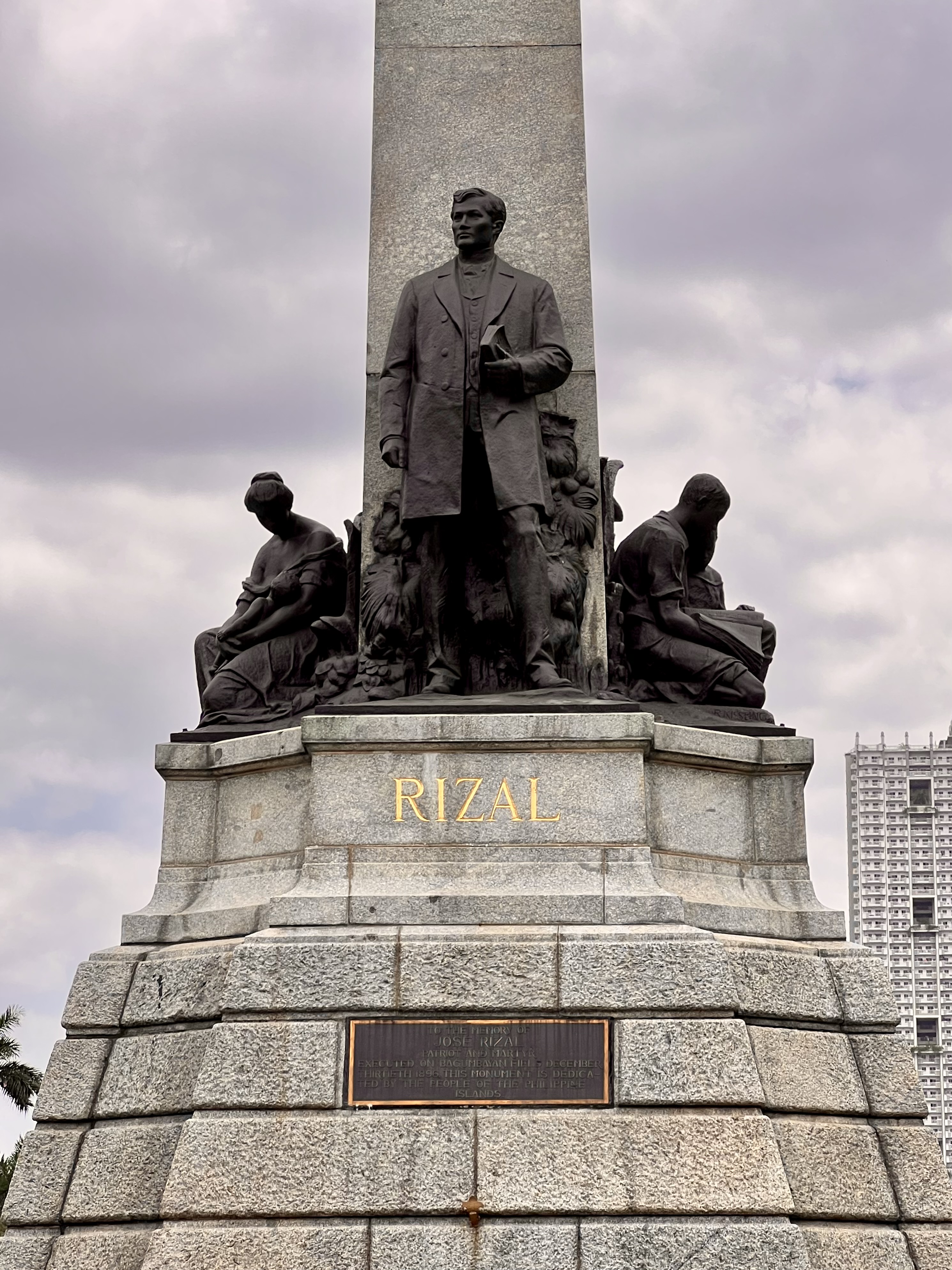
Our day began at Luneta Park, where history and memory converge. The Rizal Monument stood solemnly at its center, a reminder of sacrifice and nationhood. José Rizal, the national hero, was executed here in 1896—his writings had awakened a people, and his death became the spark that ignited revolution. Standing before his monument, I felt the weight of his belief that freedom could be won not only through arms but through education, dignity, and the courage to speak truth.
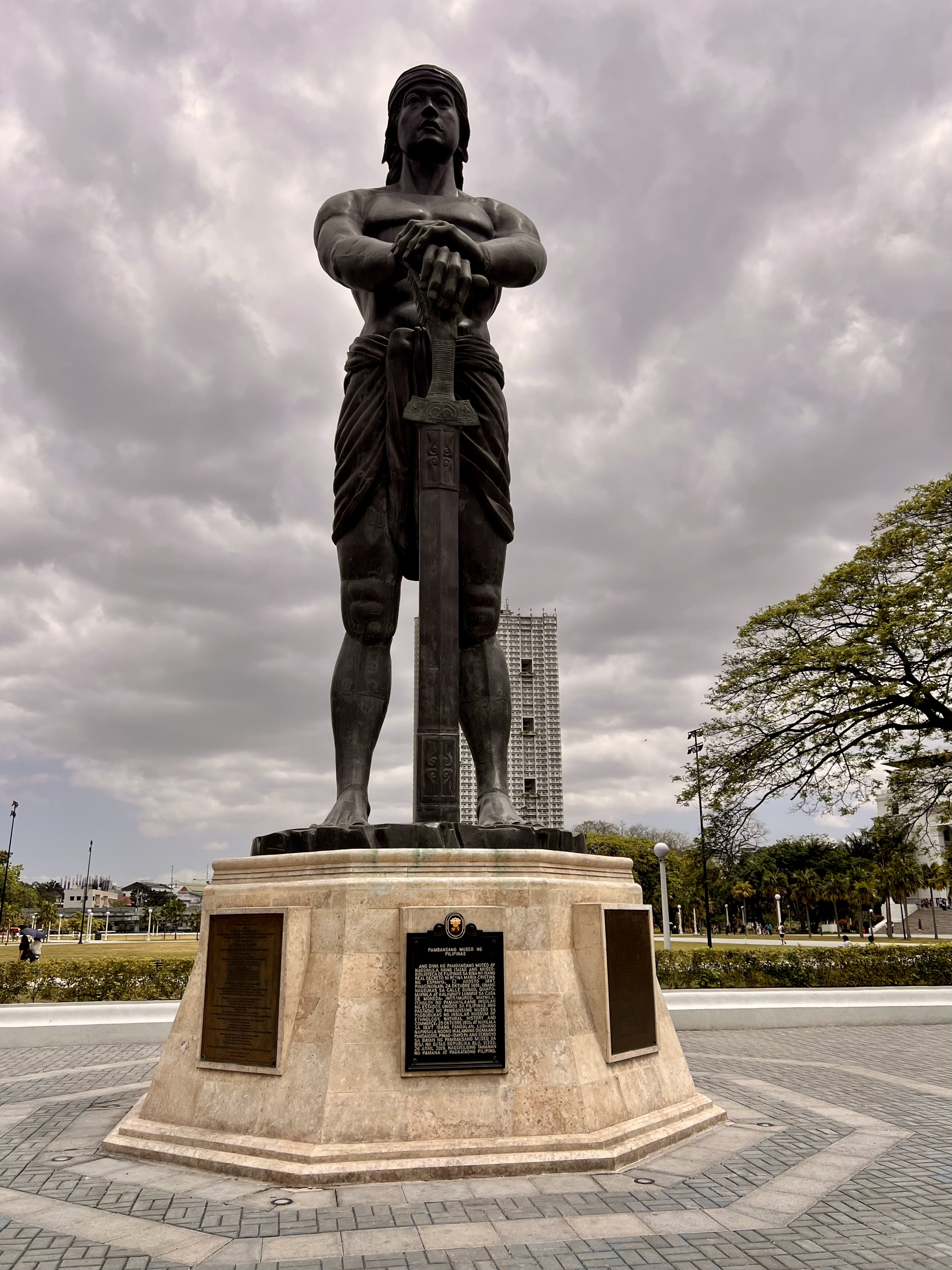
Nearby, another monument honors Lapu-Lapu, the warrior chieftain of Mactan who resisted Ferdinand Magellan in 1521. His defiance delayed colonization for decades, and he remains a symbol of courage and independence—the first Filipino hero remembered for meeting foreign power with strength. Together, Rizal and Lapu-Lapu embody the two paths of resistance: the pen and the sword, intellect and valor, each reminding us that freedom is never easily won.
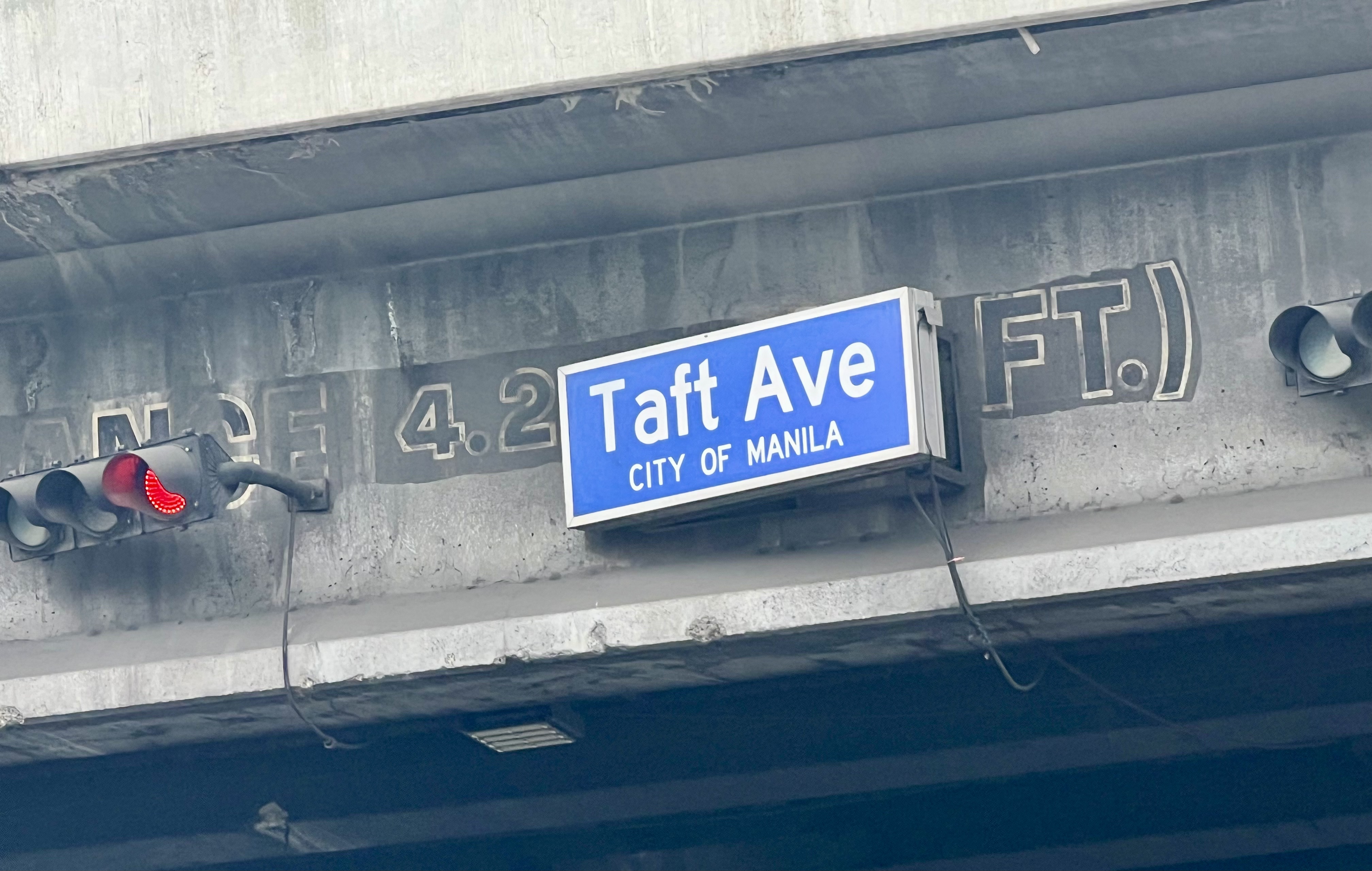
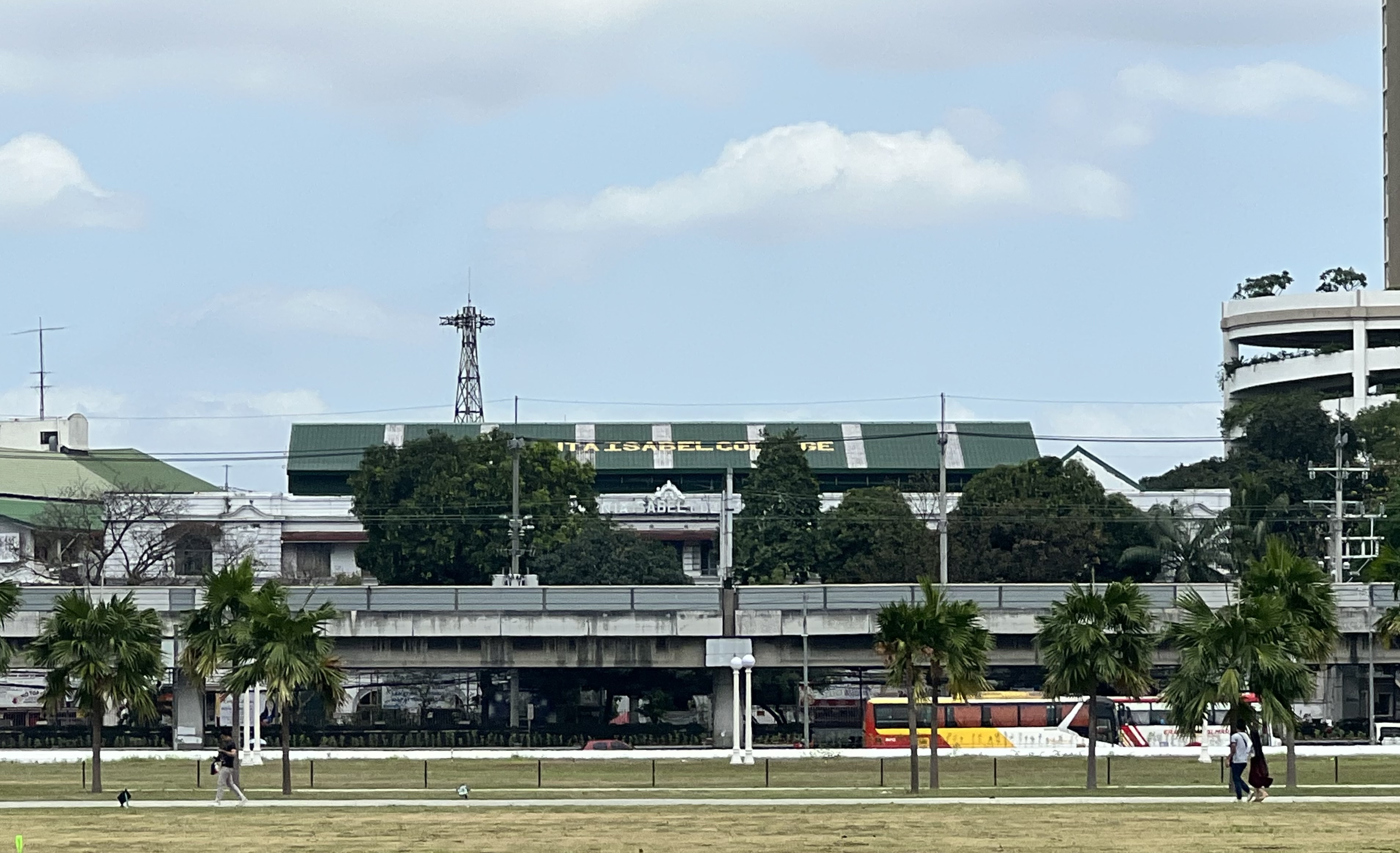
We walked the length of Luneta Park until we reached the end, where Taft Avenue stretched wide before us. Across that busy street stood Santa Isabel College—the school I had attended sixty years ago.
Santa Isabel College
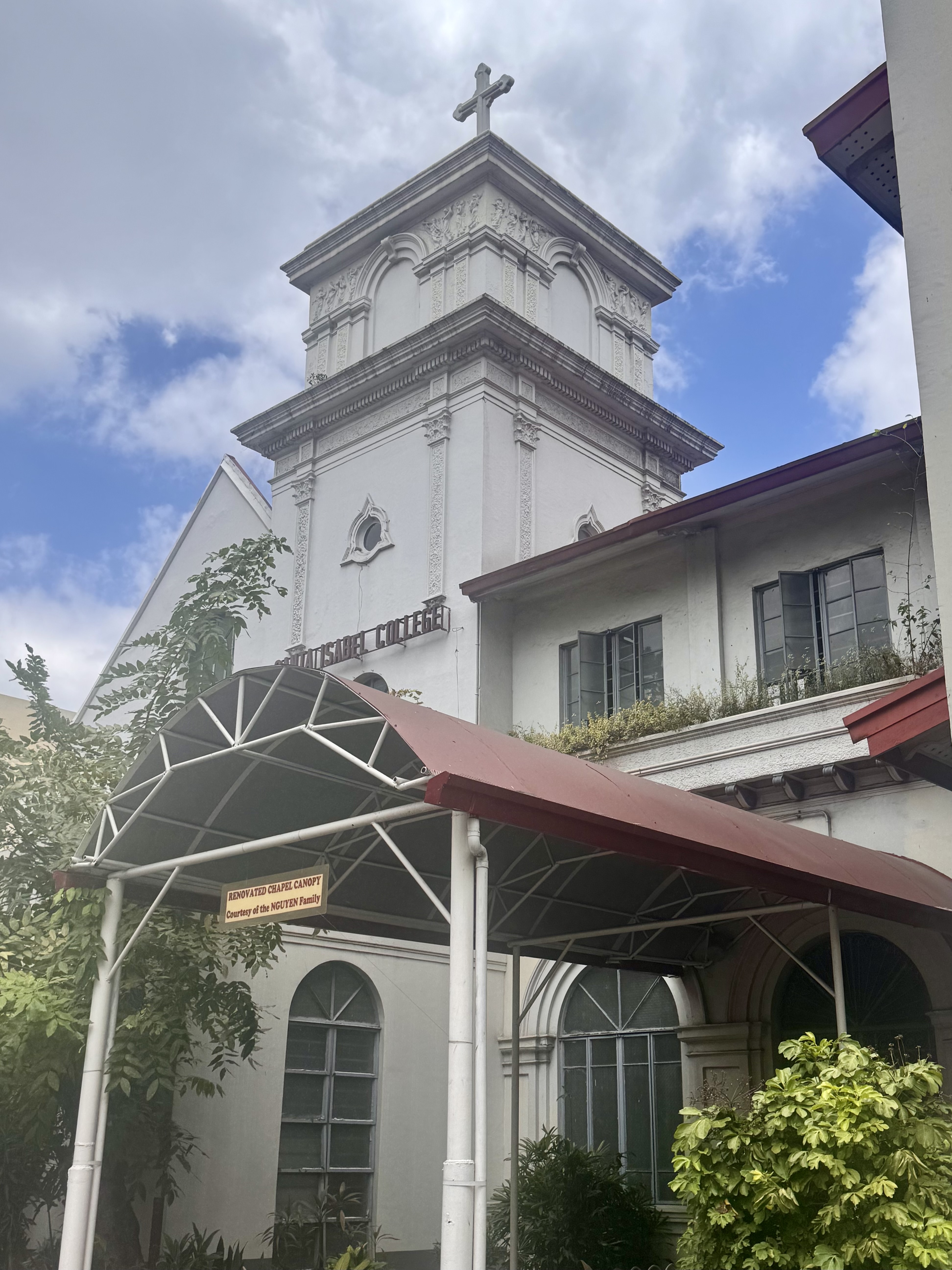
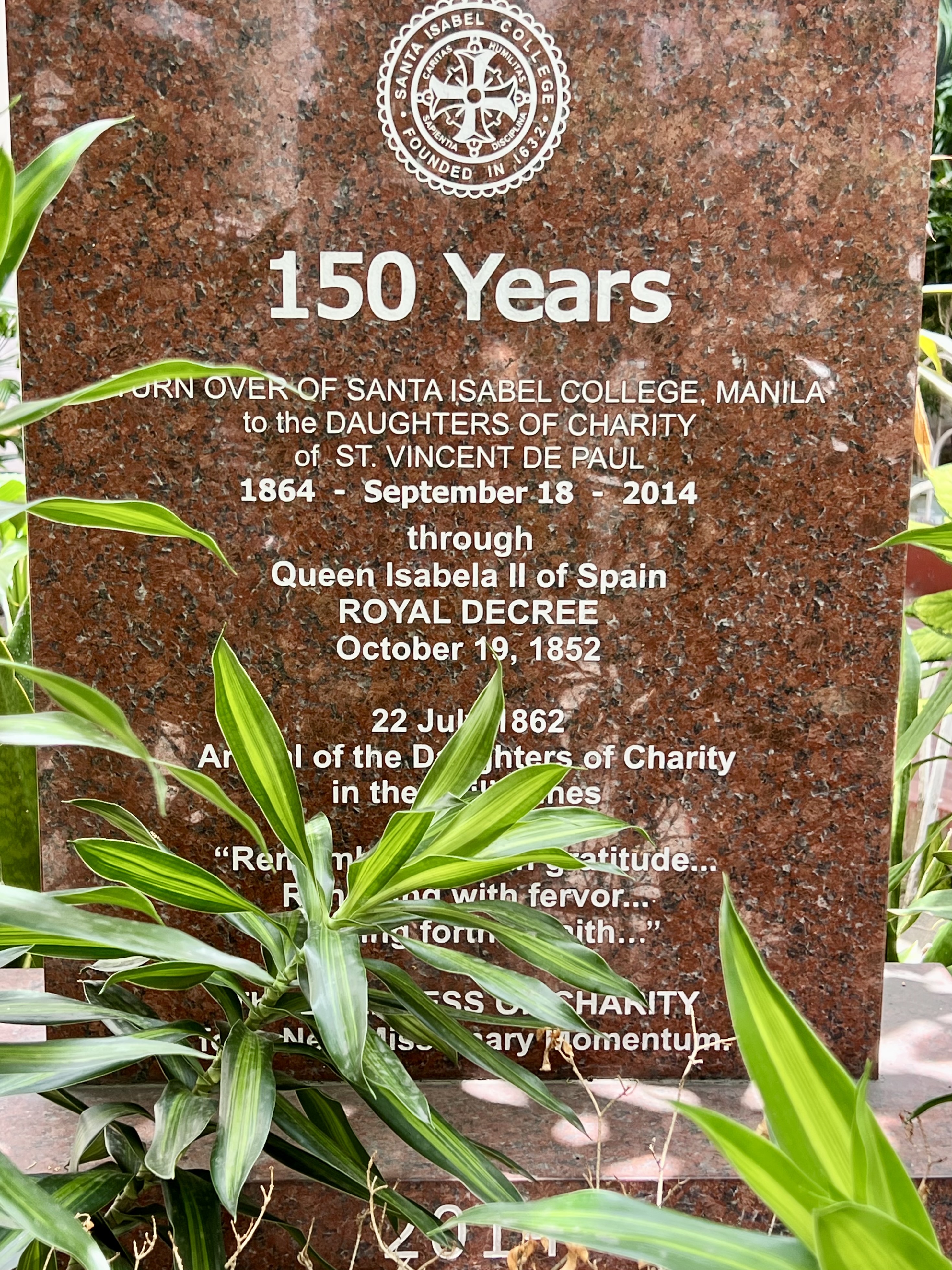
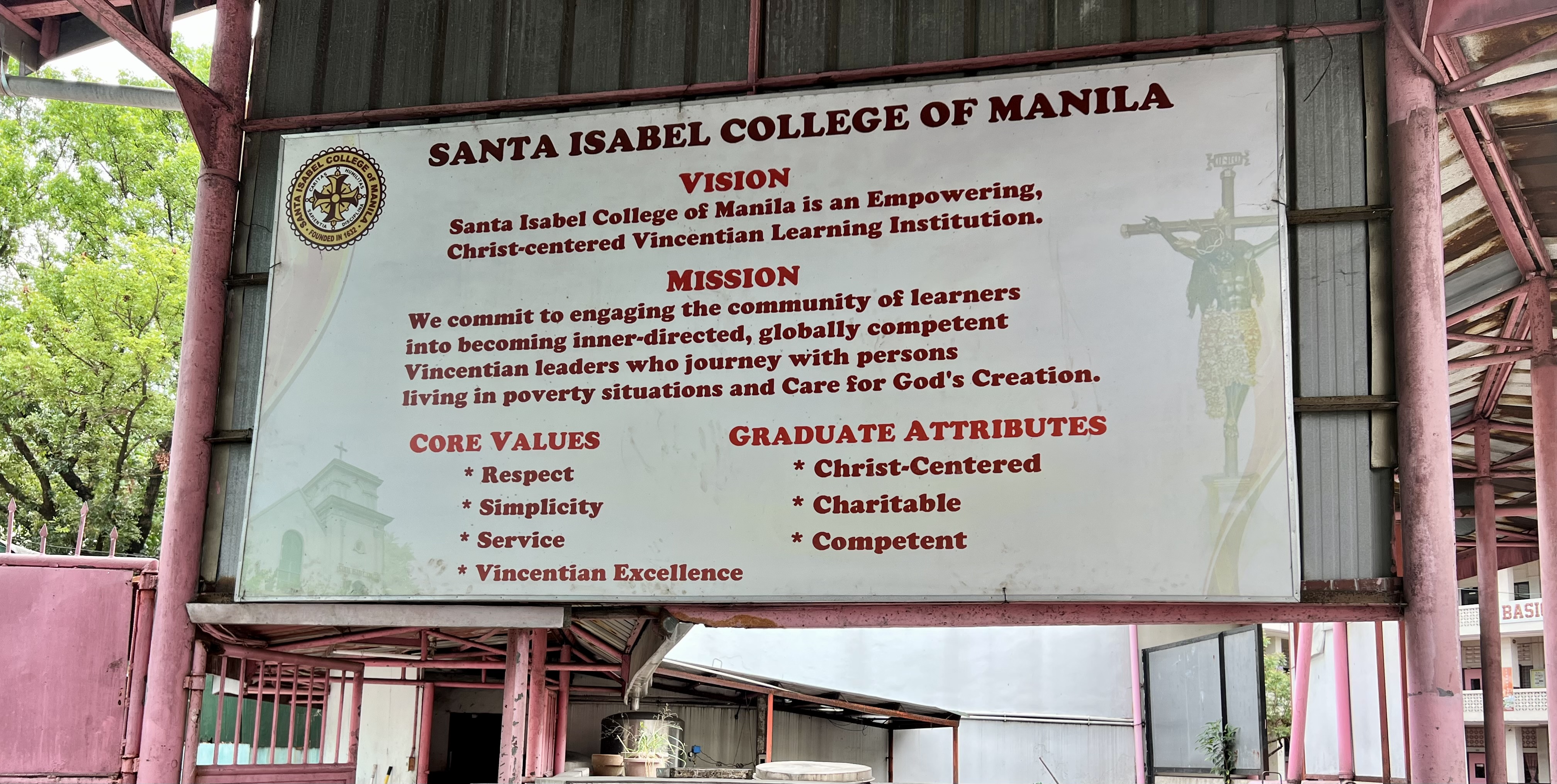
We all crossed Taft Avenue together, but only Jay, Rica, and I were permitted to enter the school grounds. The guard hesitated, uncertain, until I explained that I had once been a student there. He allowed us to walk the outskirts of the campus.
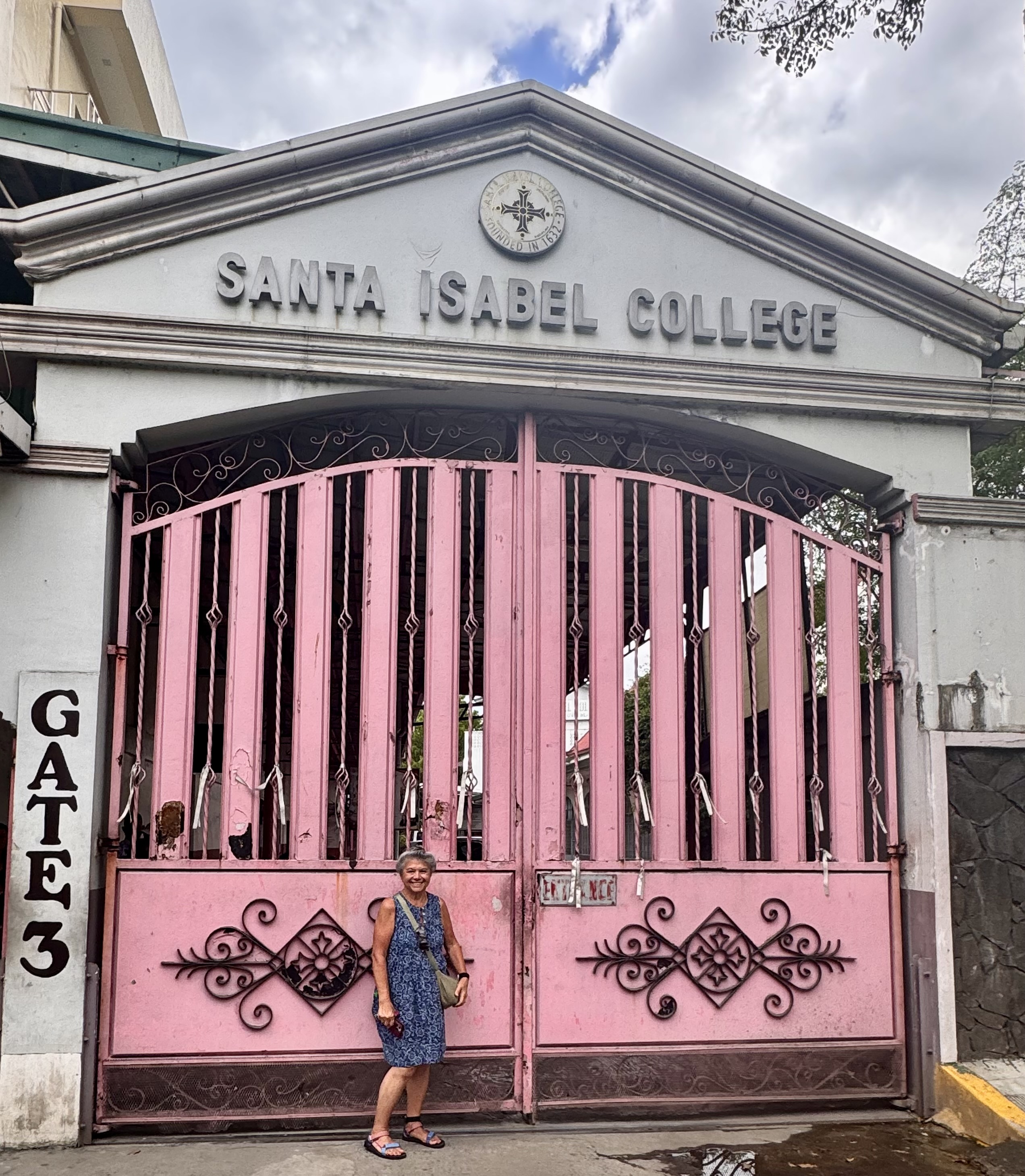
Inside, time folded in on itself. I pointed out the old directory sign that directed visitors to the principal’s office. In my day, I knew exactly how to get there.
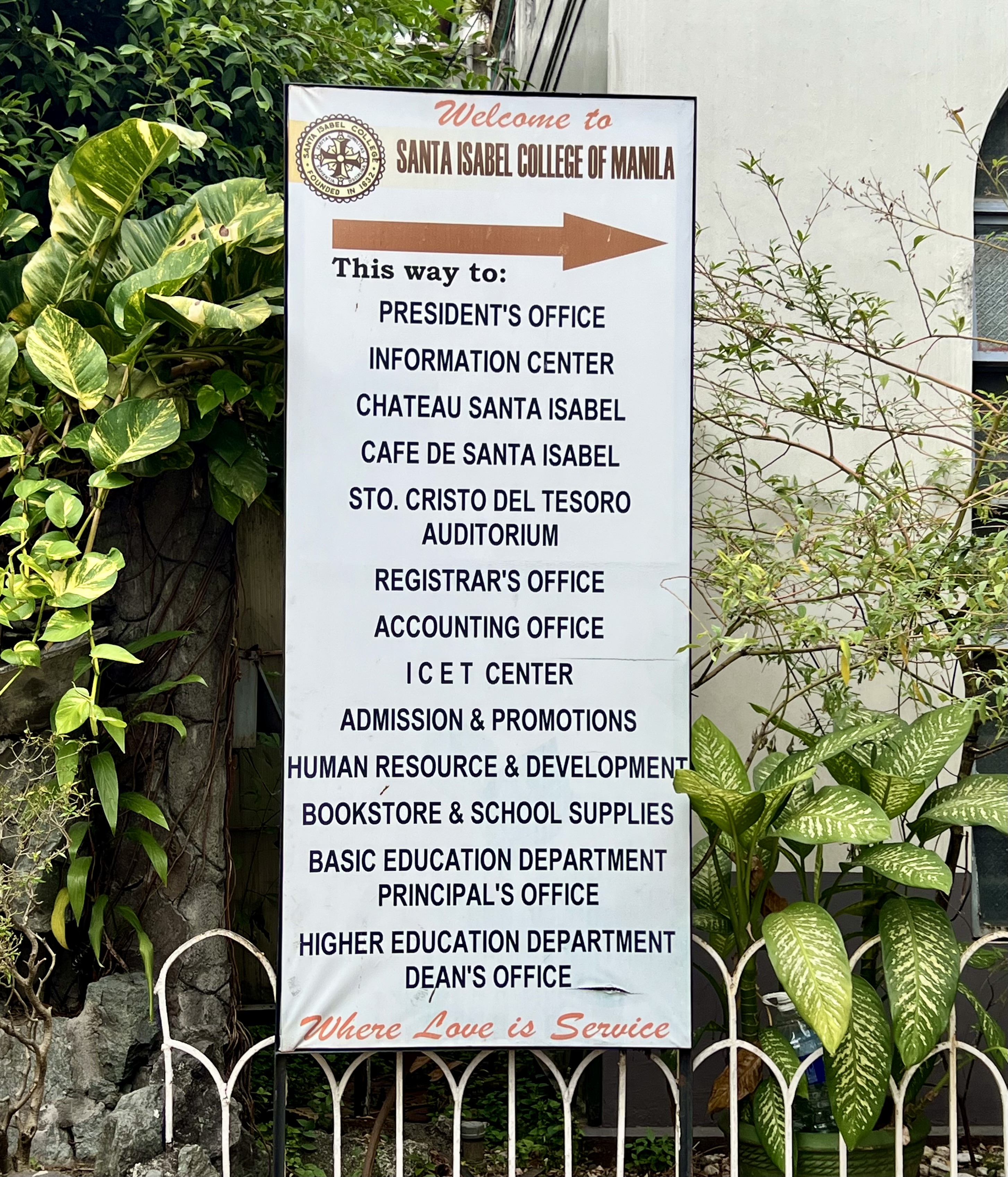
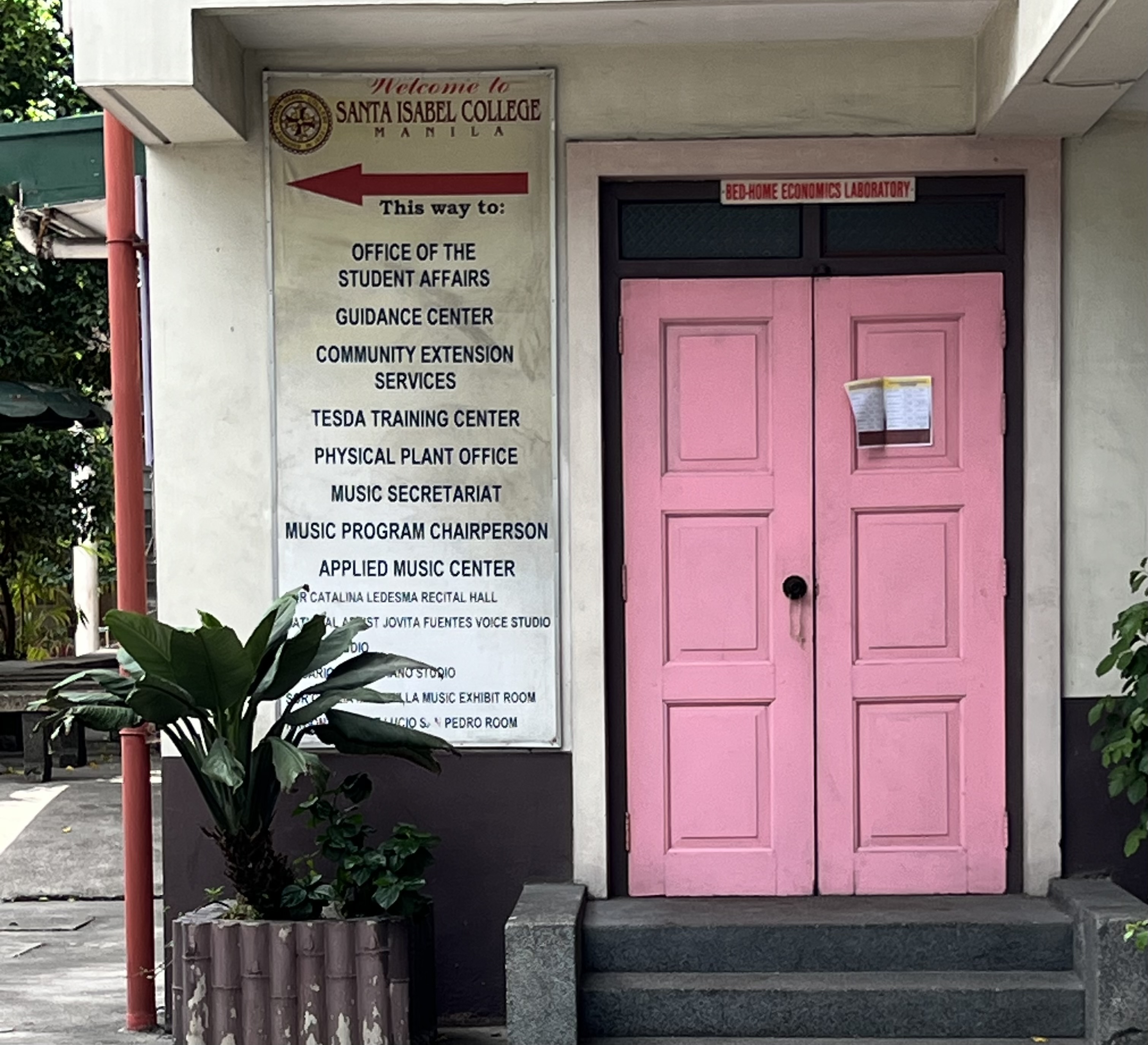
I’ll never forget the Saturday morning I dropped my laundry bag from the fourth floor down the spiral steps, hoping to save myself from lugging it down four flights of stairs—there were no lifts or elevators on campus then. When I reached the ground, Sor Theresa was already there, her sharp‑pointed shoe planted firmly on my laundry bag. You can only imagine how that ended for me: another trip to the principal’s office, where lessons were taught not only in books but in obedience.
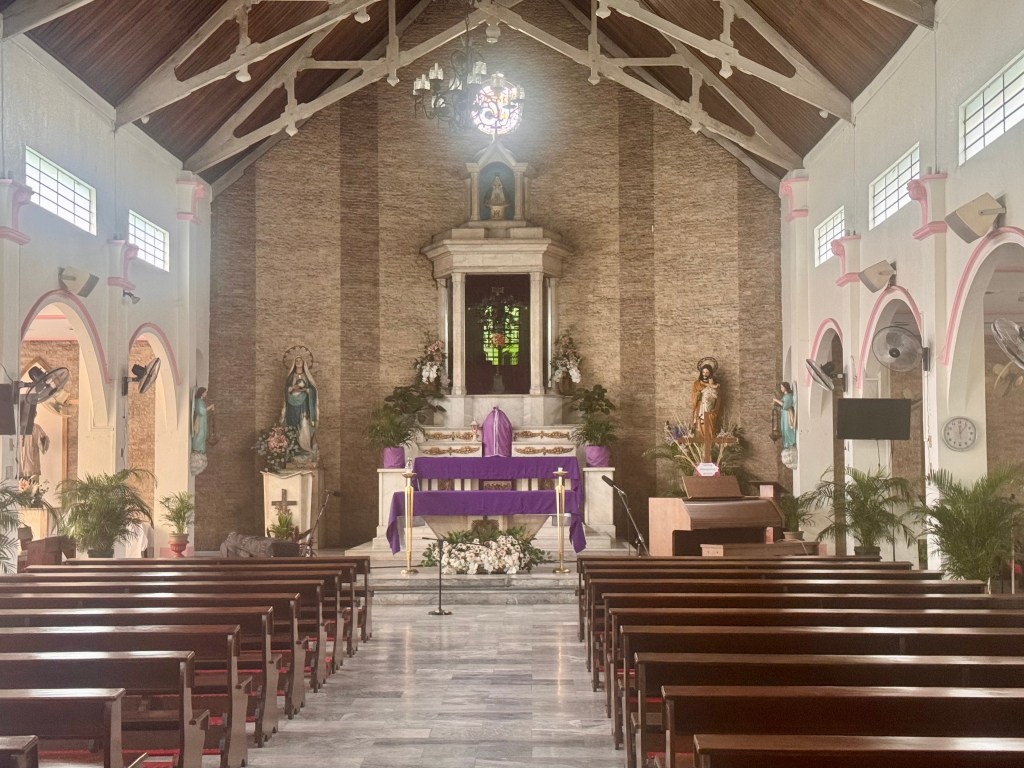
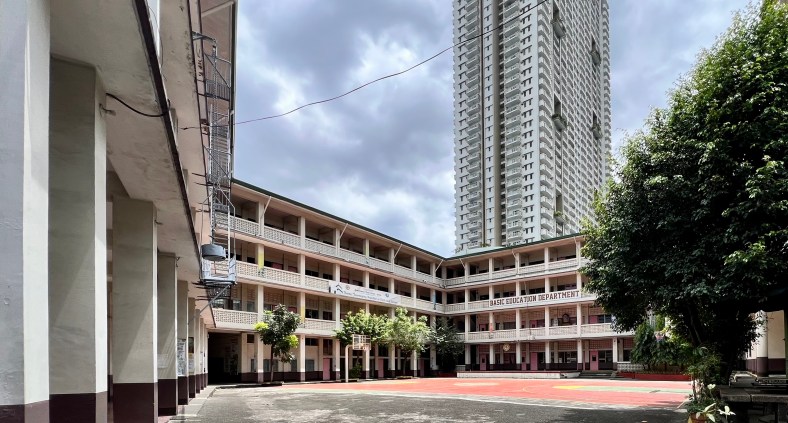
The chapel was unchanged, standing as it had in my youth, though the quadrangle seemed smaller than I remembered. Looking up at the fourth‑floor dormitory windows, I was reminded of how I used to gaze out and see Luneta Park in the distance. I was lucky to have a bed next to the window, where the view stretched beyond the school walls and gave me a sense of connection to the wider world.
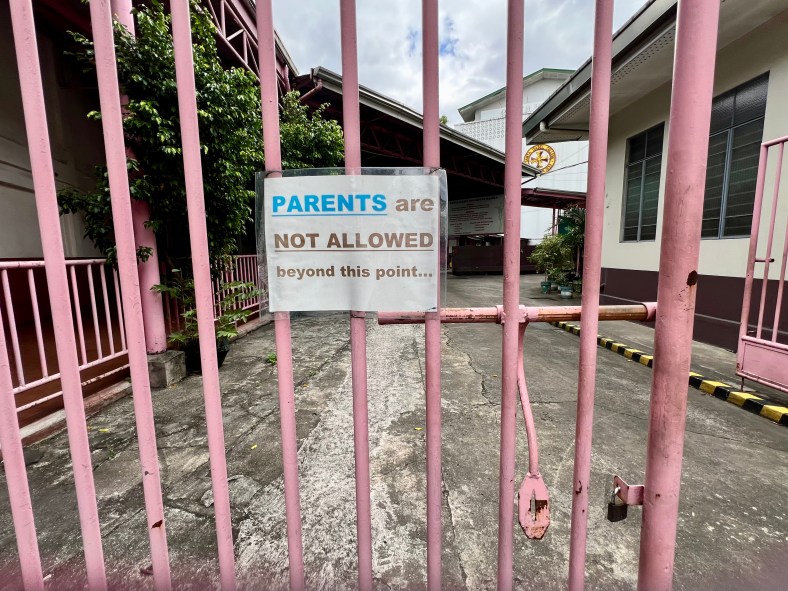
Then I saw the sign: Parents are not allowed beyond this point. Simple words, yet they carried the weight of memory. They reminded me of how the nuns controlled our lives, shaping discipline and order in ways that seemed unquestioned.
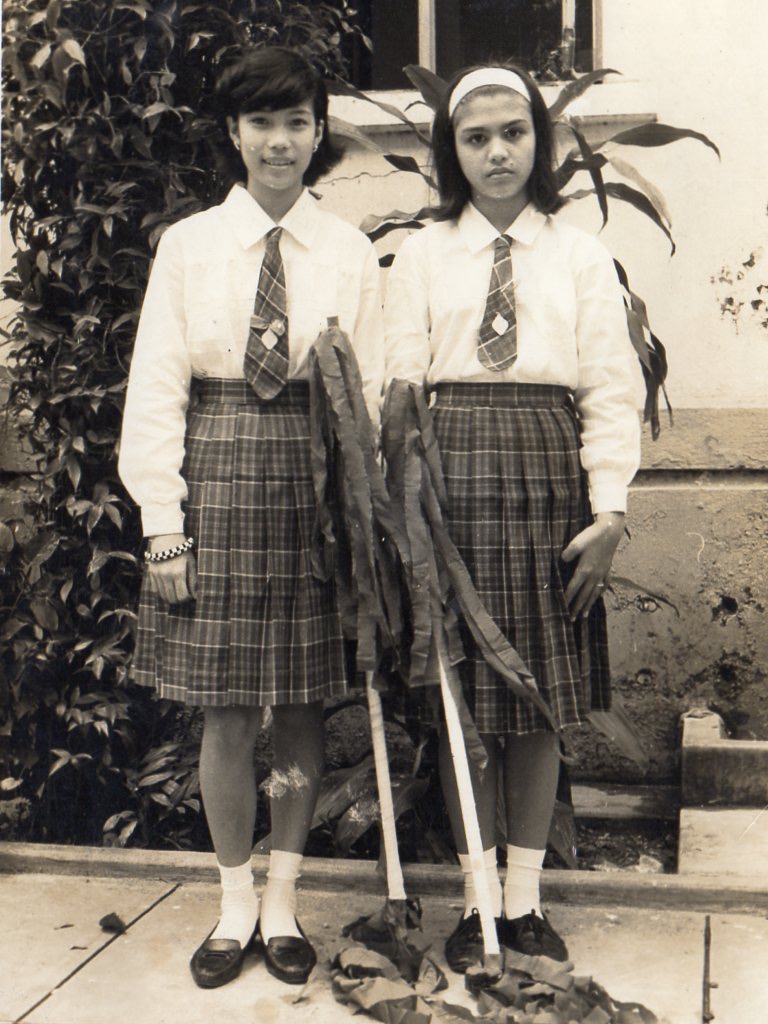
My best friend in school was Edith delos Santos
Quiapo Church
Later that same day, we traveled to Quiapo Church. My mother used to bring me here, and the memory of those visits returned as soon as I saw the crowds pressing toward the Black Nazarene. The church was alive with devotion—candles flickering, prayers whispered, the air thick with incense and faith.
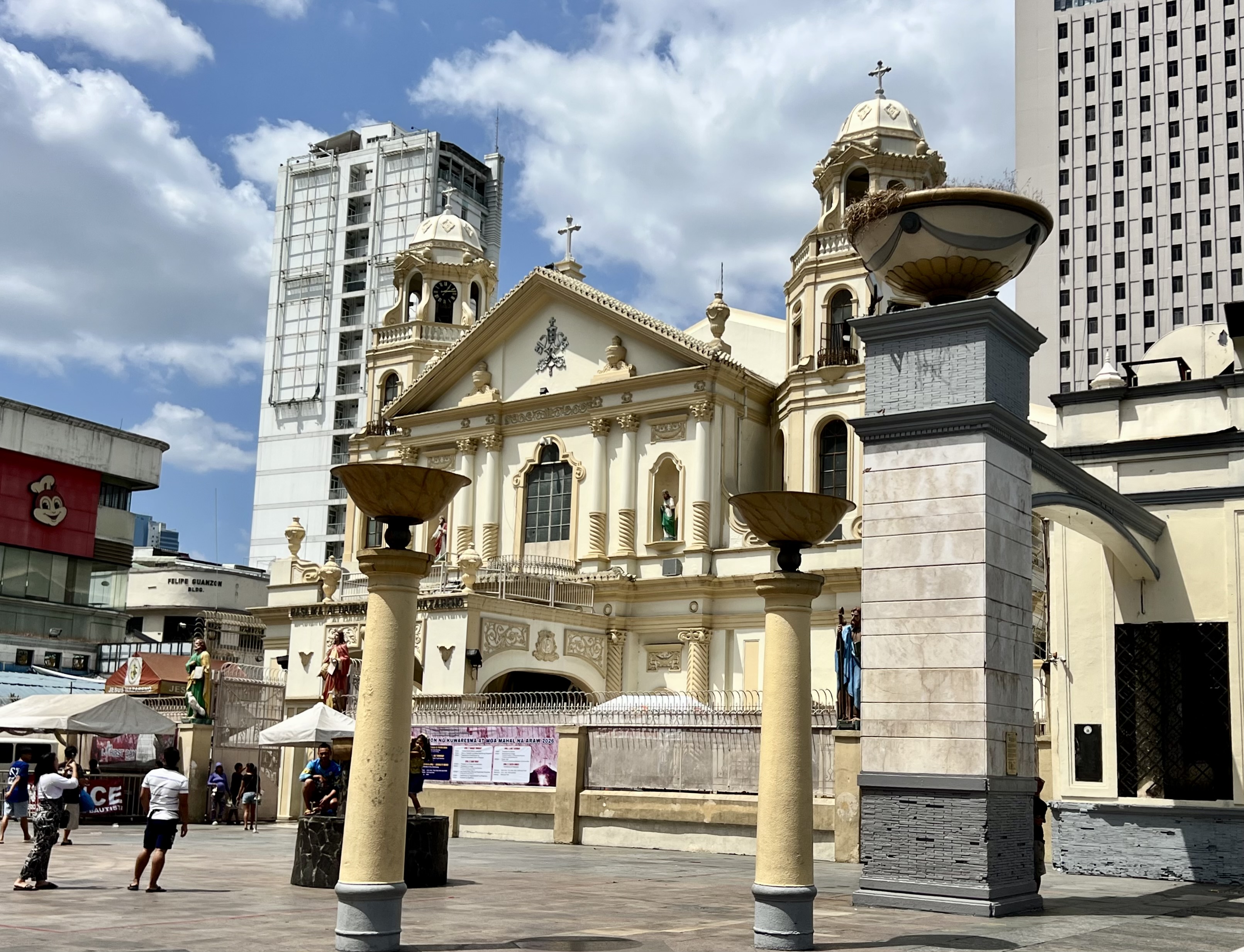
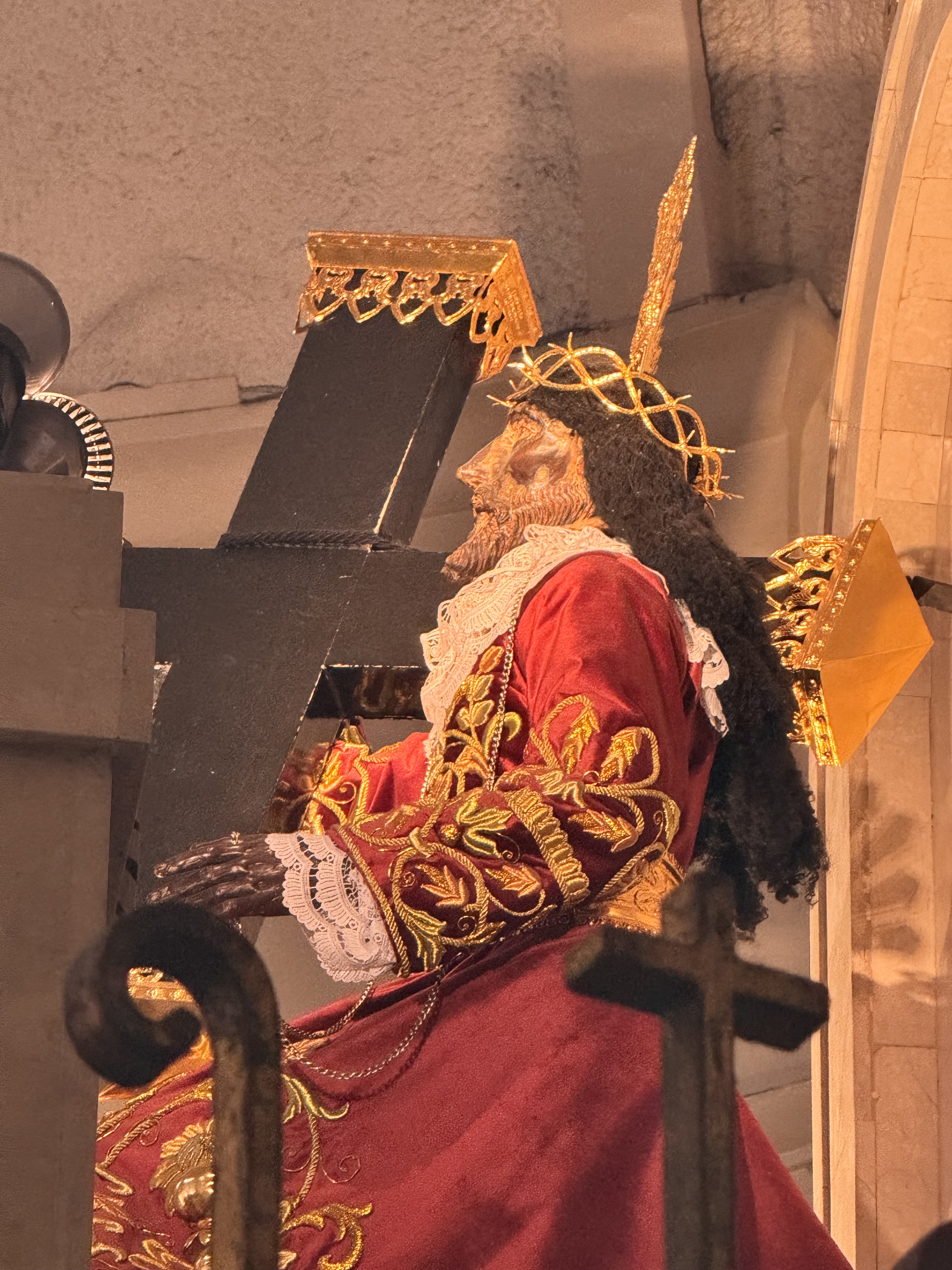
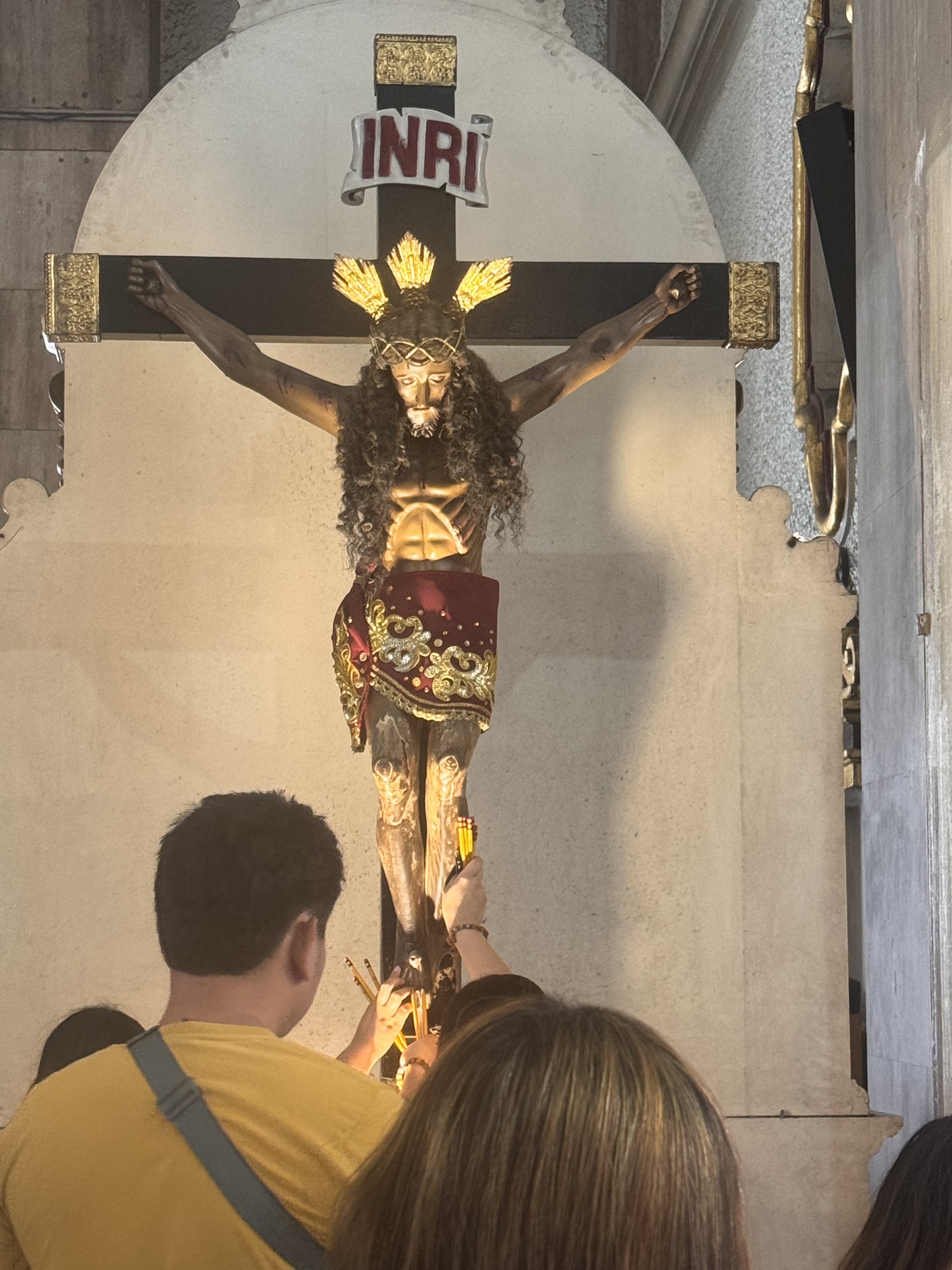
The Black Nazarene stood at the heart of it all, dark and solemn, carried in the prayers of thousands who believed in its miraculous power. As a child, I had watched my mother bow her head here, her devotion steady and unshaken. Returning now, I felt the continuity of generations—the same ritual unfolding, the same faith binding people together, unchanged by time.
After church, my mother and I would always walk to a nearby Chinese restaurant. The memory is so vivid: we never needed a menu, because we always ordered the same dishes—egg foo yung and camaron rebosado. The flavors linger in my mind even now, tied inseparably to those afternoons of devotion and comfort.
Intramuros and San Agustin Church
From Quiapo, we made our way to Intramuros, the old walled city that has stood through centuries of upheaval. Its cobblestone streets and Spanish-era walls seemed to whisper stories of resilience. We ate lunch at a wonderful place just across from San Agustin Church, a UNESCO World Heritage site. The meal was one of many we would share during this 28‑day adventure, each table becoming part of the journey.
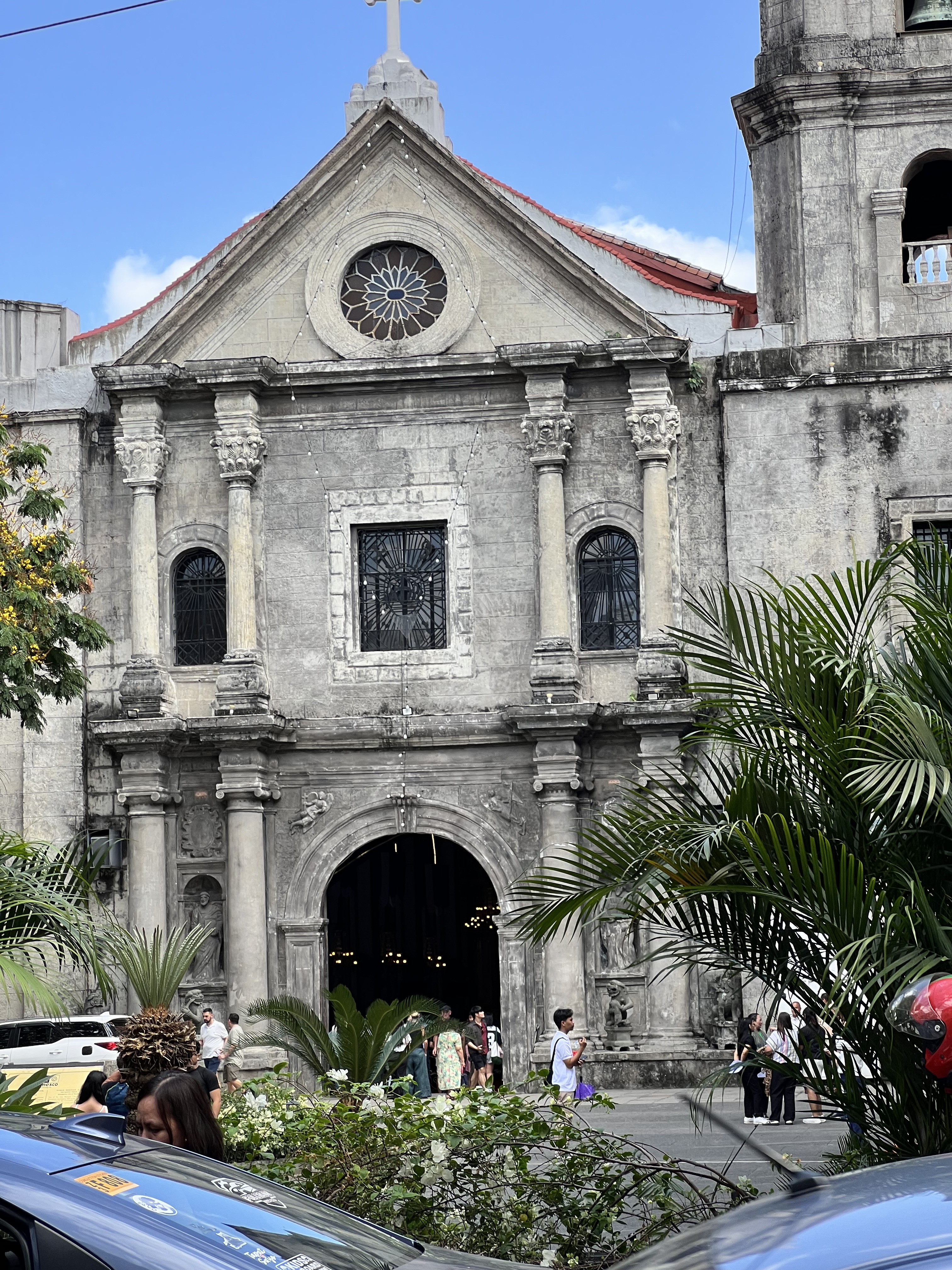


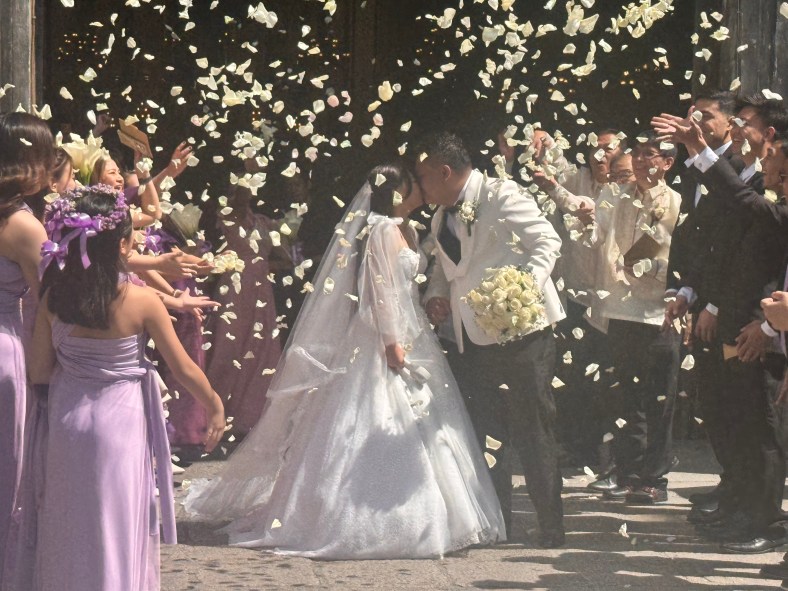
As we finished, we were fortunate enough to witness a bride and groom stepping out of the church, celebrated by their friends and family. Weddings are among my favorite sights when traveling—moments of joy framed against walls that have endured centuries.
The Alley of Vendors and Manila Cathedral
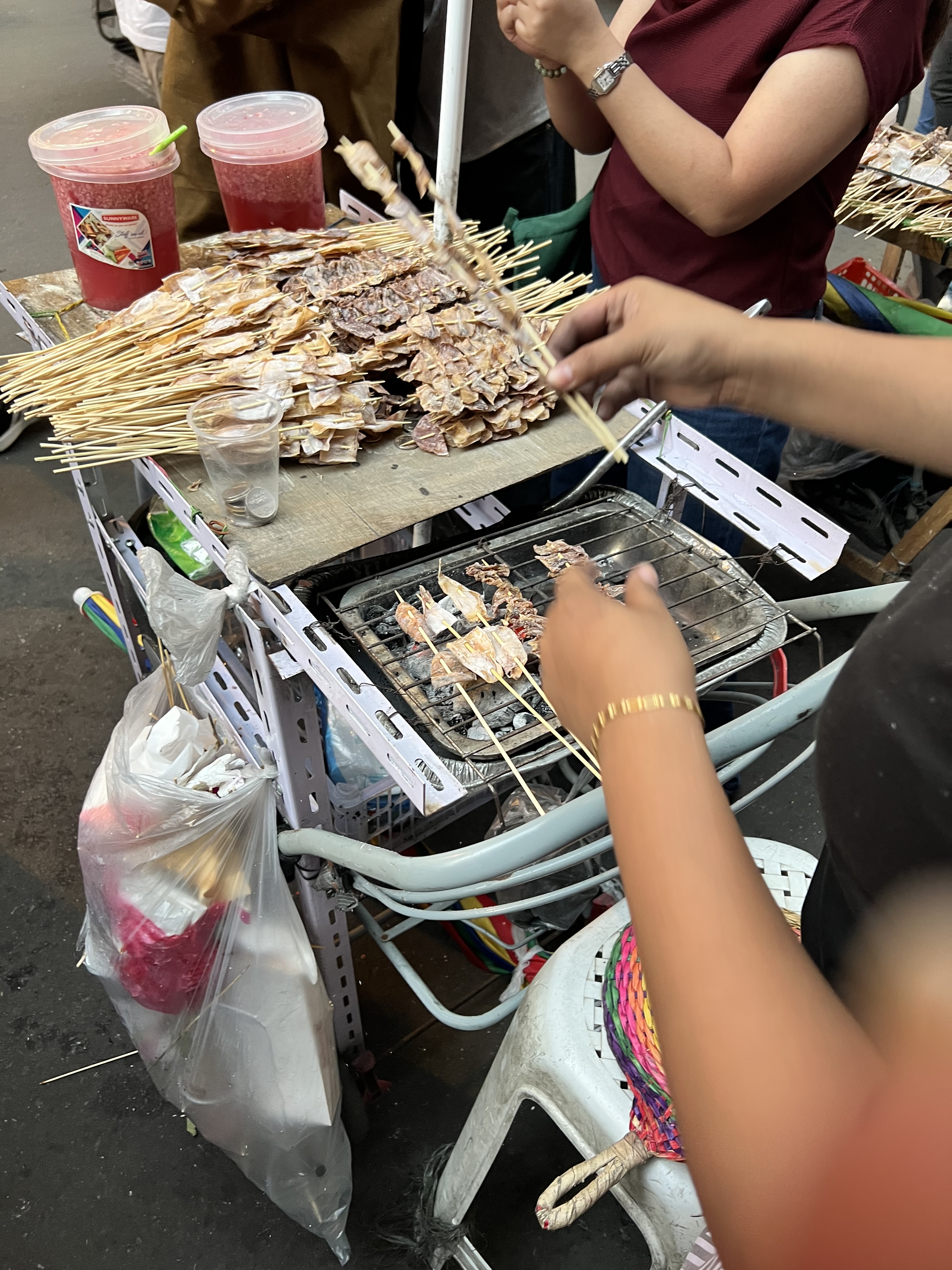
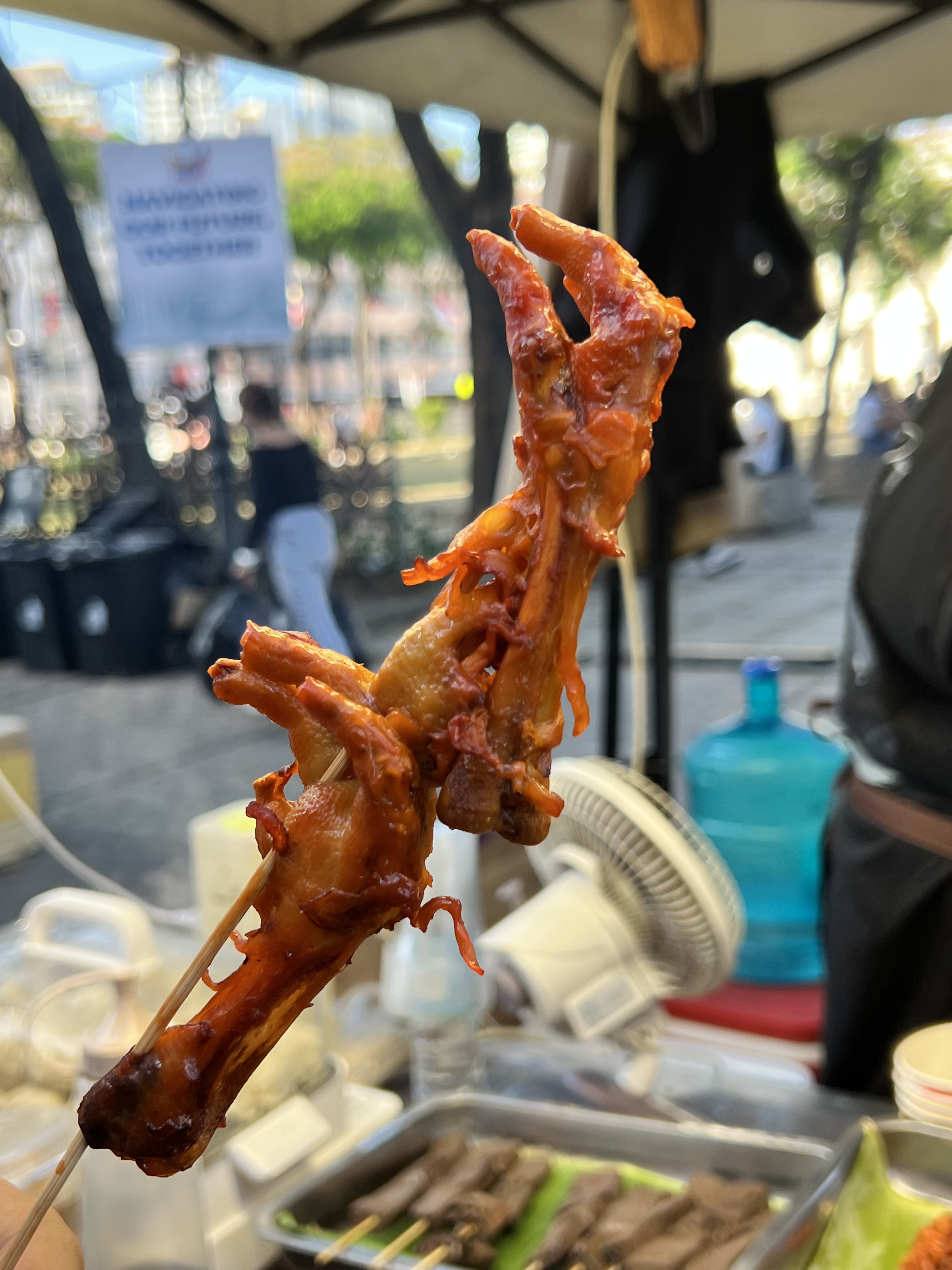
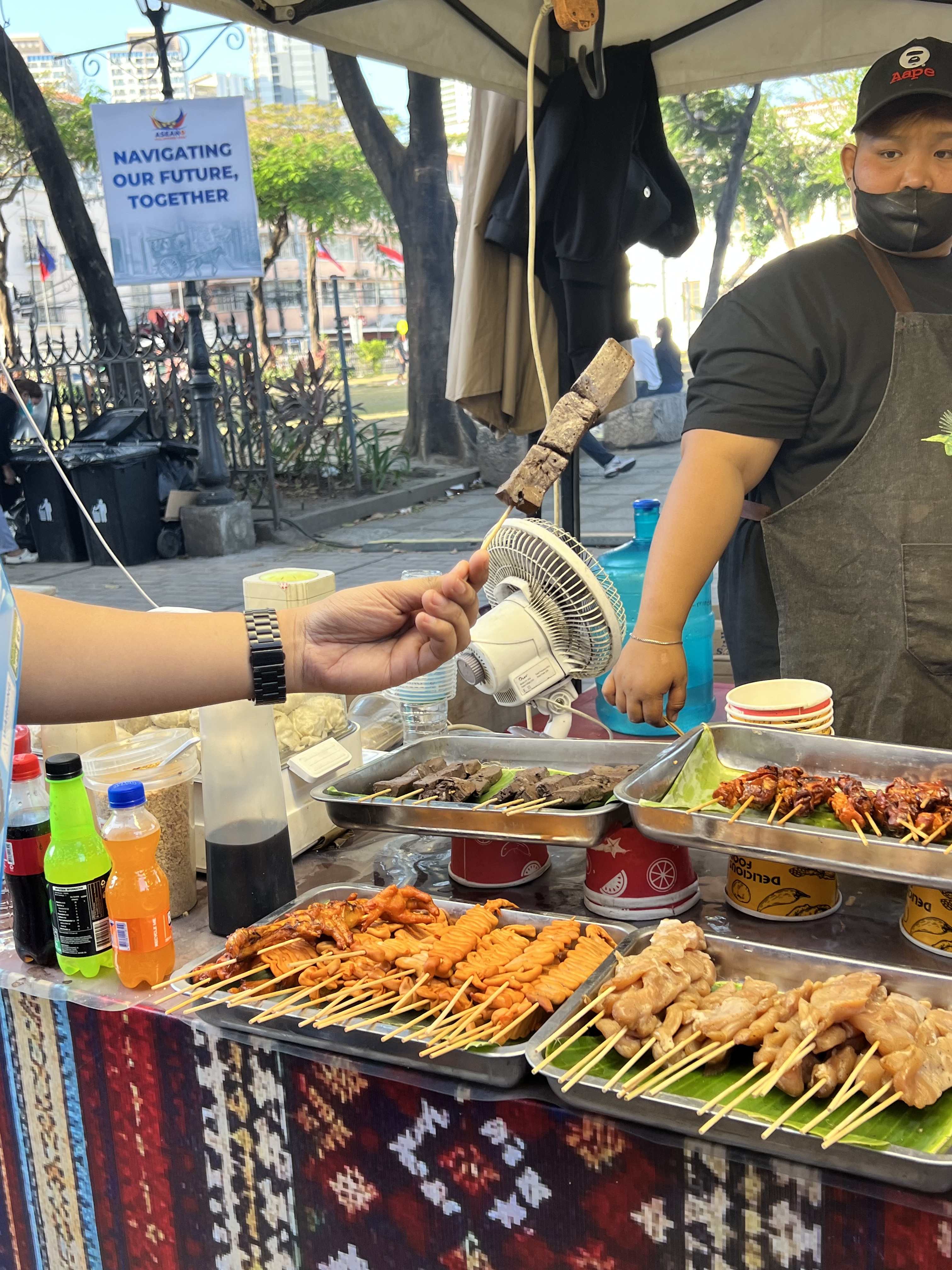
After lunch, we wandered down a side street where vendors were cooking every imaginable Filipino delicacy. The air was thick with the scent of freshly grilled chicken feet, skewered squid, and bibingka warm from the coals. Not that we were hungry after such a meal, but we found a way to buy snacks to bring back to the place where we were staying. It wasn’t a hotel—it was more like an Airbnb, a temporary home in Manila, where these flavors would later remind us of the day’s abundance.
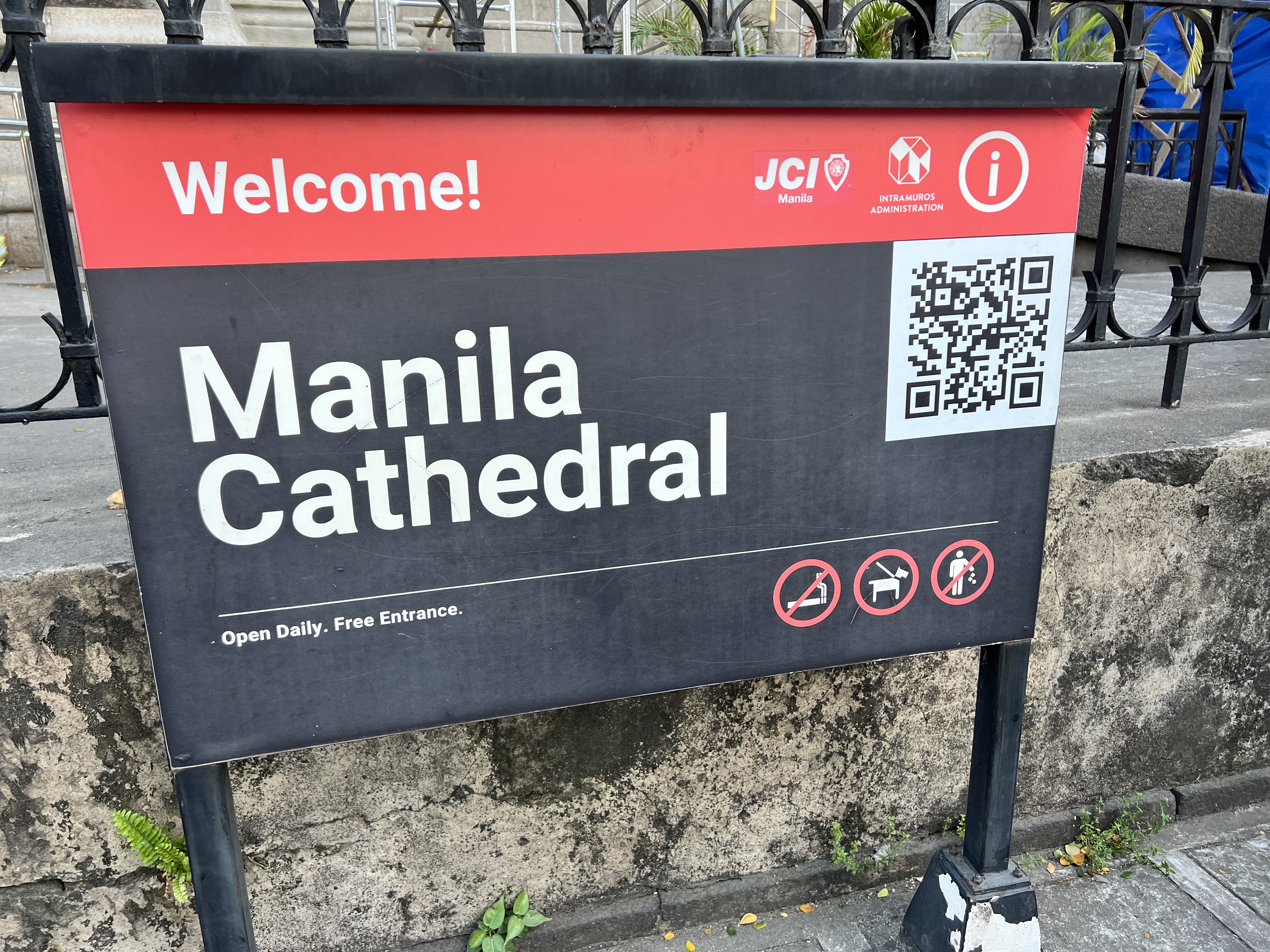
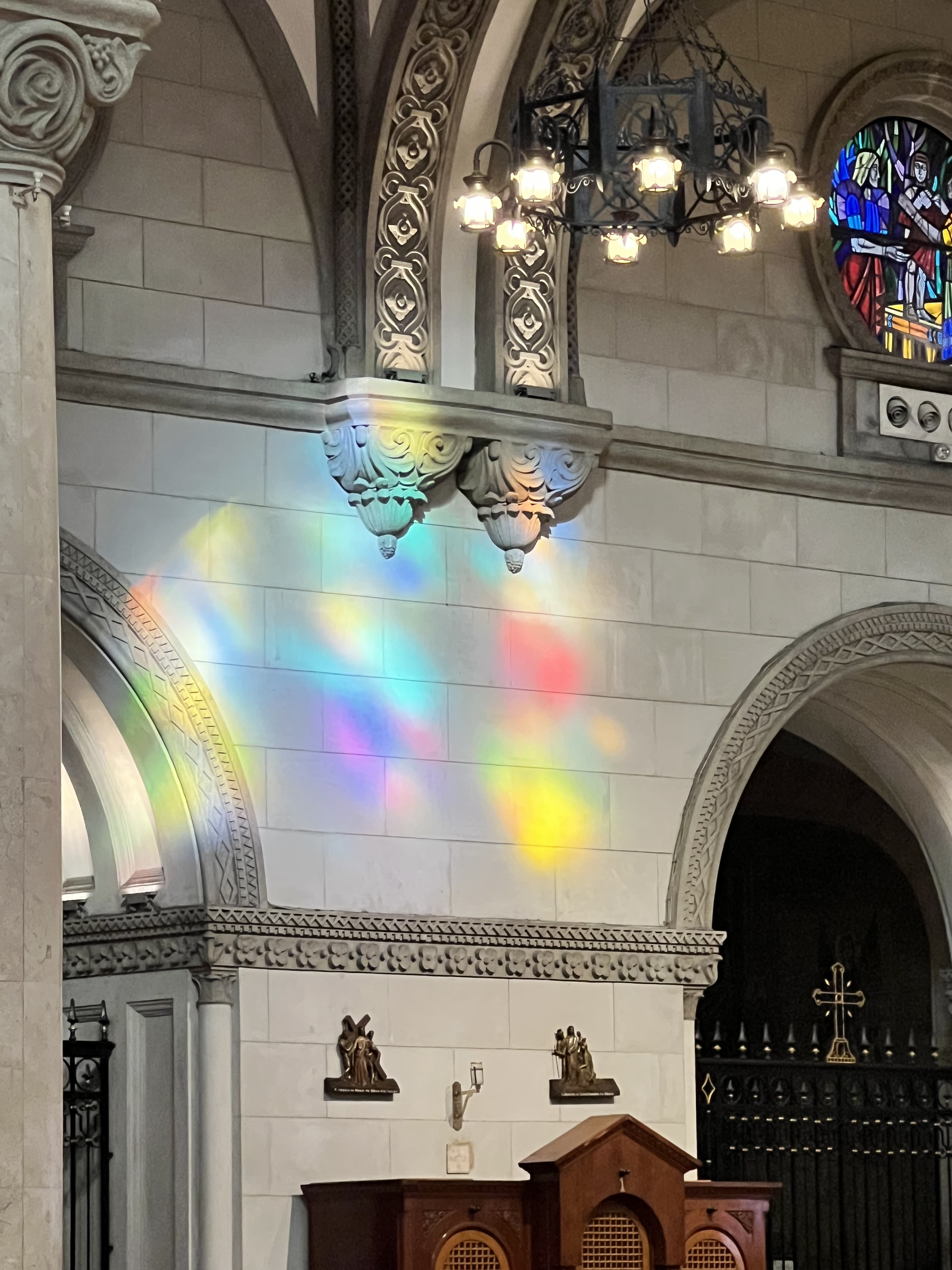

At the end of the alley, we encountered the Cathedral of Manila, its grand façade rising above the bustle of vendors. The sight of the cathedral, timeless and solemn, seemed to anchor the day’s wanderings in history and faith.
Chinatown
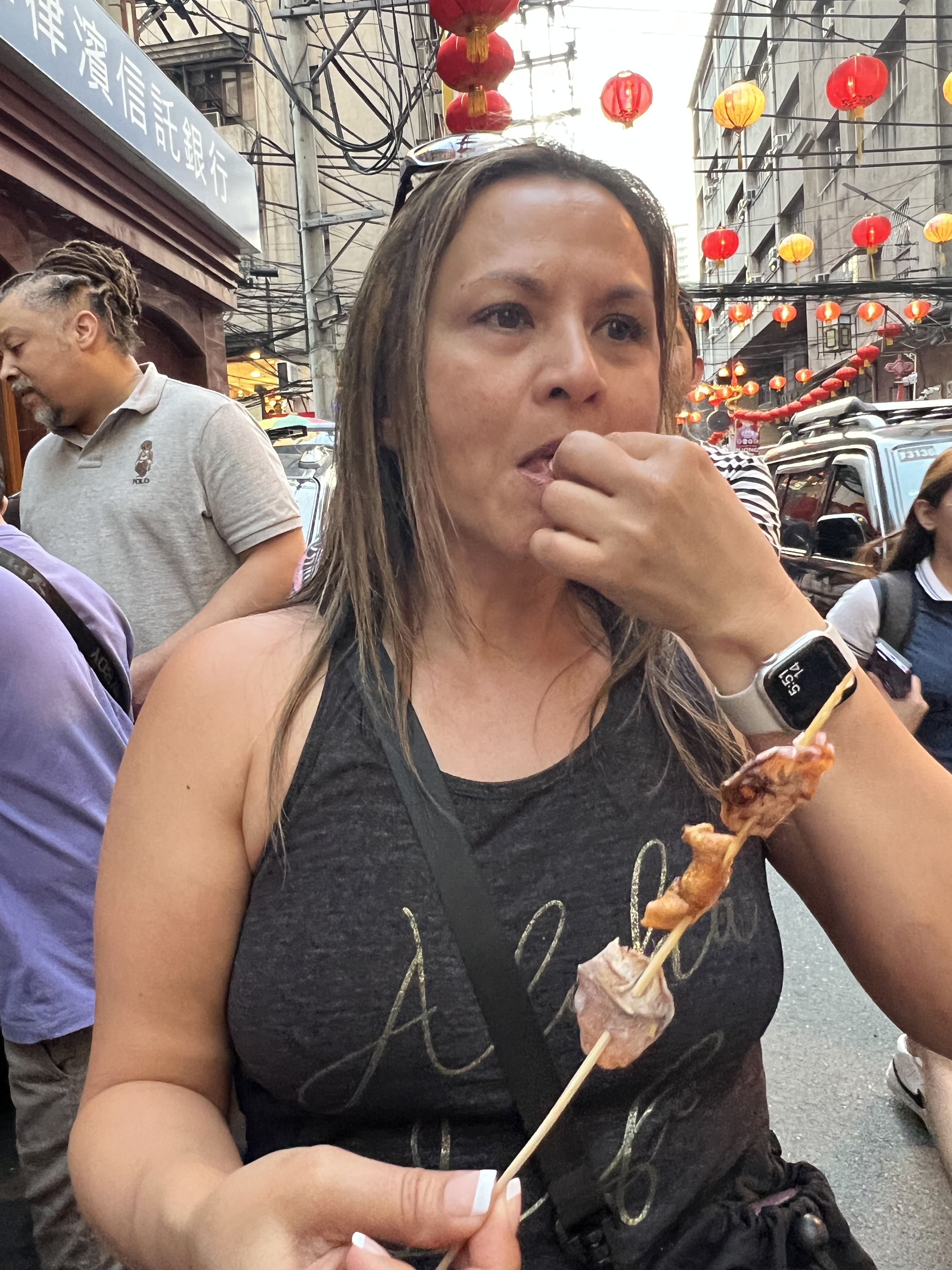
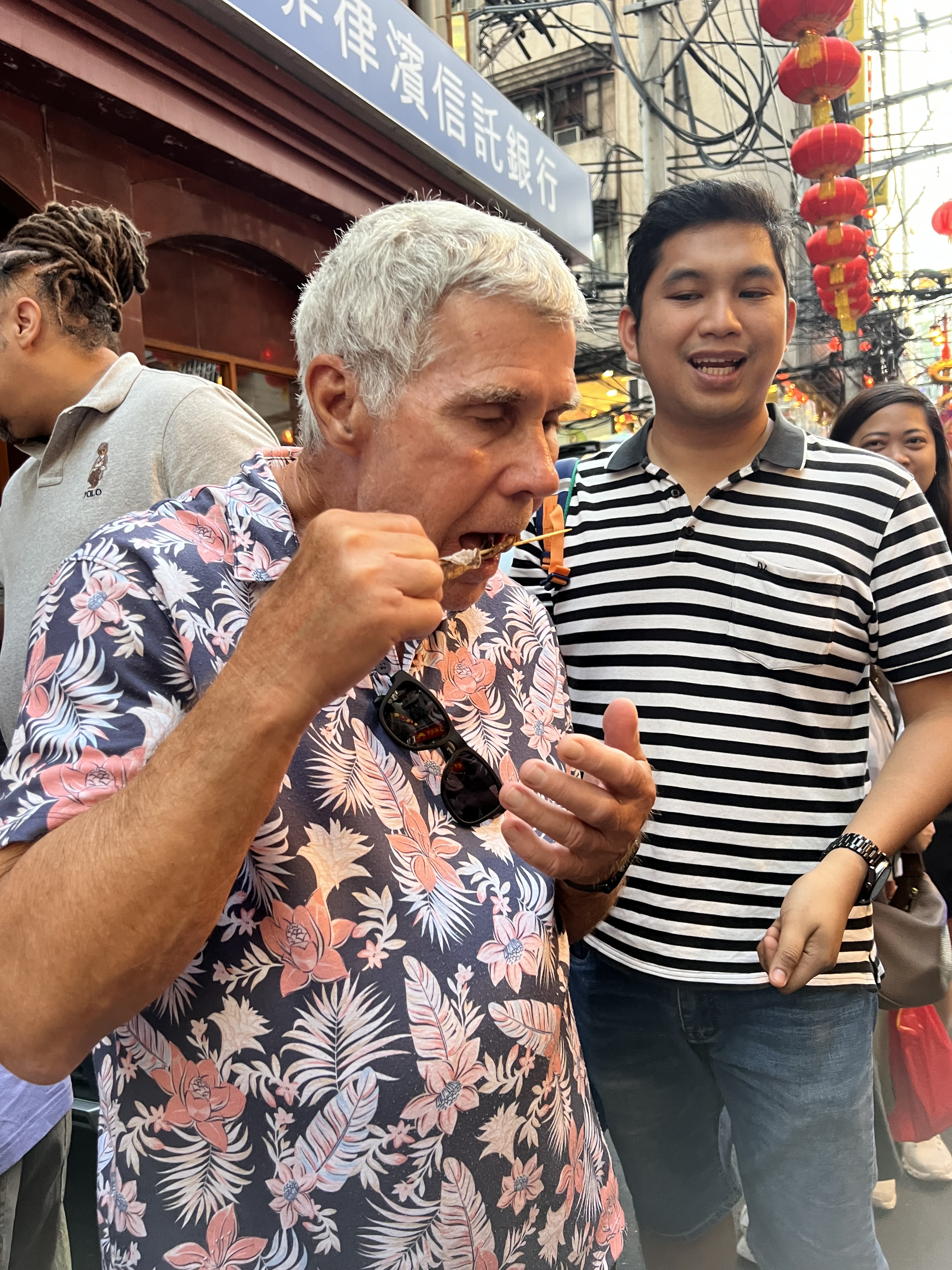
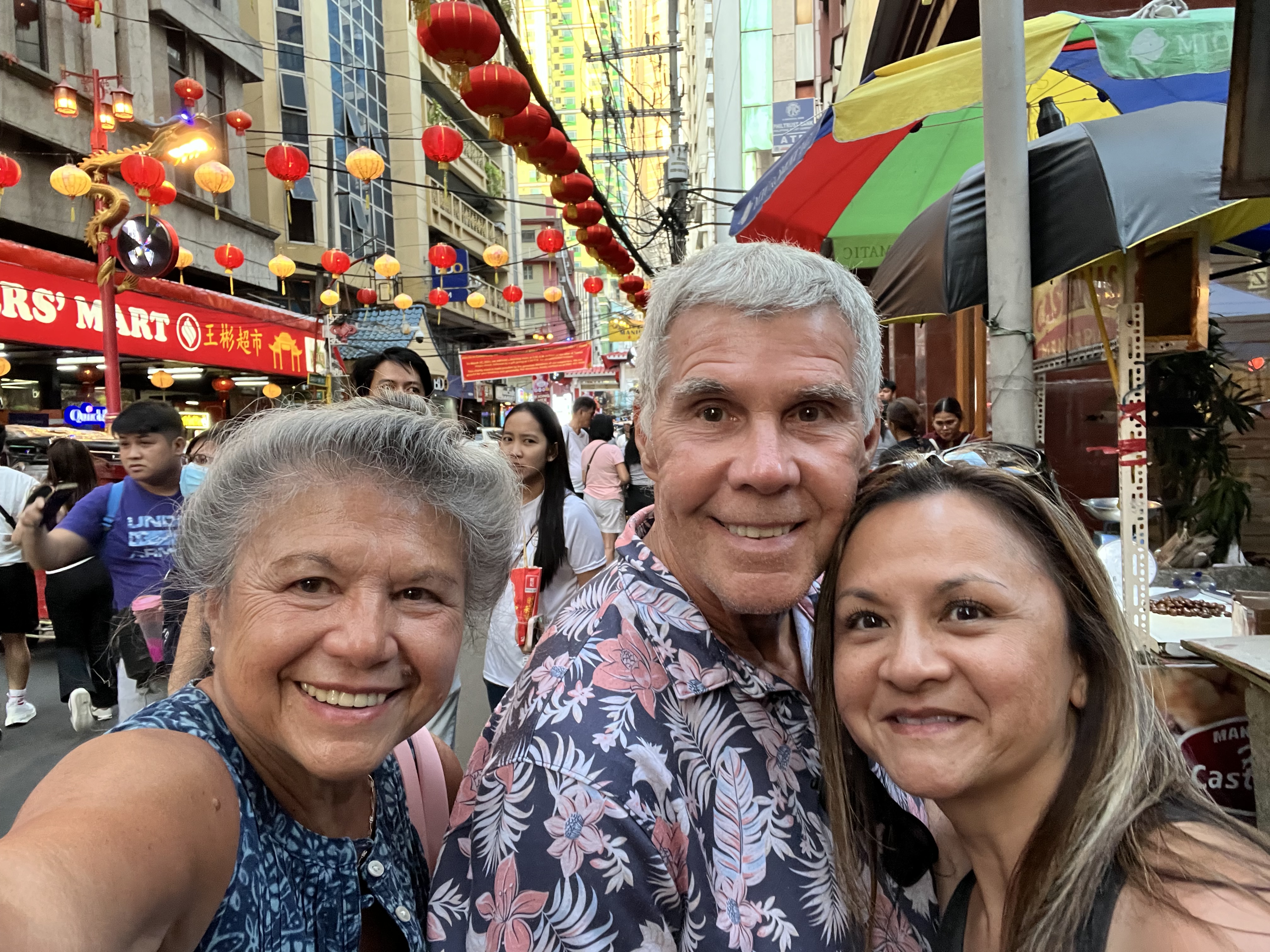
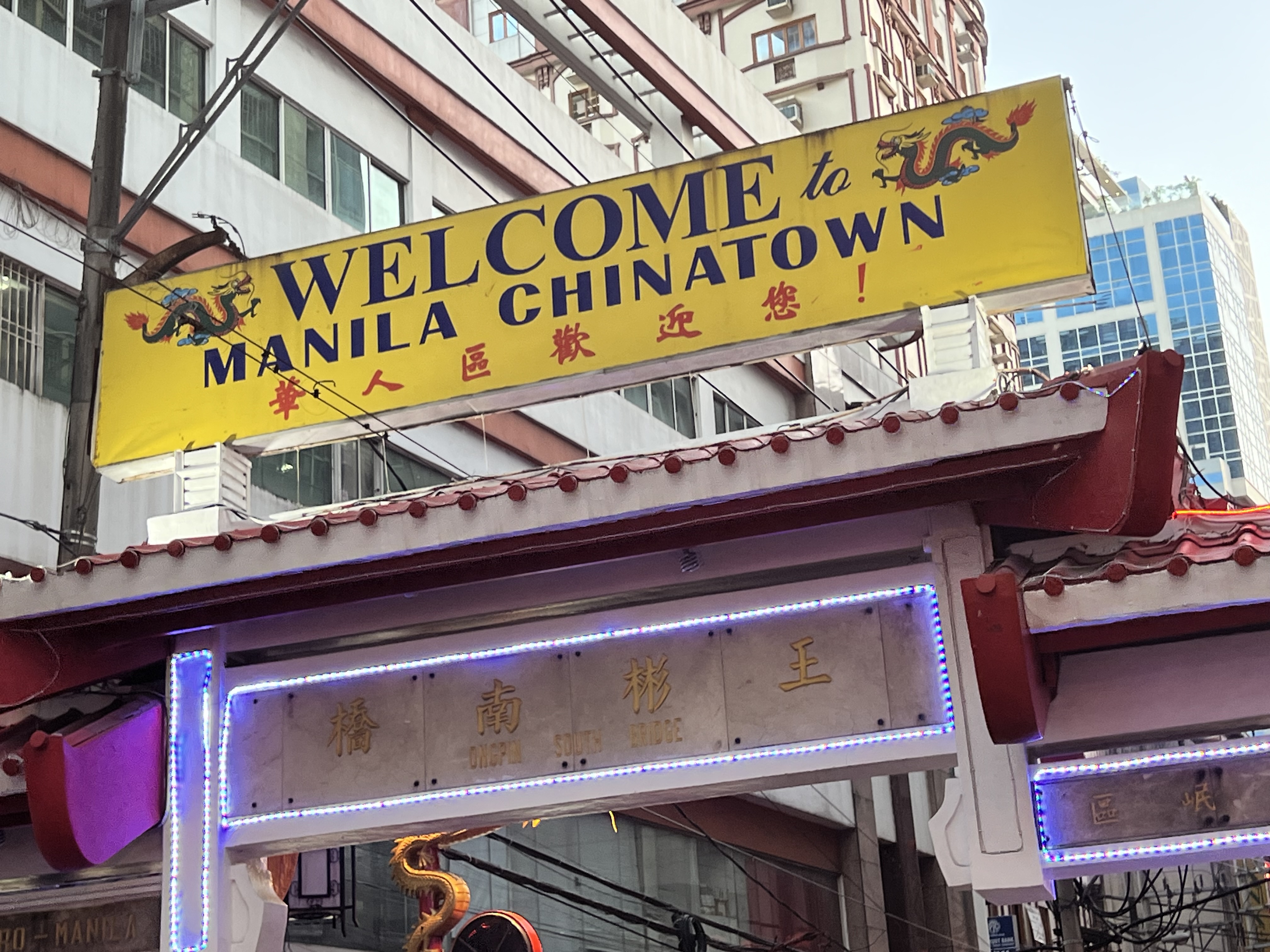
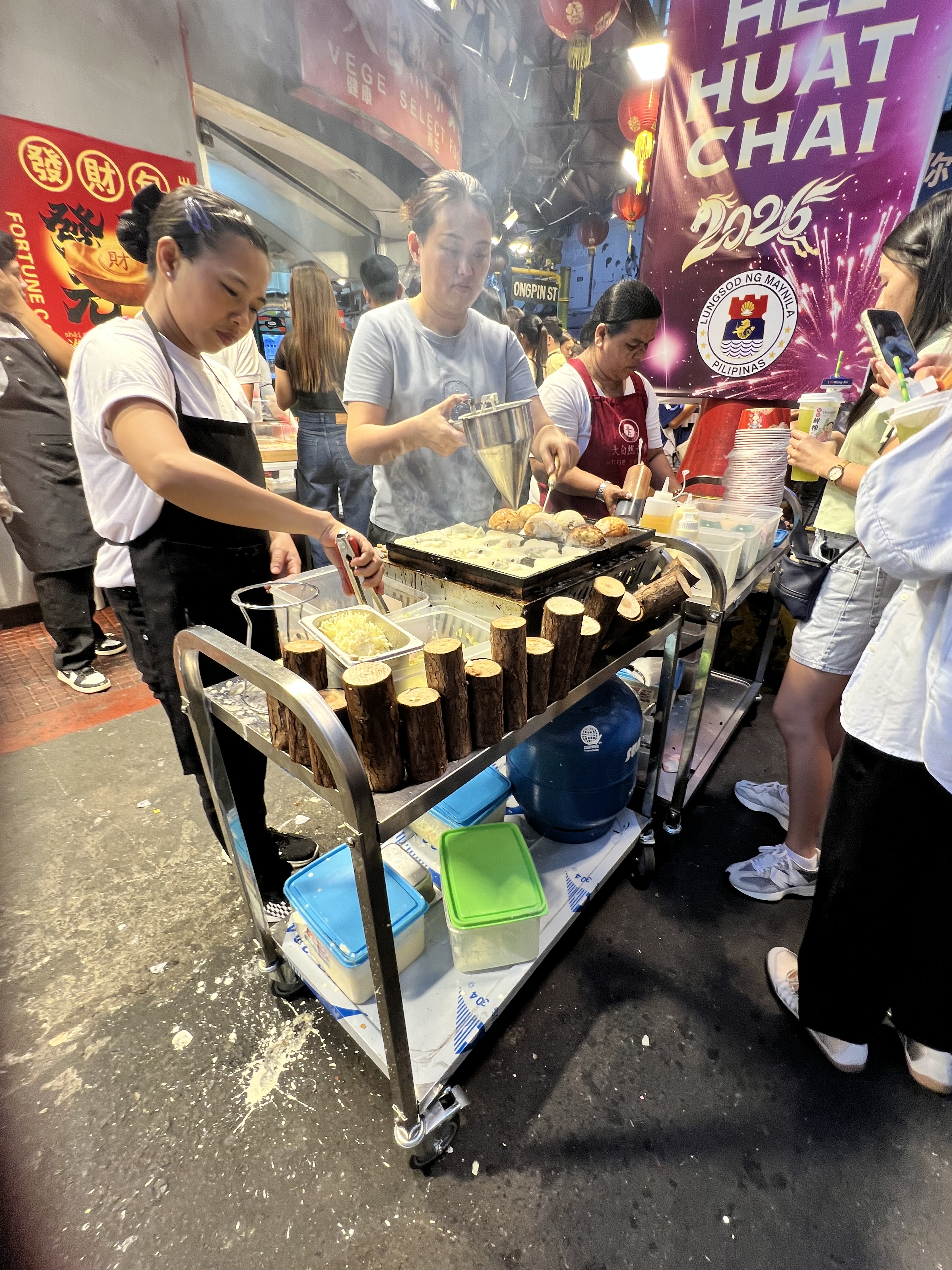
Before calling it a day, we made one more stop in Chinatown. Again, the air was alive with food—smells and flavors drifting through the streets, queues wrapped around corners as people waited for a piece of whatever was being offered. It was amazing to see how Jay and Rica tried so many different foods, each bite a small adventure. The streets themselves seemed to pulse with life, a reminder that Manila’s story is told not only in monuments and churches but also in the everyday rituals of eating, sharing, and savoring.
Reflection
That first day in Manila unfolded like a tapestry of memory and devotion. Luneta Park, Santa Isabel College, Quiapo Church, Intramuros, San Agustin, the vendor alley, Manila Cathedral, and Chinatown each carried echoes of the past, layered with the present.
Santa Isabel, in particular, reminded me of the rhythms that shaped my youth. I woke each morning to the sound of a bell ringing in my ear, though Sor Remedios allowed the younger children a little more time to sleep. From kindergarten to college, faith was not just practiced; it was our life. I could recite the entire Mass in Latin, and we attended services daily—sometimes twice in one day. Even the smallest routines carried discipline: shower days were Monday, Wednesday, and Friday, with Sunday left as a free‑for‑all. Looking up at the fourth‑floor dormitory windows, I remembered how fortunate I was to have a bed by the window, where I could gaze out toward Luneta Park and feel connected to the world beyond the school walls.
The signs, the chapel, the Black Nazarene, the remembered taste of egg foo yung, the laughter over lunch, the sight of a wedding procession, the indulgence of street snacks, and the queues for Chinatown delicacies—all became threads in the larger story of homecoming. Manila was not simply a city to visit; it was a place where memory and history pressed close, reminding me of discipline, devotion, and the quiet rituals that shaped a life.
 World Blog