
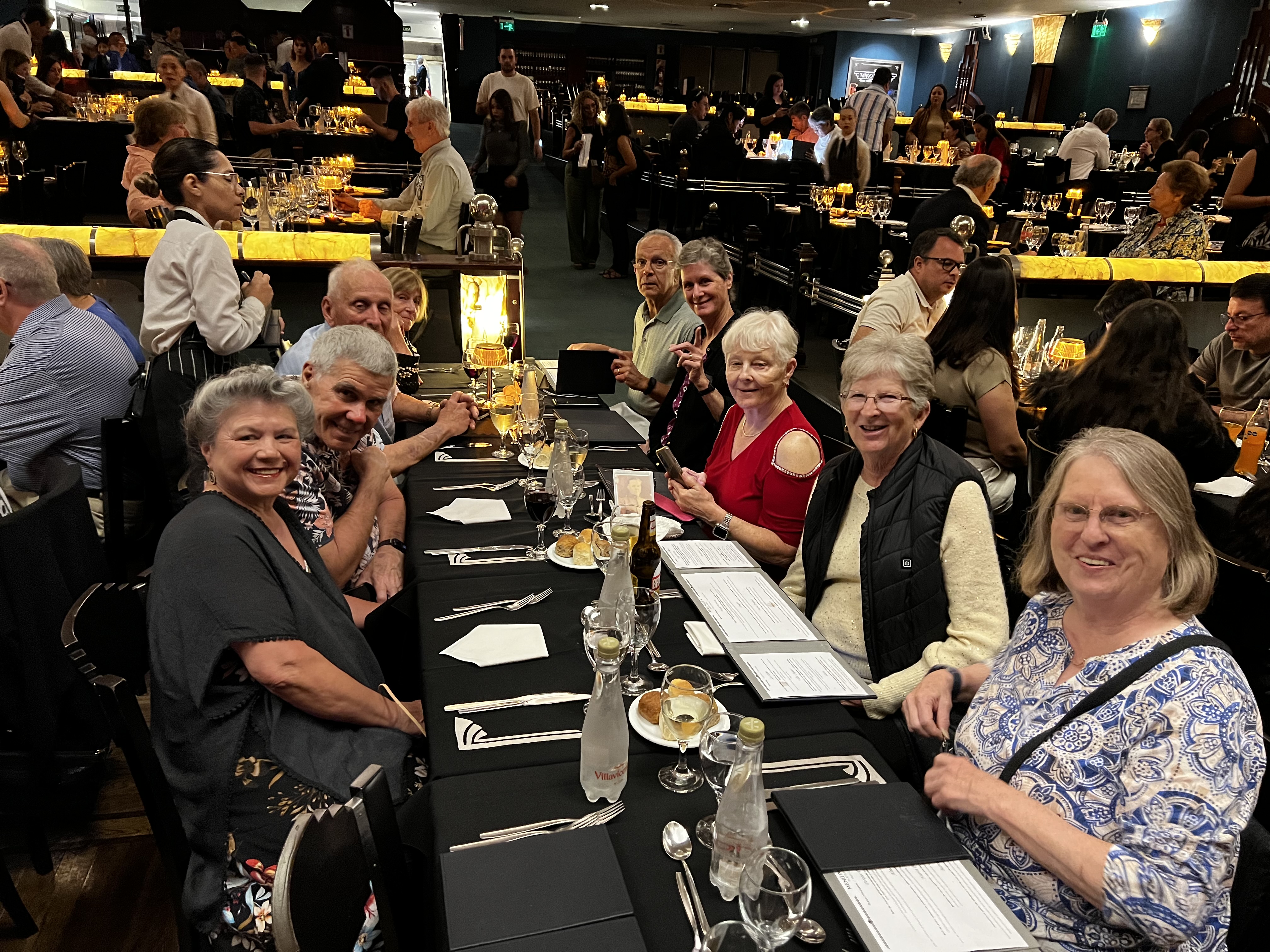
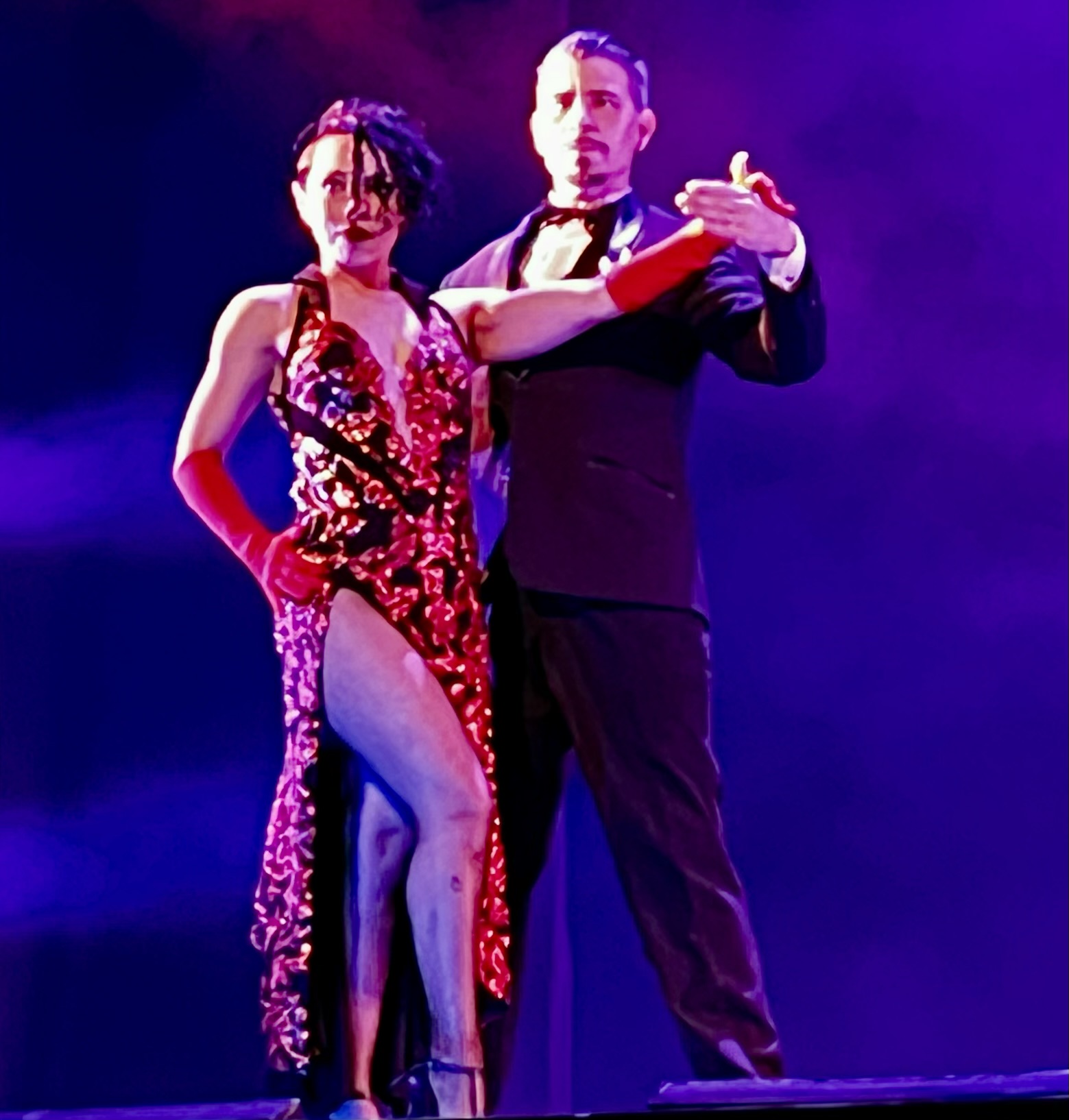
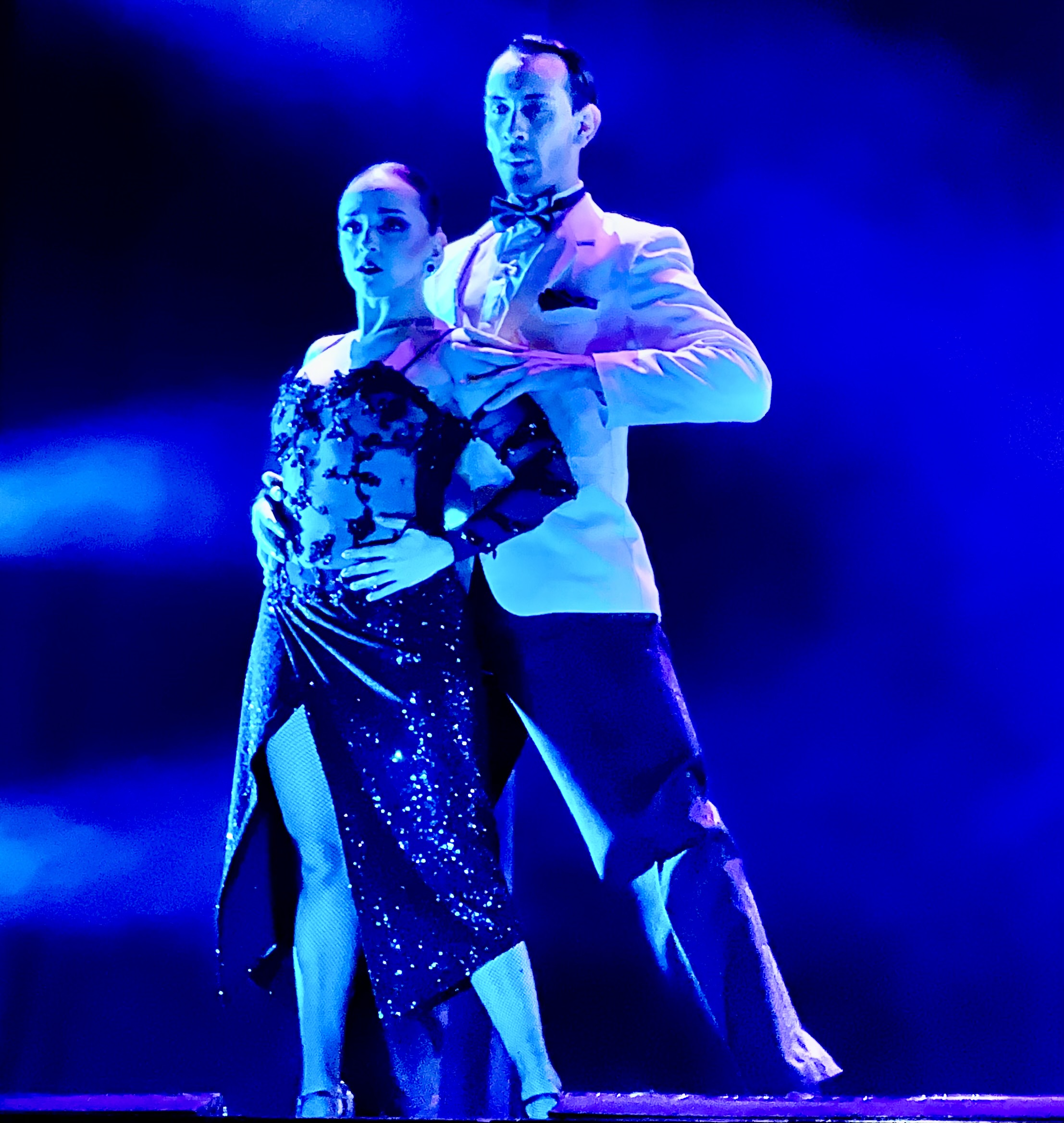
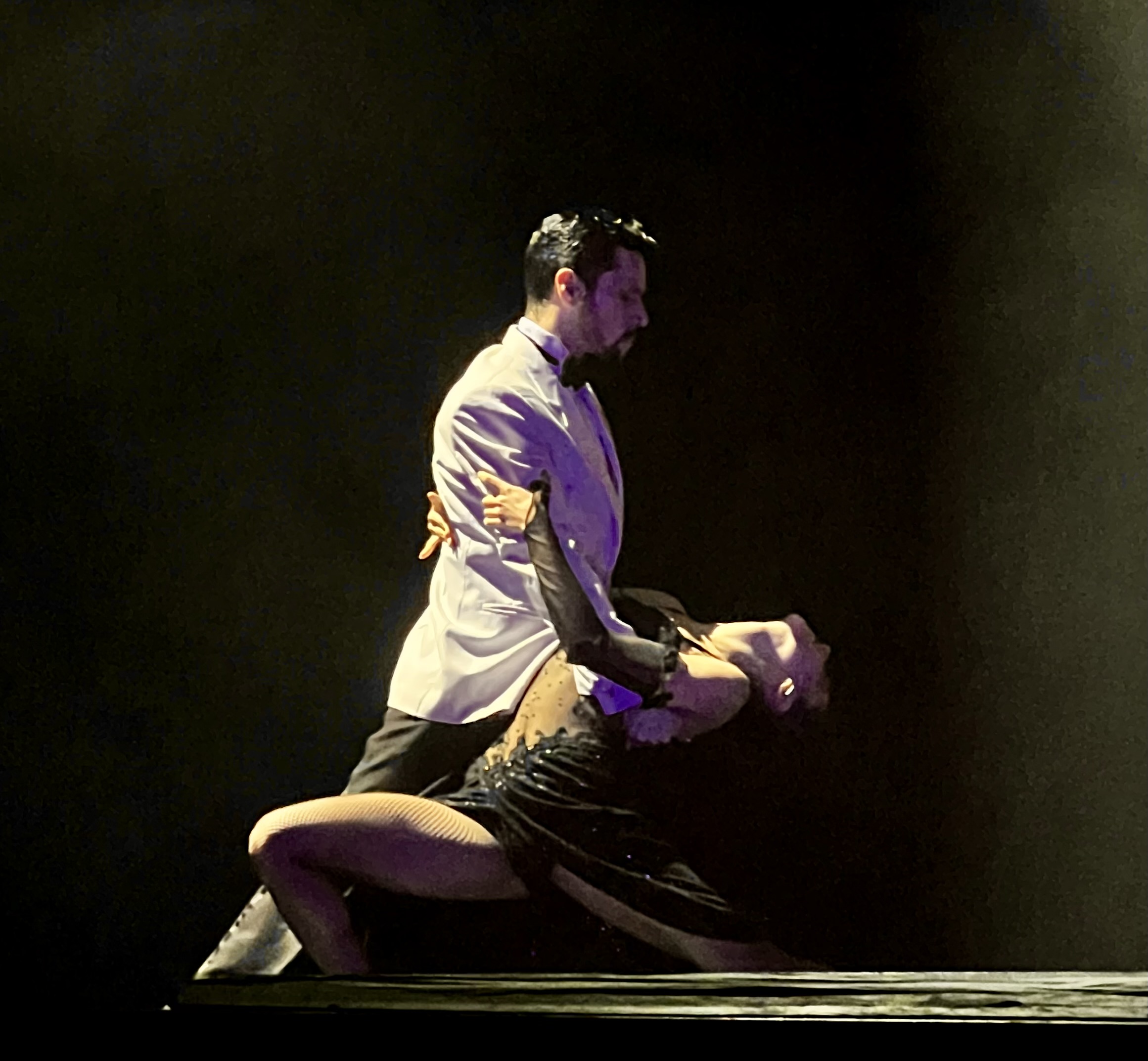
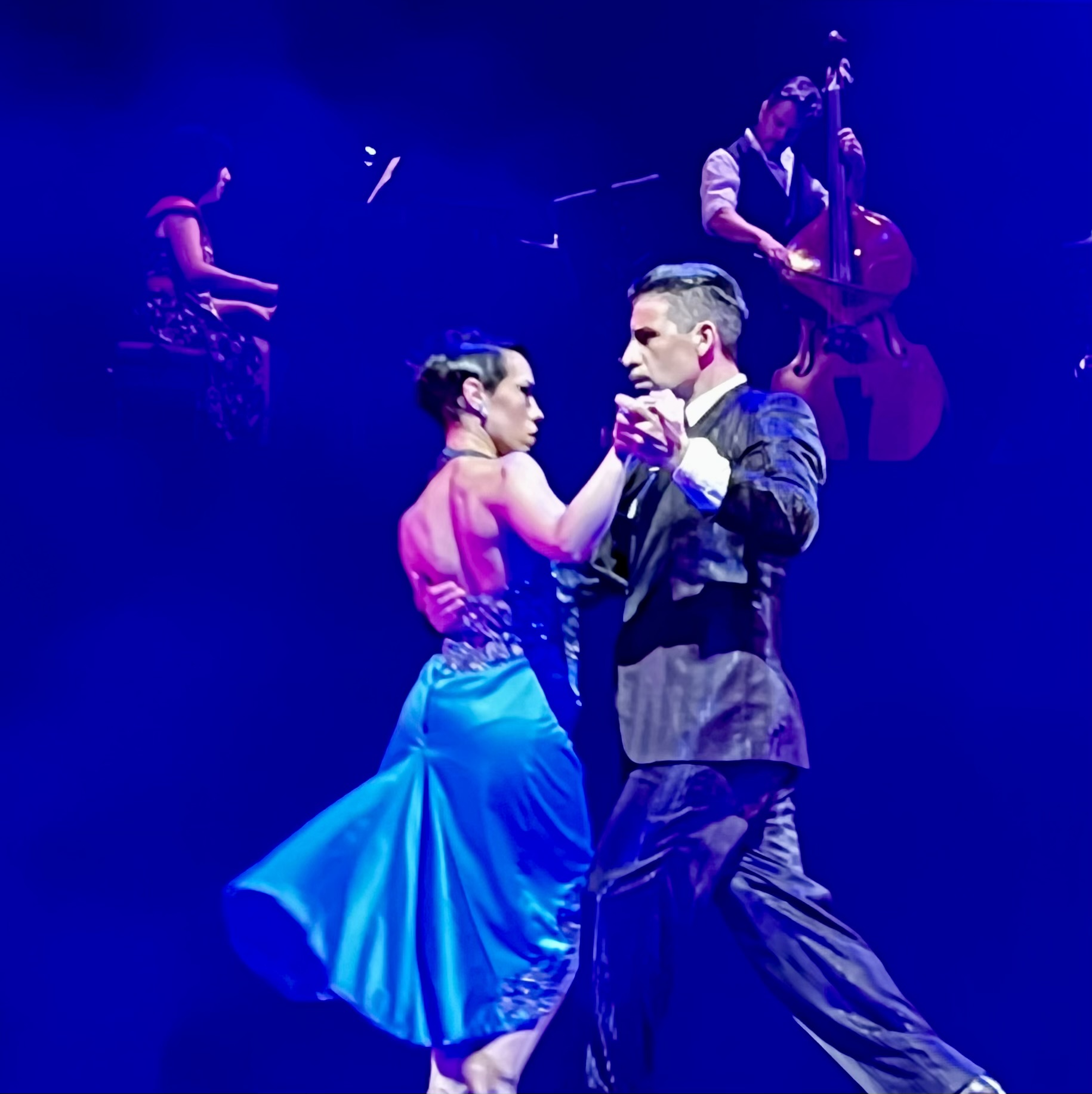
Our first night in Buenos Aires was spent at an enchanting tango dinner show. The sultry rhythms, passionate dancing, and delectable cuisine created an unforgettable introduction to the city’s vibrant culture. It was the perfect way to kick off our short stay at this captivating metropolis.


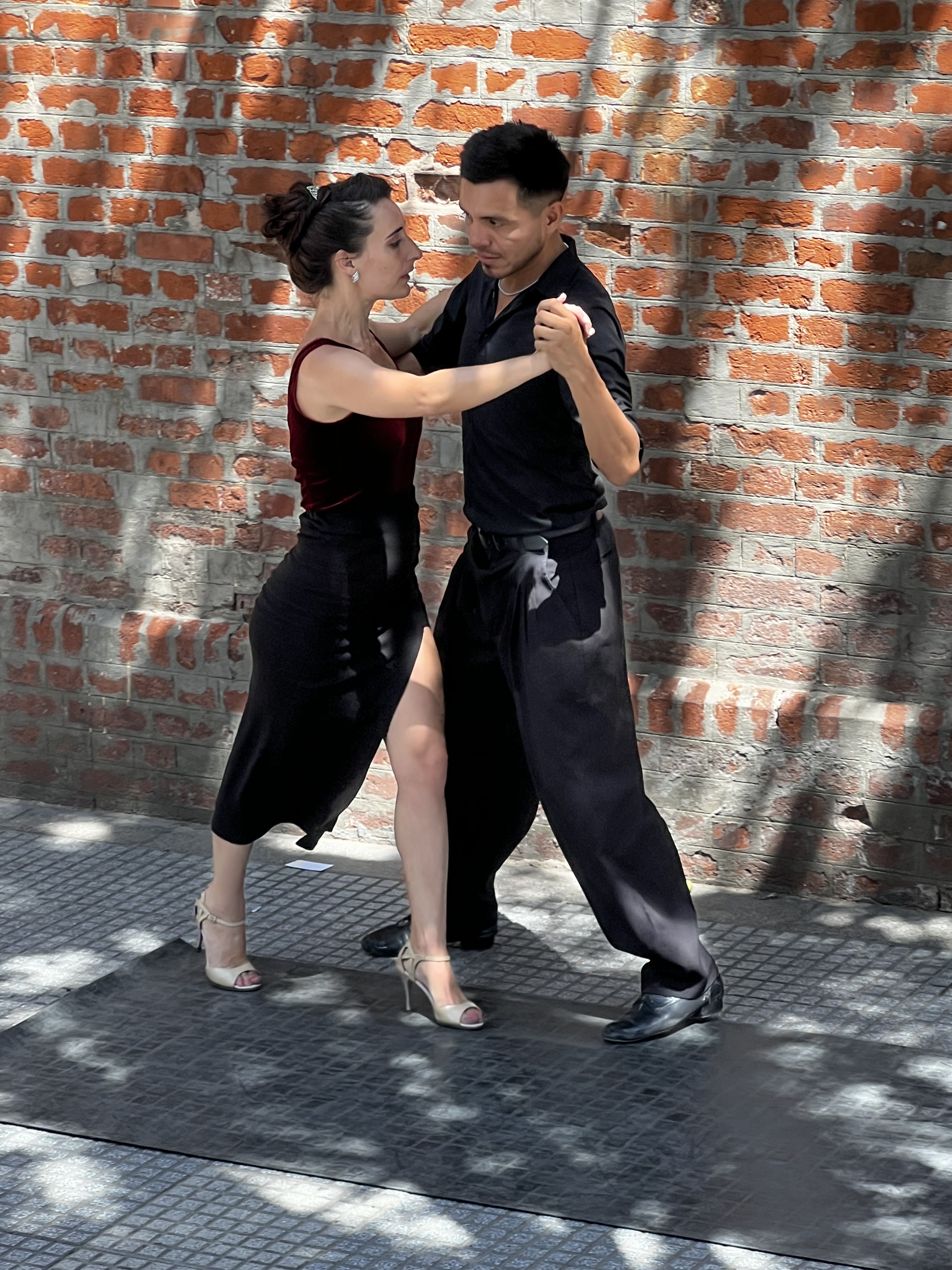
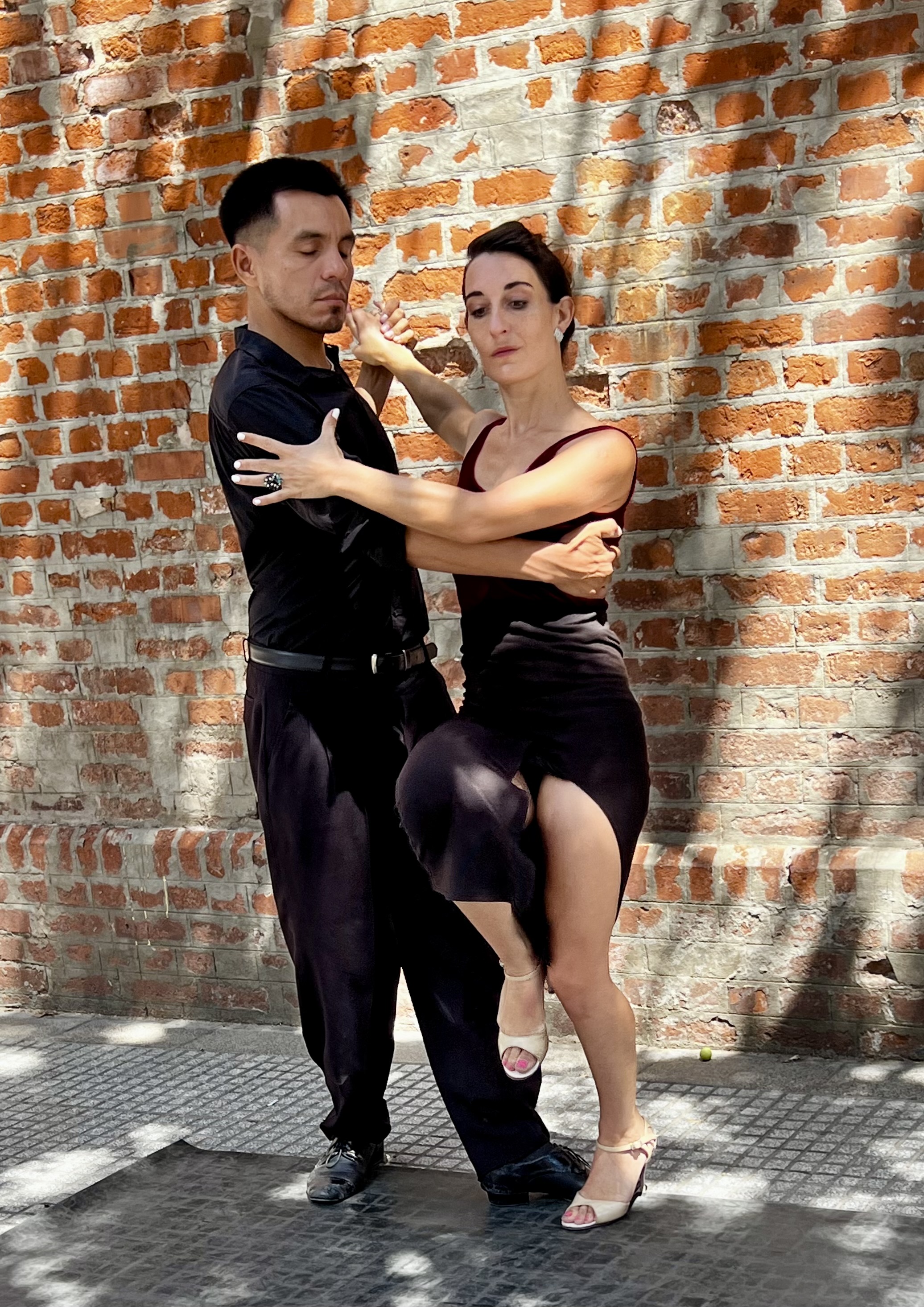
Exploring the neighborhoods, or “barrios,” each with its own unique character, was an absolute delight. In the historic district of San Telmo, the cobblestone streets and colonial buildings transported me back in time. The lively side streets filled with tango dancers and antique vendors, was a feast for the senses.


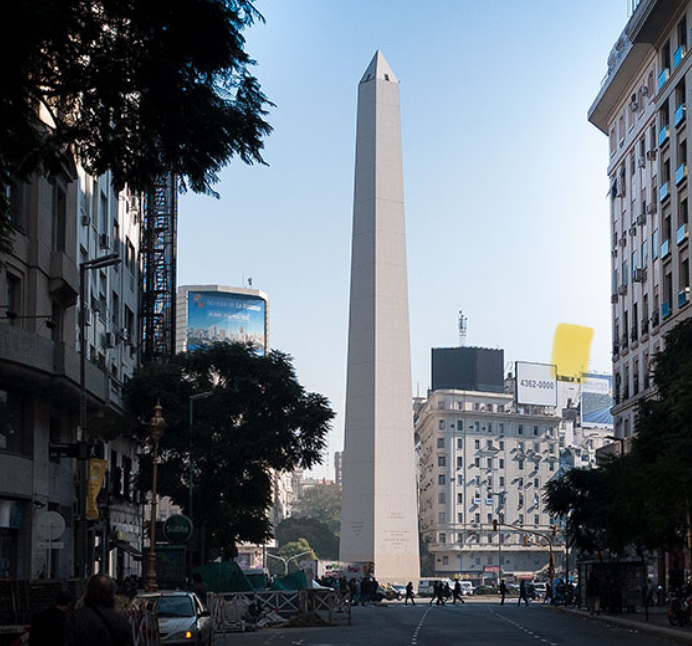
One of the highlights was marveling at the iconic Obelisk that towers over the city. The Teatro Colón, one of the world’s great opera houses, stood as a testament to Buenos Aires’ deep appreciation for the arts.
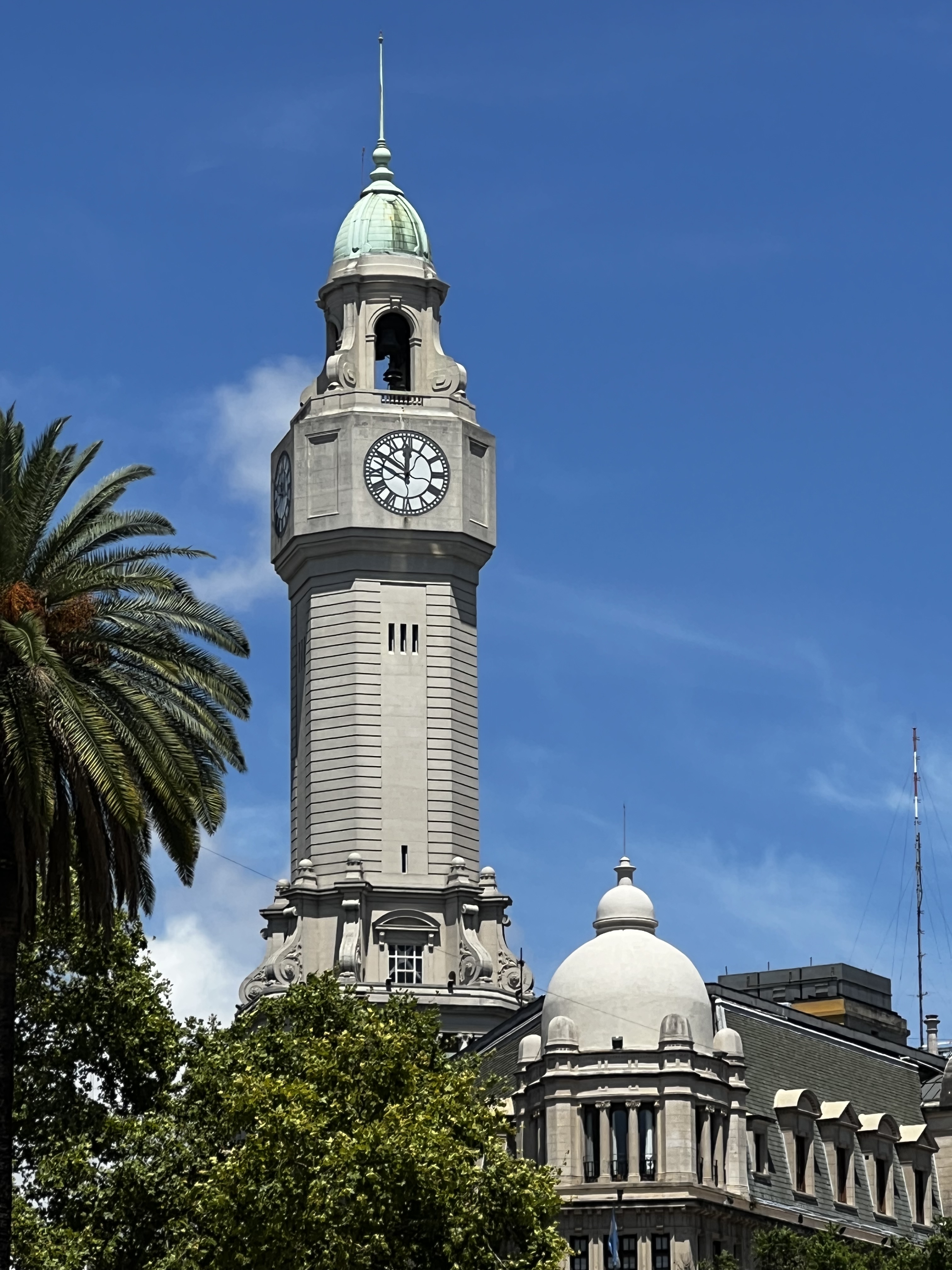

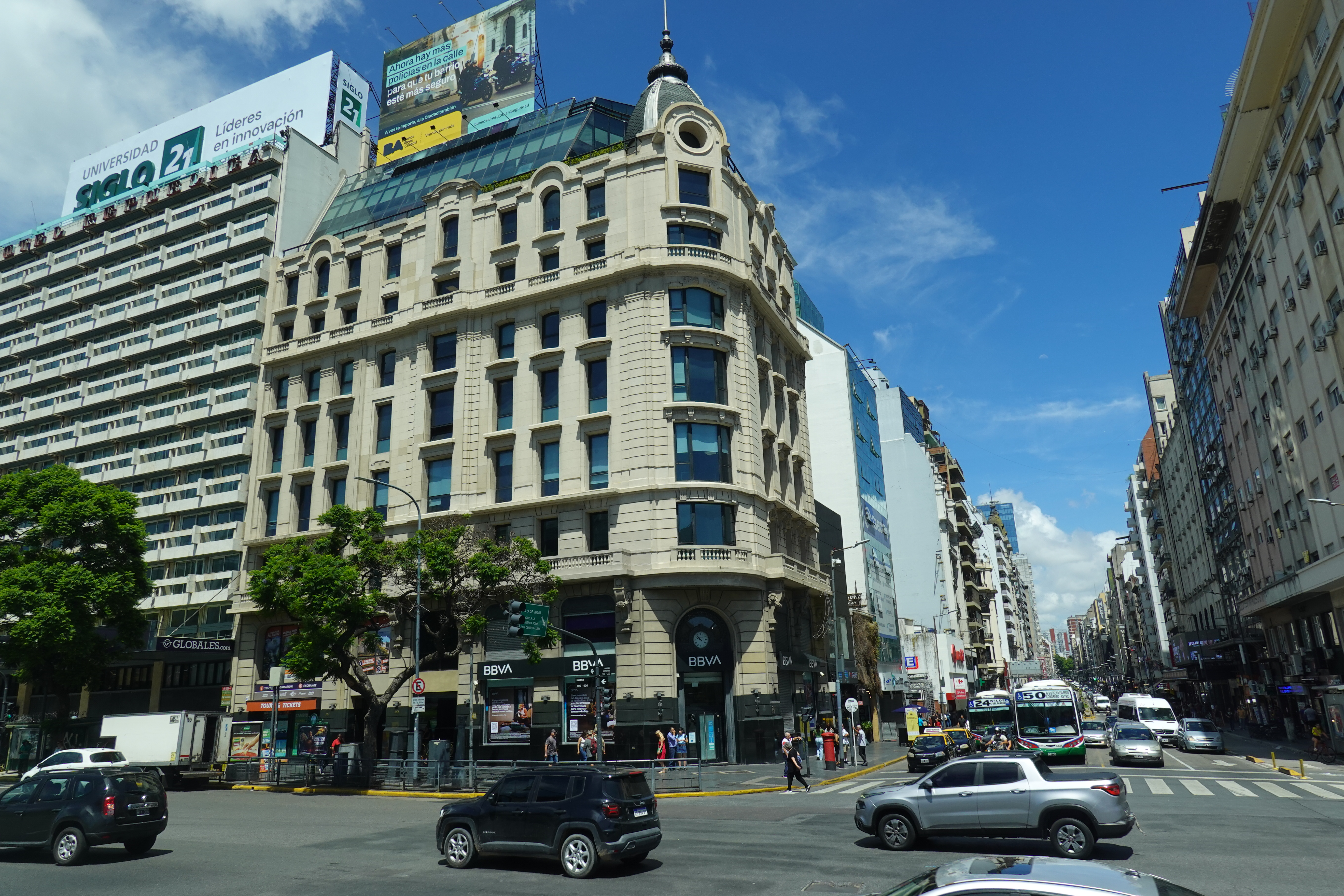

Buenos Aires felt like stepping into a city where European elegance meets Latin American passion. The energy of the “Paris of South America” is palpable, with its wide boulevards, grand architecture, and vibrant street life.
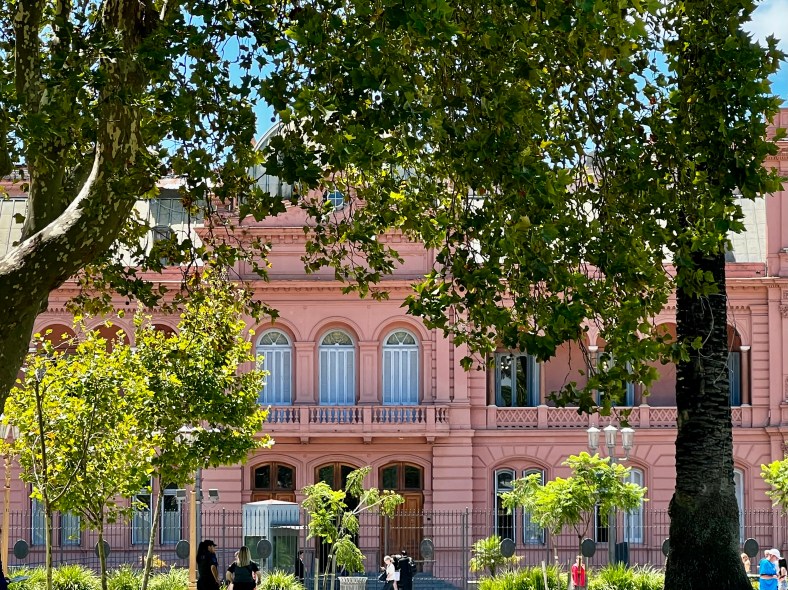
Eva Perón’s last speech was delivered from the iconic balcony of the Casa Rosada, the presidential palace in Buenos Aires. This balcony holds immense historical significance, as it was from here that Evita addressed the Argentine people for the final time on May 1, 1952. Despite her ailing health, she delivered a powerful and emotional speech, reaffirming her commitment to the labor movement and the working class. The balcony itself, overlooking the Plaza de Mayo, has become a symbol of her enduring legacy and the deep connection she shared with the people of Argentina. Interestingly, it is the only place in the palace where the windows are always kept closed, serving as a poignant reminder of her passionate advocacy and the indelible impact she had on the nation’s history.
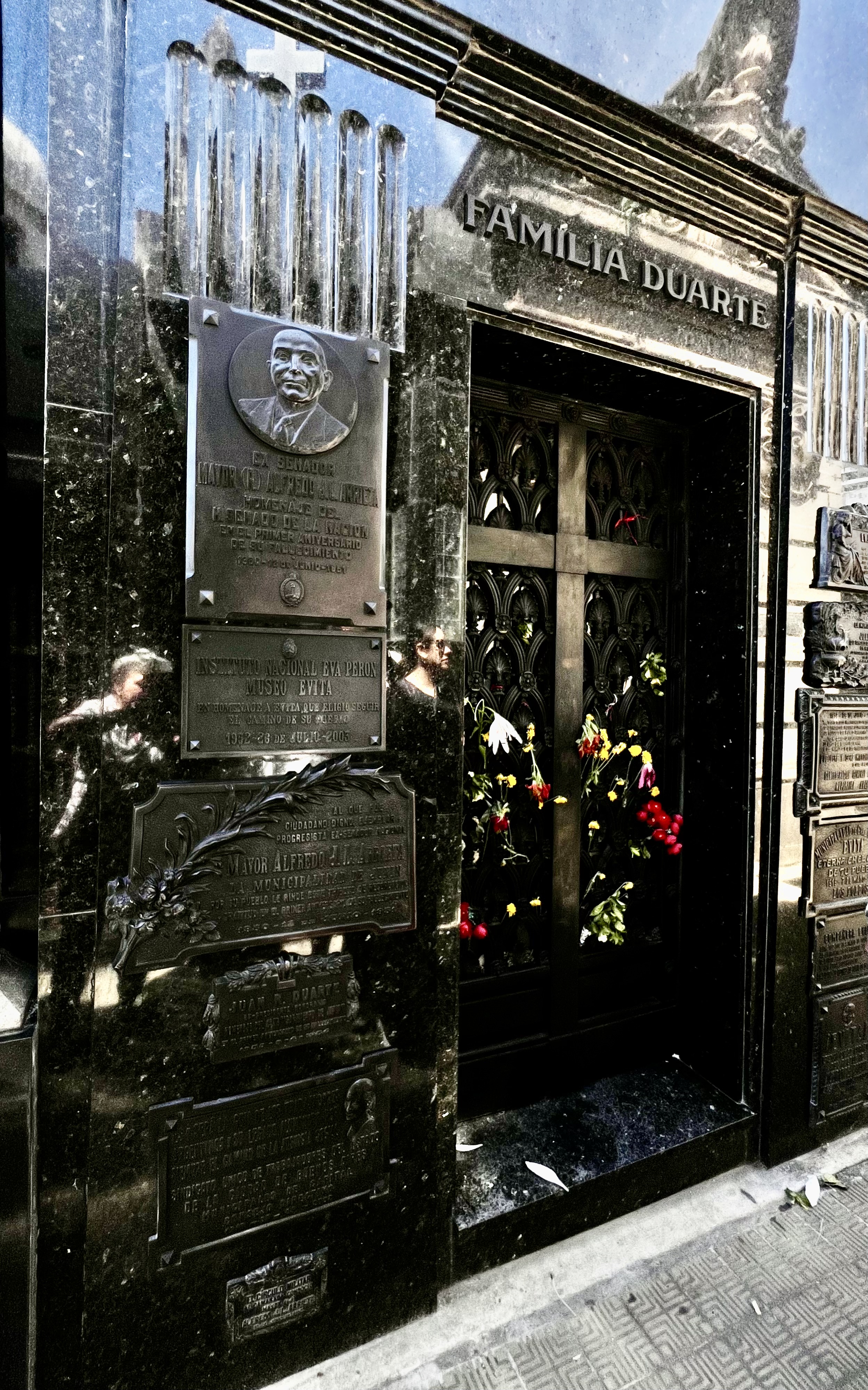
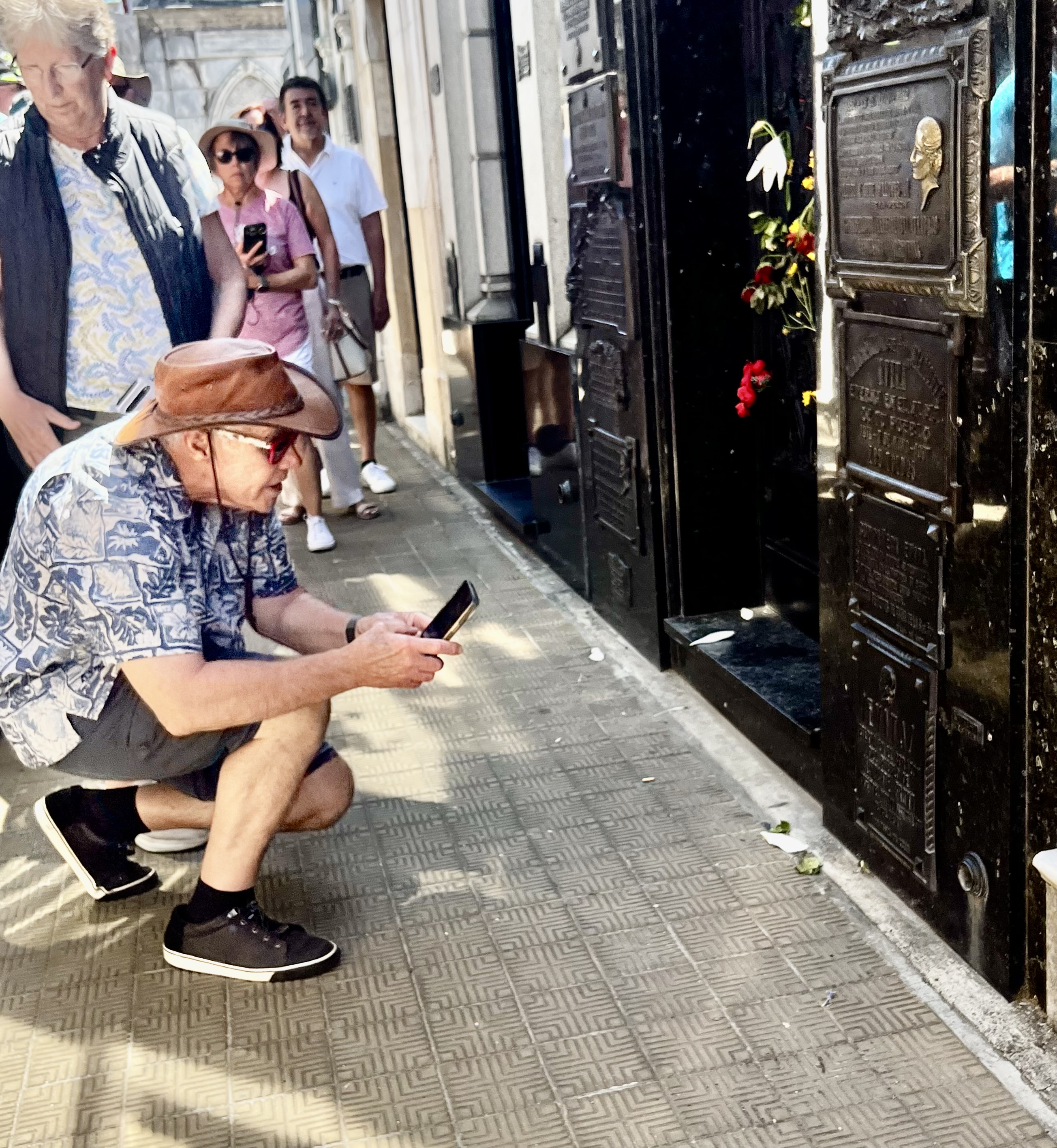

La Recoleta Cemetery in Buenos Aires is a place of immense historical significance and beauty. Among its many notable tombs is that of Eva Perón, affectionately known as “Evita.” Despite her death in 1952, her body was not interred in the Duarte family mausoleum at Recoleta until 1974. This delay was due to a macabre 16-year odyssey during which her body was kidnapped by military officers following a coup. Eva Perón’s final resting place is a grand mausoleum that attracts countless visitors. Interestingly, her husband, Juan Perón, is not buried alongside her. His third wife, Isabel Perón, who is still alive and living in Spain, has expressed her desire to keep them apart.
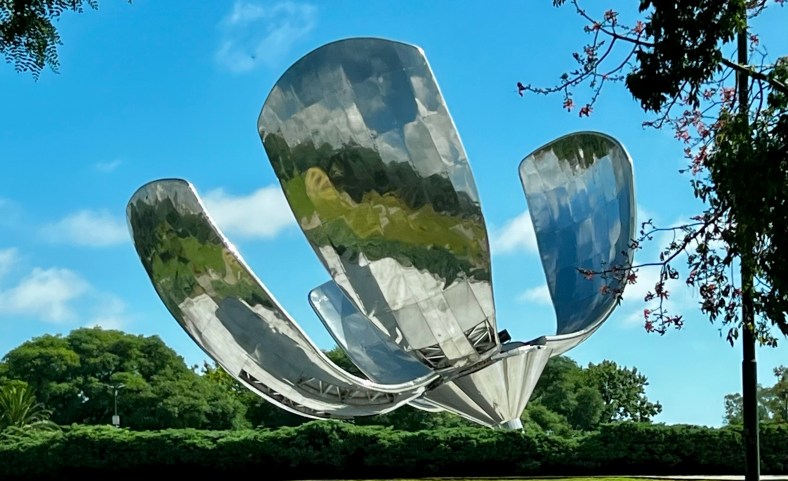
The Floralis Genérica, a stunning metal flower sculpture located in Buenos Aires was designed by Argentine architect Eduardo Catalano, this impressive sculpture stands at 23 meters (75 feet) tall when the petals are open. It’s made of stainless steel and aluminum and has a unique feature of opening and closing its petals daily, mimicking the natural behavior of a flower. The Floralis Genérica symbolizes hope and rebirth, making it a notable landmark in the city.
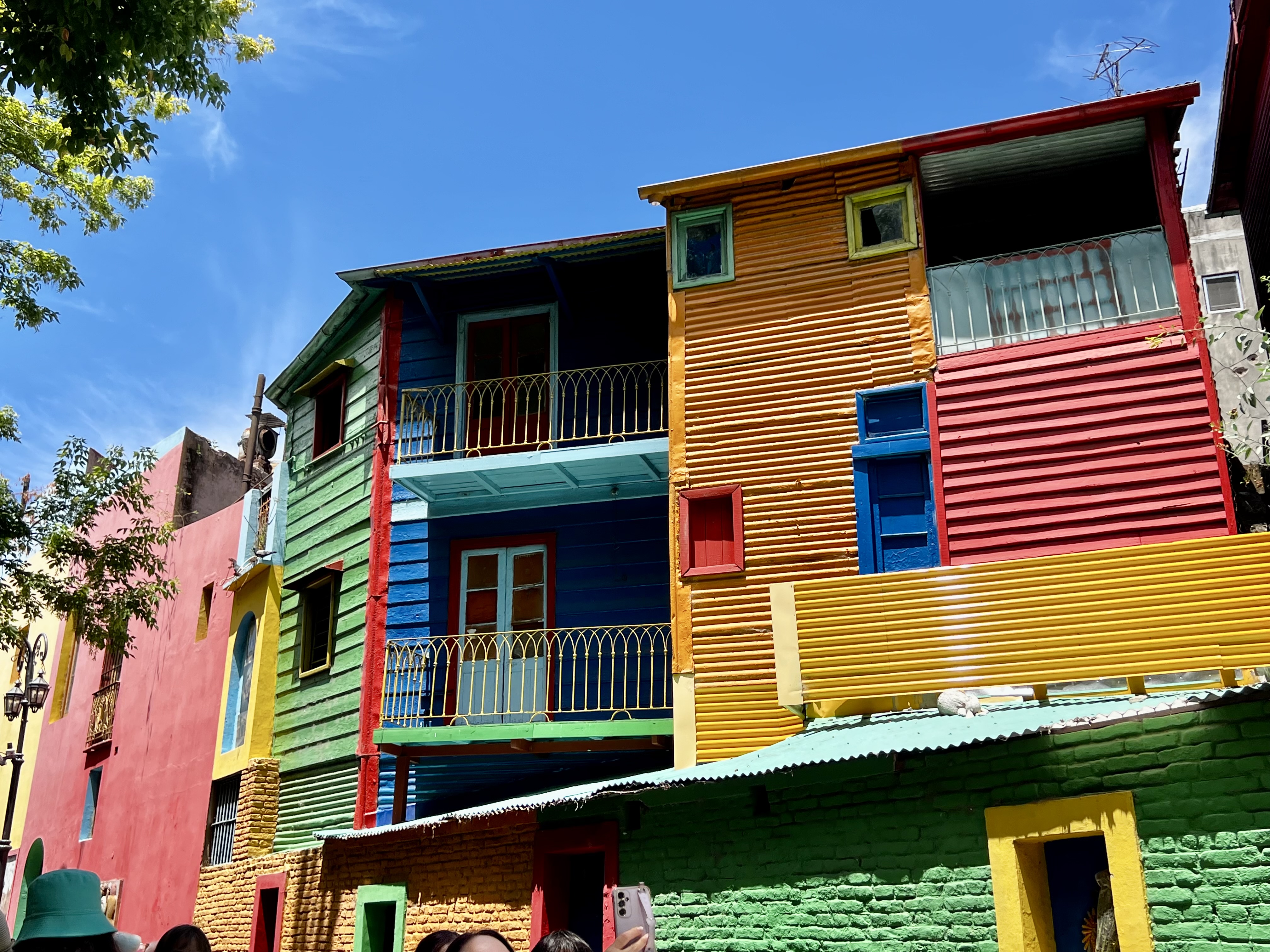


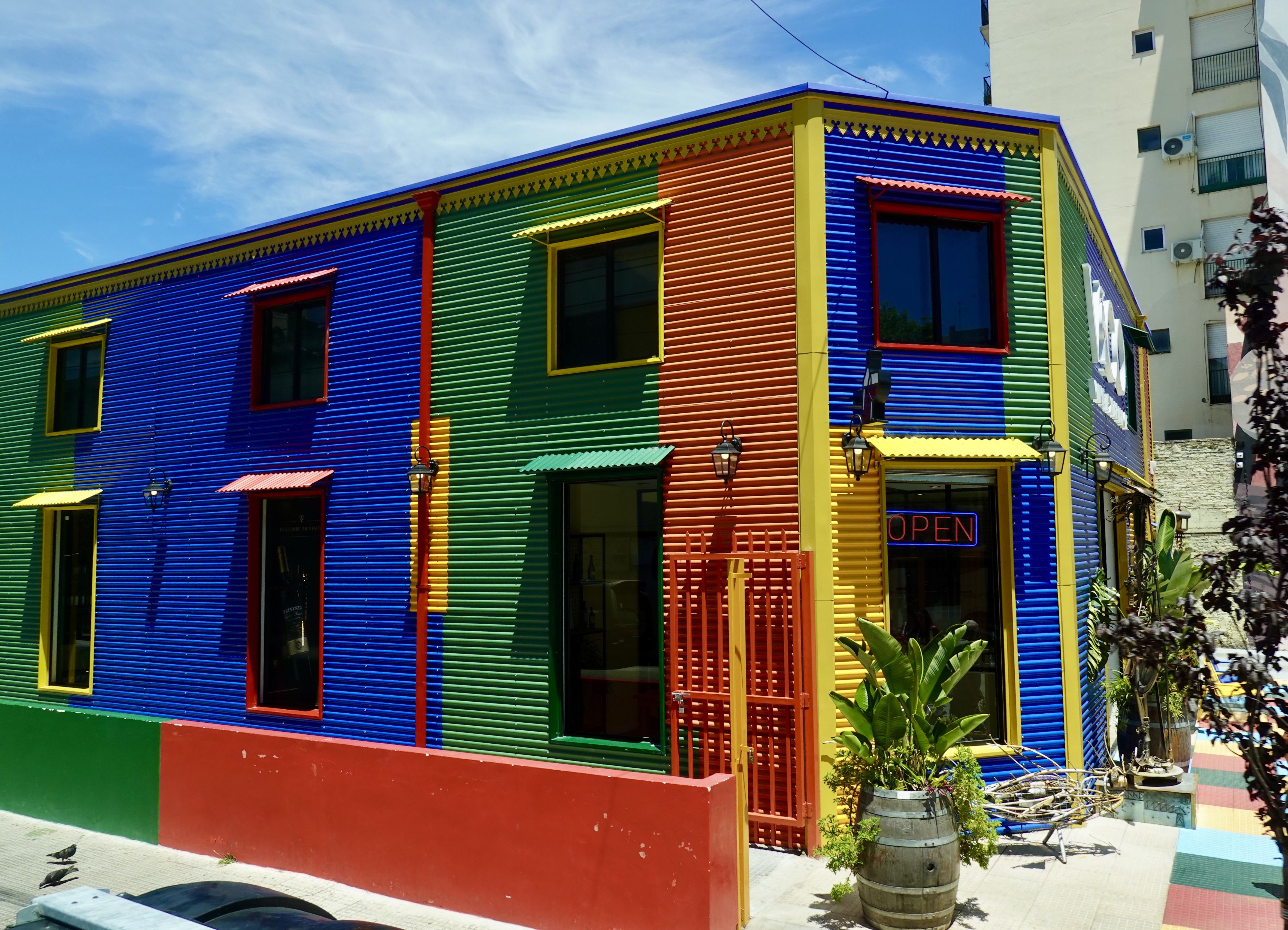

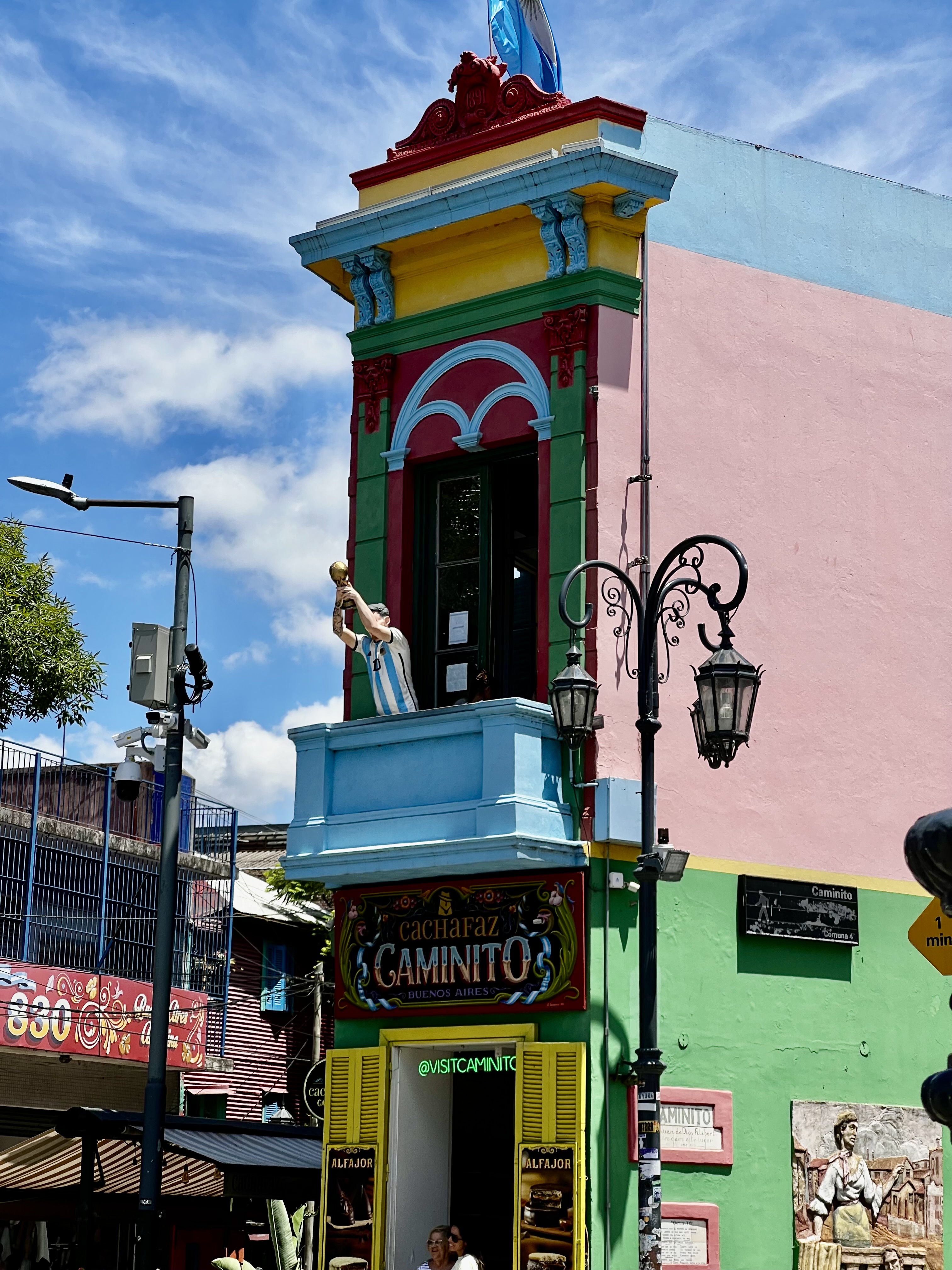
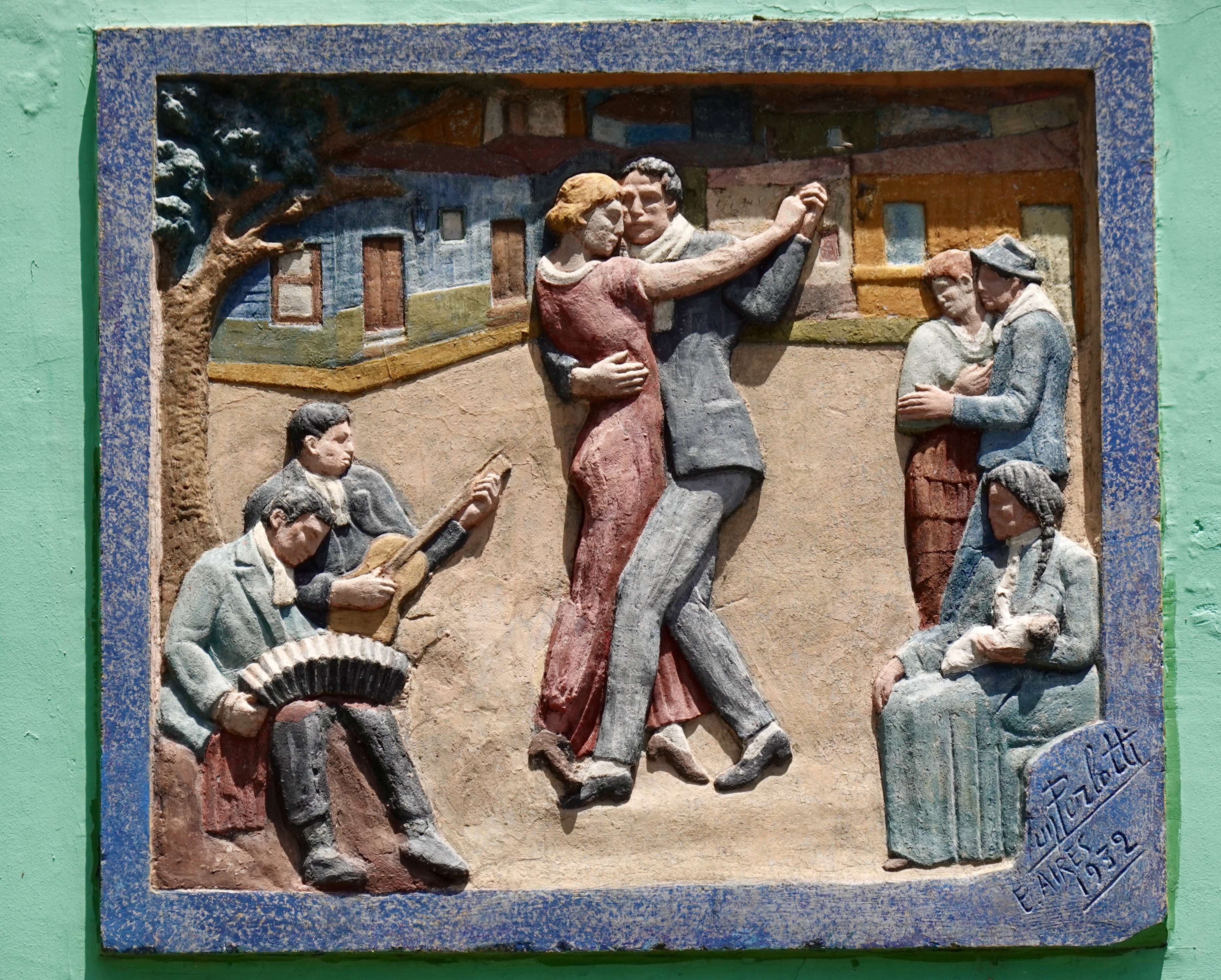


Caminito, in the vibrant neighborhood of La Boca, is a lively and colorful street that bursts with character and history. The area is famous for its vividly painted houses, which create a kaleidoscope of bright colors, ranging from sunny yellows and deep blues to rich reds and vibrant greens. This artistic tradition began when local residents used leftover paint from the nearby shipyards to decorate their homes. Over time, Caminito has transformed into an open-air museum and a hub for artists, musicians, and dancers. As you stroll through the cobblestone streets, you’re treated to the sights and sounds of tango performances, street art, and bustling markets, all set against the backdrop of these beautifully painted houses. If I ever find myself in Buenos Aires again, I’ll devote an entire day to exploring this vibrant and captivating area.
 World Blog