Established by the Teutonic Knights in 1233, Toruń was tremendously lucky to escape damage during World War II and is therefore extremely well-preserved. As one of Poland’s oldest cities, it lets visitors really imagine the pace of mediaeval life while strolling among moody Gothic churches and picturesque burgher houses on cobblestone streets.
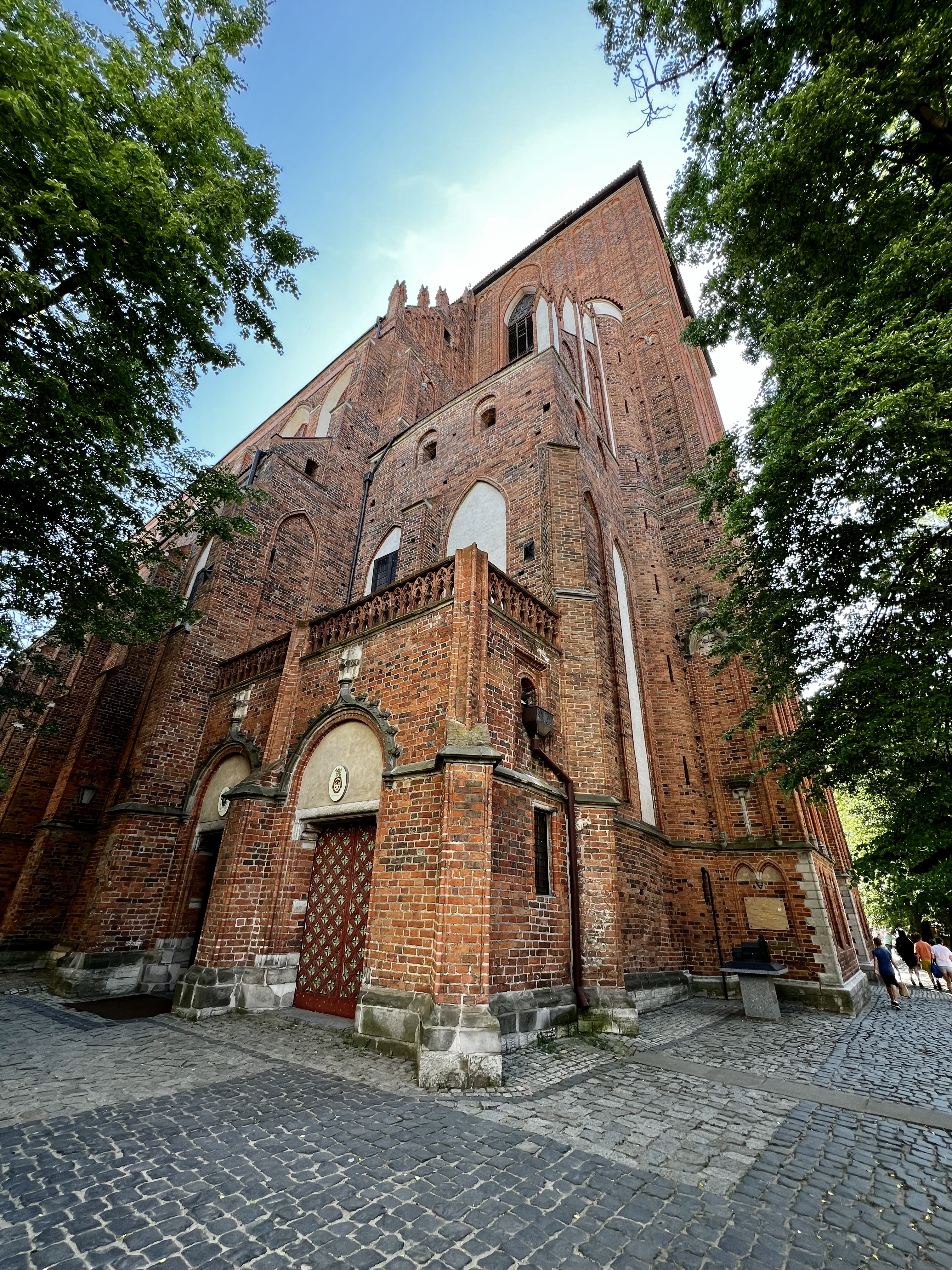
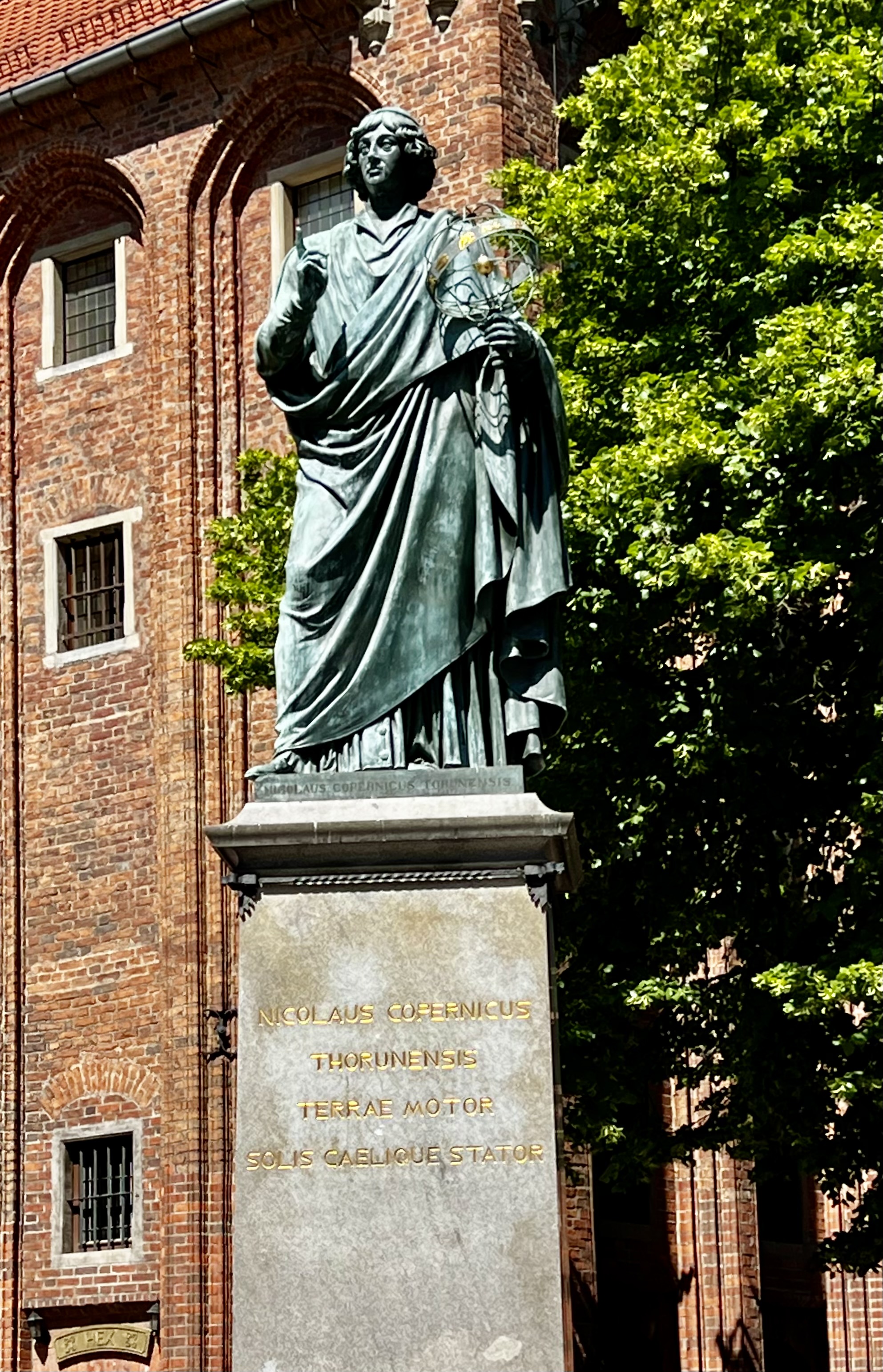
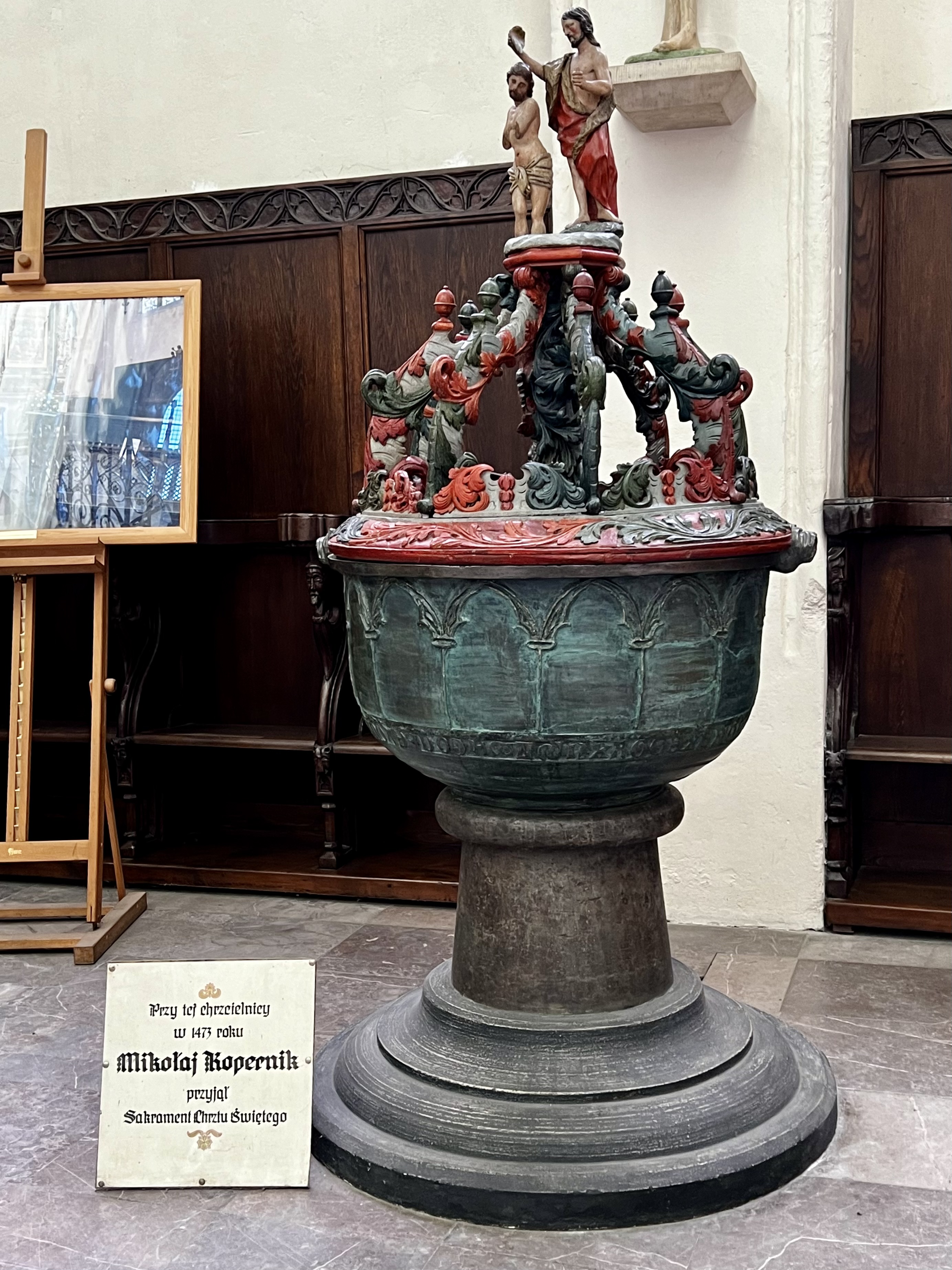
The church and Baptismal font in which Nicolas Copernicus was baptized in 1473 can be seen in a side chapel inside the Cathedral of St. John the Baptist and St. John the Evangelist in, Toruń, Poland.

The Leaning Tower of Toruń, while not quite Pisa, this 15-metre tower was built at the turn of the 14th century in order to defend the town, but leaned soon after due to the instability of the ground. The tower stopped performing its defensive function in the 18th century and in fact now houses an atmospheric pub where you can try one of the local brews.
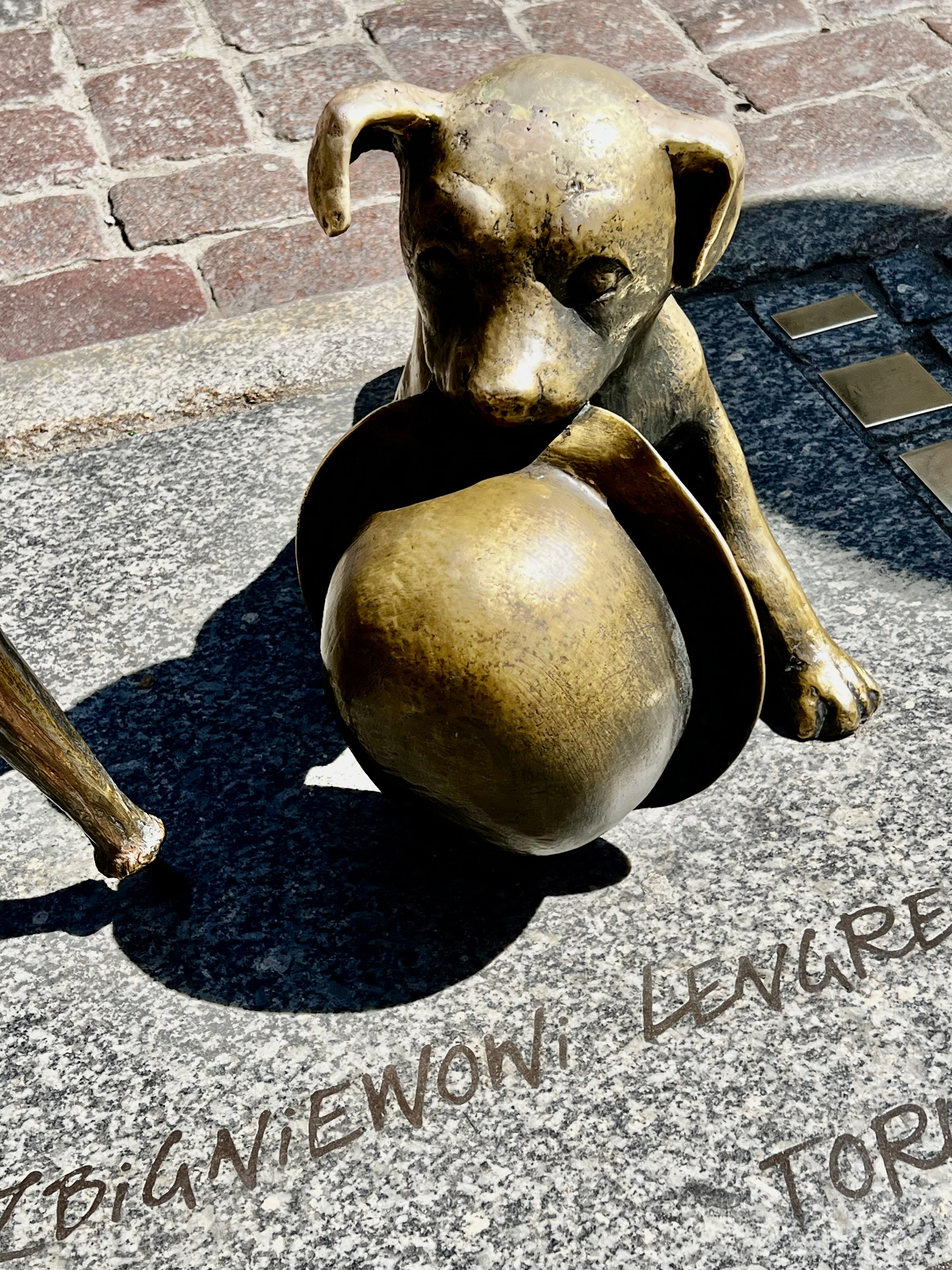

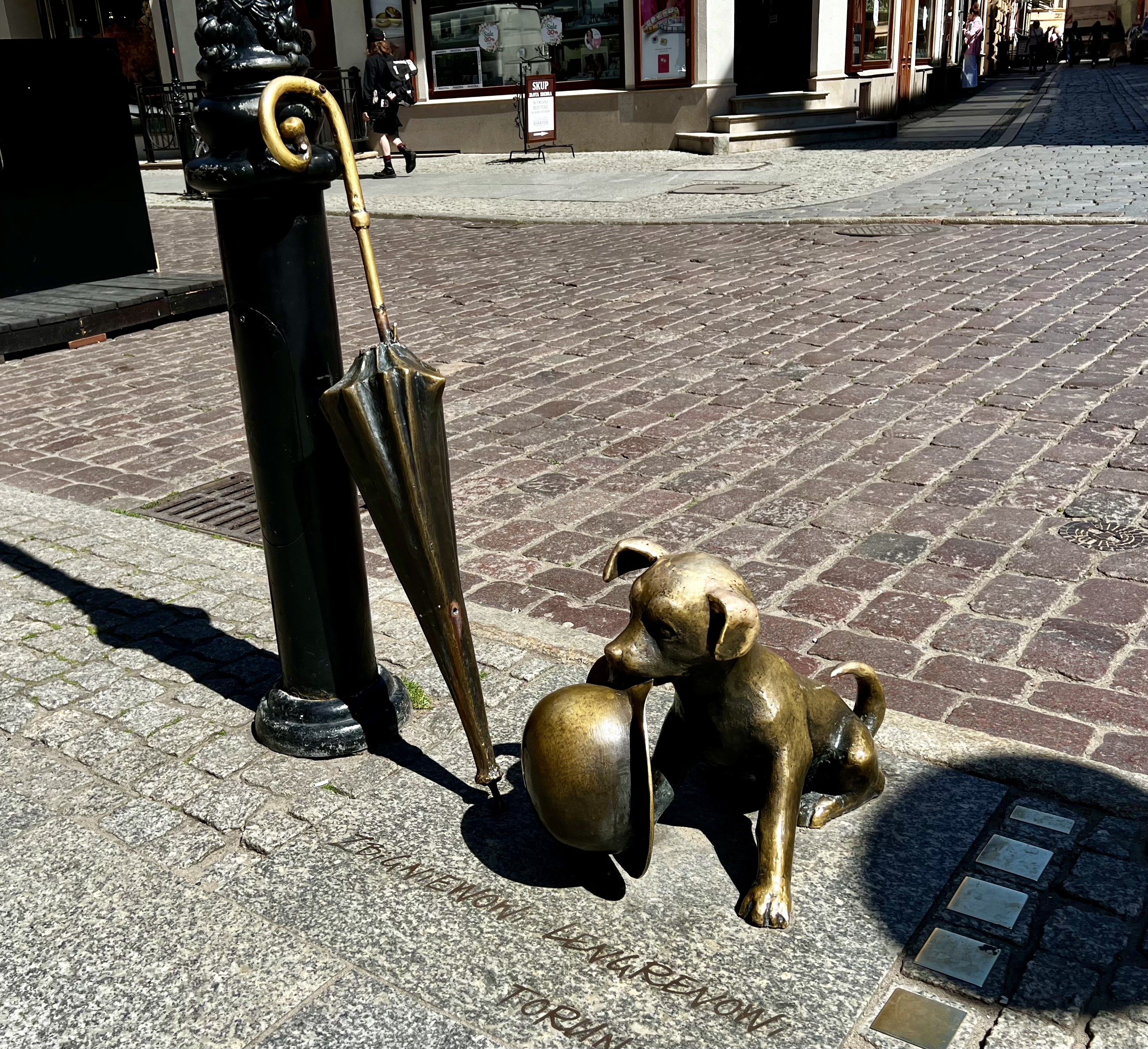
Filuś is a small, cast-in bronze small mutt, sitting in the north-east corner of the Old Town Square. It is waiting there for his master, it is holding a bowler hat in its mouth and watching the umbrella which is leaning against the lantern. It is not difficult to notice that the friendly dog is a companion of the famous professor Filutek, the character of the funny drawing stories. They were published during the gloomy days of Polish People’s Republic in the popular Cracow cultural weekly magazine ‘Przekrój’ which has been published continuously since 1948.
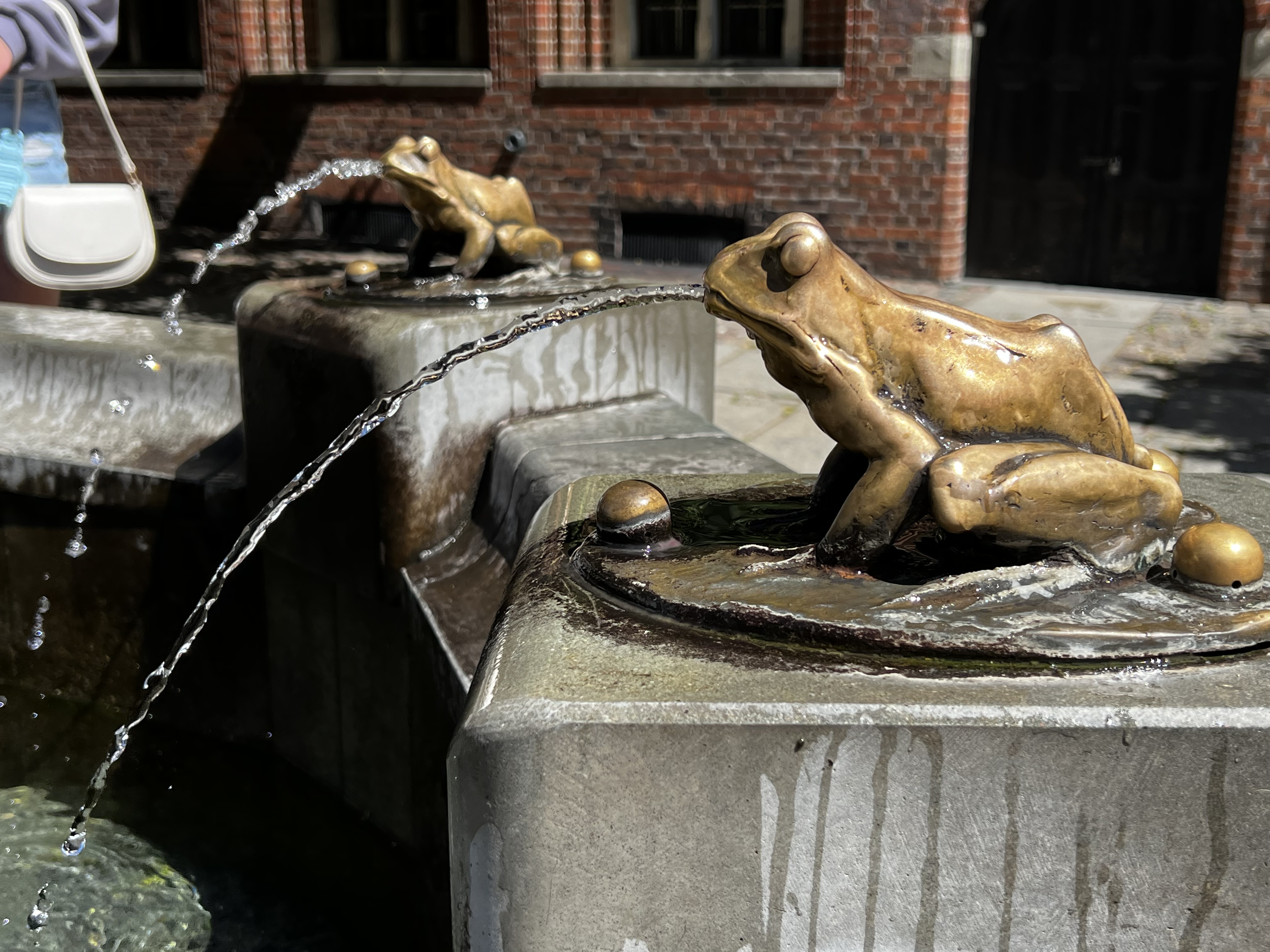
Toruń’s famous frog fountain and adjacent statue of the raftsman commemorate the local legend of a travelling witch, who was expelled from the city, and got her vengeance by cursing Toruń with a plague of frogs. Today, the piegons enjoy the cool water from the fountain!
Wroclaw In Search of Gnomes
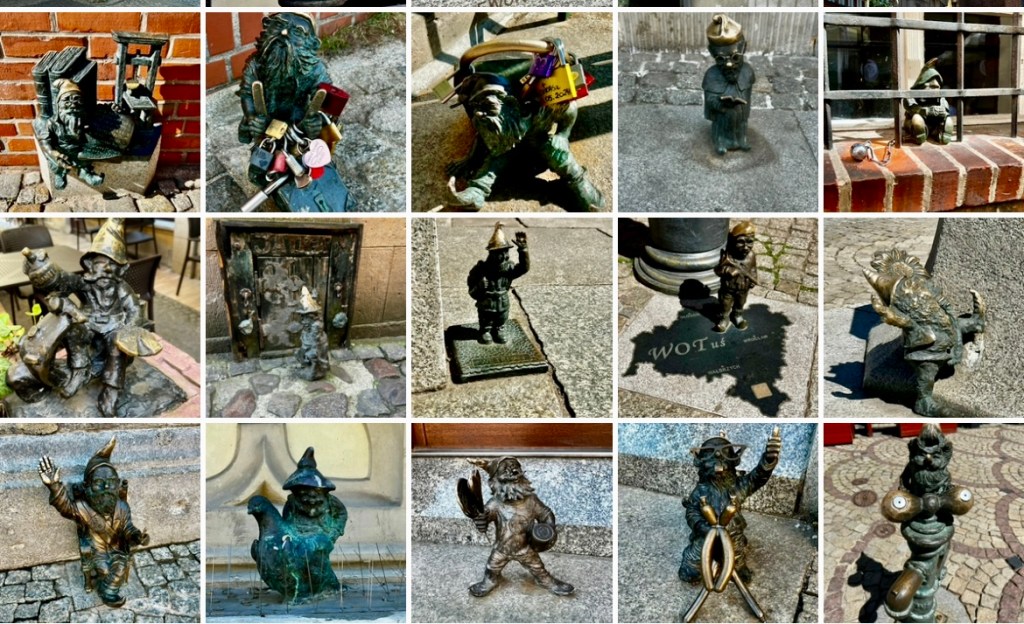
If you are ever in Wroclaw, add an extra day to your trip to go in search of the gnomes. I will definitely stay longer in Toruń and Wroclaw next time.
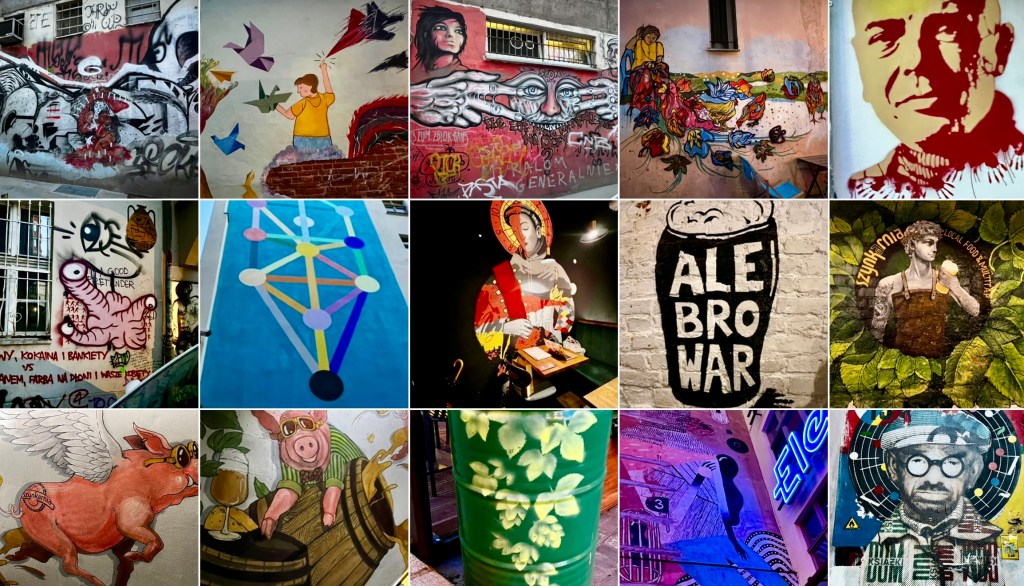
And of course Street Art

 World Blog